
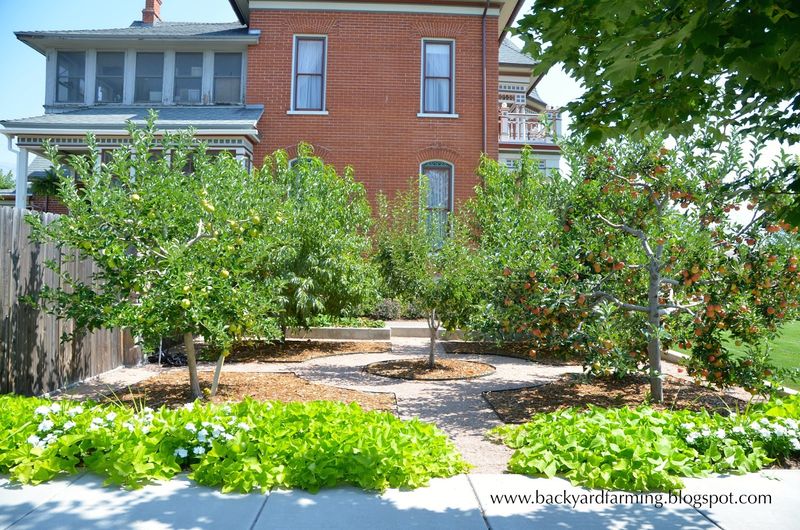
Planting a fig tree too close to your house is one of those mistakes that looks harmless at first but quietly grows into a real landscape headache. The edible fig, Ficus carica, can eventually spread much wider than most people expect, turning a tidy foundation bed into a crowded, hard-to-manage situation.
Understanding how much space a mature fig actually needs helps you avoid conflicts with pipes, walkways, drainage, and the building itself. The good news is that with the right location and a little planning upfront, a fig tree can be one of the most rewarding plants in a North Carolina yard.
A nursery fig can become a broad, permanent landscape plant
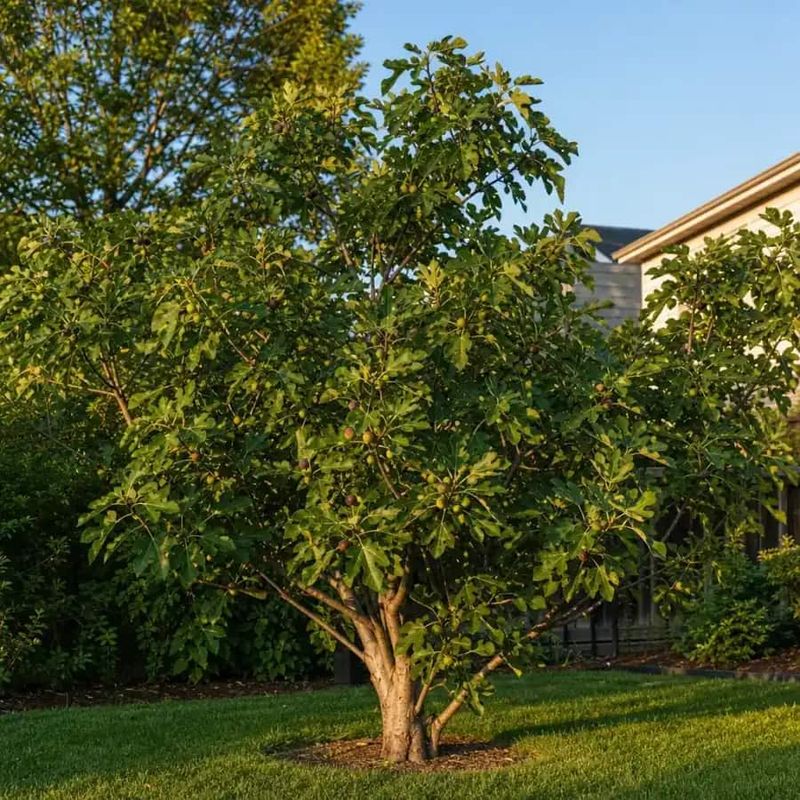
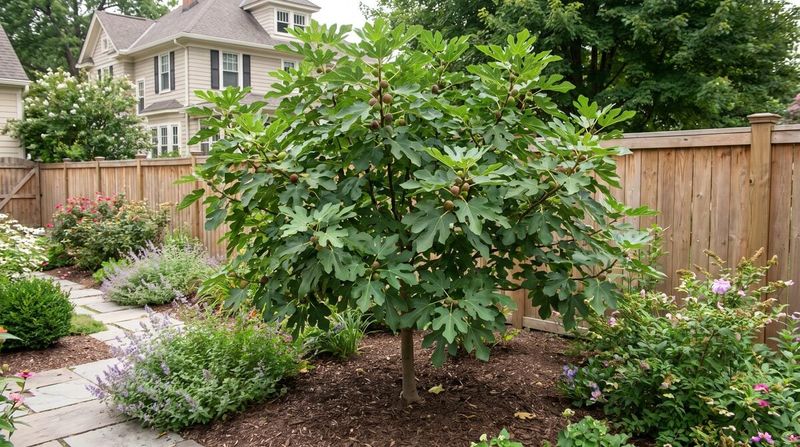
That small pot you bring home from the garden center gives almost no hint of what it will eventually become. In the Southeast, an in-ground edible fig, Ficus carica, can reach roughly 15 to 30 feet in height with a spread that matches or exceeds its height.
Alabama Cooperative Extension’s fig production guide confirms this size range and notes that figs in the region commonly develop into broad, multi-stemmed plants rather than tidy single-trunk trees.
North Carolina gardeners often see something different from that theoretical maximum. Hard winters can kill above-ground stems to the ground, and the plant resprouts from the roots the following spring.
That repeated cycle tends to keep most figs in the Piedmont and mountains looking more like oversized shrubs than 25-foot trees. Still, in a mild stretch of winters, or along the Coastal Plain where cold is less severe, a fig can put on substantial wood quickly.
The real planning error is using the nursery plant as the spacing reference. NC State Extension’s guide to fig culture in North Carolina recommends about 10 feet between bush-form figs and 15 to 20 feet between tree-form figs.
Those figures describe the space a mature plant genuinely needs, not the space a two-gallon container occupies today.
Planting a fig in a 3-foot foundation strip and expecting it to stay compact is the mistake. The plant is not the problem; the mismatch between expected mature size and available space is.
Reframing the decision that way helps you pick a location that works for the long run, regardless of whether your particular plant ends up at 10 feet or 25.
Fig roots spread widely, but they do not automatically destroy foundations

Fig roots tend to stay shallow, often concentrated in the upper few feet of soil, and they can spread laterally well beyond the edge of the canopy. Under favorable conditions, that spread can reach roughly three times the canopy diameter.
A fig with a 10-foot canopy could therefore have roots extending 30 feet or more from the trunk in ideal growing conditions, though soil type, moisture, and competition all affect how far roots actually travel.
That kind of reach sounds alarming, but the structural risk needs to be understood carefully. Alabama Cooperative Extension states plainly that fig roots generally will not damage masonry building foundations.
Roots are much more likely to cause problems where vulnerabilities already exist. As NC State Cooperative Extension explains regarding tree roots and sewer lines, roots typically enter pipes through existing cracks, loose joints, or gaps rather than forcing their way through intact materials.
The same principle applies to foundations. A sound, properly built foundation with no pre-existing cracks or drainage defects presents a much lower risk than one with settlement gaps, old mortar joints, or chronic water infiltration.
University of Illinois Extension notes that roots tend to worsen existing vulnerabilities rather than create the original defect.
Where roots do create real problems is in hardscape. UF/IFAS guidance on plant placement points out that shallow-rooted trees planted in tight spaces frequently lift sidewalks, crack patios, and undermine driveways.
That kind of hardscape disruption is well documented. Treating it as equivalent to house-foundation failure overstates the case, but it is a genuine reason to give a fig room to grow away from paved surfaces and confined planting strips.
Use the fig’s final form to choose a defensible clearance
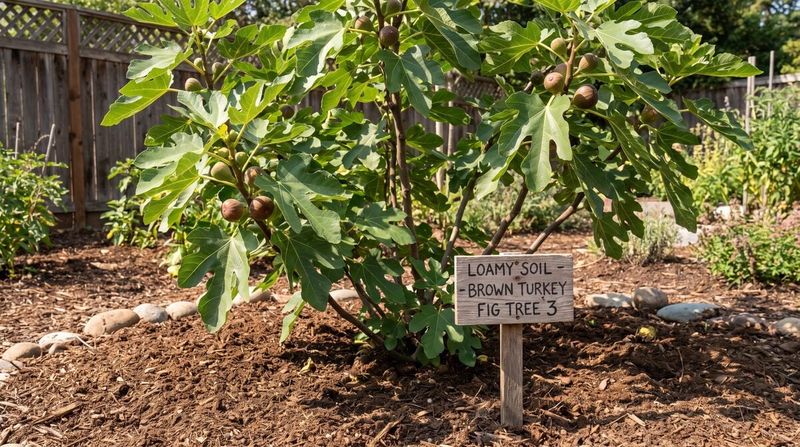
Picking a spot for a fig should start with a simple question: what form will this plant take at maturity, and how much horizontal space does that form require? NC State Extension recommends approximately 10 feet between bush-form figs and 15 to 20 feet between tree-form figs.
Those figures describe plant-to-plant spacing in an orchard or garden row, not a formally tested distance from a house foundation. Translating them into a house-clearance rule requires one additional step.
A practical conservative approach is to allow at least 10 feet from the house wall for a maintained bush-form fig, and 15 to 20 feet for a tree-form or vigorous-growing cultivar. Add extra room if you are planting a variety known to become large, or if the bed is bordered by a patio, driveway, or utility trench on the other side.
University of Georgia Cooperative Extension’s home garden fig guide gives similar plant-spacing figures, reinforcing that these numbers reflect genuine mature-size requirements.
These suggested clearances are practical inferences drawn from published mature sizes, fig-spacing recommendations, and general tree-placement guidance. They are not engineering minimums or universal setback standards tested against specific foundation types.
A structural engineer or licensed landscape professional is the right resource if a building already shows symptoms of foundation movement.
UF/IFAS site-analysis guidance offers a useful general rule: place a tree at least half its mature canopy spread away from structures. For a fig with a potential 20-foot canopy, that translates to 10 feet of clearance at minimum.
Combine that with the plant-spacing numbers from NC State and UGA, and a picture emerges: the narrow 2- to 3-foot strip immediately beside most house foundations is simply not a defensible location for an in-ground fig of any cultivar.
Inspect the whole site before you dig
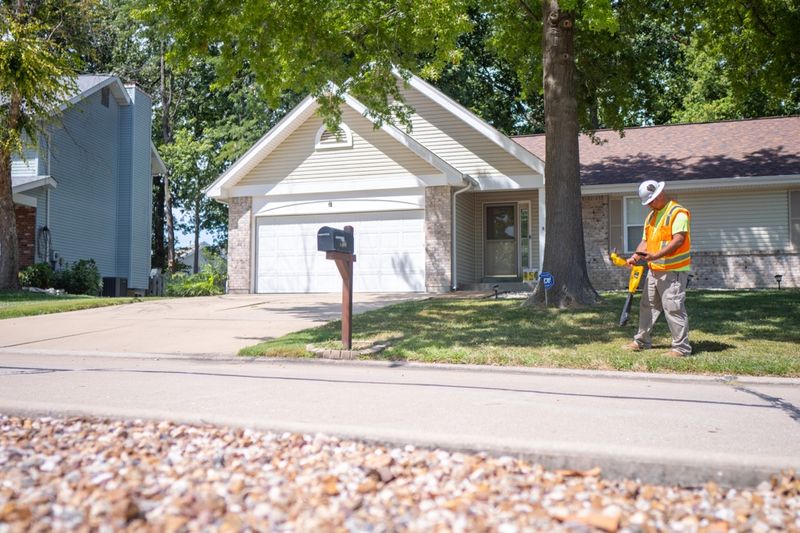
Before you break ground for a fig, walk the entire yard and map what is underground. Buried infrastructure creates constraints that are every bit as important as house clearance, and some of those constraints are stricter.
EPA guidance on caring for your septic system warns that tree and shrub roots can damage drainfield pipes and recommends consulting a septic professional about appropriate planting distances before adding any woody plant near a septic system.
Alabama Cooperative Extension advises keeping figs at least 25 feet from clay sewer pipe and away from septic drain fields entirely. That 25-foot figure applies specifically to clay pipe and drain-field infrastructure, not to house foundations.
Applying it as a general foundation setback would misrepresent the source, but it does signal that old clay sewer lines deserve serious respect when you are choosing a planting location.
Beyond sewer and septic concerns, check the path of every downspout and surface drainage channel. A fig planted where water collects after rain will sit in saturated soil, which stresses the plant and can soften the ground near footings over time.
Patios, driveways, and walkways also need a clear buffer; shallow roots in a confined bed have nowhere to go except up, which is how flagstones get lifted and concrete edges crack.
Before any digging, contact North Carolina 811. NC 811’s homeowner guidance explains that planting trees and shrubs can damage buried utility lines and instructs homeowners to request utility markings before breaking ground.
The call is free and required by law. Knowing where gas, electric, water, and communication lines run lets you choose a spot that avoids those conflicts from the start, rather than discovering them with a shovel blade.
Balance sunlight, drainage, and winter protection
Once you have ruled out a cramped foundation strip, the next job is finding a location that actually meets the fig’s growing requirements. Full sunlight is non-negotiable.
Figs planted in partial shade produce less fruit, grow more slowly, and tend to develop open, leggy canopies that are harder to manage. NC State Extension’s fig culture guide emphasizes full sun and well-drained soil as the two baseline requirements for a productive in-ground fig in North Carolina.
Well-drained soil matters just as much as sunlight. Standing water around the root zone invites root rot and reduces cold hardiness.
If your yard has heavy clay that holds moisture, amending the planting area or choosing a slightly raised bed can help. A location where water visibly pools after a half-inch of rain is a poor choice regardless of how much sun it receives.
A south- or southeast-facing wall can genuinely reduce winter injury in the Piedmont and mountain regions by reflecting heat and blocking north winds. University of Georgia Cooperative Extension’s fig guide notes that a protected location near a building can help figs hold their canes through cold snaps.
That protection is real and worth factoring in, but it does not justify planting two feet from the foundation. The wall can still provide a wind buffer from 10 or 15 feet away.
Winter damage in North Carolina can kill above-ground stems entirely, sending the plant back to the root crown the following spring. Plan for both possibilities: the full canopy potential if the plant survives several mild winters in a row, and the broad, multi-stemmed shrub habit that follows a hard kill-back.
Either way, the plant needs enough horizontal room to grow without pressing against the house, the patio, or the neighbor’s fence.
Pruning limits the canopy but does not create underground room
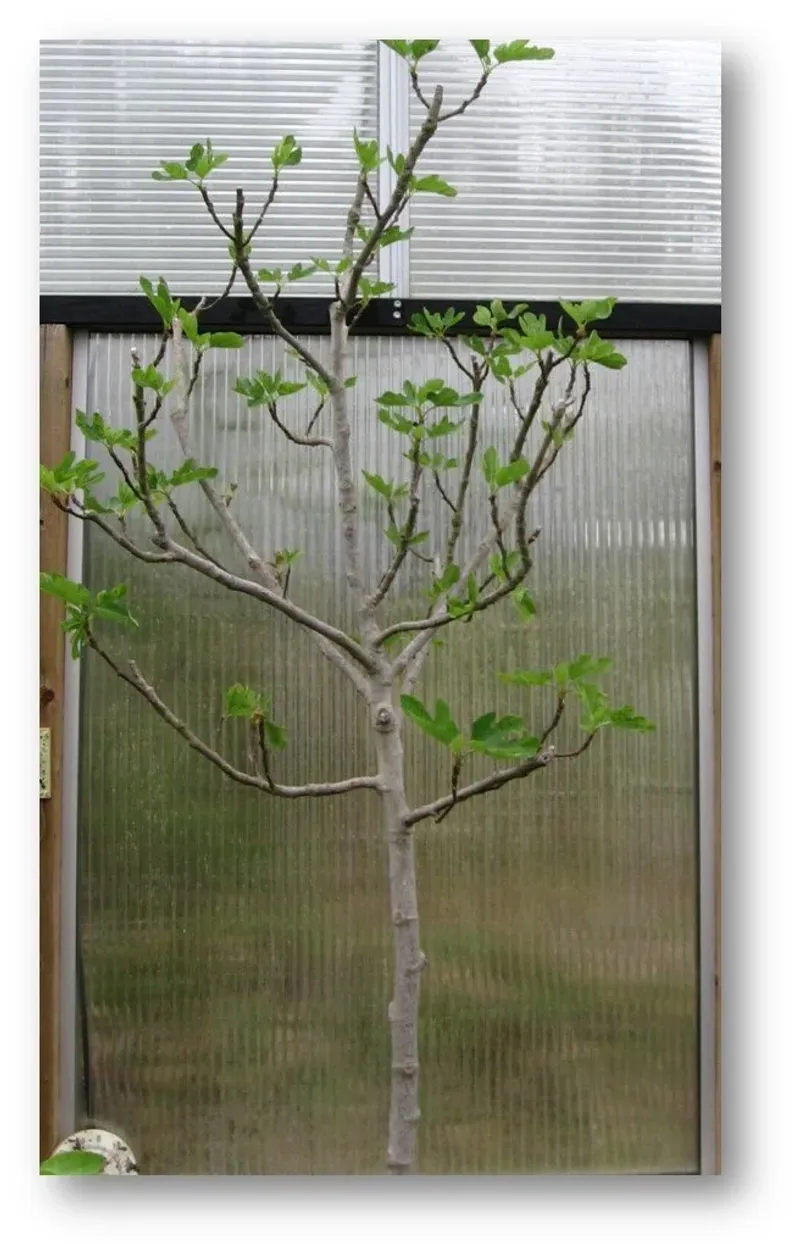
Pruning is a genuinely useful tool for managing a fig’s above-ground size, but it has a hard limit: it does not shrink the root system. Late-winter pruning, done just before new growth begins, lets you remove dead wood, cut back suckers, and reduce height so the canopy stays at a workable scale.
NC State Extension recommends this late-winter timing to clean up the plant and keep it productive without sacrificing a full season of growth.
What pruning cannot do is resolve conflicts happening underground. Roots that have grown toward a sewer line, spread beneath a patio, or extended into a confined foundation bed will continue doing so regardless of how aggressively you cut the top.
Reducing shoot growth may even redirect the plant’s energy downward in some conditions. If a fig is already planted too close to a septic drain field, a leaking clay pipe, or a drainage channel, canopy management alone is not a solution to the underground conflict.
When space is genuinely tight, a container is a more honest answer than a pruning schedule. Virginia Cooperative Extension’s backyard fig guide identifies container production as a practical option where ground space is limited, provided the container has good drainage and the plant receives consistent irrigation.
Large container figs may need water daily or even more often during hot stretches in July and August, so be realistic about that commitment before choosing this route.
For a fig already established near the house, the right call depends on what is actually happening, not on worst-case assumptions. Look for real evidence of conflict: lifted hardscape, slow drainage, visible root intrusion into a pipe cleanout, or documented foundation symptoms.
An established fig with no active problems and adequate clearance for maintenance may simply need annual pruning and monitoring rather than emergency removal. When fig latex contacts skin during pruning or harvesting, wear gloves; the milky sap contains ficin, which can irritate sensitive skin.
Treat foundation risk as a site question, not a guaranteed outcome
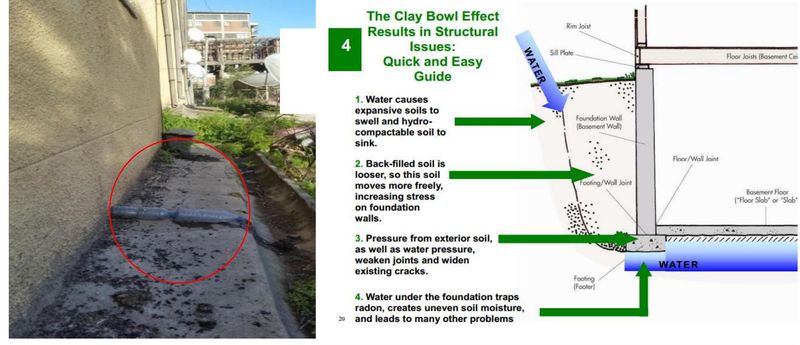
Not every North Carolina yard carries the same risk from a nearby fig. Certain conditions raise the stakes considerably. Parts of the state have expansive clay soils that shrink when roots pull moisture from the ground during dry periods.
NC State engineering research on structures built on swelling soils confirms that root-driven moisture extraction can contribute to foundation movement in expansive clay, though this risk does not apply equally to every property in the state.
Other vulnerability factors include pre-existing foundation cracks, leaking or deteriorating sewer lines, poor surface drainage, shallow footings, and signs of past settlement. University of Illinois Extension notes that roots are more likely to worsen an existing problem than to create a new one in sound construction.
A house with no prior symptoms and a solid, properly drained foundation presents a very different picture from one that already shows stair-step cracks in the brick or persistent water infiltration in the crawl space.
Alabama Cooperative Extension’s position remains the clearest summary: fig roots generally do not damage masonry foundations under ordinary conditions. The concern worth taking seriously is the cluster of infrastructure, hardscape, drainage, and maintenance conflicts that a too-close planting creates over time, not an inevitable countdown to structural failure.
The practical decision rule stays the same regardless of site: measure from the house using the fig’s eventual form, allow roughly 10 feet for a maintained bush and 15 to 20 feet for a tree-form or vigorous plant, and add extra clearance near sensitive infrastructure. UF/IFAS site-analysis guidance reinforces that mature canopy size, not nursery size, should drive the spacing decision.
If a building already shows structural symptoms, a licensed structural engineer is the right evaluator. The real spacing mistake is a planning failure; the title’s promise of inevitable wreckage within a few years is a separate claim the evidence does not support.