
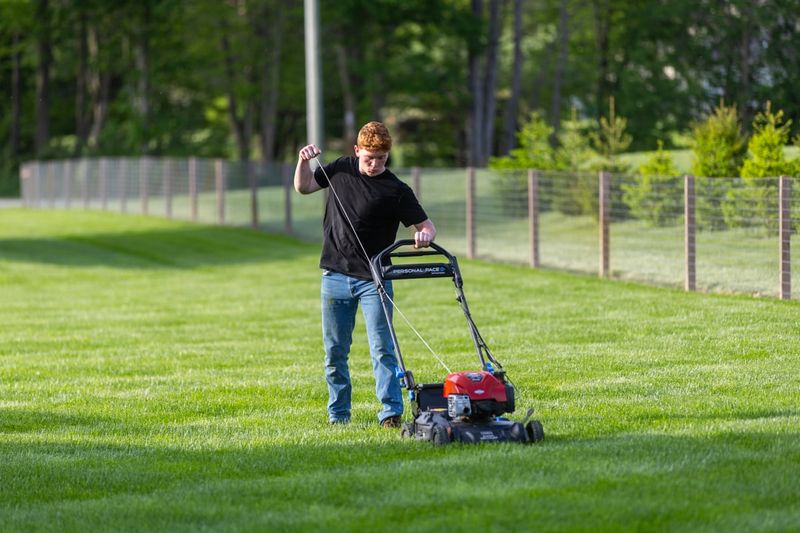
Crabgrass shows up every summer like an uninvited guest, and most homeowners blame themselves for not mowing correctly. The truth is more complicated: mowing height is one piece of the puzzle, not the whole answer.
Knowing your specific grass type and how to mow it well can make your lawn more competitive, but it takes a combination of good habits to really push crabgrass back.
Short mowing can make turf less competitive
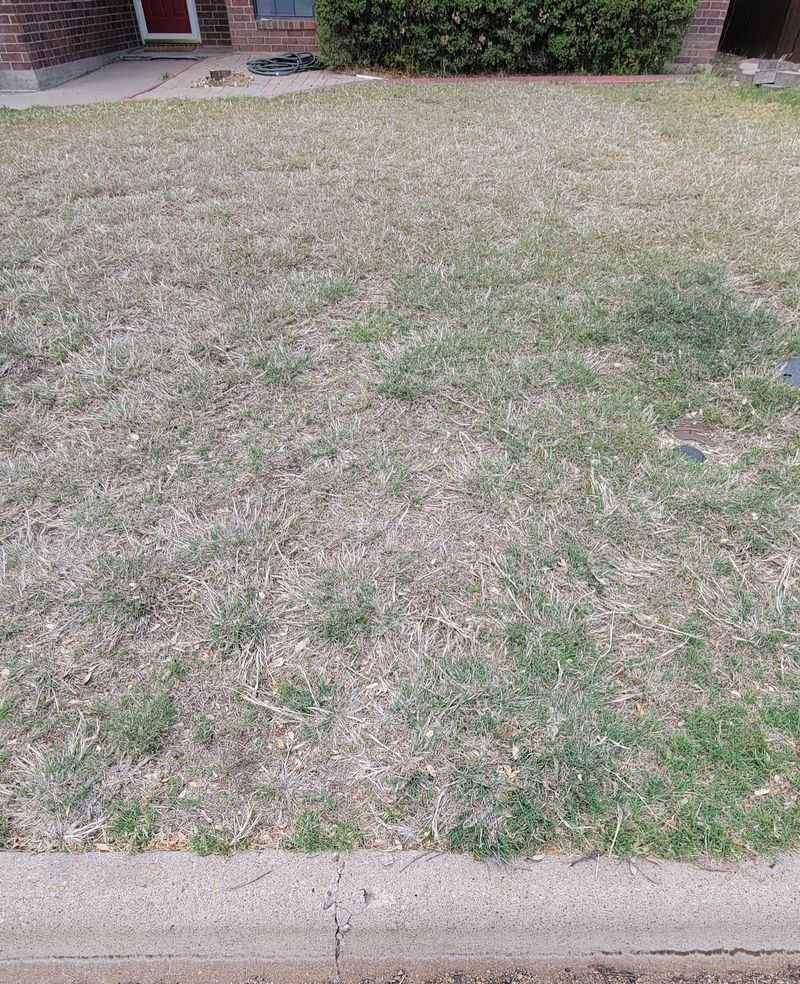
Crabgrass rarely takes over a thick, healthy lawn on its own. According to UC IPM’s crabgrass guidance, this warm-season annual commonly establishes where desirable turf is thin, stressed, or where bare soil is exposed to sunlight.
When the canopy opens up, crabgrass seeds waiting in the soil get the light and warmth they need to germinate.
Mowing too short is one way that opening gets created. Cutting the grass lower than its recommended range weakens the root system, thins the leaf canopy, and lets more sunlight reach the soil surface.
University of Maryland Extension notes that maintaining a dense lawn and avoiding scalping are consistent recommendations for reducing crabgrass pressure.
That said, short mowing is not the only way soil ends up exposed. Drought stress, compaction, shade, poor fertility, overwatering, and the sheer size of the crabgrass seedbank already in the soil all play roles.
Mowing is one contributing factor, and correcting it helps, but a lawn struggling with compaction or chronic drought stress will keep showing crabgrass no matter how carefully the mower height is set.
Identify the grass before changing the mower
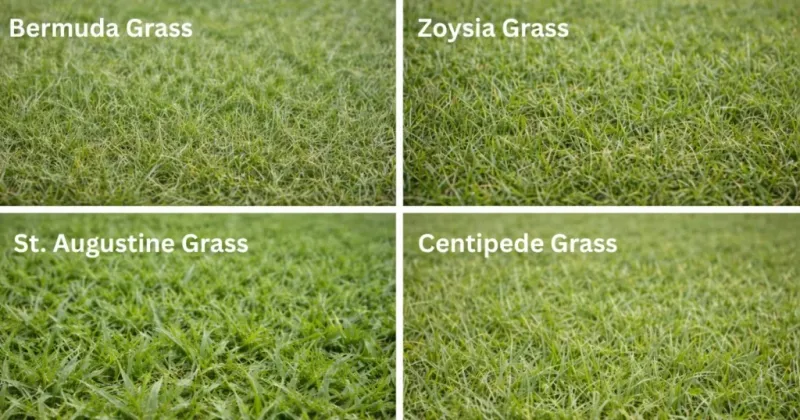
Before adjusting anything on the mower, the most useful first step is knowing exactly which grass is growing in the lawn. St. Augustinegrass, bermudagrass, centipedegrass, and zoysiagrass all have different recommended mowing ranges, and a height that helps one species can work against another.
Setting the mower based on the wrong grass type can weaken the very turf a homeowner is trying to protect.
According to UF/IFAS guidance on mowing Florida lawns, each turfgrass species has its own operating range, and factors like cultivar, shade, soil type, irrigation practices, and local weather conditions can all affect where within that range a lawn performs best. A St. Augustine lawn growing in partial shade, for example, may perform differently than one in full sun, even in the same neighborhood.
The goal here is not to find a universal crabgrass setting. The goal is to keep the desirable grass growing as densely and healthily as possible within the range that suits it.
A dense canopy shades the soil, competes with crabgrass seedlings for light and resources, and reduces the bare patches where new plants get started. Grass identification is the foundation that makes every other mowing decision more accurate.
Choose the upper end of your grass’s recommended range
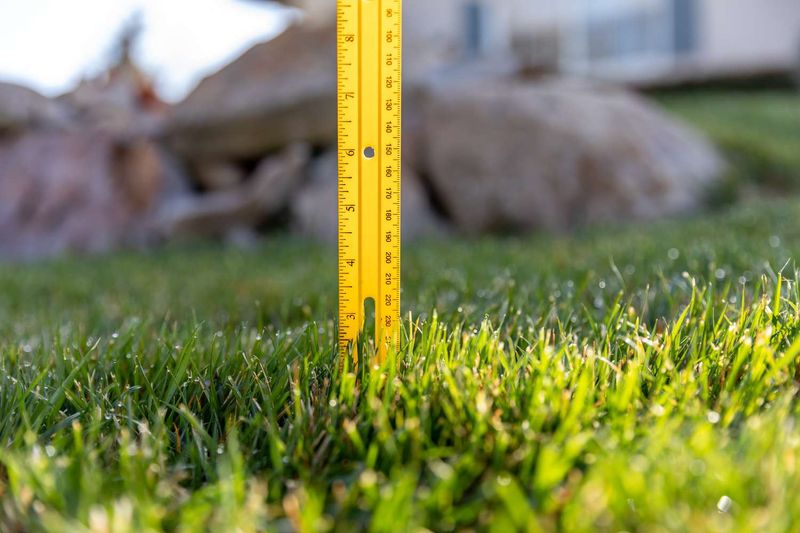
Once the grass type is confirmed, the practical target is the upper end of that species’ recommended mowing range, not the absolute highest the mower will go. Raising the mower beyond the appropriate range for the turf can create its own problems, including poor appearance, thatch buildup, or conditions that favor other weeds.
The right target is species-specific and condition-specific.
Using UF/IFAS mowing recommendations for Florida lawns as a reference, approximate ranges for common Southern grasses look like this. St. Augustinegrass is generally maintained around 2.5 to 4 inches in Florida, though some Georgia and Texas guidance places common St. Augustine cultivars closer to 2 to 3 inches depending on conditions and cultivar.
Ordinary home bermudagrass lawns typically fall in the 1 to 2 inch range, with intensively managed or hybrid varieties sometimes maintained lower. Centipedegrass is commonly recommended at about 1.5 to 2 inches in Florida and roughly 1 to 2 inches in Georgia.
Coarse-textured zoysiagrass in Florida is often maintained around 2 to 2.5 inches, while broader regional recommendations for zoysiagrass can range from about 1 to 2 inches.
These ranges reflect the growth habits of each species and the conditions they are adapted to. A bermudagrass homeowner in Texas and a St. Augustine homeowner in central Florida are not working with the same grass or the same climate, so a single number cannot serve both lawns.
The accurate takeaway is to mow high for the specific grass in the specific yard, using local extension guidance as the reference point rather than a one-size number.
Apply the one-third rule every time you mow
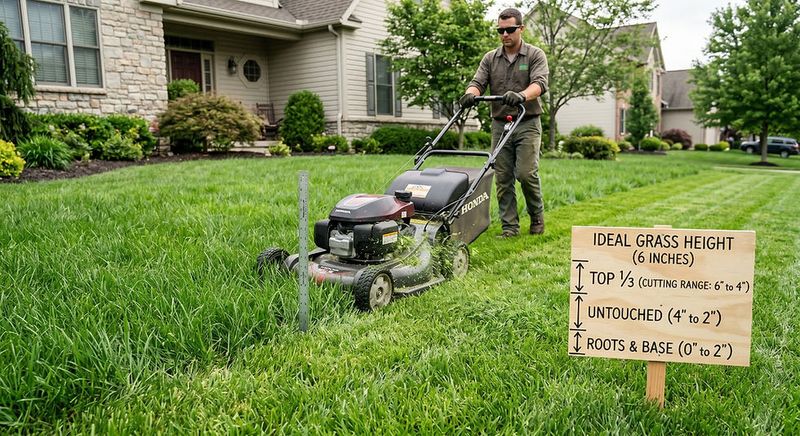
Picking the right height is only half the job. Mowing frequency matters just as much, and the one-third rule is the clearest guide available: remove no more than one-third of the leaf blade in a single mowing session.
Cutting off more than that at once stresses the grass, reduces photosynthetic area too quickly, and can set the turf back in ways that take weeks to recover from.
In practical terms, this means mowing more often during fast-growth periods rather than waiting for the lawn to get tall and then cutting it back hard. UF/IFAS mowing guidance supports following growth rate rather than a fixed calendar schedule, since warm-season grasses can grow quickly during peak summer and slow considerably in cooler months.
If the lawn gets away from the schedule and grows too tall, lower it gradually over two or three mowing sessions rather than taking it all the way down in one pass.
Blade sharpness is part of this too. Dull mower blades tear the grass rather than cutting it cleanly, leaving ragged edges that increase moisture loss and make the turf more vulnerable to stress and disease.
Sharpening blades at least once a season, and more often on large or heavily used lawns, helps each cut do less damage. Additionally, Georgia Cooperative Extension lawn care guidance recommends raising the mower by about one-half inch during periods of hot weather, as long as that adjustment stays within the turf’s recommended range, to help the grass handle heat stress without thinning the canopy.
Mowing limits new pressure but will not eradicate mature crabgrass
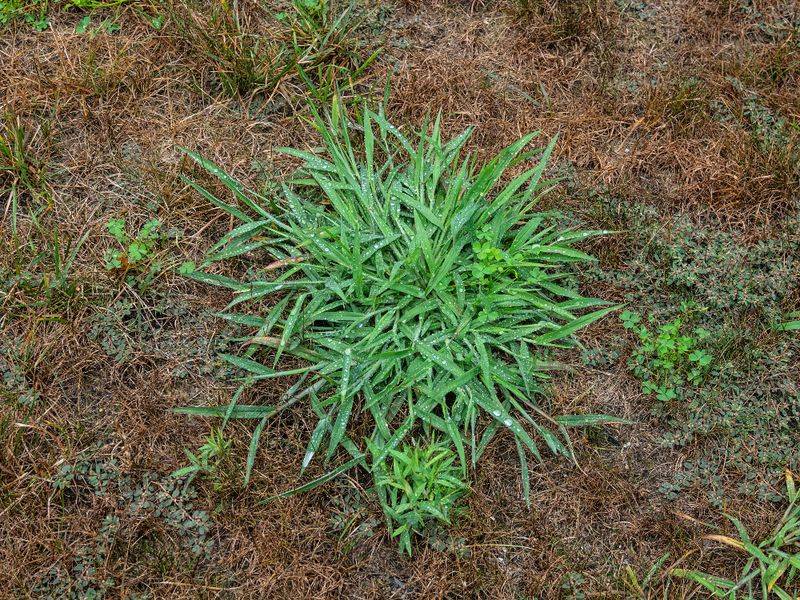
A denser turf canopy created by proper mowing can reduce the chances of new crabgrass seedlings getting established, and mowing before crabgrass produces seedheads may slow the addition of new seeds to the soil. Those are real benefits, but they have clear limits that are worth understanding before expecting mowing alone to solve a crabgrass problem.
Crabgrass grows low and spreads outward, and University of Georgia Extension’s crabgrass resource points out that established plants can continue growing and producing seed even when mowed regularly. The plant’s low-growing habit lets it duck under a mower blade and keep developing.
Scalping the lawn to try to cut crabgrass down further is counterproductive because it damages the desirable turf far more than it harms the crabgrass.
Penn State Extension’s turfgrass weed resource notes that crabgrass can produce seed at extremely low mowing heights, sometimes as low as one-quarter inch. That means mowing is not a reliable method for starving an established plant of its ability to reproduce.
Mowing at the right height helps build a lawn that is harder for new crabgrass to invade, but it does not clear out plants that are already growing and rooted. Addressing those requires a different set of tools.
Repair the conditions that leave soil exposed
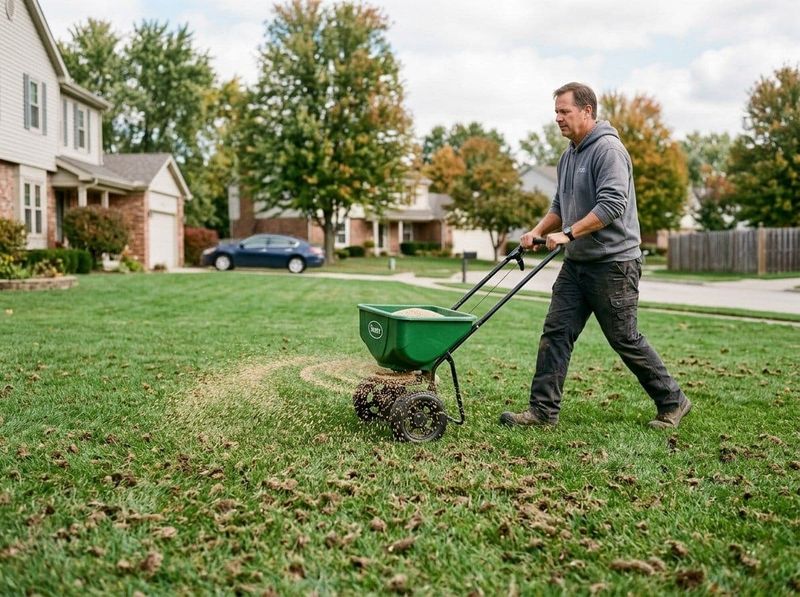
Recurring crabgrass is often a signal that something broader is off in the lawn’s growing conditions. Bare patches, compacted soil, shallow watering habits, and turf stress from heat or shade all reduce the lawn’s ability to stay dense, and a lawn that cannot stay dense will keep offering crabgrass the bare soil it needs to get started each spring.
Addressing compaction through core aeration, overseeding or sprigging thin areas with appropriate warm-season grass, and correcting drainage or shade problems can all help close the gaps that crabgrass exploits. UC IPM’s crabgrass management guidance identifies dense turf as one of the most consistent factors in reducing crabgrass establishment, and repairing thin areas is a direct way to improve that density.
Irrigation habits also matter. UGA Extension’s crabgrass resource notes that frequent, shallow watering can encourage shallow root development and create surface conditions that favor crabgrass germination.
Watering deeply and less often, adjusted for turf type, soil conditions, local rainfall, and any applicable water restrictions, generally supports deeper root growth and a more resilient turf. As a separate but related step, cleaning the mower deck and undercarriage after mowing through heavily infested areas can reduce the chance of carrying crabgrass seed from one part of the lawn to another, according to Texas A&M AgriLife Extension’s bermudagrass lawn calendar.
It is a limited measure, not a crabgrass solution, but it makes sense when moving between infested and uninfested areas.
Use prevention before crabgrass germinates
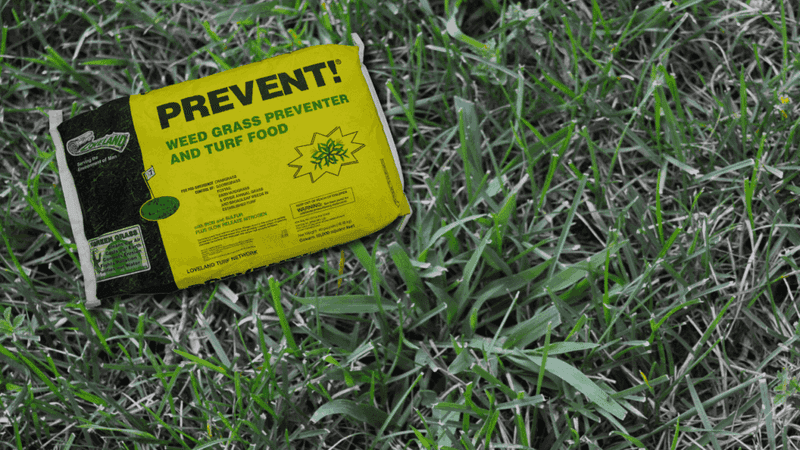
When crabgrass comes back in the same spots year after year despite good mowing and cultural practices, preemergence herbicides are generally the most reliable next step. These products work by preventing crabgrass seeds from successfully germinating.
They do not kill existing plants, and they will not fix a crabgrass problem that is already visible and growing.
Timing the application correctly is essential. UF/IFAS’s Weed Management Guide for Florida Lawns explains that preemergence products must be applied before germination begins, to turfgrass and sites listed on the product label, at the rate and method the label specifies.
UF/IFAS lawn weed calendar guidance gives approximate Florida application windows of around February 1 in south Florida, February 15 in central Florida, and March 1 in north Florida, though weather and soil conditions can shift those dates in any given year.
Texas homeowners often use soil temperature as a more reliable trigger. Texas A&M AgriLife Extension’s St. Augustine lawn calendar points to soil temperatures approaching 55 degrees Fahrenheit for four to five consecutive days as a common indicator for summer annual weed preemergence timing.
Texas A&M’s homeowner crabgrass germination guidance also warns that some preemergence products can interfere with new seed, sod, or sprig establishment, so homeowners planning to renovate or fill in bare spots should check the label carefully and consult local extension guidance before applying.
Herbicide tolerance varies among turf species, and some products that are safe on bermudagrass may damage centipedegrass or St. Augustine. Applications during heat or moisture stress can also increase the risk of turf injury.
Always read and follow the product label completely, use any required protective equipment, prevent drift onto non-target plants, and observe the labeled reentry interval before allowing children or pets back onto treated areas. Crabgrass seed can remain viable in the soil for years, so even a well-timed preemergence application is best understood as one layer of an ongoing management program rather than a one-time fix.
Build a denser lawn instead of chasing a magic height
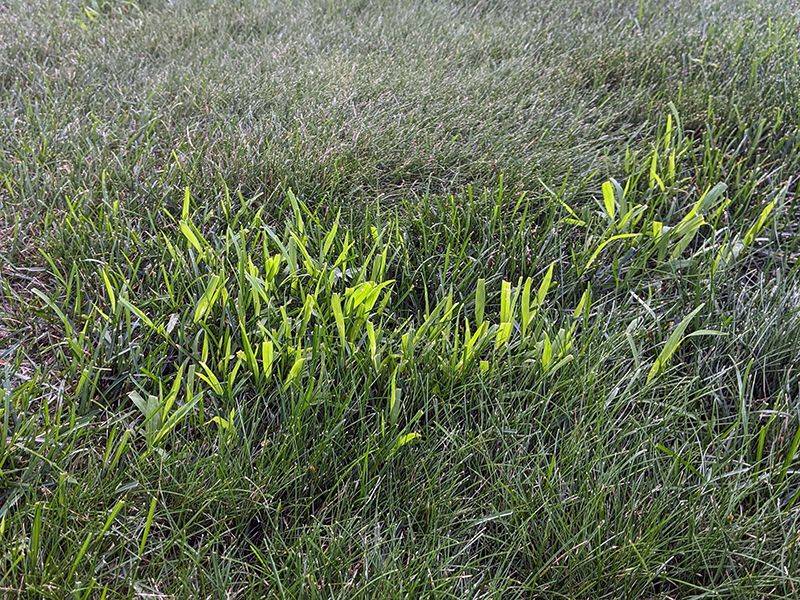
Pulling all of this together, the path forward starts with identifying the grass species in the lawn and then mowing consistently at the upper end of that species’ recommended range, using UF/IFAS mowing guidance or the equivalent resource for the local region. From there, the one-third rule keeps each mowing session from setting the turf back, sharp blades keep each cut clean, and raising the height slightly during peak summer heat helps the grass stay dense when stress is highest.
Thin or bare areas deserve direct attention through aeration, topdressing, or replanting with the appropriate grass, since those spots are where crabgrass will keep returning regardless of mowing height. When crabgrass has a history of recurring in the same lawn, a well-timed preemergence application adds a prevention layer that cultural practices alone may not provide.
As UC IPM’s crabgrass guidance makes clear, combining a dense, competitive turf with timely prevention gives a homeowner the most reliable foundation for reducing crabgrass pressure over time.
No single mowing height eliminates crabgrass from a Southern lawn. What species-specific mowing does is give the desirable grass its best chance to outcompete what is trying to move in.