
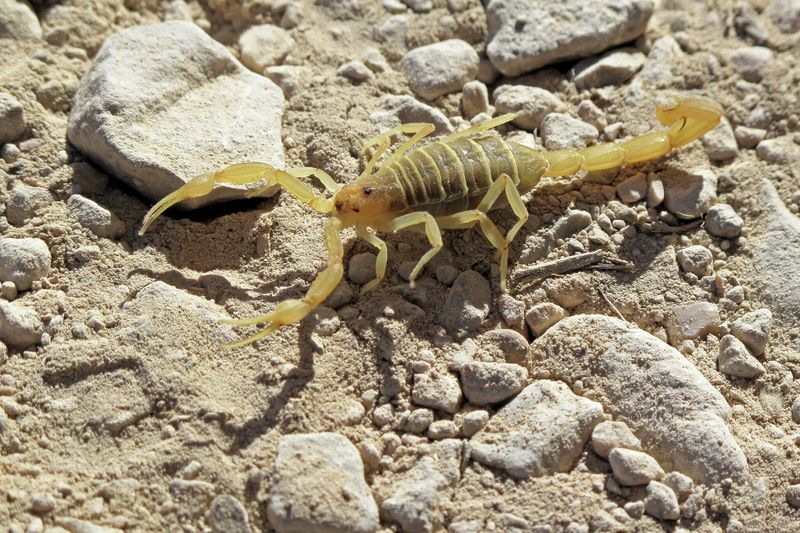
Central Texas yards are full of cozy spots where a scorpion could tuck away for the day. Rocks, boards, and old leaves all make good cover.
But a pile of wood is not proof that a scorpion lives there. Here is how to tell the difference between a hiding place and a real sighting, and what to do near your house.
What yard clues can—and cannot—tell you
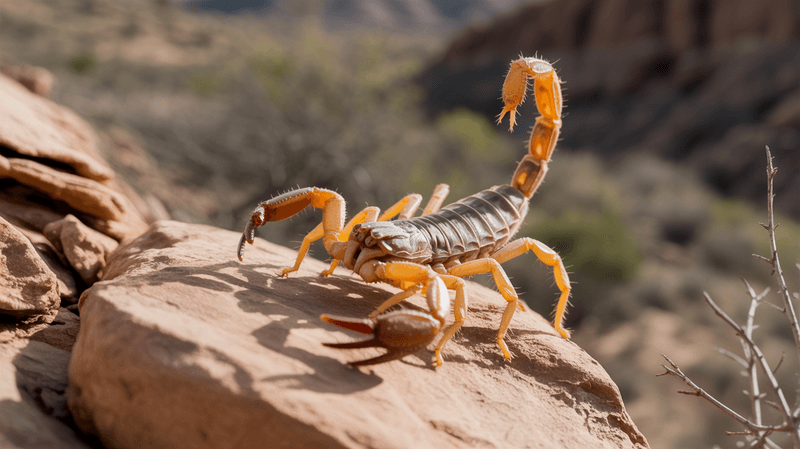
Yard features can give scorpions places to hide, but that is very different from a forecast. Texas A&M AgriLife Extension says the striped bark scorpion, common across Texas, hides under rocks, boards, debris, and dead vegetation.
It can also climb walls and enter homes.
The sources reviewed for this article do not describe a proven warning sign that shows up weeks before a scorpion turns up indoors. They also do not give a timeline linking yard conditions to a later sighting.
So a mulch bed or a stack of boards is a reason to look more carefully, not a countdown.
The striped bark scorpion matters here because it is one of the two species found in Central Texas, according to Texas Parks and Wildlife Magazine. It uses many kinds of habitat, from leaf litter and shrubs to woodpiles and rocky areas.
Keep two ideas separate as you read on. A possible hiding place is a spot where a scorpion could shelter.
Confirmed presence means someone actually saw one. Only the second tells you a scorpion was there.
Where scorpions may hide in a Central Texas yard
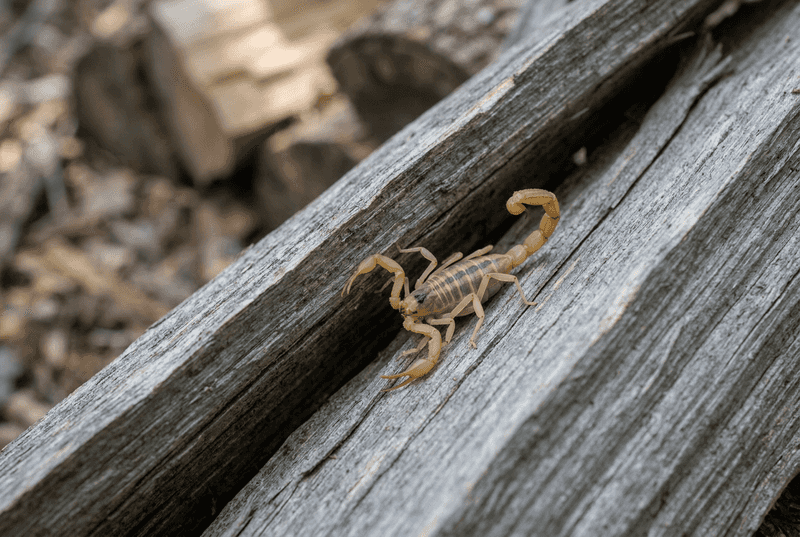
Walk your yard in daylight and look for cover. Flat rocks, loose boards, bark, woodpiles, general debris, and dead vegetation all fit the pattern described by Texas A&M.
In a typical Central Texas lot, that can mean edging stones along a bed, a stack of leftover lumber by the shed, or a heap of trimmed branches.
Leaf litter, trees, shrubs, and grasses also count as habitat, based on the Texas Parks and Wildlife Magazine overview. The Texas A&M field guide describes scorpions as creatures that shelter under objects during the day.
That is why the spots above make sense as hiding places.
Notice the wording, though. These are places a scorpion could hide.
They are not proof that one is there, and they do not show that numbers are going up.
Also skip the word nest. Alabama Cooperative Extension notes that scorpions do not build nests.
A woodpile or rock garden is better described as shelter, not a colony.
Likewise, seeing plenty of insects in your beds does not tell you how many scorpions are around. The sources reviewed do not connect the two.
What a cautious nighttime check can confirm
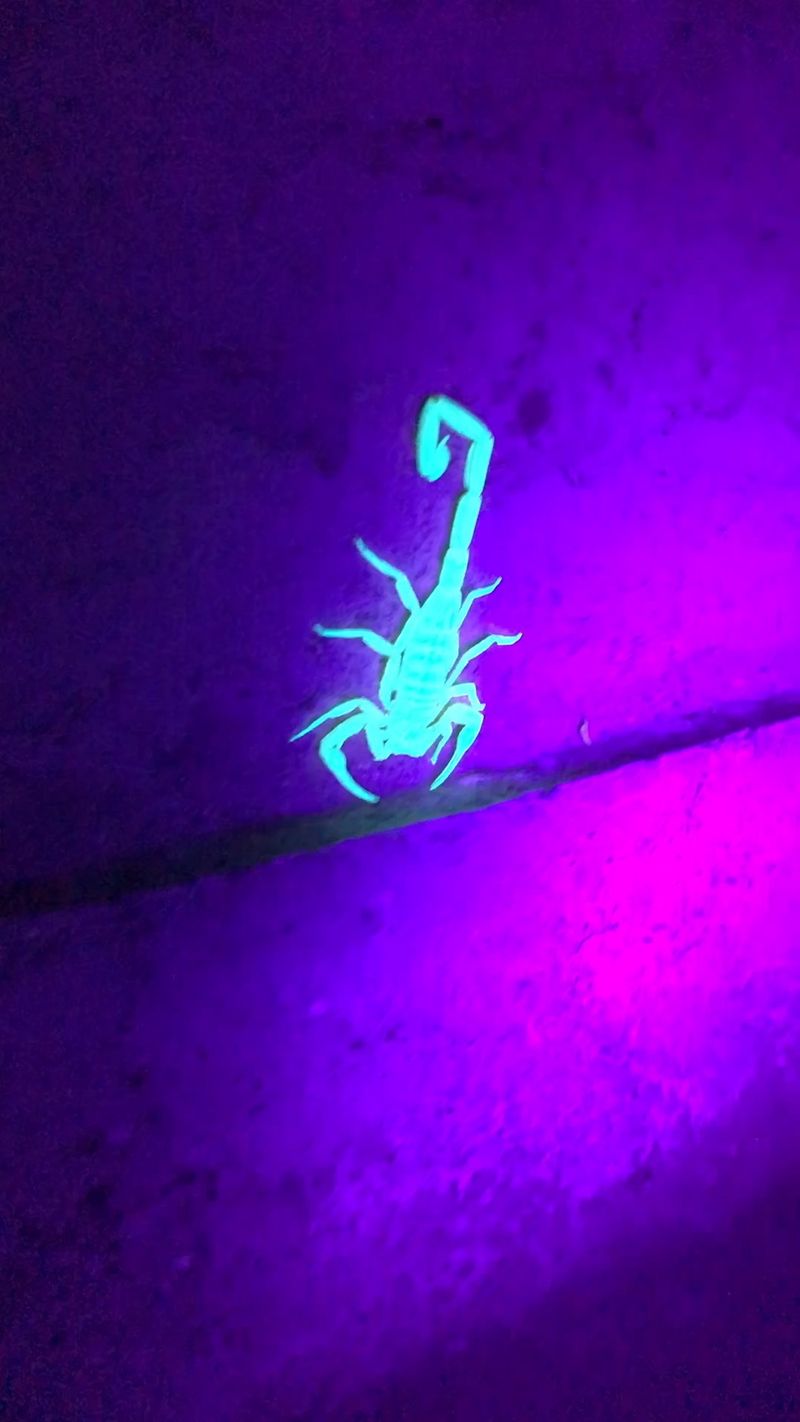
Scorpions are nocturnal, so night is when they are out and about. Finding one under cover or walking across the ground on an evening check tells you far more than a mulch bed ever could.
A sighting confirms that at least one scorpion was there.
A UV flashlight can help. Scorpions glow under ultraviolet light, a trait described by Texas Parks and Wildlife Magazine, and the Texas A&M field guide also points to nighttime activity.
Sweep the beam low along foundations, fences, and the edges of beds.
Do not look directly into the UV light, and keep it aimed at the ground. University of Arizona Cooperative Extension offers similar practical advice about UV searching.
Read the results carefully. One search that finds a scorpion shows presence.
One search that finds none does not prove the yard is clear. And a single check cannot tell you how many scorpions live nearby or whether numbers are rising.
Wear closed shoes, keep your hands out of tight spots, and do not touch anything you find.
Reduce shelter near the house without stripping the yard
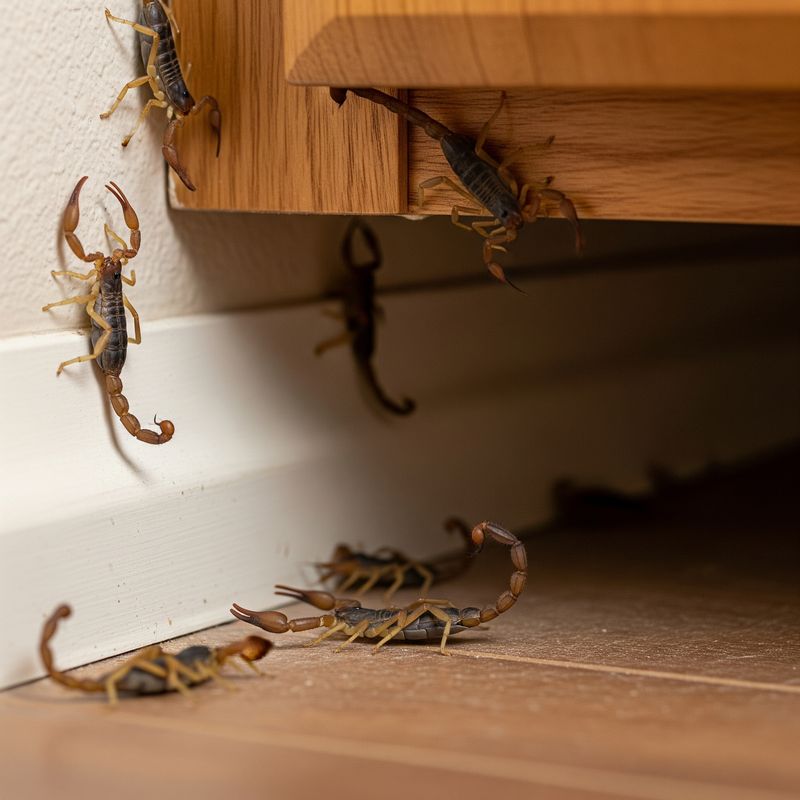
You do not need to tear out your garden. Texas A&M’s advice, from its scorpion fact sheet, focuses on changing the area right around a building.
Start along the foundation and work outward.
Clear loose debris and unneeded rock or wood piles near the walls. If you burn wood, stack it away from the house and up off the ground.
Prune shrubs and vines so they do not touch the structure, since scorpions can climb.
Mulch beds farther from the house can stay. A bed full of native perennials fifteen feet from the back door is a different situation from a thick pile of bark against the siding.
Put on gloves before you move boards, stones, or firewood, and never pick up a scorpion by hand. Poison Control gives similar cautions about handling them.
These steps cut down on shelter close to the house. They will not wipe out scorpions, and they cannot promise a scorpion-free yard.
If you consider pesticides, follow the product label closely. Texas A&M sources disagree on how well they work, and a campus pest guide says pesticides alone are ineffective, so lean on habitat changes first.
Seal possible routes into the home
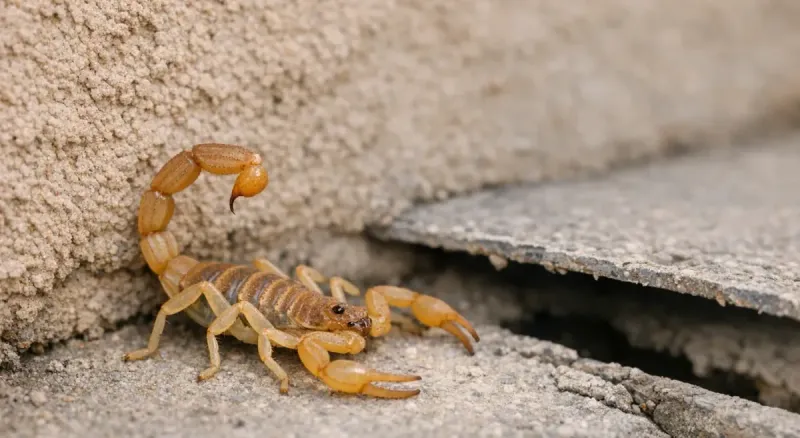
Yard cleanup is one job. Closing the house is another.
Even a tidy yard will not help much if there are open gaps where a scorpion can slip inside.
Texas A&M’s fact sheet supports sealing entry points. Walk the outside of your home and check around doors, windows, pipes, and eaves.
Fill cracks and gaps with a suitable sealant.
Repair torn screens and add or replace door sweeps so no daylight shows under exterior doors. Try the flashlight trick at night: shine a light from inside and look for beams leaking out along the door bottom.
Sealing addresses possible entry routes, but it does not guarantee that nothing gets in.
Be careful when you handle the mess you uncover. Wear gloves when moving debris or firewood, as Alabama Cooperative Extension and Poison Control both suggest.
If you find a scorpion inside, do not reach for it. Use a cautious removal method, such as a long-handled tool and a jar, or call a professional.
What to do after a sting

If a scorpion stings someone, stay calm and start with the basics. Wash the area with soap and water.
Then call Poison Control at 1-800-222-1222 for guidance on what to do next.
Poison Control can talk you through symptoms and tell you whether you can manage things at home. The call is a good idea even when the sting seems minor, especially for a child.
Get emergency help right away for serious or body-wide symptoms. Trouble breathing or swallowing is a clear sign to call 911 or go to an emergency room.
Texas keeps track of exposures through the Texas Poison Center Network, which is one more reason to reach out to your local poison center.
Save the number in your phone today so you are not searching for it later.
Treat possible shelter as a reason to check, not a forecast
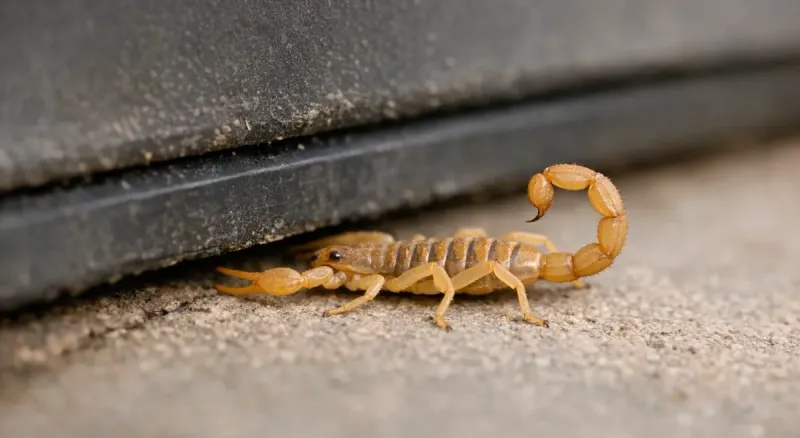
Rocks, boards, and debris may give scorpions a place to hide, but the Texas A&M guidance does not turn them into a reliable forecast of an indoor sighting. A good next step is simple: check near the house with gloves and care, then tidy that zone and seal gaps.
Your garden can stay. The hiding spots closest to your walls are the ones worth your time.