
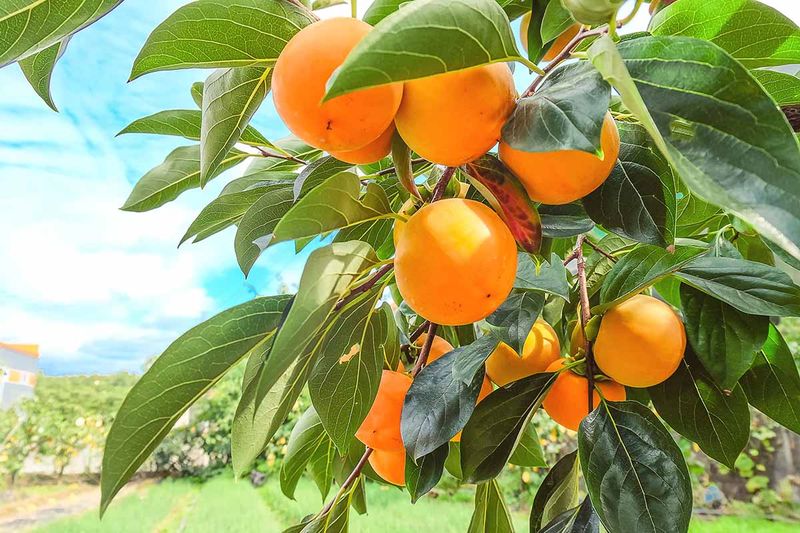
Some fruit trees demand constant spraying, pruning, and worry. A Japanese persimmon asks for much less once it settles in, and its orange fruit looks great in an edible yard.
In North and Central Florida, October can be a smart time to plant one, because roots get a head start before spring growth. South Florida gardeners have a different calendar, so read on to find out which timing fits you.
A Japanese persimmon fits the edible-yard promise
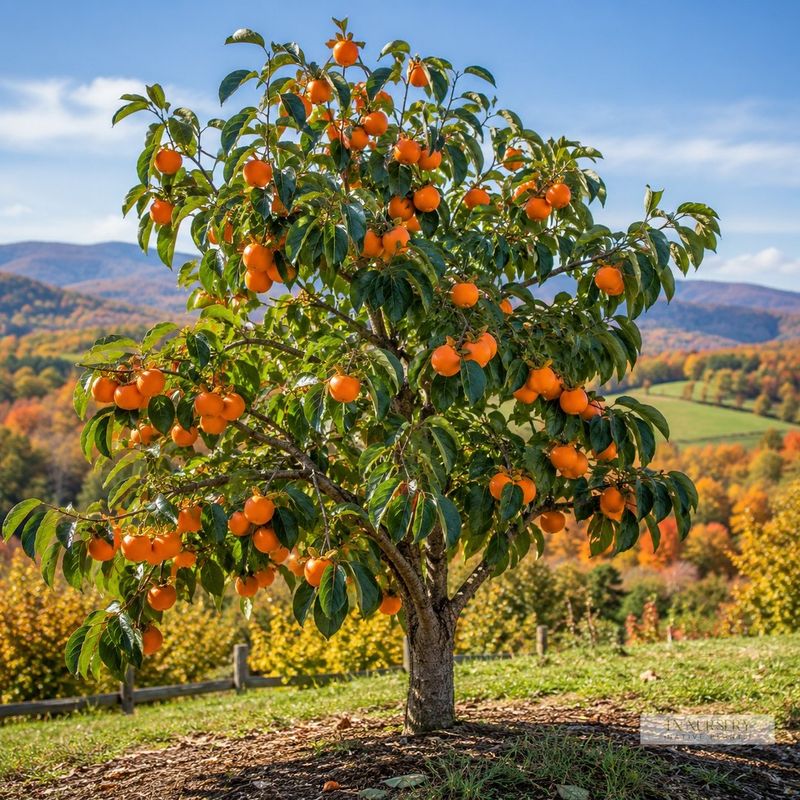
Picture a compact tree with glossy leaves, bright orange fruit, and a shape that fits a home landscape. That is a Japanese persimmon.
UF/IFAS describes it as a small-to-medium tree that does well in full sun and well-drained soil, which makes it a practical pick for many Florida yards.
Another point in its favor is feeding. In suitable soils, fertilizer is often unnecessary, so you may skip a lot of the routine that other fruit trees demand.
Fewer chores is a real payoff for busy gardeners.
Now for an honest definition of low-effort. Here it means comparatively undemanding after the tree is established.
It does not mean effortless, and it does not mean guaranteed fruit. A new tree needs careful siting, correct planting, and regular watering while its roots spread.
Later, you may need to thin fruit and keep an eye out for disease.
Cultivar choice matters too. UF/IFAS publishes guidance on Japanese persimmon cultivars in Florida, and it is worth reading before you shop.
Some types are eaten firm, while others must soften first, so the variety you buy changes how you enjoy the harvest.
The sections ahead walk through the steps in order. You will see how to judge timing for your region, pick a cultivar, choose a site, set the tree at the right depth, water and mulch it, and handle crop care.
Follow them and you give the tree a fair chance, though no article can promise a crop.
Is October right for your part of Florida?
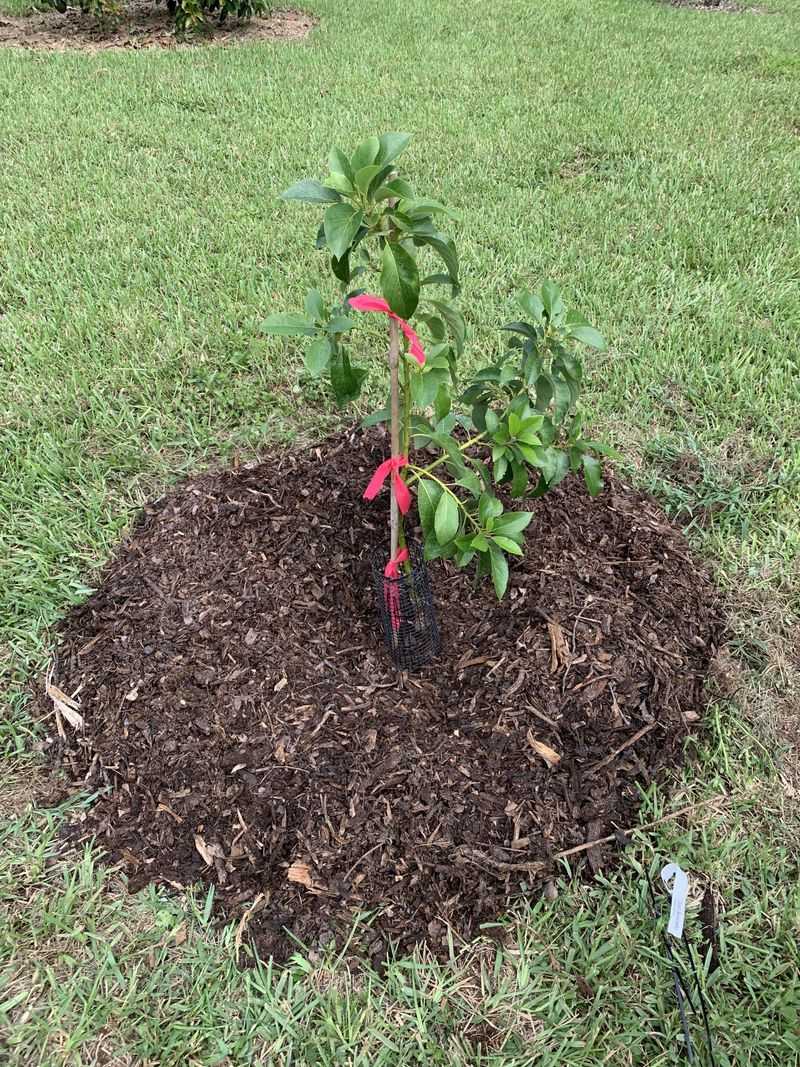
Florida is not one planting zone, so the calendar depends on where you live. In North and Central Florida, fall is a good moment to plant.
UF/IFAS recommends fall and winter planting for fruit trees, including persimmon, because a tree planted while dormant has time to grow roots before spring growth begins.
There is a second benefit. A UF/IFAS Duval County article notes that fall planting can help trees get ready for spring drought and summer heat.
Think of it as a head start, not a finish line. How quickly a tree settles in still depends on its size, rainfall, soil, drainage, irrigation, and how well it was planted.
South Florida runs on a different schedule. UF/IFAS Miami-Dade Extension says the rainy season, which generally runs from late May to late October, is the preferred planting period when gardeners have a choice.
By October that window is nearly closed, so October is late there rather than ideal.
If you garden in the Keys, Miami, or the southern coasts, check with your county Extension office for timing that fits local conditions. In the northern and central parts of the state, October planting can make good sense, as long as you are ready to water the young tree through dry spells.
‘Fuyu’ is a Florida-adapted choice, not a statewide guarantee
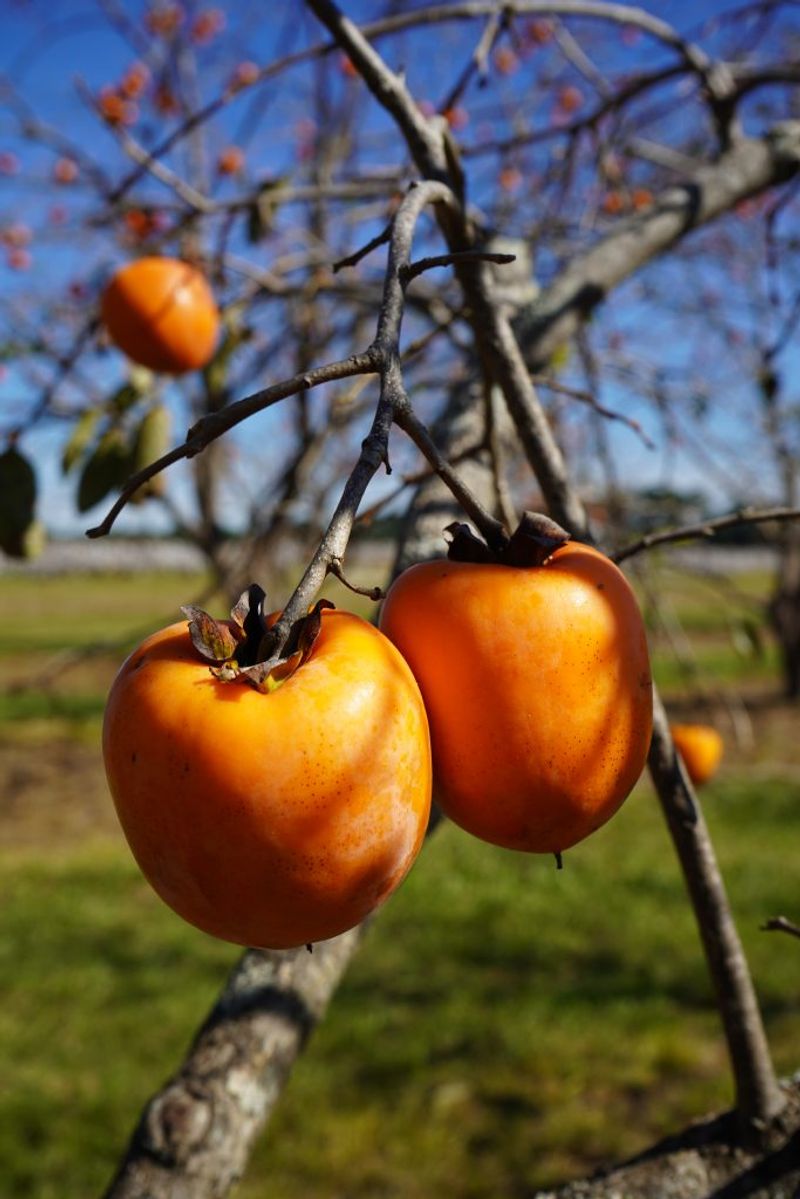
Among Japanese persimmons, ‘Fuyu’ is a cultivar worth a look. UF/IFAS describes it as Florida’s most popular nonastringent cultivar and says it is generally well adapted.
Nonastringent means the fruit lacks the mouth-puckering bite of other types.
That leads to a handy eating tip. Fuyu fruit can be enjoyed while still firm, sliced like an apple.
Astringent types are different, because they must soften or be treated before the puckering effect fades. Not every persimmon has to go squishy before you eat it.
Even a popular cultivar is not a statewide promise. The UF/IFAS persimmon landscape guide is written for North-Central Florida, so confirm local suitability before you buy.
Ask your county Extension office or a trusted local nursery which cultivars perform well in your area.
Also be sure you are buying the right species. The native common persimmon is a different tree.
UF/IFAS notes it can reach about 60 feet tall and 35 feet wide, which suits larger, naturalized yards better than a small lot. Most of its cultivars also need both male and female trees to fruit properly.
Japanese persimmon stays much smaller, as the North-Central Florida edible landscape guide explains. Read the plant tag closely so you know which one is coming home.
Give the tree sun, drainage, and room to grow
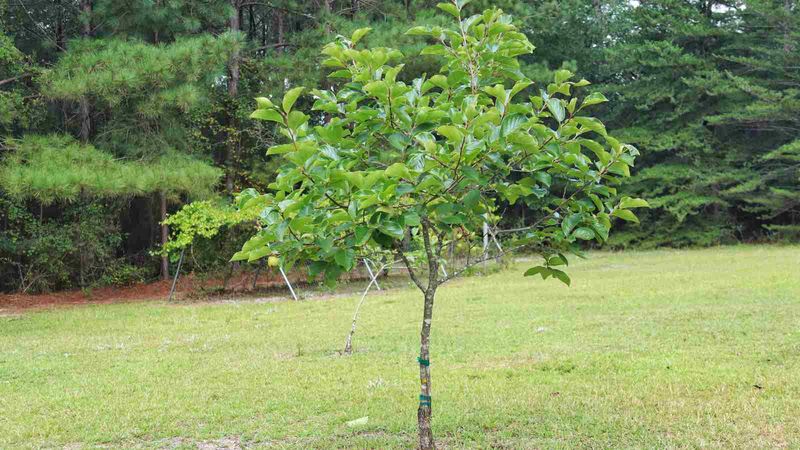
Walk your yard in the middle of the day and look for the sunniest spot. Japanese persimmon wants full sun and well-drained soil.
A low corner where water lingers after a summer storm is a poor choice, even if the light is perfect.
Next, think about size. UF/IFAS lists Japanese persimmons at roughly 10 to 20 feet tall and wide, though the exact size varies by cultivar.
UF/IFAS also advises keeping the tree at least 15 feet from building foundations. Measure from the wall, not just by eye, because a tiny nursery pot hides a much bigger future canopy.
Finally, picture autumn. Ripe fruit that drops can attract wildlife and make a sticky mess.
That is fine in a back border, but less welcome over a patio table, a walkway, or a parking spot. Choose a place where fallen fruit will not bother anyone, and where you can reach the branches for picking.
A quick checklist can help: six or more hours of sun, soil that drains after rain, plenty of space overhead and around the trunk, and a spot away from paths and gathering areas. A few minutes of planning now saves a lot of moving and trimming later.
Set the root flare at or just above ground level
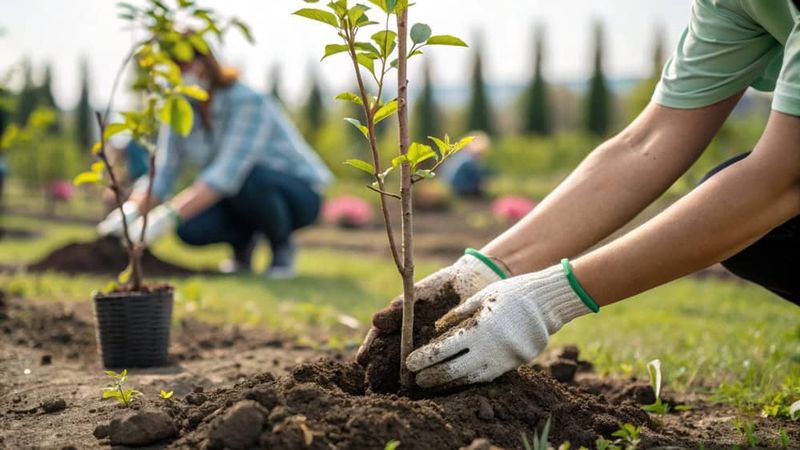
Depth is where many new trees go wrong. The goal is simple: the first lateral root, or the root flare where the trunk widens, should sit at or slightly above ground level.
Burying it can stress the trunk and slow the tree down.
Start by inspecting the root ball. UF/IFAS Miami-Dade guidance warns against planting a root-bound tree, meaning one with roots circling tightly inside the pot.
Check for that before you buy, and pass on any tree whose roots are badly wound.
Then fill the hole with the soil you dug out. UF/IFAS advises using native soil rather than packing the hole with amendments.
A rich pocket of potting mix can make roots reluctant to grow out into the surrounding yard soil.
One caution about sources. The same Miami-Dade article includes hole-digging instructions written for South Florida’s limestone soils.
Those details belong to that local setting, so do not treat them as a rule for sandy North and Central Florida yards. The depth guidance, though, applies almost anywhere: keep the flare visible, firm the soil gently, and skip deep planting.
Water and mulch while the roots establish
A new tree has a small root system, so it depends on you for moisture. UF/IFAS says newly planted landscape trees need regular irrigation.
Its general guidance is to water every other day as an establishment practice, and to expect roughly three to four months of establishment time for each inch of trunk caliper.
Treat that as a starting point, not a fixed rule. Rainfall, soil type, tree size, and local conditions all change how often your tree needs a drink.
Sandy soil dries fast, while heavier soil holds water longer. Check the soil a few inches down before you turn on the hose, and never leave the root ball saturated.
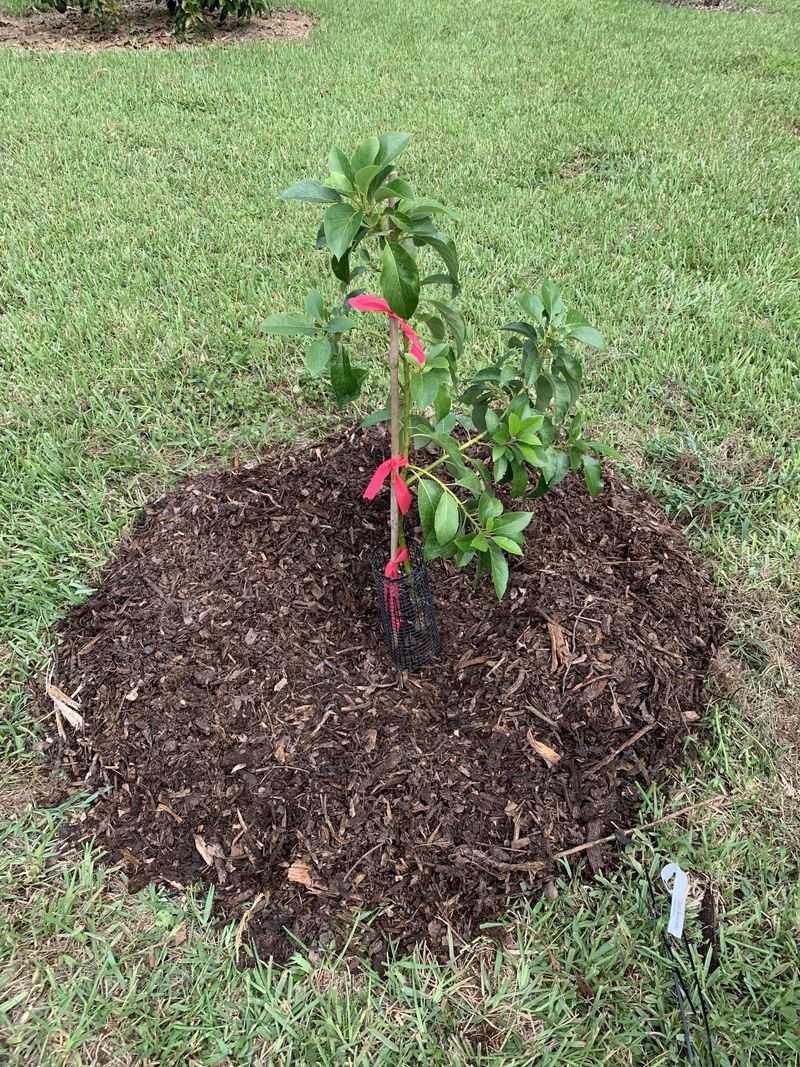
Mulch helps the soil hold moisture and keeps weeds down. The North-Central Florida edible landscape guide recommends a 2 to 3 inch layer of organic mulch, with at least 10 inches of clearance around the trunk.
Wood chips, pine bark, or shredded leaves all work.
Pull the mulch back from the trunk so it forms a wide donut rather than a volcano. Mulch piled against the bark stays damp and invites rot and pests.
As the months pass and the tree puts on growth, you can ease off the watering schedule, guided by rain and how the leaves look.
A forgiving tree still needs crop care
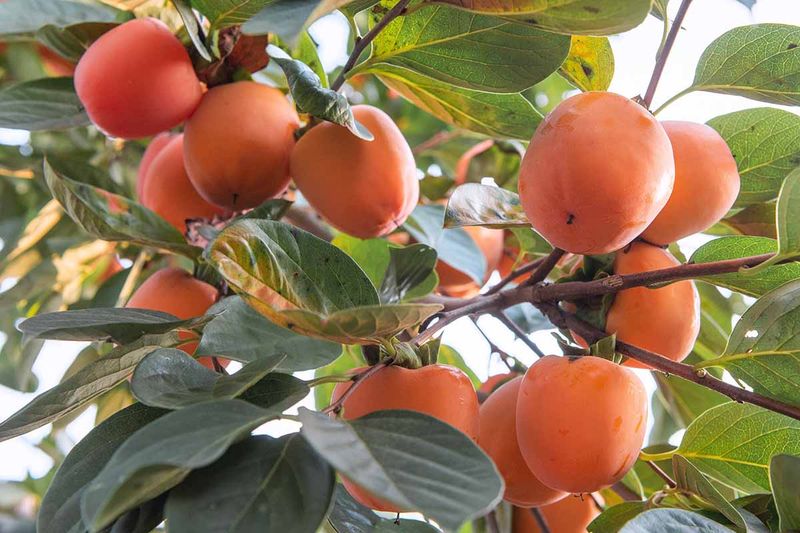
Once your persimmon is growing well, a few seasonal jobs remain. The biggest is fruit thinning.
UF/IFAS says ‘Fuyu’ often needs thinning to support fruit size and keep the crop load manageable. Removing some small fruit early lets the rest grow larger and helps protect branches.
Pollination adds a wrinkle. Japanese persimmons can set some fruit without pollination, so you do not need a second tree just to get started.
A pollinizer may improve yield, but more fruit can also mean more thinning to do.
Disease is the other reality. UF/IFAS identifies fungal diseases as a major limitation to persimmon production in Florida.
Walk by the tree often and look for spotted leaves, blemished fruit, or early leaf drop. Catching a problem early gives you more options, and your county Extension office can help identify it.
None of this cancels the low-effort label. It simply keeps it honest.
After establishment, the tree asks for far less than many fruit trees, mostly a few thinning sessions and regular looks. Expect some seasons to be better than others, and treat a good harvest as a reward rather than a given.
Plant for a head start, not a promise
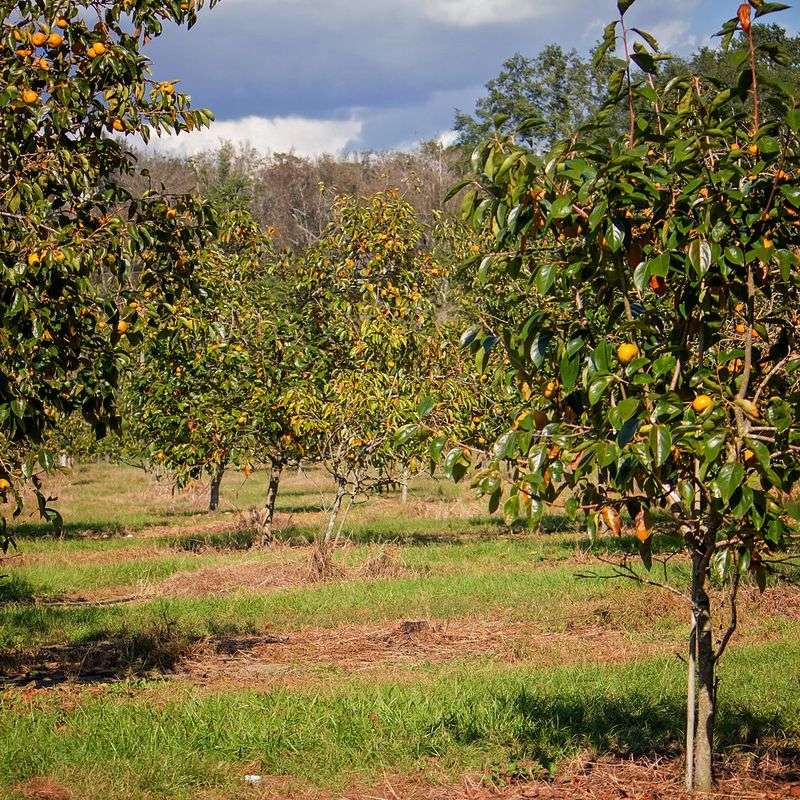
A locally suitable Japanese persimmon can be a rewarding fall planting where regional timing backs it up. In North and Central Florida, UF/IFAS fall planting guidance gives roots a head start.
South Florida gardeners should follow their own rainy-season timing.
Good siting, correct planting, and steady establishment care count for more than the calendar alone. A tree is a long game, and the month you plant it is only the first move.