
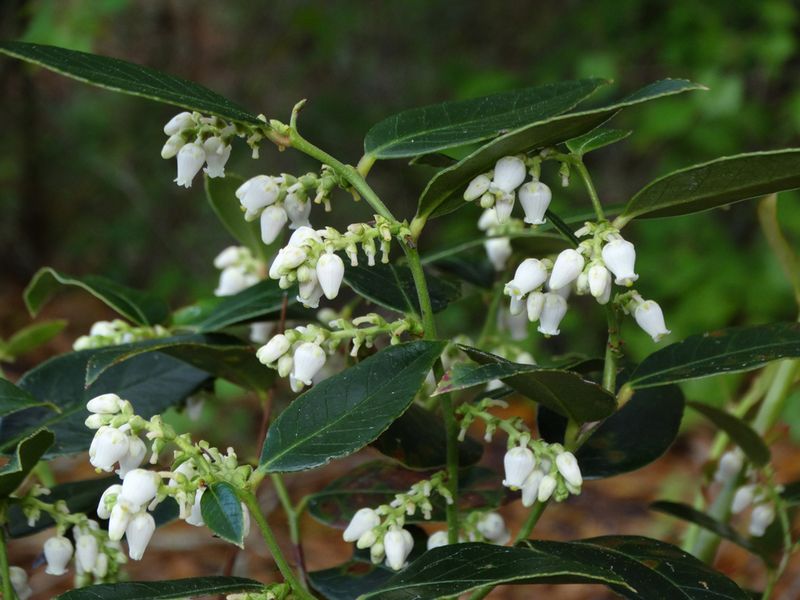
Boxwood has lined North Carolina foundations for generations, but boxwood blight and leafminers have left plenty of front yards with brown, patchy gaps. The good news is that our own native shrubs can give you that neat, tidy edge while feeding birds, bees, and butterflies.
Many of them also shrug off Piedmont clay, coastal humidity, and mountain cold better than the imported classic. Here are seven tough natives that make a foundation bed look sharp and do right by the land at the same time.
1. Dwarf Yaupon Holly
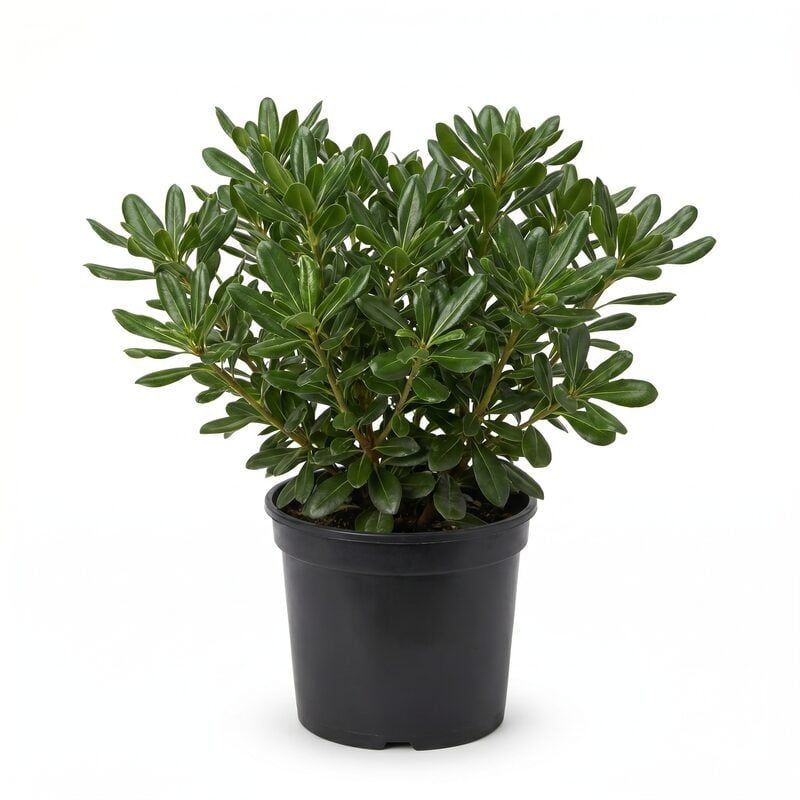
If you want the closest look to boxwood without the heartache, start here. Dwarf yaupon holly (Ilex vomitoria ‘Nana’ and ‘Schillings’) forms tight, rounded mounds of tiny evergreen leaves that read almost exactly like a clipped boxwood hedge from the sidewalk.
Yaupon grows wild along the North Carolina coast, so heat, salt spray, sandy soil, and drought barely faze it. It also handles heavy Piedmont clay once established.
Most dwarf forms stay 3 to 4 feet tall and wide with a light trim once or twice a year.
Fun history bit: coastal Native peoples brewed yaupon leaves into a caffeinated tea, and it remains the only caffeinated plant native to North America. Dwarf selections rarely produce berries, so if you want winter fruit for birds, tuck a full-size female yaupon at a corner of the house.
2. Inkberry Holly
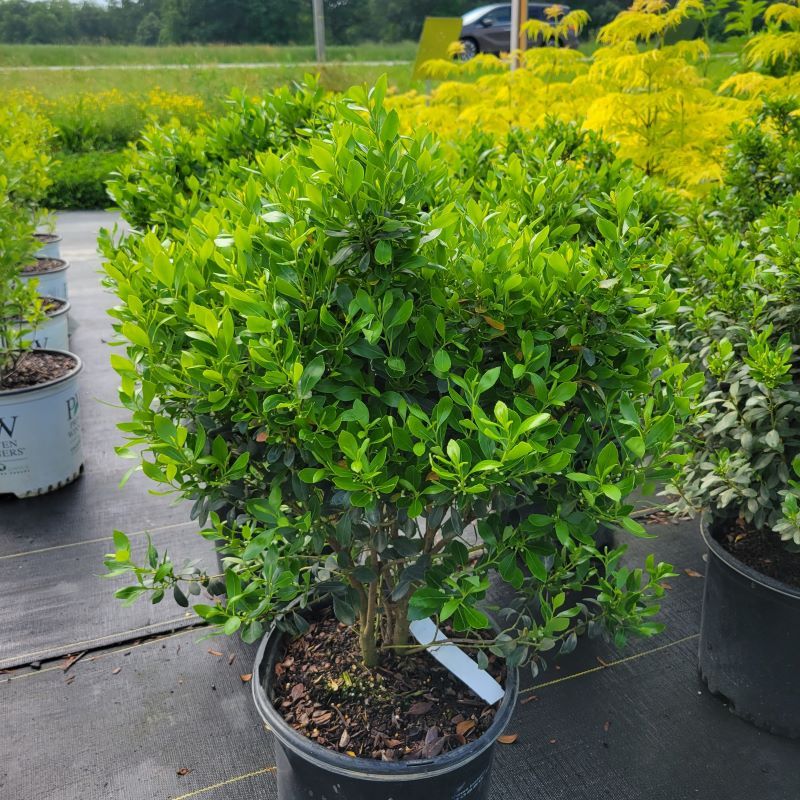
Picture a hedge that stays dark green all winter and hums with bees every spring. Inkberry (Ilex glabra) does both, and it thrives in the wet, poorly drained spots where boxwood roots tend to rot.
Native to pocosins and damp woods across eastern North Carolina, inkberry loves moisture and tolerates shade on the north side of a house. Compact types like ‘Shamrock’ and ‘Densa’ stay roughly 3 to 5 feet tall.
Its small spring flowers are a favorite of native bees, and female plants carry black berries that birds eat in late winter.
One quirk to plan for: older inkberries can get leggy at the base. A hard renewal cut in late winter usually brings them back thick and full within a season or two.
3. Virginia Sweetspire
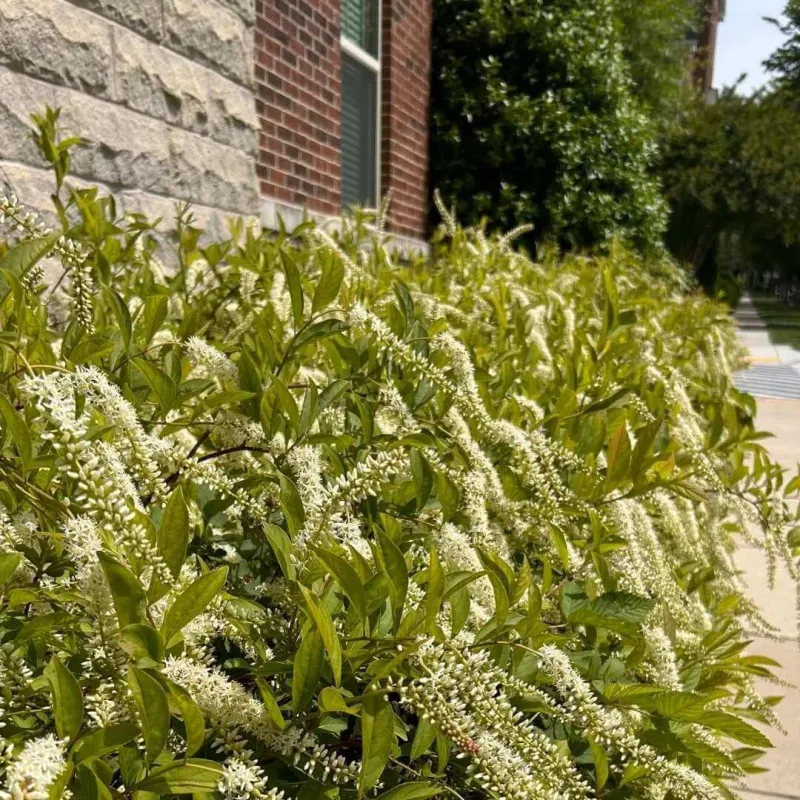
Walk past a sweetspire in late May and you will smell it before you see it. Arching white flower wands cover Virginia sweetspire (Itea virginica), pulling in butterflies, native bees, and hoverflies that also snack on garden pests.
Compact selections like ‘Little Henry’ stay about 2 to 3 feet tall, making a soft, informal edge rather than a crisp box. In fall the leaves turn wine red and hang on well into winter in the Piedmont and coastal plain.
Sweetspire tolerates wet soil, part shade, and even brief flooding from downspouts. It does spread slowly by suckers, which is great for filling a bed but worth watching near walkways.
4. Dwarf Fothergilla
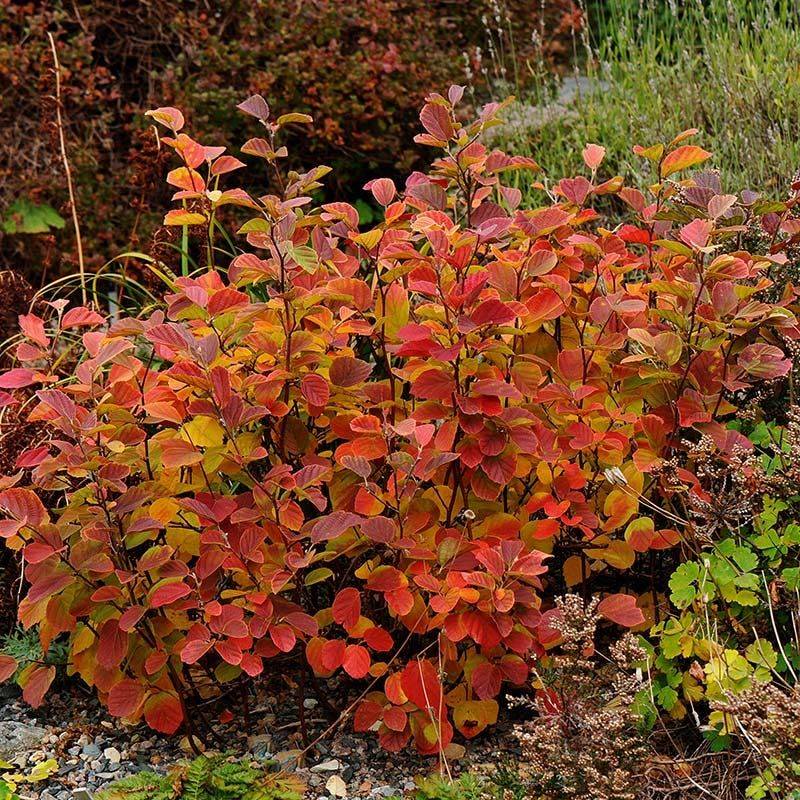
Some shrubs give you one good season. Dwarf fothergilla (Fothergilla gardenii) gives you two showstoppers: honey-scented white bottlebrush blooms in early spring and blazing orange, red, and gold leaves in fall.
Native to the Carolina coastal plain, it stays around 2 to 3 feet tall and needs almost no pruning. Early flowers offer a welcome meal for bees that wake up before most gardens bloom.
Give it slightly acidic soil and morning sun with afternoon shade, especially in hot eastern counties. It drops its leaves in winter, so pair it with an evergreen like inkberry for year-round structure.
5. Carolina Allspice
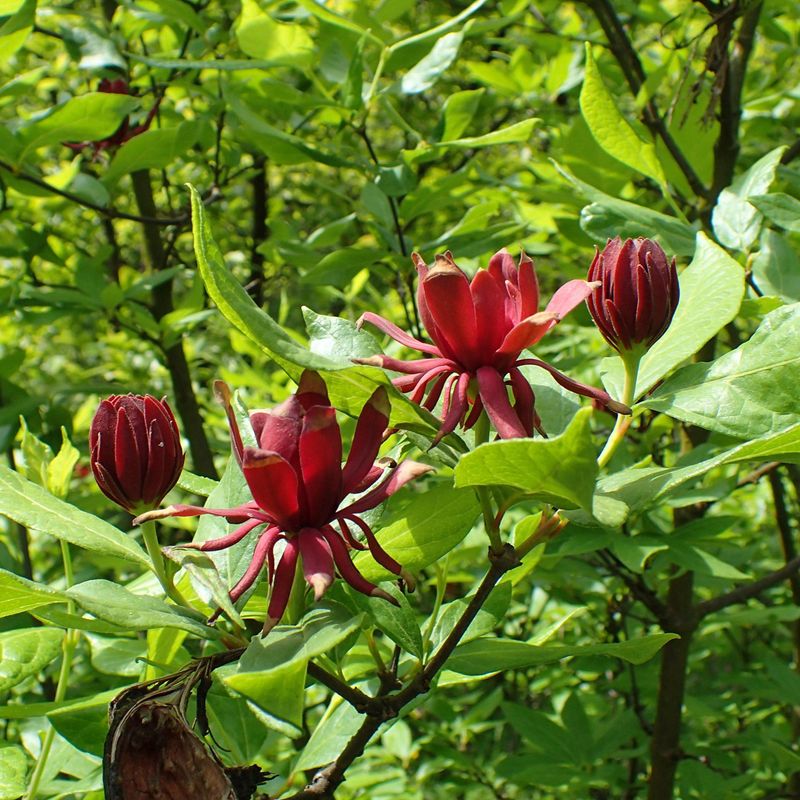
Grandmothers across the South used to tuck sweetshrub blossoms into their pockets for the fruity scent. Carolina allspice (Calycanthus floridus) still earns that nostalgia with maroon flowers that smell like strawberries, bananas, and spice.
This native grows naturally in North Carolina woodlands from the mountains to the coast. Newer compact selections stay about 4 to 5 feet, making it best for the corners and taller back row of a foundation bed rather than a low front edge.
Deer usually leave it alone, and it tolerates shade well. Plant it near a porch or window so you can enjoy the fragrance every time you step outside.
6. Dwarf Wax Myrtle
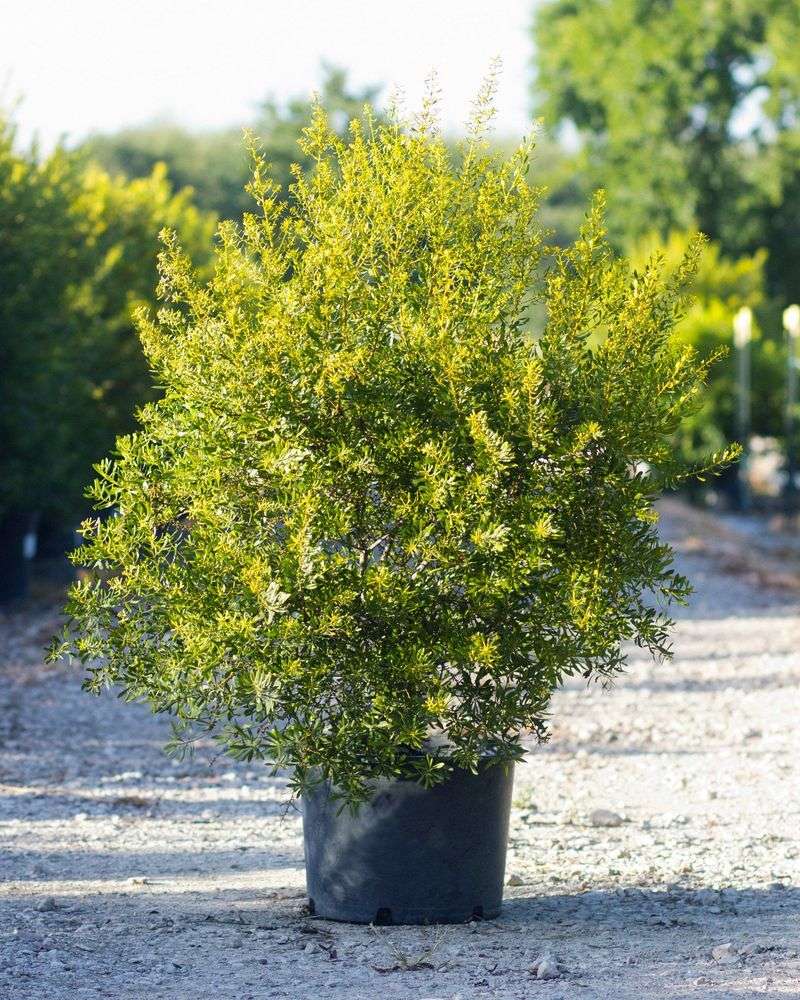
Here is a shrub with a bonus job. Wax myrtle (Morella cerifera) has aromatic leaves that many gardeners believe may help discourage biting insects near patios, though it should be seen as a small helper, not a replacement for repellent or tick checks.
Dwarf forms stay around 3 to 4 feet and take clipping well, creating a dense evergreen edge. Coastal plain gardeners love it because it handles salt, sand, and scorching sun with ease.
Female plants produce waxy gray berries that yellow-rumped warblers and bluebirds depend on in winter. Colonists once boiled those berries to make bayberry candles.
7. Coastal Doghobble
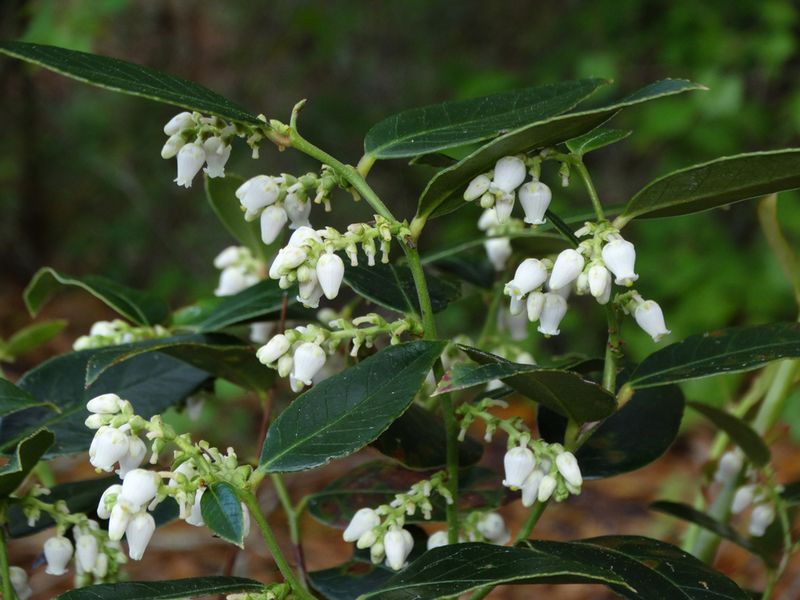
Shady north walls give most shrubs trouble. Coastal doghobble (Leucothoe axillaris) actually prefers those cool, damp spots, spilling glossy, arching evergreen branches over the bed edge.
Found in moist woods of eastern North Carolina, it grows about 2 to 4 feet tall and wider. Dangling white bell flowers in spring feed early bees, and new leaves often flush bronze or red.
The odd name comes from its thickets tangling hunting dogs chasing bears. Keep it out of hot afternoon sun and mulch well, and it will stay lush with little effort.