
Your yard can look good while using less water and fewer chemicals. Florida law protects many landscaping choices that help you do both, even if you live in an HOA.
That does not mean every design is automatically approved. Here are seven practical changes you can make, plus the rules to check before you start.
1. Replace Thirsty Turf With Plants Suited to Your Yard
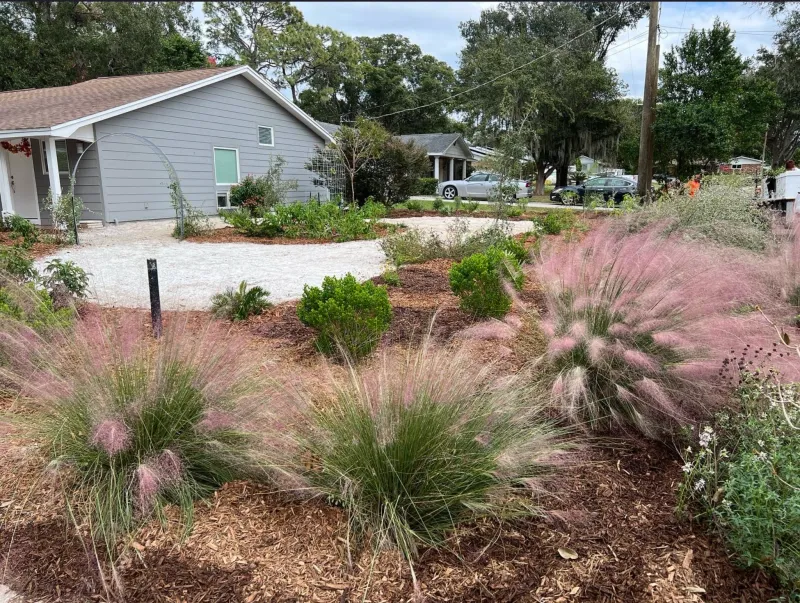
A patch of grass that needs constant watering is a good place to rethink your planting plan. Florida-Friendly Landscaping starts with putting the right plant in the right place.
For a sunny, fast-draining spot, that could mean a neat bed of muhly grass and blanketflower. In a shadier area, coontie may be a better fit.
Florida law says an HOA may not prohibit a property owner from implementing Florida-Friendly Landscaping on the owner’s land. That protection is not limited to native plants, and it does not give homeowners permission to ignore every design rule.
An HOA can still have reasonable standards for matters such as placement and appearance, as long as those standards do not effectively prevent the protected landscaping.
Start with one struggling strip rather than removing the whole lawn. Check sun and drainage, use UF/IFAS plant guidance to choose suitable species, and draw a simple plan with clear bed edges and mature plant sizes.
Send the plan through your HOA’s normal review process if approval is required. A defined border and room for plants to grow make the change easier to maintain and easier for neighbors to understand.
2. Make Your Irrigation System More Efficient
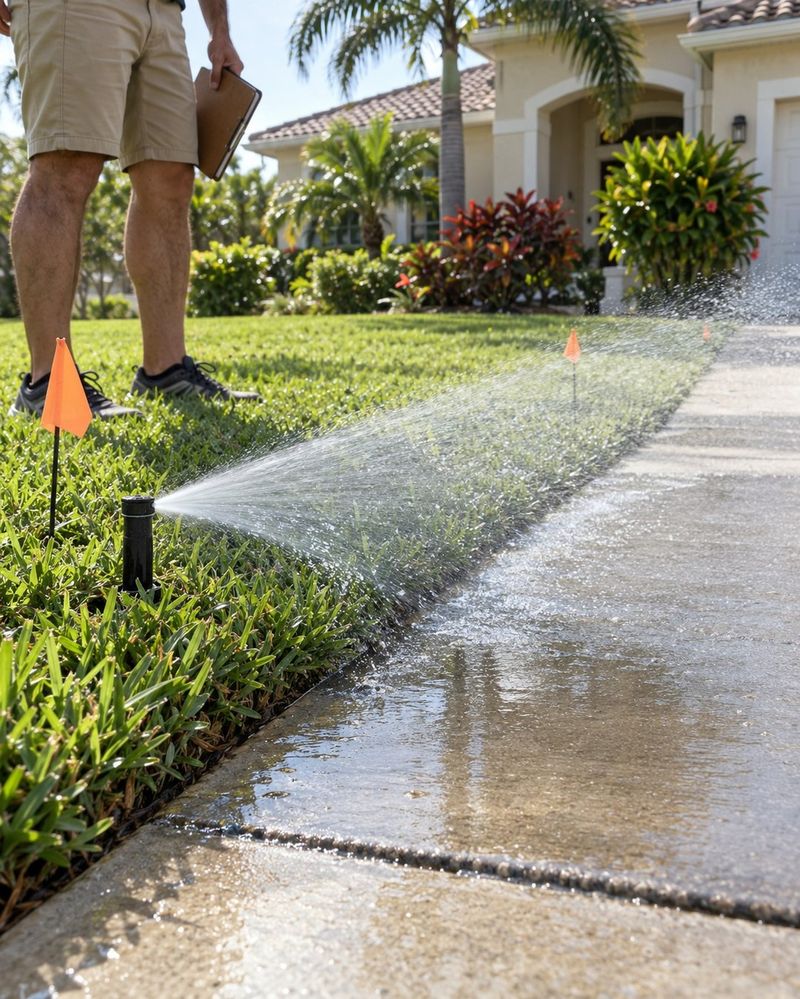
Sprinklers watering the sidewalk are not doing your yard any favors. Efficient watering is a core Florida-Friendly Landscaping principle, so correcting waste is a practical change with legal protection under the state’s landscaping rules.
It can also help avoid soggy spots near the house and keep water where roots can use it.
Walk outside while each irrigation zone runs. Look for broken heads, spray hitting pavement, and shrubs receiving the same watering schedule as turf.
A drip line or microirrigation setup can work well in a planting bed, while a working rain sensor can stop an automatic system from running during rainy weather. New plants will still need careful watering while they establish; efficiency does not mean leaving them dry.
Before changing the controller, check your water management district’s watering schedule and any local restrictions. Your HOA may also have reasonable rules about visible equipment or installation work.
Keep the tubing discreet, separate beds from lawn zones where possible, and save your plan if approval is needed. The goal is a healthy landscape that uses water with care, not a sprinkler system that runs simply because the timer says so.
3. Mulch Beds to Protect Sandy Soil
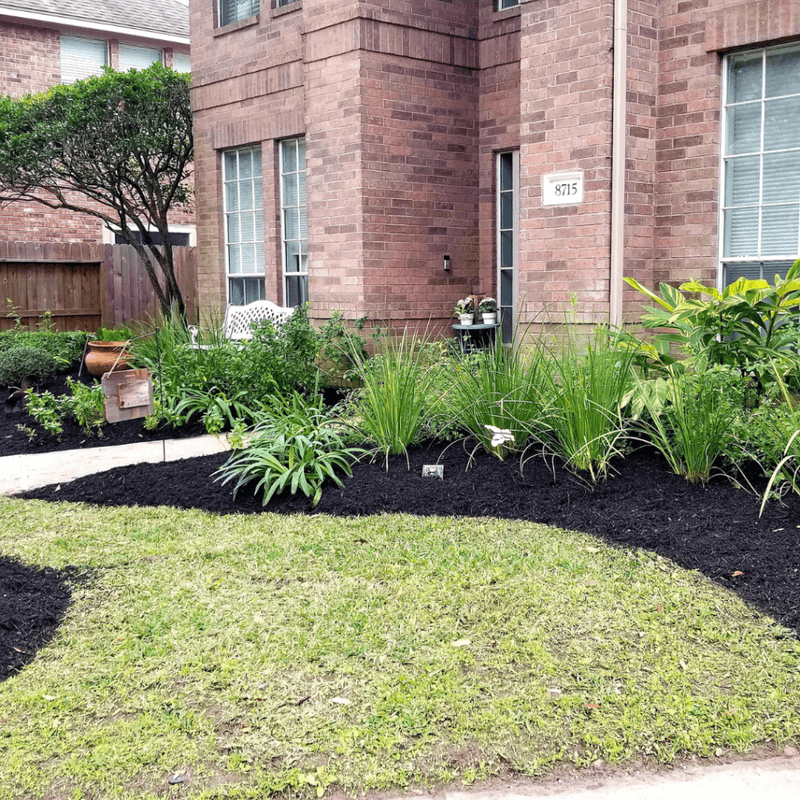
Florida’s sandy soil can dry out quickly, and bare beds make every weed easy to spot. A layer of mulch gives a planting area a cleaner finish while helping the soil hold moisture.
Mulching is also one of the practices included in Florida-Friendly Landscaping.
Choose a mulch suited to the bed and spread it in a fairly even layer, generally about 2 to 3 inches deep. Leave a gap around trunks and stems instead of piling mulch against them.
UF/IFAS cautions against mulch volcanoes because trapped moisture can harm plants. If a bed floods after heavy rain, solve the drainage problem rather than trying to hide it under a deeper layer.
An HOA may have reasonable appearance standards, including rules about where a bed goes or which materials are visible from the street. It cannot use those rules to prohibit Florida-Friendly Landscaping altogether.
If your community has a preferred mulch color or edging style, you may be able to meet that standard without giving up the soil benefit. Refresh the bed as mulch breaks down, pull weeds before they seed, and keep the border crisp.
It is a modest change, but it can make a front yard look more cared for while reducing routine work.
4. Add a Tidy Pollinator Planting
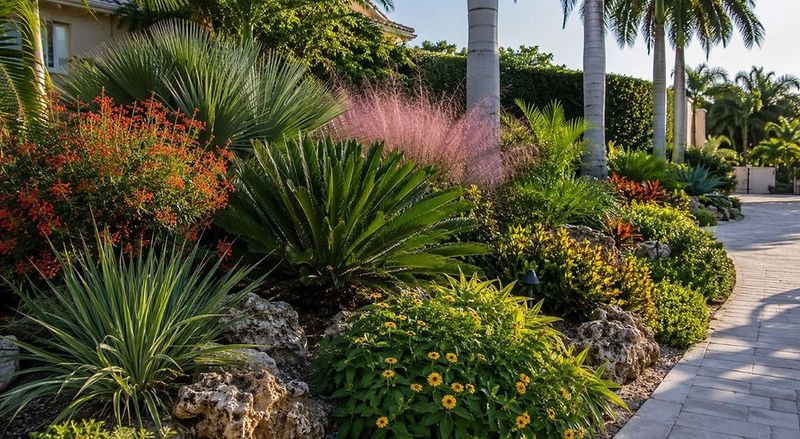
A butterfly visiting the front walk can make an ordinary yard feel lively. Attracting wildlife is a Florida-Friendly Landscaping principle, and a small, well-planned flower bed is one way to put it to work.
You do not need to turn the entire lawn into a meadow.
Try a sunny grouping of blanketflower, with a firebush where there is enough room for its mature size. Check each plant’s needs and your location before buying: Florida’s conditions differ from the Panhandle to South Florida.
UF/IFAS resources and a local extension office can help you choose plants suited to your county. Grouping a few kinds together usually looks more intentional from the street than scattering single plants across the yard.
Keep sight lines clear at driveways, trim plants away from paths, and remove standing water from pots and saucers so mosquitoes do not gain a breeding spot. Your HOA can apply reasonable design standards, but it cannot simply ban Florida-Friendly Landscaping because it attracts wildlife.
If you need approval, show the bed dimensions and mature heights on your sketch. The result can offer food for visiting pollinators while still looking like a cared-for residential garden.
5. Use Fertilizer Only Where and When It Is Needed
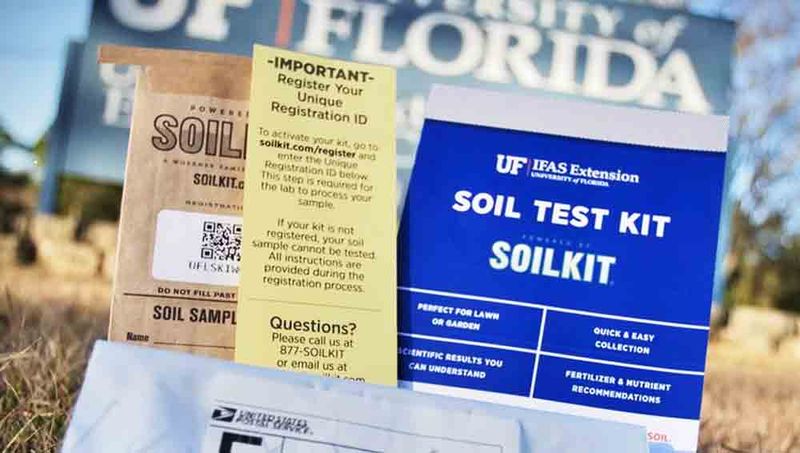
A greener yard does not always begin with another bag of fertilizer. Appropriate fertilization is part of Florida-Friendly Landscaping, and the smart first step is to find out what the plants actually need.
Too much fertilizer can waste money and send nutrients toward storm drains when rain arrives.
Before feeding a struggling area, check for simpler causes such as poor irrigation coverage, shade, compacted soil, or an unsuitable plant. A soil test through a UF/IFAS Extension office can guide decisions about nutrients and soil pH.
If fertilizer is needed, follow the label, measure the area, and keep granules off pavement. Sweep any spills back onto the lawn or bed rather than washing them away.
Florida counties and cities may have fertilizer ordinances, including seasonal limits in some places, so check local rules before applying anything. An HOA may require the landscape to be maintained, but it cannot prohibit you from using Florida-Friendly practices to do that.
Keep records of soil tests and your care plan if questions arise. Feeding only when there is a reason can support healthy growth without making constant fertilizing the price of a tidy yard.
6. Handle Yard Pests Without Routine Blanket Spraying
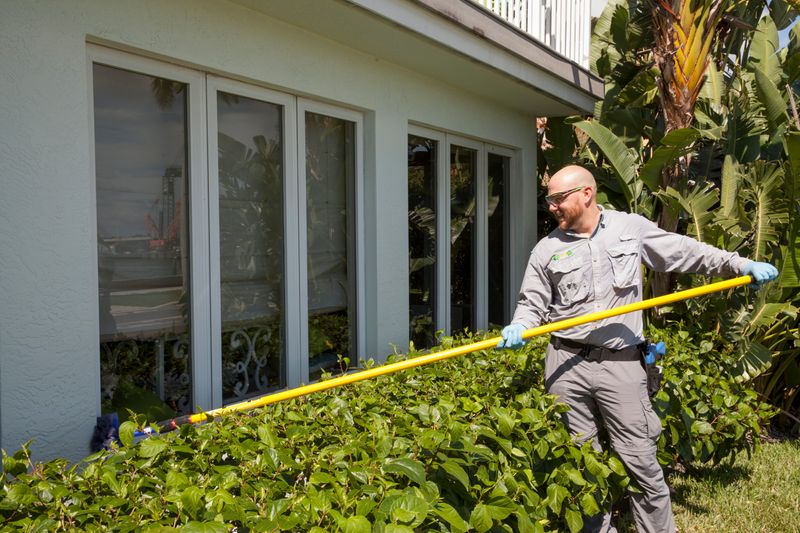
One chewed leaf is not a yard emergency. Responsible pest management is a Florida-Friendly Landscaping practice, which means checking what is happening before reaching for a spray.
Florida gardens host insects year-round, and some of the bugs you spot may be helping control others.
Inspect the plant closely and identify the pest before treating it. A county UF/IFAS Extension office can help when you are unsure.
Sometimes pruning a badly affected stem, improving airflow, or using a strong stream of water is enough. When treatment is necessary, choose a product labeled for that pest and plant, and follow every label direction.
Avoid spraying flowers while pollinators are visiting them.
Keep mosquito prevention on the checklist, too: empty water from buckets, saucers, and clogged gutters regularly. That practical step addresses a common Florida nuisance without coating the whole landscape.
An HOA can still expect you to maintain a neat, healthy yard, but its rules cannot bar Florida-Friendly Landscaping practices outright. If a pest problem becomes visible from the street, document the steps you are taking and respond promptly.
Careful monitoring gives you a more targeted plan than spraying on a calendar, with less unnecessary work.
7. Create a Planted Area That Slows Rainwater
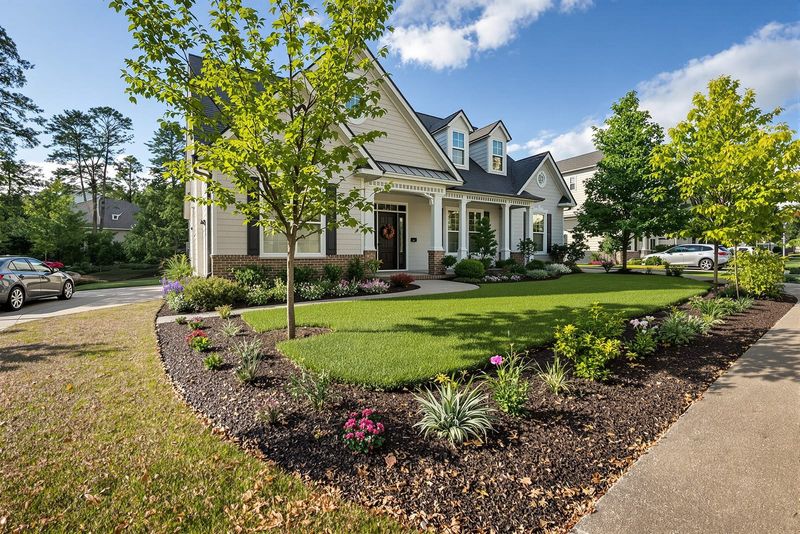
After a Florida downpour, watch where water goes. If runoff races across a bare patch or toward the street, a carefully placed planted area may help slow it down.
Reducing stormwater runoff is another Florida-Friendly Landscaping principle, and it has a clear payoff when heavy rain leaves parts of the yard messy.
A shallow rain garden can receive water from an appropriate part of the yard and let it soak in. Placement matters more than the name: keep water away from foundations, septic systems, utility lines, and neighbors’ property.
Florida’s sandy soil may drain fast in one spot while another stays wet, so observe the area after several storms before choosing plants. Ask your local extension office for plant suggestions suited to the site’s actual moisture levels.
Do not redirect a downspout, dig a swale, or alter a drainage easement without checking local requirements and your HOA’s review process. Florida-Friendly Landscaping protection does not override drainage rules or give anyone the right to flood another property.
Submit a plan showing the area, water flow, and finished appearance. With the right location and tidy edges, the planting can look like a garden bed while making better use of rain that already falls on your yard.