
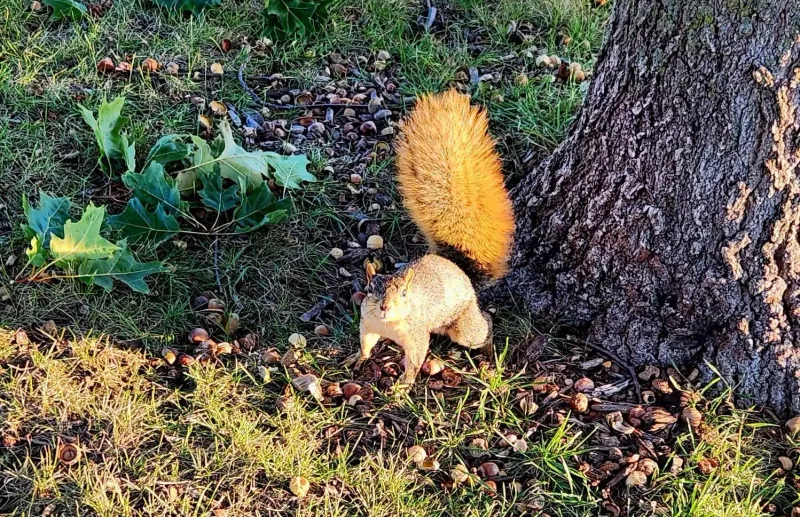
Those squirrels digging holes across your lawn may be starting your next oak tree. Every acorn they tuck into the soil has a chance to grow into a seedling, and that can mean free shade for your yard down the road.
Not every acorn makes it, and not every seedling belongs where it pops up. Here is how to read the digging, help the good ones along, and know when to step in.
Squirrels bury acorns to store food
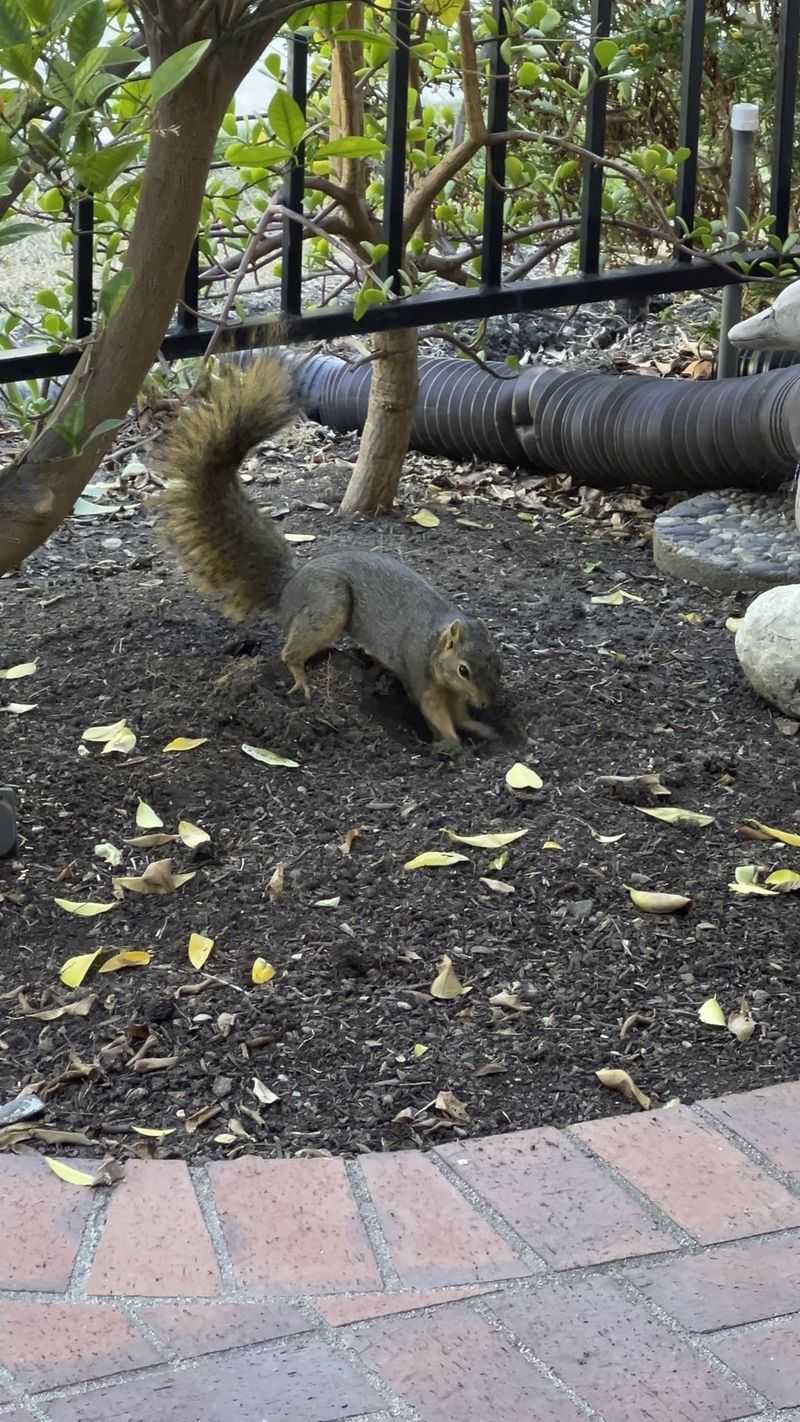
Watch a squirrel for a few minutes in fall and you will see a routine: grab an acorn, dash off, dig a small hole, drop it in, and pat the soil down. That is scatter-hoarding, which means spreading food across many small hiding spots instead of piling it in one place.
The squirrel is stocking a pantry, not planting a forest.
Those pantries do not always stay put. In a radio-telemetry study of eastern forests, researchers found that gray squirrels often dug up caches and re-buried the acorns somewhere else.
An acorn tucked beside your fence today might be moved to a flower bed next week, or eaten.
So the digging you see is a moving target. Acorns do get carried away from the parent tree and pushed into soil, which is the first step toward a seedling.
But you cannot count on a squirrel to forget a stash, and you cannot assume any single acorn will stay where it was first buried.
Some buried acorns can establish oaks
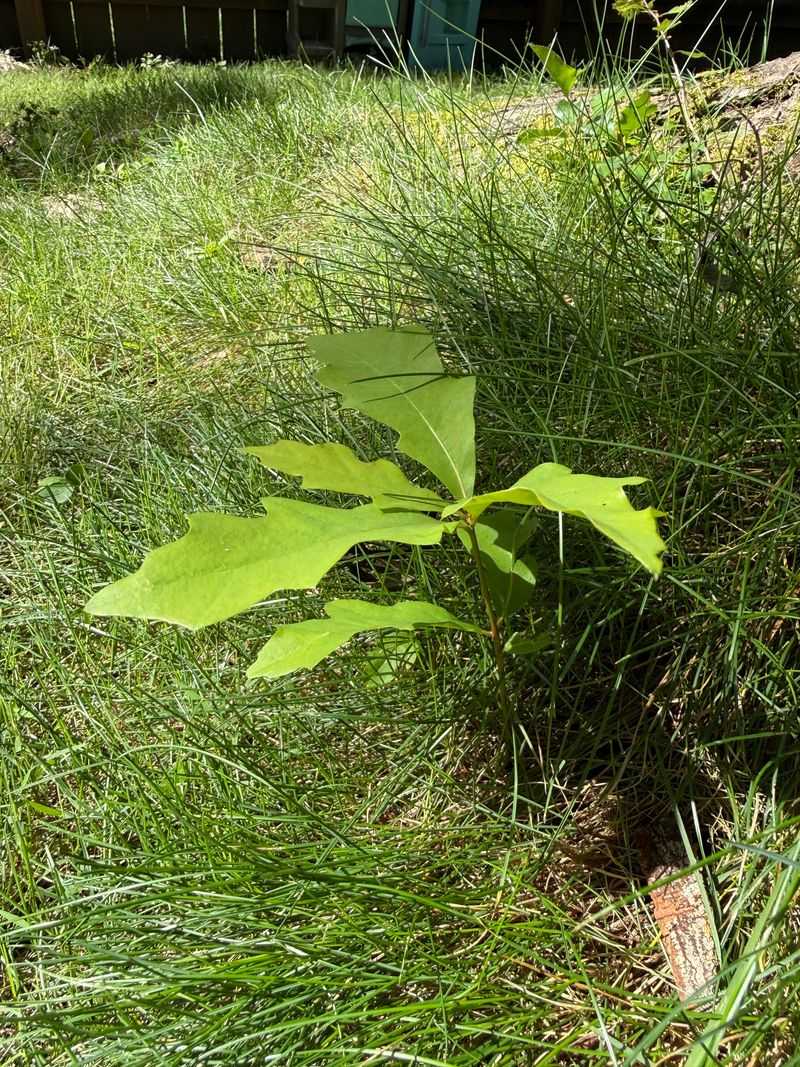
Here is where the hopeful part comes in. In a field study of fox squirrels and turkey-oak acorns, buried acorns survived at higher rates than acorns left on the surface, and only the buried ones germinated.
Soil cover seems to protect acorns from drying out and from some hungry animals.
That result comes from the specific conditions of that study. It does not promise the same outcome for every squirrel, every oak species, or every yard.
In your own yard, a buried acorn still has several hurdles. The squirrel may come back and eat it or move it.
Other animals, insects, or mold can damage it. Some acorns were never viable to begin with.
Even a healthy acorn needs the right moisture and a spot with enough light to grow.
So think of squirrel caching as a lottery ticket for oaks: the odds improve when acorns get buried, but plenty of tickets lose.
Acorns do not all sprout on the same schedule
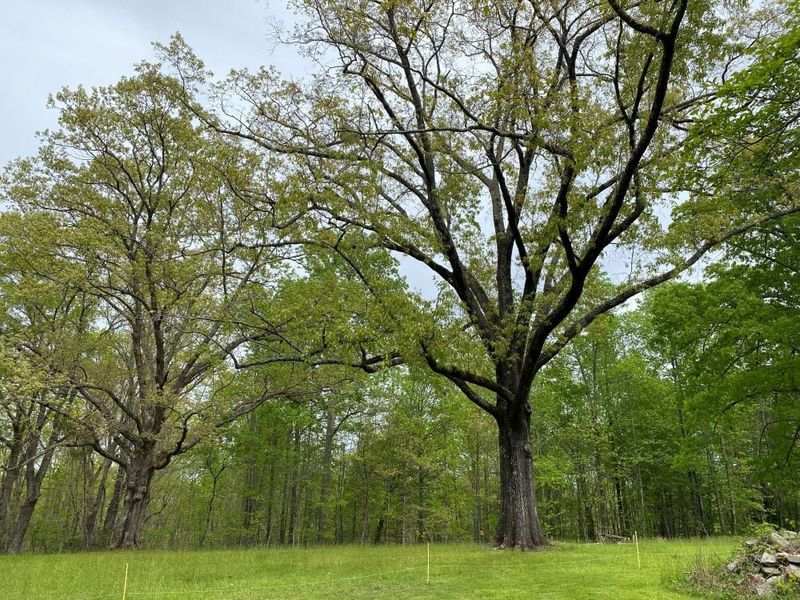
Timing depends on which kind of oak dropped the acorn. According to USDA Forest Service research on acorn germination, white-oak-group acorns commonly start sending out a root in fall, soon after they land.
Red-oak-group acorns generally wait through winter and germinate in spring after a stretch of cold.
That means a gardener who only checks the lawn in April could miss the early rooters, and one who expects every buried acorn to pop up in spring will often be disappointed. Details on white oak, such as those in the Forest Service silvics entry, show how quickly that fall rooting can begin.
Species, region, weather, and the particular year all shift the schedule. Good acorn crops are also uneven, so some years bring heaps of acorns and others hardly any.
If you do not see seedlings in spring, that is not a surprise. It simply means the acorns may have been eaten, moved, or not viable.
Plant and protect an acorn yourself
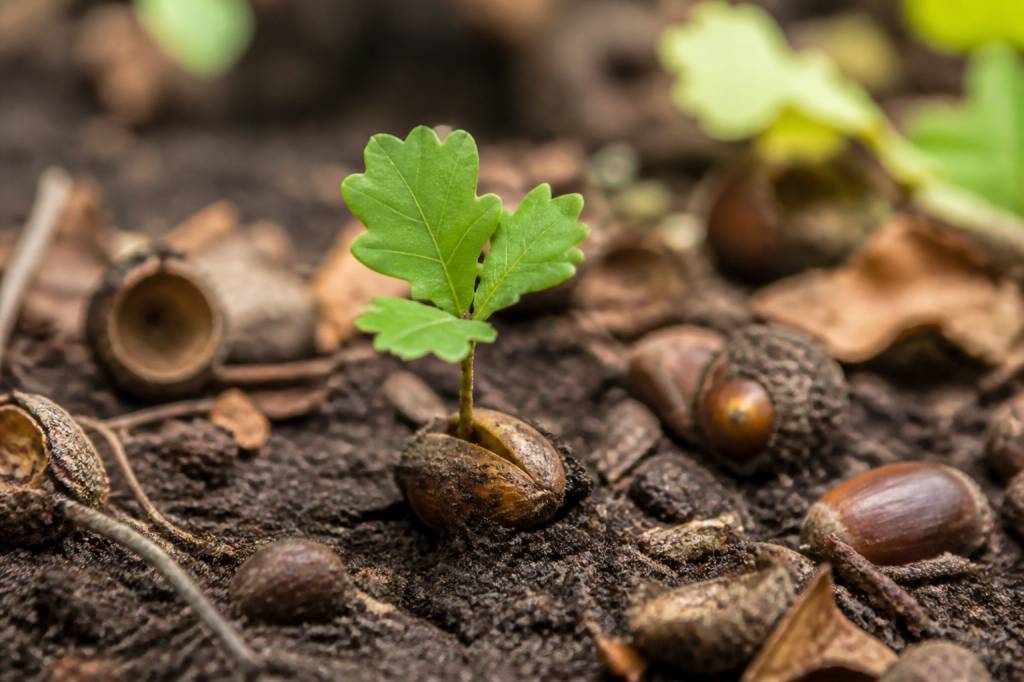
If you would rather not leave it to chance, plant one yourself. Pick an intact, recently fallen acorn with no tiny holes, cracks, or mold.
A float test in a bucket of water can help you sort them, but it is only a rough guide, because UC Agriculture and Natural Resources notes that some viable acorns float and some nonviable ones sink.
Iowa State Extension suggests planting the acorn about ½ to 1 inch deep. Choose the spot carefully, since oaks grow big and do not like being moved later.
Squirrels will happily dig up your effort, so cover fall plantings with hardware cloth or chicken wire, pinned down at the edges. When spring arrives and the acorn begins to germinate, take the cover off so the shoot can grow freely.
Check a volunteer oak’s fit before keeping it
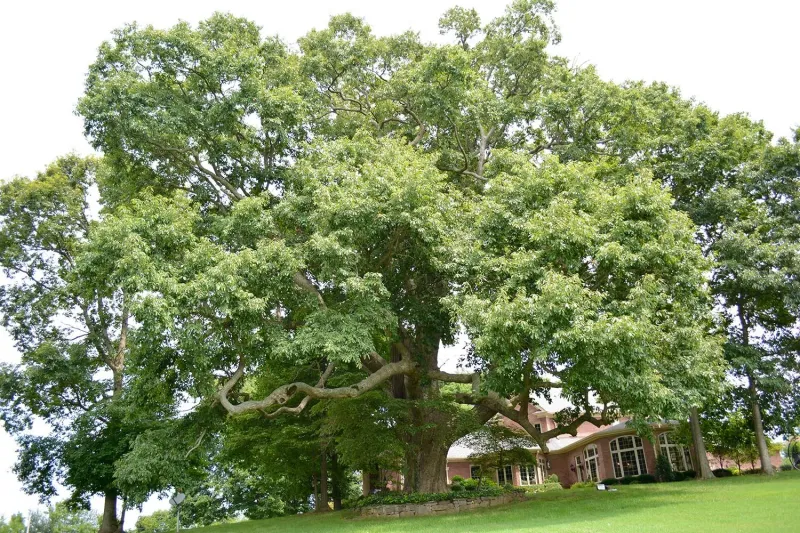
A seedling that shows up on its own is exciting, but survival does not make a spot a good one. Start by figuring out what kind of oak you have.
Leaf shape is a good clue, and your local extension office can help with a photo.
Next, look up its mature size. Utah State Extension points out that many oaks become large trees and advises thinking about eventual size and keeping big trees away from structures and underground lines.
A cute sprout near the foundation, septic line, or driveway could cause real headaches in decades to come.
Also think about sun, soil, and space overhead. Some oaks suit a wide lawn, while others fit better in a woodland corner.
If the seedling is in a poor location, move it while it is very young or pull it, then choose a better home. Keeping only the oaks that fit your yard is part of good gardening.
Keep acorns away from pets
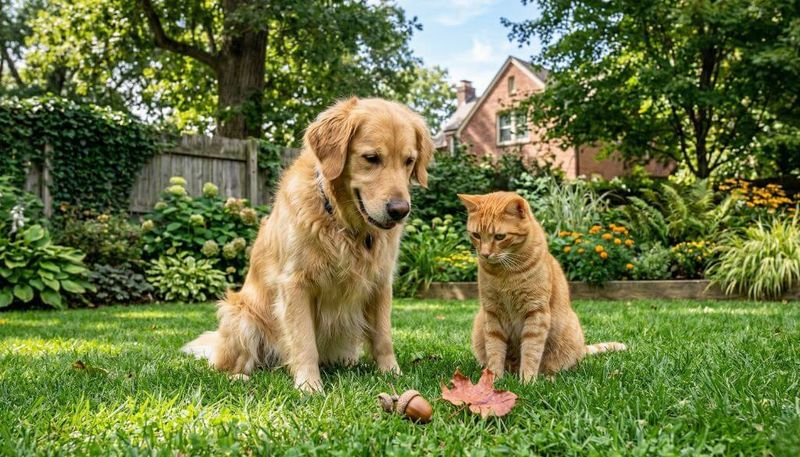
One catch to all this oak enthusiasm: acorns and pets do not mix. The ASPCA lists oak as toxic to dogs and cats, so acorns are not a harmless yard snack.
The Merck Veterinary Manual describes risks when animals eat substantial quantities of oak material. Rake up acorns in spots where your dog or cat plays, and watch curious pets near oak trees.
If your pet has eaten acorns, call your veterinarian rather than waiting to see what happens. Have details ready, such as how many acorns, when, and your pet’s size.