
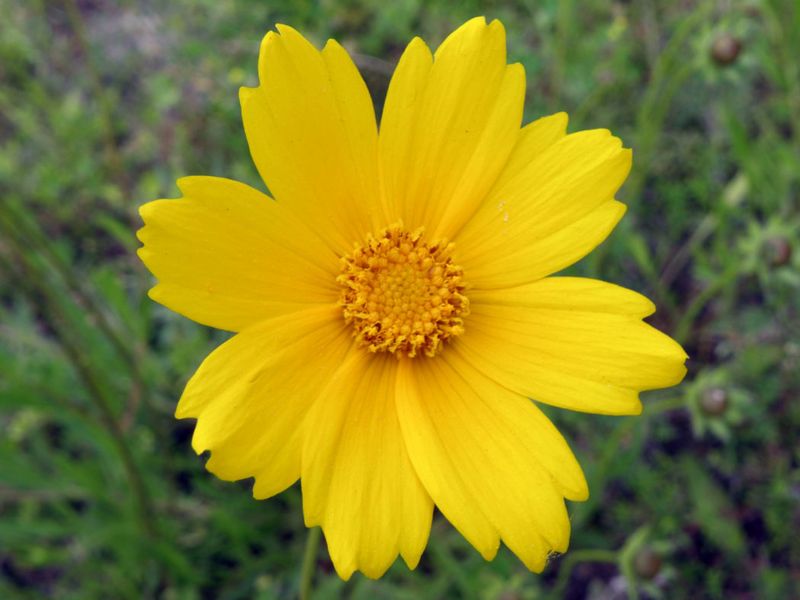
Fall is the secret planting season most Southern gardeners miss. Seeds scattered in October or November settle into the soil, soak up winter rain, and pop up on their own when spring warms the ground.
The best part is that many wildflowers drop fresh seed every year, so one sowing can keep your beds blooming for seasons to come. Here are nine tough, reseeding wildflowers that handle Southern heat and bring bees and butterflies right to your yard.
1. Texas Bluebonnet
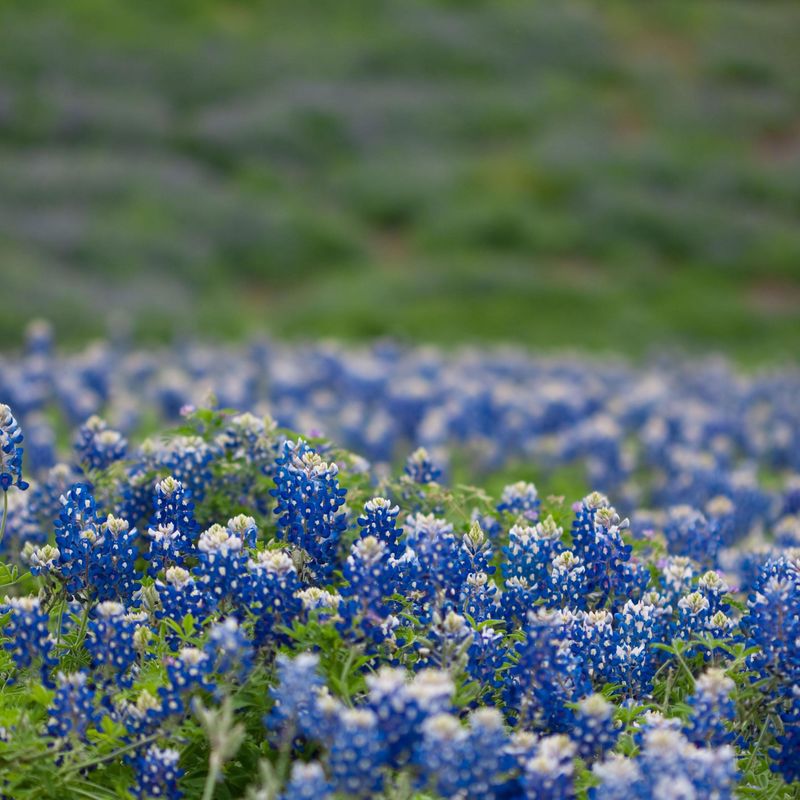
Ask any Texan about spring and bluebonnets come up within a minute. The state flower turns roadsides into rivers of blue each March, and you can grow that same show at home with a single fall sowing.
Timing matters more than anything. Sow seeds from late September through early November so they can sprout and form a low rosette over winter.
Bluebonnets have a hard seed coat, so many gardeners nick the seeds or soak them overnight, which may help more of them sprout the first year.
They want full sun and lean, well-drained soil. Rich, heavily watered beds often lead to floppy plants and root rot, so skip the fertilizer and let them tough it out.
In Florida, they can struggle in sandy, humid spots, so a raised, gritty bed gives them a better chance.
Here is the reseeding trick. After blooms fade, let the pods dry and turn tan before you mow or trim.
You may even hear them pop open on hot afternoons, flinging seed several feet away.
Fun fact: hard bluebonnet seeds can sit in the soil for years before sprouting, so a patch often keeps coming back even after a dry spring.
2. Indian Blanket
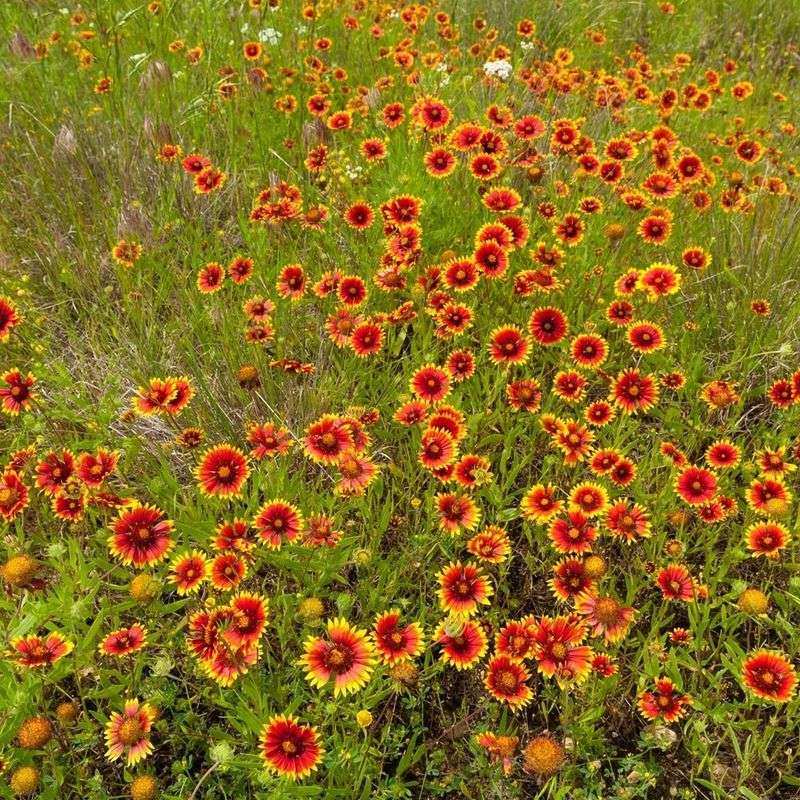
Some flowers whisper. Indian blanket shouts in red and gold, with petals that look like they were dipped in sunset paint.
Also called firewheel or Gaillardia pulchella, this native shrugs off heat, drought, and salty breezes, which makes it a favorite for Florida coastal yards and dry Texas lots. Sandy soil that frustrates other plants suits it just fine.
Once established, it rarely needs extra water except during long dry spells.
Scatter seed on bare, loosened ground in fall and press it in lightly with your shoe. The seed needs light to germinate, so avoid burying it deep.
By late spring you can expect blooms, and they often keep coming well into summer, long after many spring wildflowers have quit.
Pollinators love it. Native bees and butterflies work the flowers all day, giving your garden a busy, lively feel.
To keep the patch going, leave some spent flower heads standing into late summer. The fuzzy seed balls break apart and scatter on their own.
Pull a few seedlings if they wander into paths, but most homeowners find the drift of color welcome. It suits mailbox beds, sunny borders, and hard-to-mow slopes where nothing else seems happy.
3. Lanceleaf Coreopsis
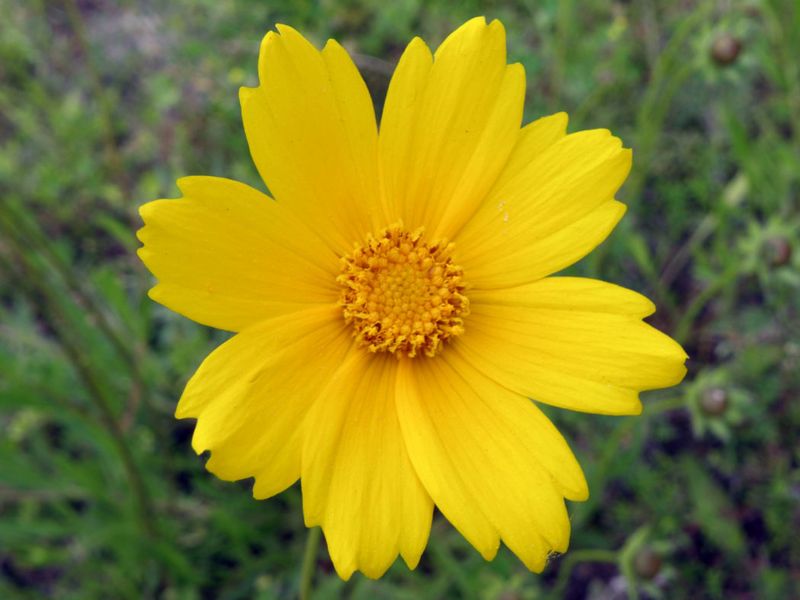
Florida loved coreopsis so much it named the whole genus its official state wildflower in 1991. Lanceleaf coreopsis is one of the easiest to grow, with cheerful yellow daisies on wiry stems.
What sets it apart from the others on this list is its staying power. It’s a short-lived perennial that also reseeds, so you get returning plants plus new seedlings filling gaps around them.
That combination often makes a bed look fuller each year without any work from you.
Sow in fall on bare soil in full sun. Rake lightly, scatter, then water once to settle the seed.
Seedlings form flat green clumps through winter and send up flower stems in April or May.
Deadheading gives you a choice. Snip faded flowers in early summer to push a second flush, then let the late blooms go to seed.
Goldfinches may show up to snack on the seed heads, which is a bonus for bird lovers.
It handles clay in parts of Texas and sand in Florida, though soggy spots can cause trouble. Plant it along fences, in cottage borders, or as a filler between shrubs where you want easy, bright color.
4. Black-Eyed Susan
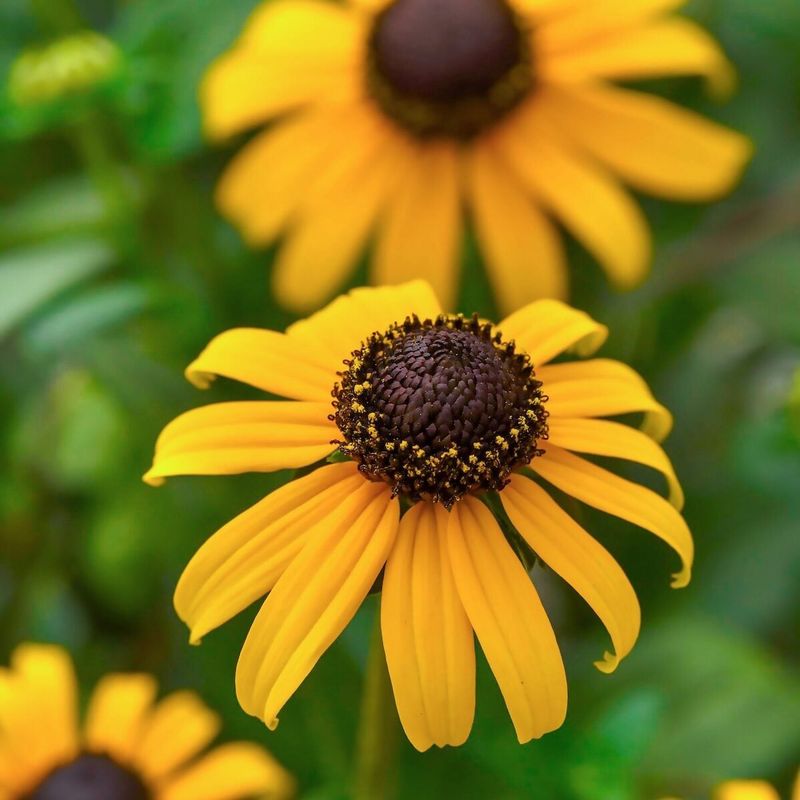
Picture a hot June afternoon when most of your garden looks tired. Black-eyed Susans are just getting started, glowing gold with chocolate centers right through the heat.
Rudbeckia hirta behaves as an annual or biennial in much of the South, and it reseeds with real enthusiasm. A packet sown in fall can easily turn into a patch that returns year after year.
Seeds need cold, moist weeks to break dormancy, and Southern winters usually provide just enough.
Scatter seed in October or November on cleared soil, then leave it alone. Don’t mulch heavily over the area, because thick mulch can smother tiny seedlings come spring.
Blooms tend to run from late spring into fall. Butterflies stop by often, and if you leave the seed heads standing into autumn, small birds will pick at them while dropping plenty of seed for next year.
A quick heads-up: in very humid Florida summers, the leaves may get some leaf spot. Good spacing and morning watering can reduce the problem.
Trim off spotted foliage and the plants usually carry on. Tuck them near porches or front walkways where that warm color brightens your entry all summer long.
5. Drummond Phlox
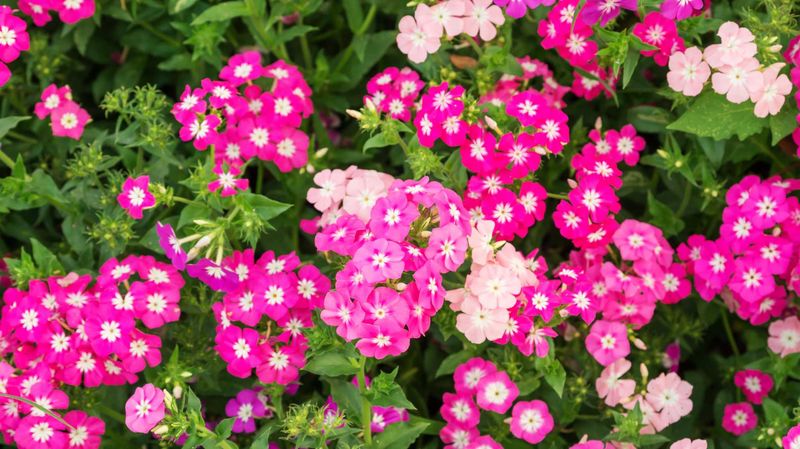
Bright pinks, rosy reds, and soft whites often appear in the same patch, which is part of the fun with Drummond phlox. Native to Texas, this annual forms a low carpet of color in early spring.
Its niche is the front of the bed. Most wildflowers on this list stand knee-high or taller, while phlox stays low, usually under a foot.
That makes it ideal for edging walkways, filling space in front of taller flowers, or covering bare ground under young shrubs.
Sow seed in early fall, ideally September through November. Sandy or loamy soil works best, and it loves sun.
Seedlings hang low through winter and can handle light frost common in North Texas.
Flowers typically show up from March into May. Once summer heat arrives, plants fade and set seed.
Resist the urge to pull them right away. Give them a couple of weeks to dry out so seed can drop.
Little bit of trivia: the plant was named after Thomas Drummond, a Scottish naturalist who collected it in Texas in the 1830s and sent seeds back to England. Gardeners there fell for it fast, and it has been a cottage favorite ever since.
6. Lemon Bee Balm
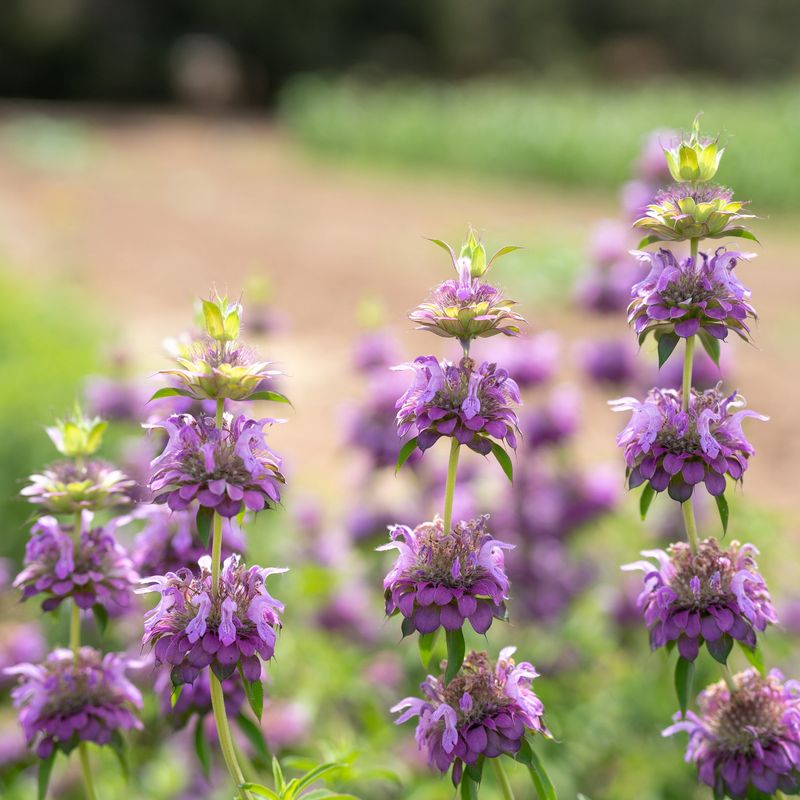
Brush past the leaves and you’ll catch a sharp citrus scent, which explains the name. Lemon bee balm, or Monarda citriodora, stacks lavender flower whorls up its stems like little tiered cakes.
For pollinator watchers, few plants pull in more traffic. Bumblebees, native bees, and butterflies crowd the blooms, and hummingbirds occasionally visit too.
If you want a garden that buzzes, this is your workhorse.
It’s an annual native to Texas and much of the South that reseeds readily on its own. Sow seed in fall on the soil surface, as light helps it germinate.
Rake gently or simply press seed down with your palm.
Plants handle poor, dry soil and full sun without complaint. In fact, too much water and fertilizer can make them leggy.
Blooms usually appear in late spring and early summer, a nice bridge after bluebonnets and phlox finish up.
Leave the dried stems in place until late summer. The seed heads hold plenty of tiny seeds that fall around the parent plant.
Some gardeners even crush a few dried leaves for tea, though check with a reliable source before using any plant this way. Grow it near patios where you can enjoy that lemony aroma.
7. Pink Evening Primrose
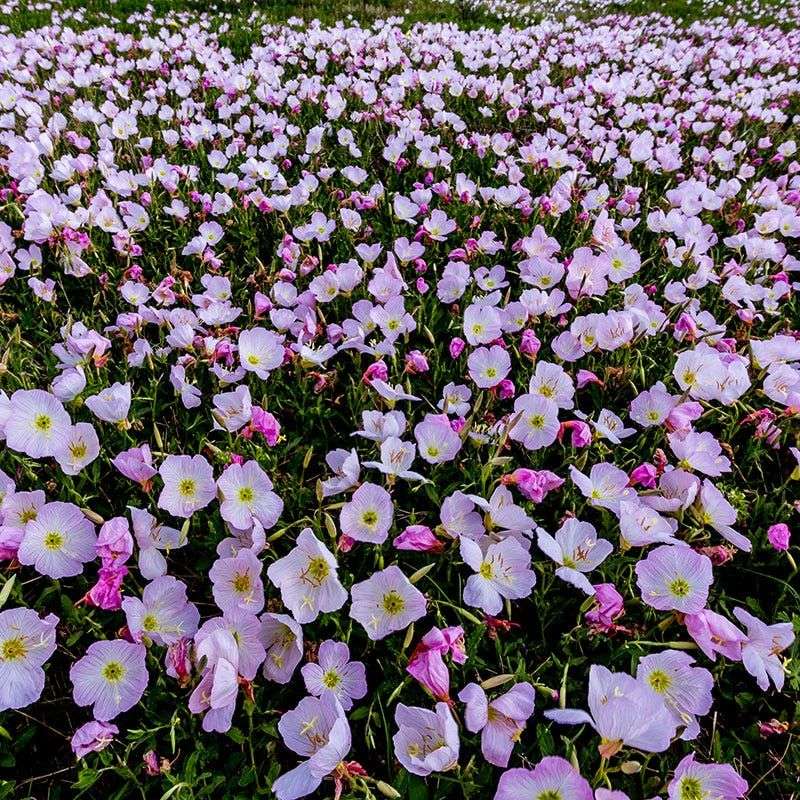
Here’s a fair warning up front. Pink evening primrose spreads, and it spreads with gusto.
That’s exactly why some gardeners adore it. On a dry slope, a hot strip by the driveway, or a spot where grass refuses to grow, those soft pink cups can cover the ground and shrug off drought.
It spreads by both seed and roots, so a small start may fill a whole problem area within a couple of seasons.
Sow seed in fall on loosened soil in full sun. Poor soil is fine.
Water a few times to help seedlings settle, then let nature handle the rest. In Texas, it often blooms from March through May.
Despite the name, many forms of Oenothera speciosa open during the day. Look closely and you’ll see delicate veins on each petal, a pattern that helps guide bees toward the center.
Keep it out of tidy, formal beds where it might crowd out smaller plants. Instead, use it where you actually want a tough, self-running groundcover.
Edging it with a mowed strip or a border can help keep it in its lane. For lean, sunny patches that look bare, it can be a real game changer.
8. Plains Coreopsis
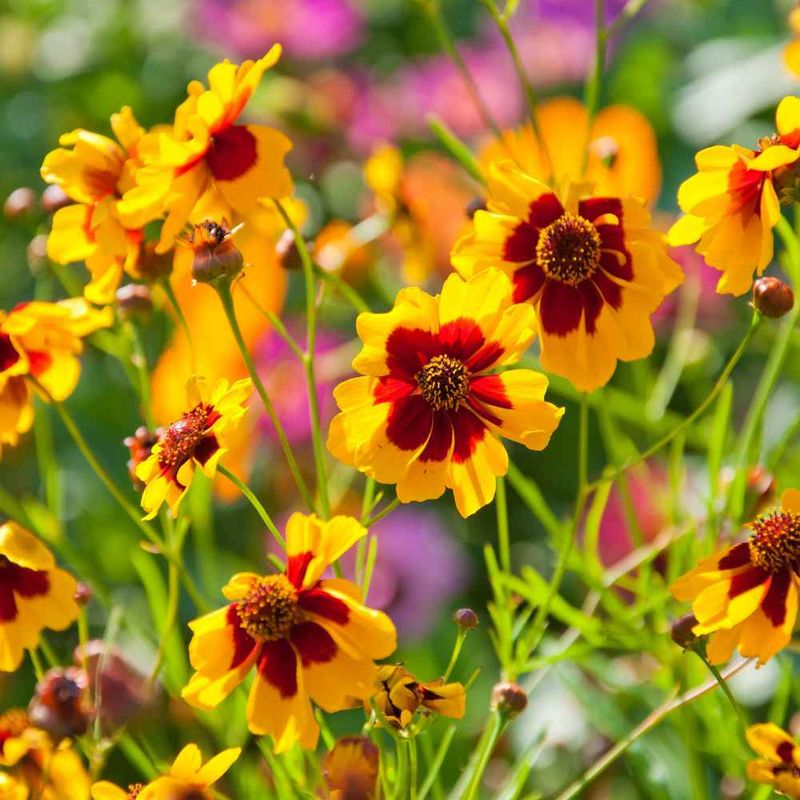
Tiny maroon eyes ringed with gold make plains coreopsis look like a crowd of cheerful faces bobbing on thin stems. It’s lighter and airier than its lanceleaf cousin, with a more meadow-like feel.
Why give it its own spot? It tolerates wet feet better than most wildflowers here.
Plains coreopsis grows naturally in low ditches and damp prairies, so it can handle that soggy corner of the yard where water sits after storms, as long as it dries out between rains.
Sow in fall by scattering seed on bare soil and lightly raking. It germinates quickly in cool weather and can bloom by late spring.
Plants usually reach two to three feet.
Each plant produces masses of small flowers, and those turn into masses of seed. Let a good share ripen and fall, and you can count on a returning crop.
Some gardeners shake dried stems over new spots to start fresh patches.
History bit: Native Americans and early settlers used the flowers to make orange and red dye, which is where the species name tinctoria comes from. Mix it with Indian blanket and bluebonnets for a classic, colorful wildflower blend.
9. Lyreleaf Sage
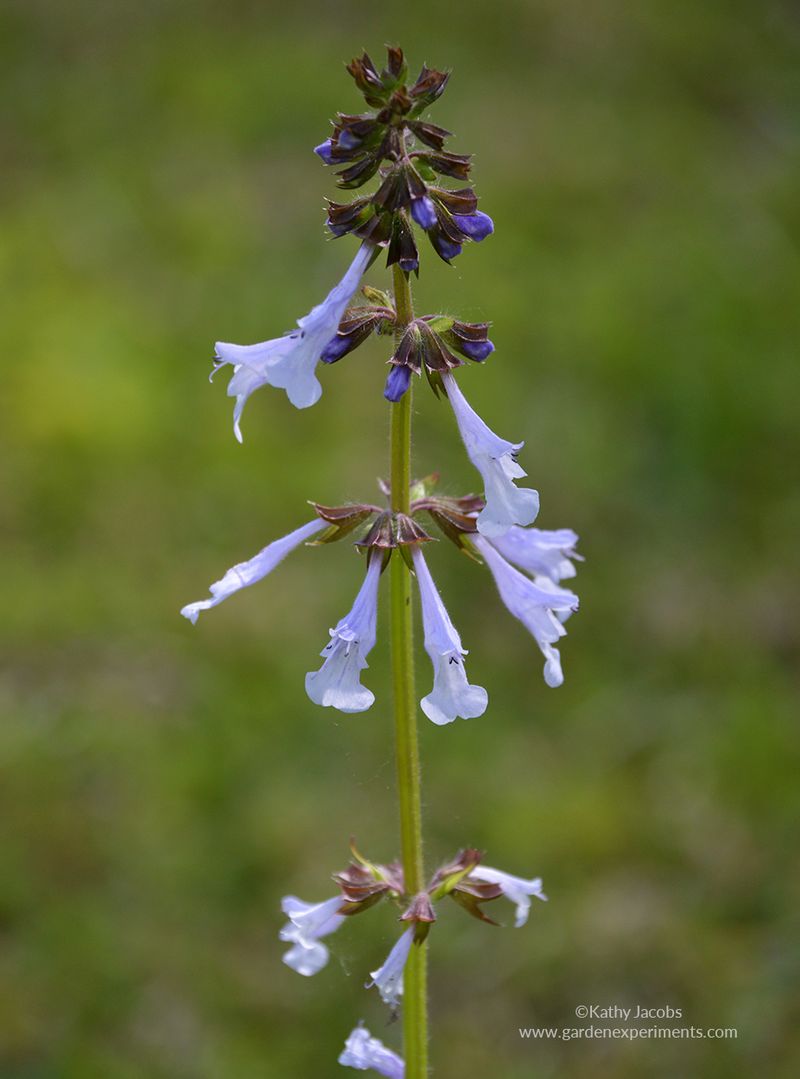
Shady spots can feel like dead zones for wildflowers. Lyreleaf sage changes that story, offering pale lavender spikes in places where sun-lovers sulk.
Native across the Southeast, including Florida and East Texas, Salvia lyrata forms flat rosettes of purple-tinged leaves that look good even when the plant isn’t blooming. Flower stalks rise in early spring, often among the first blooms of the year.
Early bees and hummingbirds may find them a welcome snack.
It’s a perennial that reseeds steadily, slowly building a patch under trees or along shady fence lines. Sow seed in fall on moist, bare ground and keep it lightly damp until you see sprouts.
Partial shade to full sun both work.
Thinking of a lawn alternative? Its low rosettes can handle occasional mowing once flowering ends, so some homeowners let it mix into grass for a softer, pollinator-friendly look.
Just hold off mowing until seed has dropped in late spring.
It can pop up in unexpected places, so pull extras if it wanders into veggie beds. For gardeners who want bloom without a full-sun bed, this sage fills the gap nicely and rounds out a self-sustaining wildflower garden.