
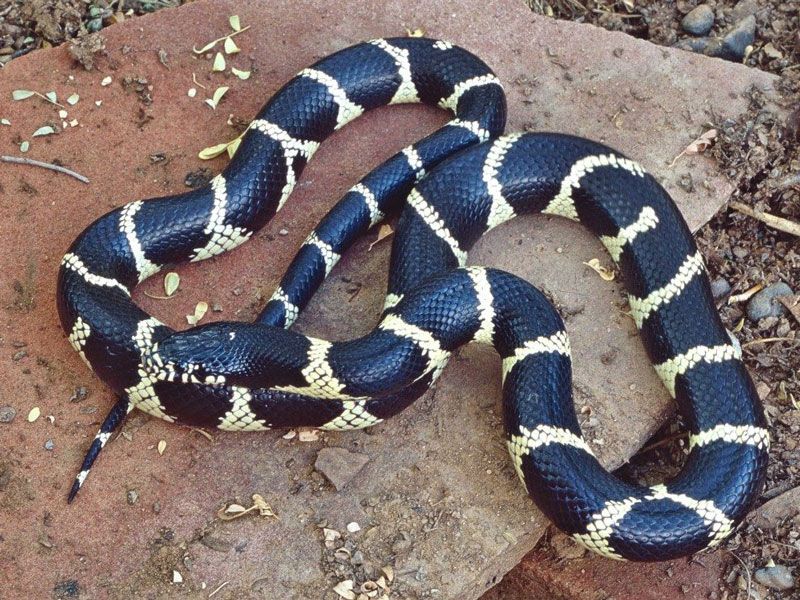
California kingsnakes are native snakes that eat rodents and even rattlesnakes. That makes them sound like the perfect yard helper.
The full story is more careful, and it matters for how you treat any snake you meet. Here is what the science says, what it leaves out, and how to keep your family, pets, and local wildlife safer.
What California kingsnakes eat
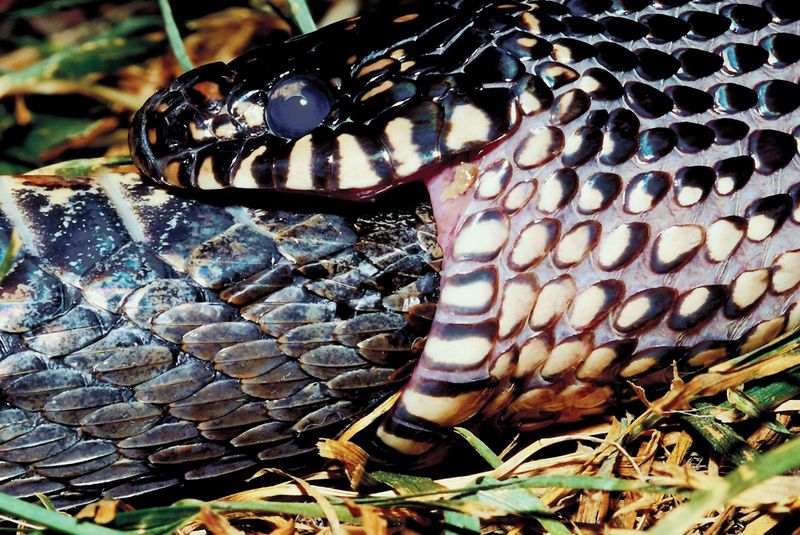
Few snakes have a menu as wide as the California kingsnake. Scientists call it a generalist predator, which means it eats whatever suitable prey it can find.
A study of California kingsnake feeding pulled together 2,662 museum specimens, published diet records, and field observations to build a picture of what the species eats.
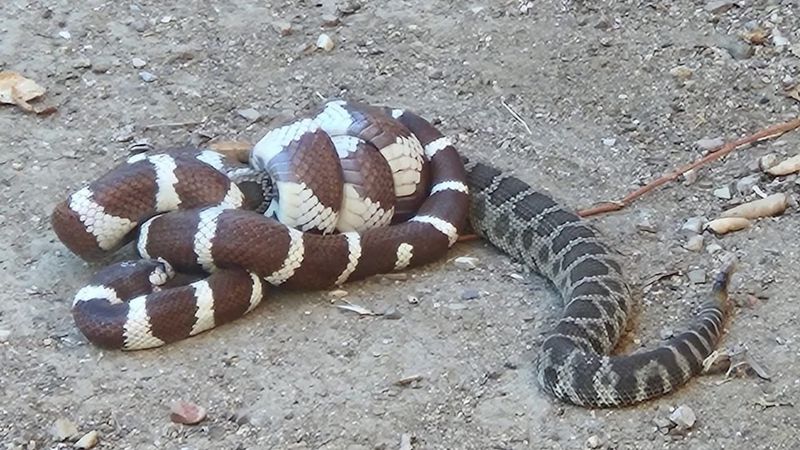
Mammals and other snakes top the list of recorded prey, and rattlesnakes are part of the snake portion. The same records also include lizards, birds, eggs, and amphibians.
So the kingsnake is not a specialist that goes after pests. It is an opportunist with a very broad diet.
There is a limit to what this research can tell you. It describes diet across museum collections, published reports, and observations.
It does not show what kingsnakes eat in residential yards, and it does not show how often they turn up around homes.
That gap matters for California homeowners. The species has real ecological value as a native predator, but the diet record alone cannot tell you what is happening in your own backyard.
What the diet numbers do—and do not—show
Numbers can sound more precise than they are, so it helps to read them carefully. Of 447 recorded diet items in the study, 29% were mammals and 29% were snakes.
Among the mammals that could be identified, 85% were rodents.
Rattlesnakes made up 24% of the snake prey, but only 7% of the total diet. In other words, rattlesnakes are a real but modest slice of what kingsnakes were recorded eating.
These are proportions of recorded prey in a study, not predictions. They do not tell you what a kingsnake will eat in a particular yard.
The authors also found that diet varied from place to place across California, so a statewide pattern may not match what happens in your neighborhood.
Think of the figures as a portrait of the species across many records. They show that rodents and rattlesnakes are on the menu.
They do not show that a kingsnake is working through the rodents or rattlesnakes near your fence line.
A kingsnake cannot guarantee a safer yard
A native predator can be valuable without being a pest-control service. Eating rodents and rattlesnakes in the wild is one thing.
Clearing out an infestation or preventing a rattlesnake visit at your house is another.
A single kingsnake cannot be counted on to remove a local rodent problem. It also cannot be counted on to stop a rattlesnake from crossing your property.
Kingsnakes eat many kinds of prey, and nothing in the diet records suggests they seek out rattlesnakes around homes.
UC IPM guidance on rattlesnakes is blunt on this point. It says the number of rattlesnakes eaten by predators is insignificant for reducing a homeowner’s rattlesnake problem.
It also advises against relocating kingsnakes to a property for that purpose.
Research describes kingsnakes as venom-resistant, but that is not the same as immune to every venom in every situation. Treat the kingsnake as a welcome part of California’s wildlife, and keep practical safety habits in place regardless.
Pattern alone cannot identify an unfamiliar snake
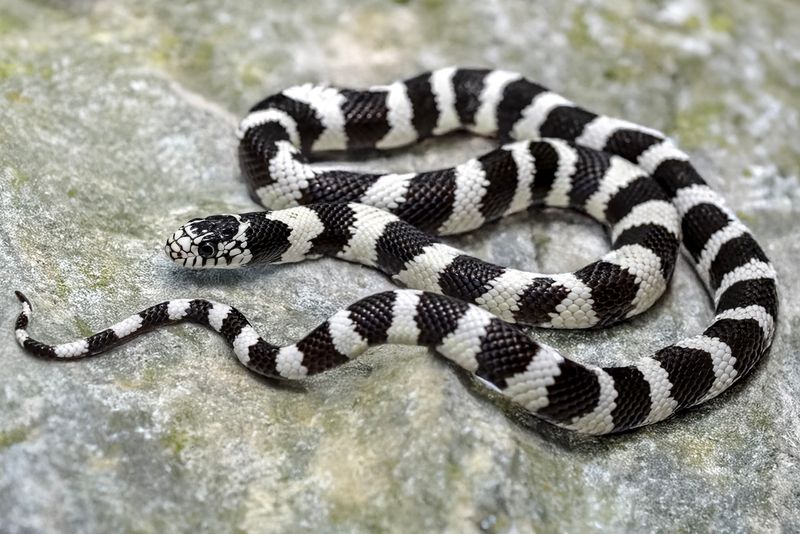
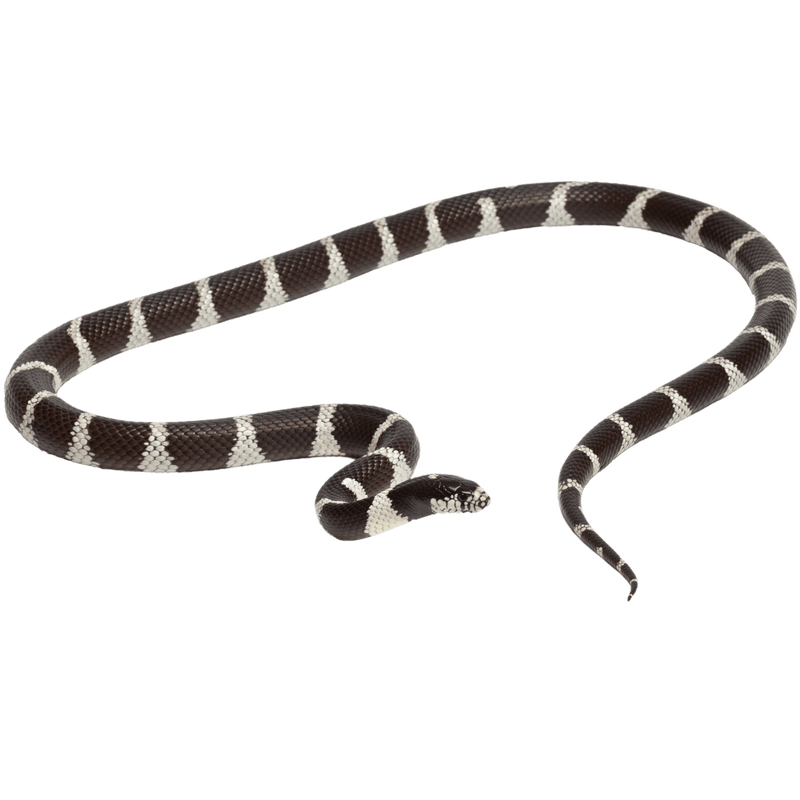
Stripes and bands sound like easy clues, but they can mislead. Striped and banded are two color-pattern forms of the same species, the California kingsnake.
In the study, both forms showed similar consumption frequencies across the main prey categories.
That is useful for understanding the species, but it is not an identification tool for your yard. The diet study describes feeding habits, not how to tell a harmless snake from a dangerous one at a glance.
Pattern alone is not enough to decide that an unfamiliar snake is safe to approach. Please do not move closer, pick one up, or poke at it to check.
Getting close is how bites happen.
Rattles can also fool people. The California Department of Fish and Wildlife notes that a rattle may be absent or hard to notice, including on young snakes.
When you are unsure, treat the snake as one to keep your distance from.
Give a snake space and get help when needed
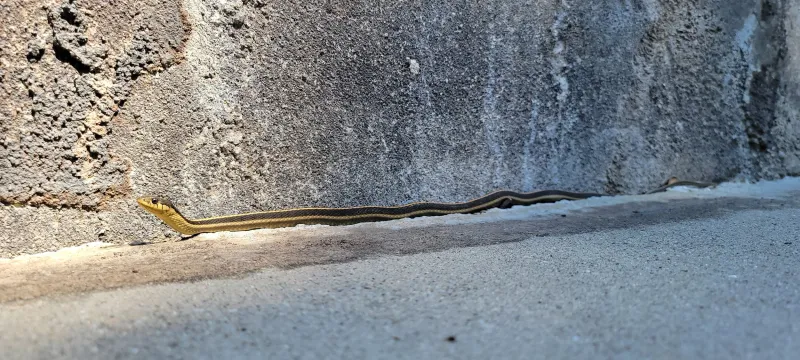
When you spot a snake, the best move is usually the simplest. Leave it alone and give it room to move on.
Keep children and pets well back, and bring dogs inside if you can do so without getting closer.
Do not try to catch, kill, or move an unidentified snake. UC IPM warns that attempting to kill a rattlesnake can result in a bite.
A snake that is left alone often passes through without any trouble.
If a snake needs to be removed, call a professional pest or wildlife-control operator who specializes in snake removal. That is the approach UC IPM recommends.
It protects you, and it avoids harming a harmless native animal by mistake.
A suspected rattlesnake bite is an emergency. CDFW says to call 911 and seek medical attention immediately.
Do not wait to see how it develops.
Reduce snake conflicts around buildings

Snakes visit yards for food and cover, so the most useful steps remove both. UC IPM recommends reducing rodent food sources and hiding places.
Think of brush, tall grass, rocks, logs, and lumber piles that give animals a place to shelter near your house.
Next, look at the buildings themselves. Seal openings into garages, sheds, and the house so snakes and rodents have fewer ways in.
Where it is warranted, UC IPM also suggests properly installed exclusion fencing around an area you want to protect.
These steps reduce attractants and access. They do not pick and choose, so they will not keep kingsnakes while turning away rattlesnakes.
Treat them as general conflict-reduction for the whole property.
Skip the popular shortcuts. UC IPM does not recommend mothballs, sulfur, or plants sold as snake repellents.
A tidy yard and sealed gaps do more than any of them.
Value the kingsnake without relying on it
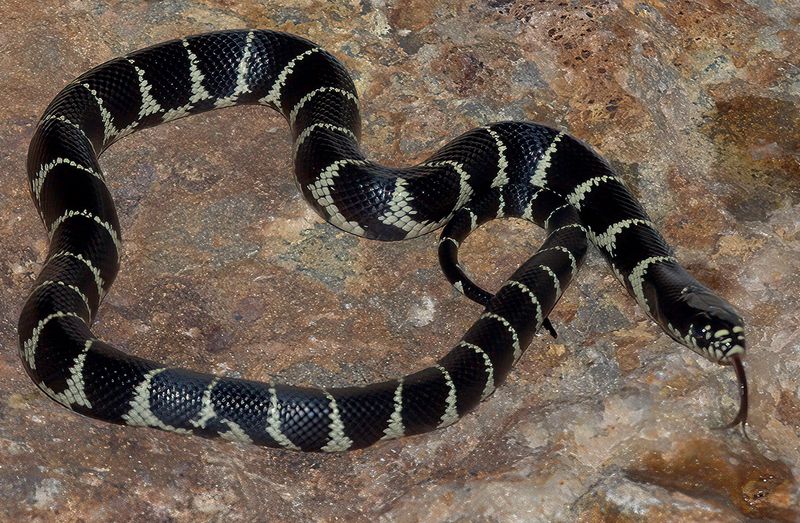
California kingsnakes do eat rodents and rattlesnakes, and that makes them a meaningful part of the state’s wildlife. The diet research backs that up, but it cannot promise control around any one home.
If a snake is passing through and can do so safely, let it go undisturbed. If it truly needs to be removed, UC IPM points to professional help.
A calm yard is the best protection, and a quiet snake on its way is just California doing its thing.