
You water, you feed, and you wait, but your fall cabbage and broccoli still form heads no bigger than a fist. Often the problem isn’t the soil or the weather at all.
It’s the neighbor growing right beside them. Here are eight plants that can quietly steal light, food, and water from your brassicas, plus what to plant instead.
1. Strawberries
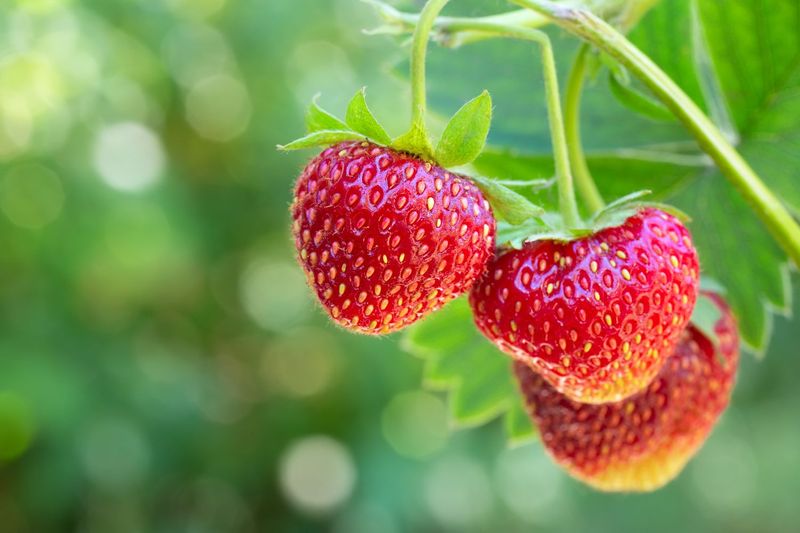
Strawberries look harmless tucked along the edge of a bed, but they make pushy roommates for cabbage and broccoli. Both crops want the same rich, loose topsoil, and strawberries send out runners that fill every open gap.
Before long, your brassica roots are fighting for room.
Gardeners have also long reported that strawberries and cabbage seem to slow each other down when grown close together. The science on that is not settled, but the competition for nitrogen is real.
Cabbage and broccoli are heavy feeders, and a dense mat of strawberry plants can leave less fertilizer for head development.
Across Florida and much of Texas, fall is also when strawberries get planted for a late winter harvest. That timing overlap tempts people to share beds.
Resist it if you can.
A better plan is to give strawberries their own bed, container, or hanging pocket planter. Keep at least a few feet between them and your brassicas.
If they already share space, trim runners weekly and side-dress cabbage and broccoli with a nitrogen-rich fertilizer about three weeks after transplanting. That small boost may help the heads catch up before cooler days slow growth.
2. Pole Beans
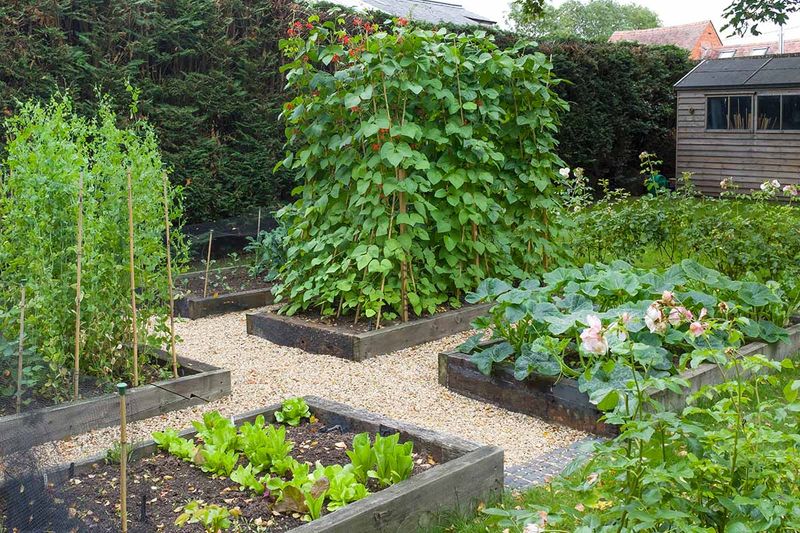
Picture a tall bean teepee towering over a row of baby cabbages. By midafternoon, those cabbages sit in deep shade, and shade is the enemy of a big, tight head.
Pole beans climb fast in the warm early fall weather common across the South. In a Houston or Tampa garden, they can reach six feet while your broccoli transplants are still finding their feet.
Brassicas need six or more hours of direct sun to bulk up, so a leafy wall on the south or west side cuts that supply short.
There’s another wrinkle. Some old-timers believe beans and brassicas simply grow poorly together, though results vary from yard to yard.
Light is the part you can control.
If you love fresh beans, move the trellis to the north side of the bed so its shadow falls away from your cabbage family. Bush beans are a gentler choice, since they stay short.
Another option is to finish your pole beans before setting out brassica transplants, then chop the vines and leave the roots in the soil. Those roots may leave a little extra nitrogen behind for the next crop.
3. Tomatoes
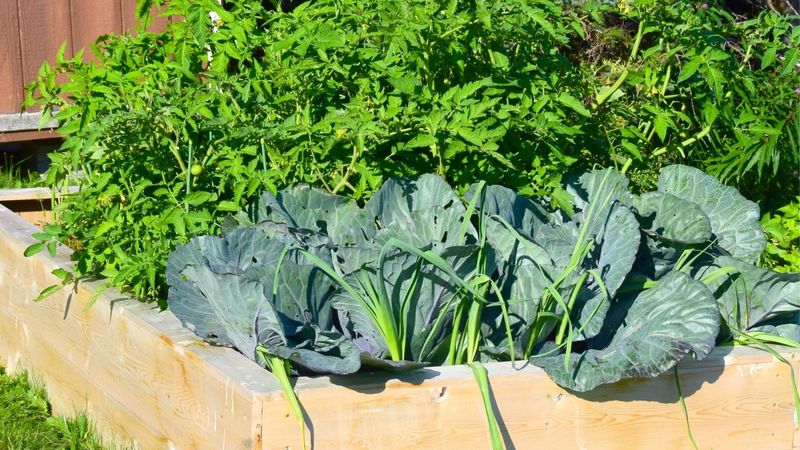
Here’s a classic Southern scene: summer tomatoes are still hanging on in September, so you tuck broccoli transplants right between the cages. It feels efficient.
Sadly, it often backfires.
Mature tomato plants are big, thirsty, and leafy. Their sprawling vines shade small brassica seedlings, and their deep roots pull water and nutrients from the same soil.
Tomatoes also prefer conditions a bit different from broccoli, which likes steady moisture and plenty of nitrogen for leaf and head growth.
Disease and pests can travel between crowded plants too. Tight spacing cuts airflow, and humid fall nights in Florida and the Gulf Coast can invite fungal problems on stressed leaves.
So what’s the fix? Pull spent tomato plants once production drops, then refresh the bed with compost before planting cabbage or broccoli.
If your fall tomatoes are still producing well, give the brassicas a separate bed for now.
Fun fact: tomato leaves may actually help repel some cabbage pests in certain studies. That’s a perk worth using, but at a distance.
A tomato plant a few feet away can be a helpful neighbor, while one sprawled on top of your broccoli is a bully.
4. Squash and Pumpkins
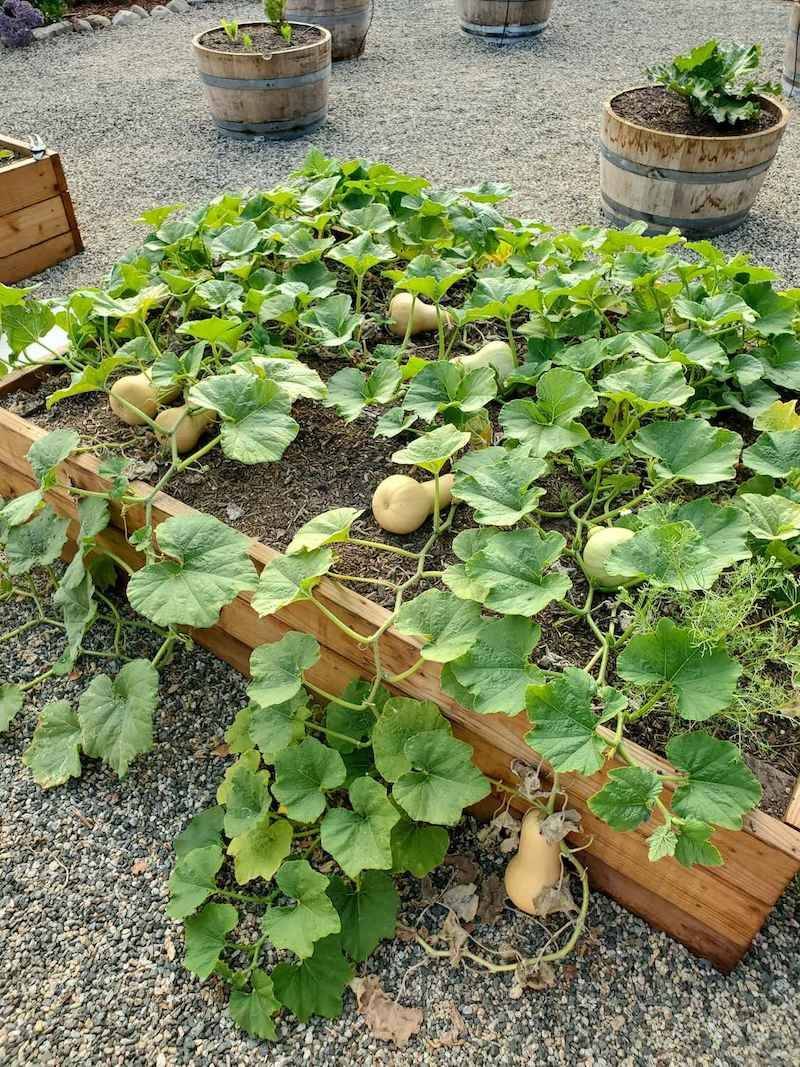
Few plants hog space like a happy squash vine. One zucchini or pumpkin can spread leaves the size of dinner plates across half a raised bed in a few weeks.
That’s bad news for young cabbage and broccoli. Those giant leaves block sunlight and trap moisture near the ground, and brassicas sitting in that damp shade tend to stretch, sulk, and form loose, small heads.
Squash plants also drink a lot of water and can dry out the soil around shallow brassica roots during warm fall spells.
In Texas, many gardeners plant a fall squash crop in August, right as brassica season begins. Overlap is easy to stumble into.
Plan your layout with squash at the edge of the garden or trained up a sturdy trellis. Give brassicas the sunniest, most open spot.
If squash vines start creeping over, gently redirect them or prune back runners.
Watch for squash vine borers and powdery mildew as well. Sick, collapsing squash plants can harbor pests and leave messy debris behind.
Clearing them out promptly keeps your bed tidier and may give your cabbage family a cleaner, healthier start.
5. Sunflowers
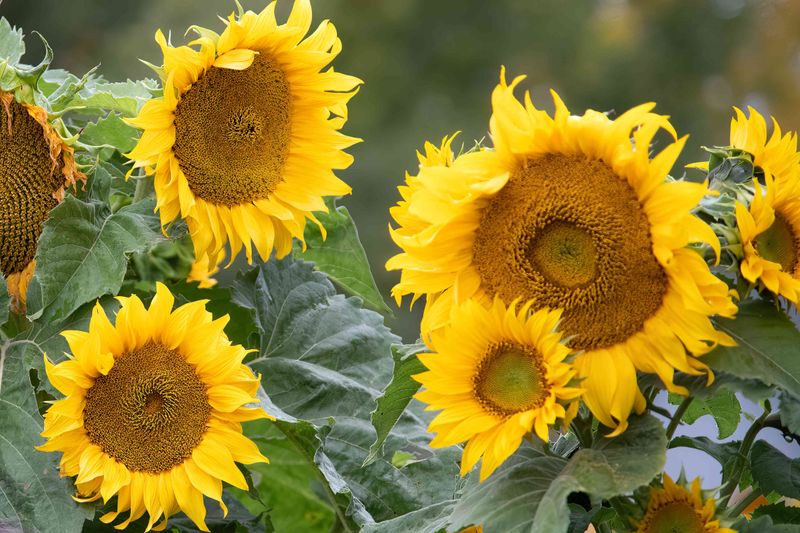
Sunflowers bring bees, birds, and big smiles. They also bring a reputation that might surprise you.
Many sunflower varieties release natural compounds from their roots, hulls, and fallen leaves that may slow the growth of nearby plants. Researchers call this allelopathy.
The effect varies by variety and soil, so not every garden will see it, but brassica seedlings can be sensitive.
Then there’s the shade problem. A sunflower patch planted in late summer can easily top eight feet, throwing long shadows over your fall cabbage and broccoli.
Their wide root systems also scavenge water and nutrients across a surprising distance.
Bird feeders filled with sunflower seed can cause trouble too. Hulls dropped onto beds may build up over time.
You don’t have to give sunflowers up. Plant them along a fence line, at the far end of the yard, or as a pollinator border well away from your brassica beds.
Rake up spent heads and fallen leaves rather than working them into vegetable soil.
A tidy rule of thumb is to keep sunflowers at least ten feet from cabbage and broccoli. That gives your heads full sun and leaves the flowers free to feed the bees.
6. Corn
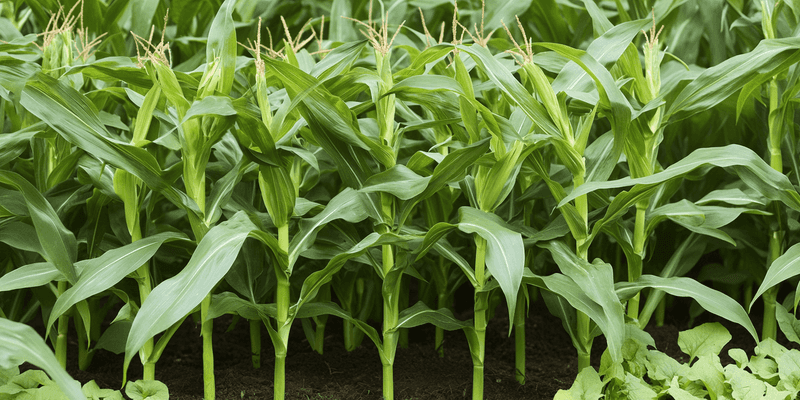
Late corn and fall cabbage sound like a perfect harvest pairing. In the garden, though, they’re more like rivals at the dinner table.
Corn is one of the hungriest crops you can grow. It gulps nitrogen, and so do cabbage and broccoli.
Put them side by side and they split a limited supply, which often means smaller, looser brassica heads.
Height matters here too. A block of corn becomes a solid green wall that blocks morning or afternoon sun.
Brassicas planted in that shadow may grow tall and leggy rather than compact and heavy.
Gardeners in North and Central Texas sometimes push a second corn planting into early fall. If that’s you, keep the patch on the north end of the garden.
After harvest, chop the stalks and compost them instead of leaving them to dry in place. Old stalks can shelter corn earworms and other pests that sometimes move to tender greens.
Before planting brassicas in a bed that just grew corn, add a generous layer of compost or a balanced fertilizer. Restoring that nitrogen is one of the easiest ways to help cabbage and broccoli bulk up.
7. Other Brassicas Packed Too Close
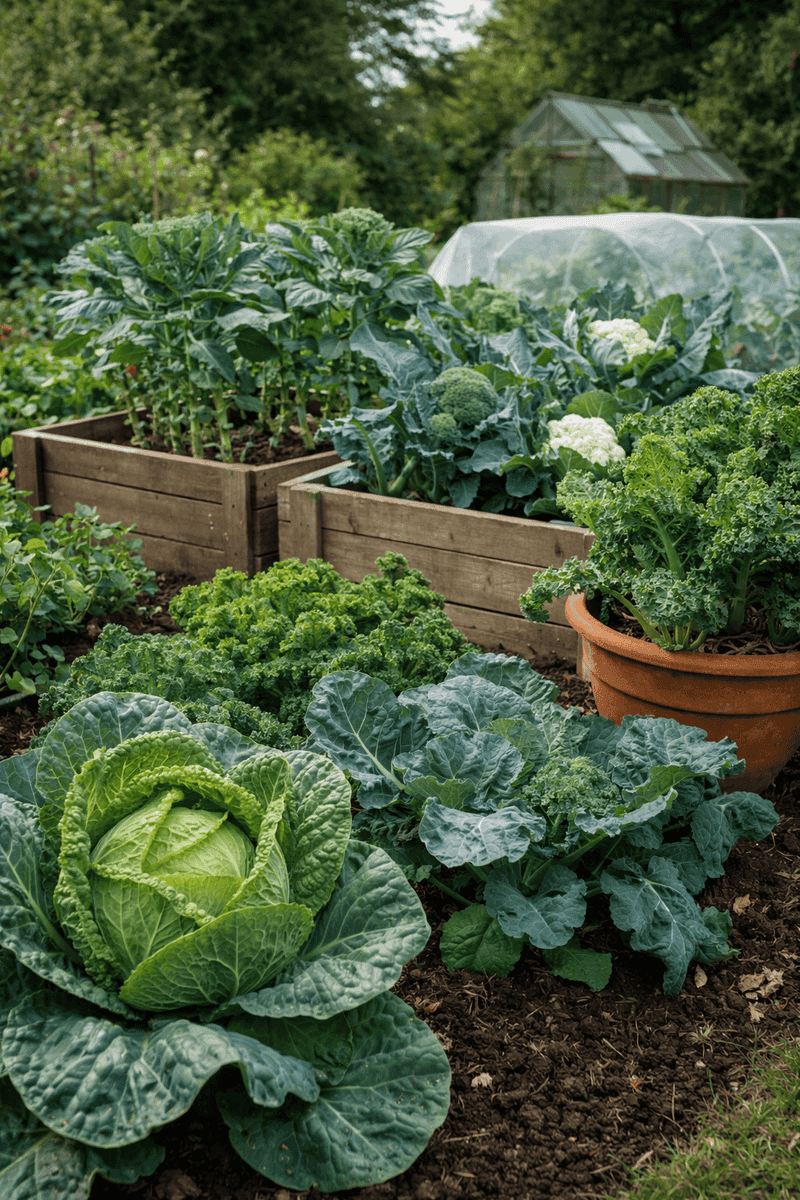
Surprise! Sometimes the worst neighbor for broccoli is its own family.
Kale, cauliflower, collards, Brussels sprouts, and turnips all belong to the same plant group, and crowding them together can shrink every head in the bed.
The first issue is food. All brassicas are heavy feeders with similar needs, so a packed bed runs low on nitrogen quickly.
The second issue is pests. Cabbage loopers, imported cabbageworms, aphids, and harlequin bugs love brassicas of every kind.
When dozens of plants sit shoulder to shoulder, those pests can hop from one to the next with ease. In mild Southern falls, they may stay active for months.
Spacing is your friend. Give cabbage and broccoli about 18 to 24 inches between plants.
Mix in pest-confusing herbs like dill, cilantro, or thyme between rows instead of more brassicas.
Rotation helps as well. Try not to grow cabbage-family crops in the same spot more than one season in a row, since soil diseases like clubroot can build up.
Lightweight row cover placed right after transplanting may also reduce caterpillar damage, giving each plant more energy to put into its head.
8. Mint and Aggressive Spreaders
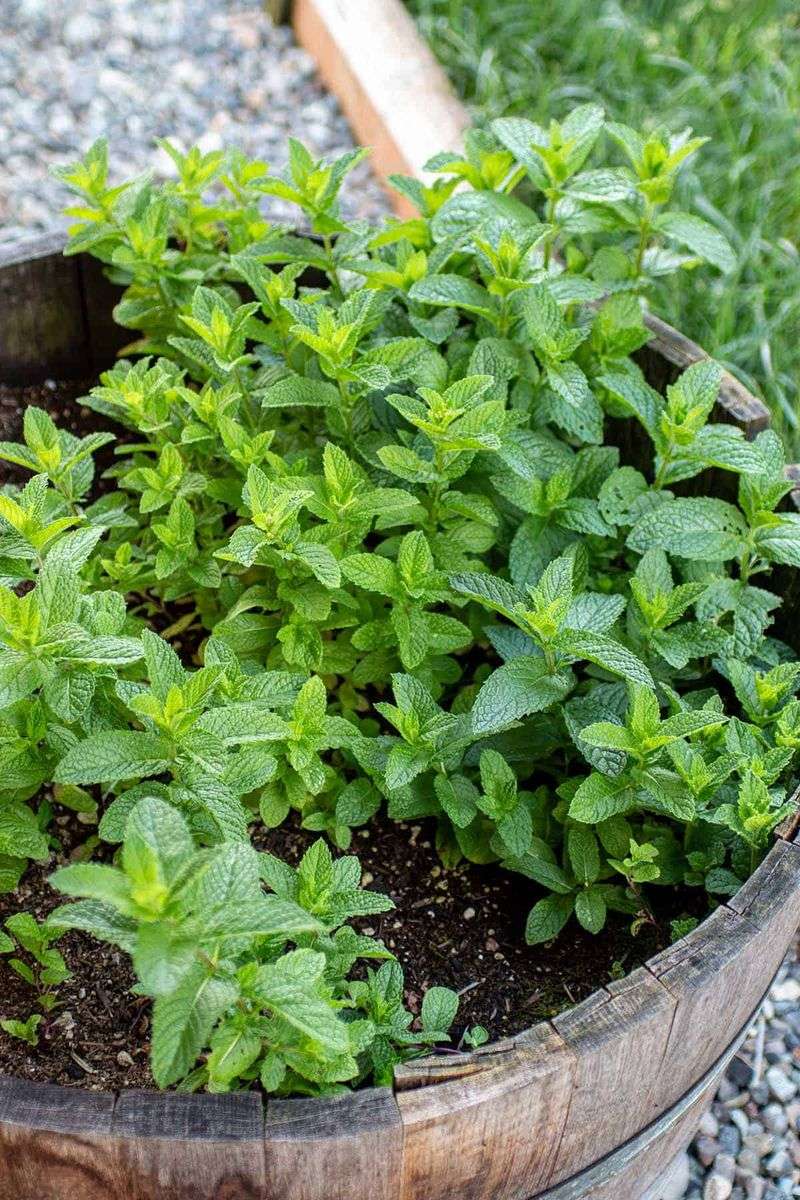
Ask any gardener who planted mint in the ground once. Chances are you’ll hear a groan, followed by a story about it taking over everything.
Mint has a good reputation as a pest-repelling herb, and its scent may help confuse some cabbage moths. The trouble is how it grows.
Underground runners spread fast through loose, rich soil, forming a tangled root mat that steals water and nutrients from cabbage and broccoli.
Other sprawlers can cause the same headache. Bermuda grass creeping in from a lawn, oregano left unchecked, and even horseradish can crowd brassica roots and stunt head growth.
In Florida’s sandy soils, where nutrients wash away quickly, that extra competition hits even harder.
Want the benefits without the takeover? Grow mint in pots and set them near the brassica bed, not in it.
Sink a pot into the soil with the rim sitting above ground if you prefer a planted look.
Edge raised beds with a barrier to keep lawn grass from invading. Pull spreading weeds while they’re small, before roots get deep.
Keep your brassicas’ root zone clean and uncrowded, and they’ll have a much better shot at forming the big, dense heads you’ve been waiting for.