
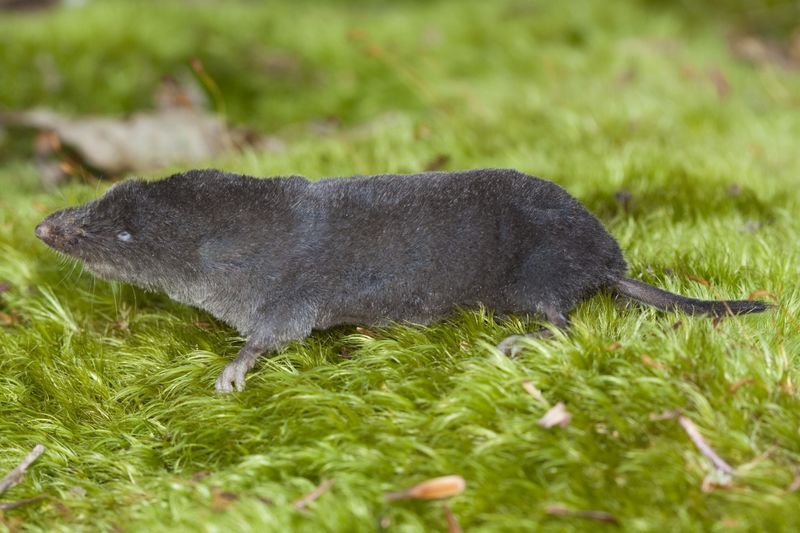
A mammal that weighs less than an ounce can have venom in its saliva. Minnesota’s short-tailed shrew is that animal, and the fact tends to surprise people who think of venom as a snake or spider trait.
Florida and Texas gardeners may wonder if the same animal lives near them. The answer is more careful than the headline hook, and it starts with sorting out which shrew is which.
The Minnesota shrew under an ounce is not the pygmy shrew
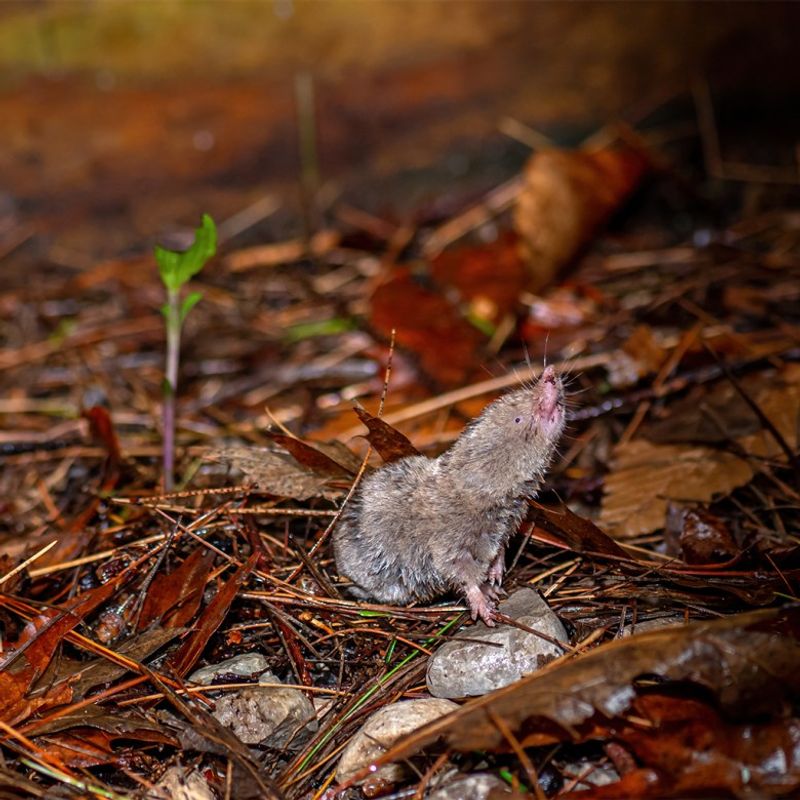
Minnesota has several kinds of shrews, so the species name matters. The animal behind the size-and-venom claim is the short-tailed shrew, which the Minnesota DNR lists at about one-half to three-fourths of an ounce.
That is roughly the weight of a few coins.
The state’s pygmy shrew is much smaller, at about one-eighth of an ounce. The venom claim belongs to the short-tailed shrew, not to the pygmy shrew, so those two should not be swapped.
Shrews are often mistaken for mice, but a few features set them apart. The DNR describes shrews as having long pointed noses and dense fur, with five toes on each foot.
Most mice have four toes on their front feet and a blunter face.
Those clues are handy on paper, but they are hard to use on a fast-moving animal that disappears into leaves in a second. A quick glimpse in the yard is not a reliable way to name the species, so treat any identification from a brief sighting as a guess.
Venomous saliva helps the shrew subdue prey
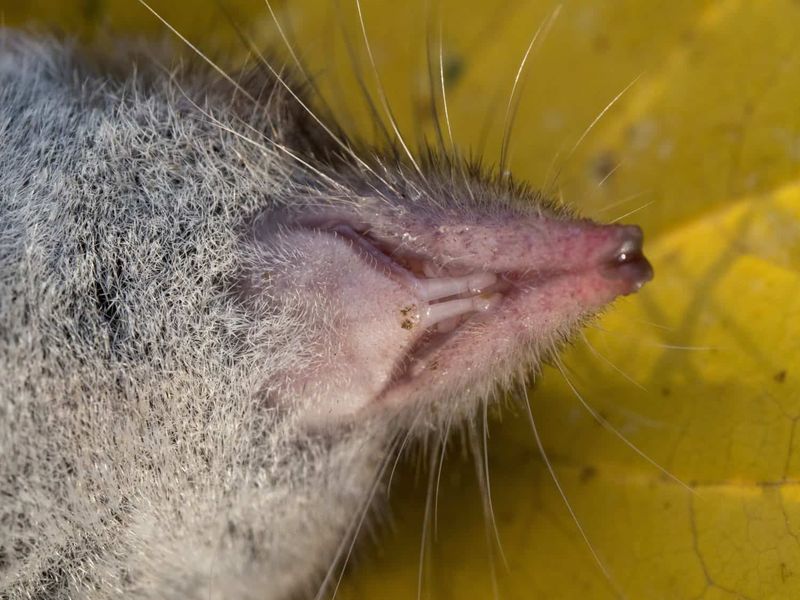
Venom in a shrew works differently than most people picture. The Minnesota short-tailed shrew has venom in its saliva, and that helps it subdue prey such as insects, worms, and other small animals.
The toxin gets into prey through cuts made by its teeth.
Pennsylvania’s wildlife agency notes that the shrew lacks an efficient injection system. So this is not a snake-like strike with specialized fangs, and it is not an animal that goes after people.
Researchers have studied the chemistry closely. A peer-reviewed study isolated a toxin from the northern short-tailed shrew and tested it in mice.
A separate multi-omic analysis described the venom of this diet generalist as relatively simple.
Those experiments used laboratory animals, so they say little about what a bite does to a person. How severe a human bite might be is simply not answered by that work.
Suitable yard cover can support shrews, but sightings are uncertain
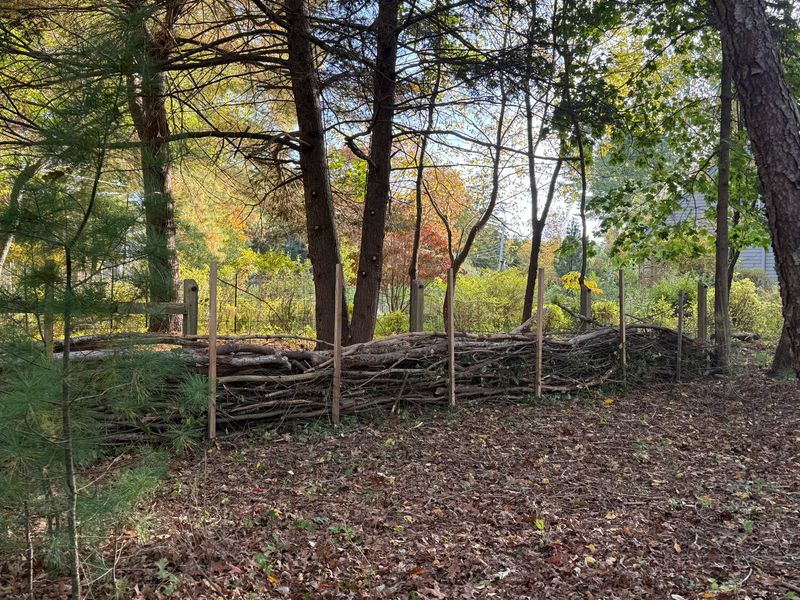
Shrews follow cover and food. Pennsylvania’s wildlife agency says short-tailed shrews use woods, stream banks, tall grass, brush, soil, and leaf litter.
Those are the kinds of spots that can show up at the back of a property.
The Maryland DNR goes a step further and lists backyards among habitat for the northern short-tailed shrew. A damp corner with a thick mulch layer or an untrimmed grassy edge fits that description.
Habitat describes what is possible, though, not what is likely. Nothing in these sources says how often a homeowner finds one, and Pennsylvania’s agency notes that most people never see shrews, even though the animals are plentiful.
So a leaf pile is not a warning sign. It is simply the sort of place a small, secretive animal could be hiding.
Southern short-tailed shrews are a different species
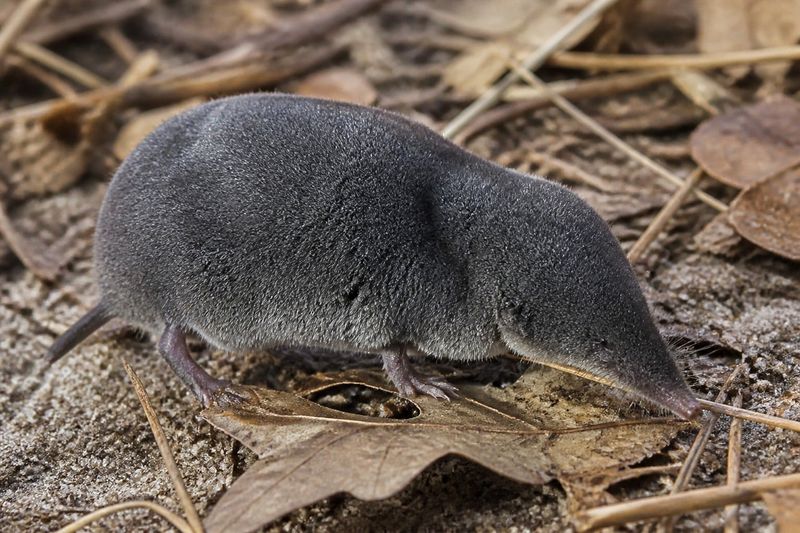
Gardeners in Florida and Texas should know that the shrew in the Minnesota story is not the one in their region. The Minnesota animal is the northern short-tailed shrew.
The American Society of Mammalogists lists a separate species, the southern short-tailed shrew, Blarina carolinensis, in Florida, eastern Texas, and other Southeastern states.
That range tells you where the species is found in general. It does not show that one lives in any particular yard, and it does not say how likely you are to meet one.
The venom question stays open for the southern species. The University of Michigan’s Animal Diversity Web says venom has not been tested in B. carolinensis, though it may make a similar substance.
Findings from the Minnesota species should not be carried over to it. A related Southern shrew may occur in some yards, and what its saliva does is simply not known from these sources.
Leave wild shrews alone and respond carefully to bites
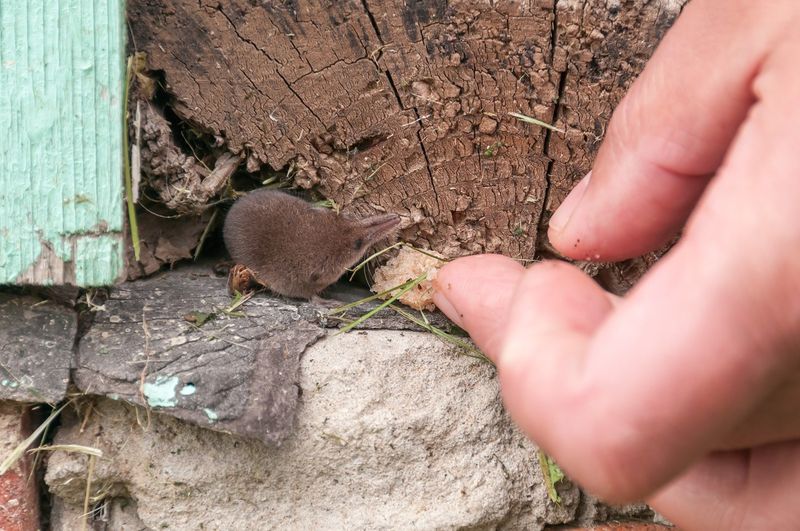
Keeping hands off is the simplest rule. Do not pick up, handle, or try to move a wild shrew by hand.
The Minnesota DNR documents a sharp bite, reporting painful swelling that lasted several days.
General wildlife guidance from the CDC also advises against touching wild animals. If one turns up in a shed or garage, give it room to leave on its own, and wear sturdy gloves when moving brush or debris where small animals may hide.
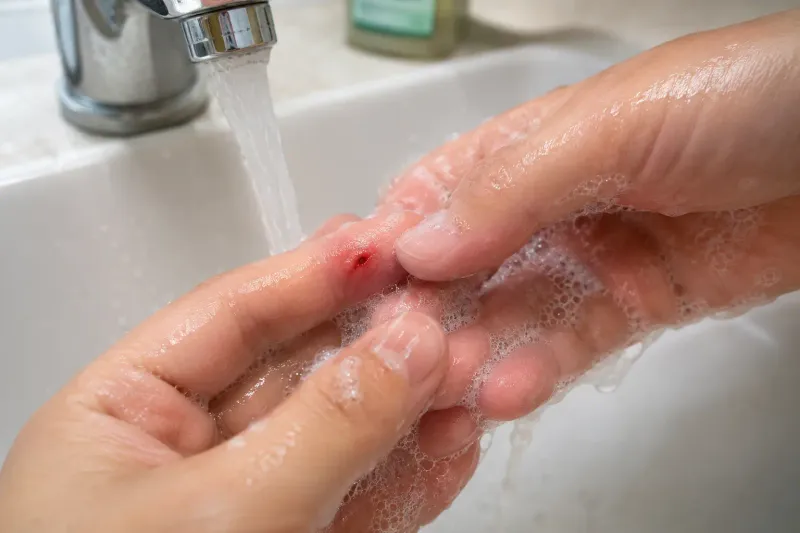
If a bite does happen, California’s animal-bite guidance points to washing the wound promptly with soap and water.
Seek medical advice if the bite breaks the skin, or if pain, redness, swelling, or discharge gets worse. Beyond that, there is no basis here to predict how a particular bite will go or to recommend other treatment, so a health professional is the right next call.
Shrews may eat garden pests, but they are no guaranteed fix
Shrews eat mostly animal prey, which gives them a modest place in the garden. The Missouri Department of Conservation says shrews help keep yard, garden, and farm pests in check.
That is a broad ecological benefit.
It is not a promise. A shrew may eat some insects, but nothing here shows it will clear up a particular infestation on your tomatoes or squash, so keep using the usual scouting and pest steps.
The same agency advises against poisoning moles and shrews, because poison can affect the wider ecosystem. Bait meant for one animal can end up harming others.
Shrews are not rodents, and nothing in these sources ties them to plant damage the way voles are blamed. Noticing a tunnel or a rustle in the mulch calls for curiosity, not alarm.
The tiniest animals in the yard often do their work where nobody is looking.