
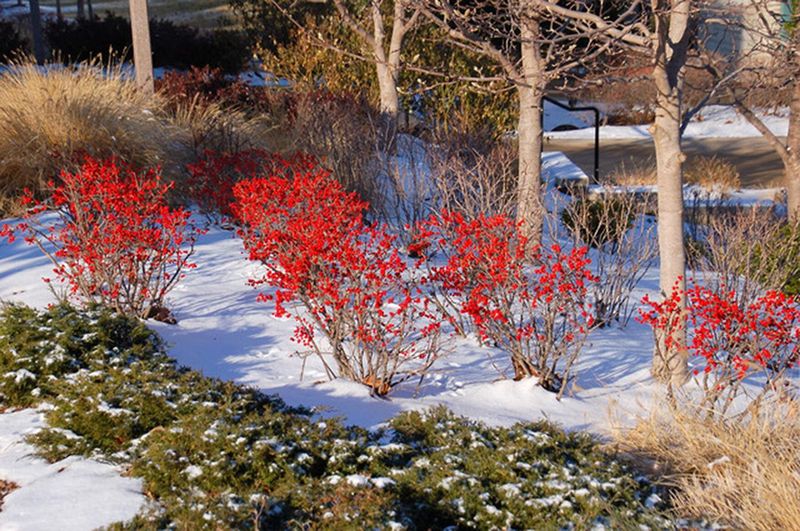
Few sights beat a bright red cardinal against a gray Central Texas winter sky. Possumhaw holly, a native plant, drops its leaves and shows off red berries just when the yard looks bare.
Cardinals are known to eat that fruit, though no plant can promise a visit. Here is how to pick, place, and plant one this November.
Possumhaw adds native winter color to Central Texas
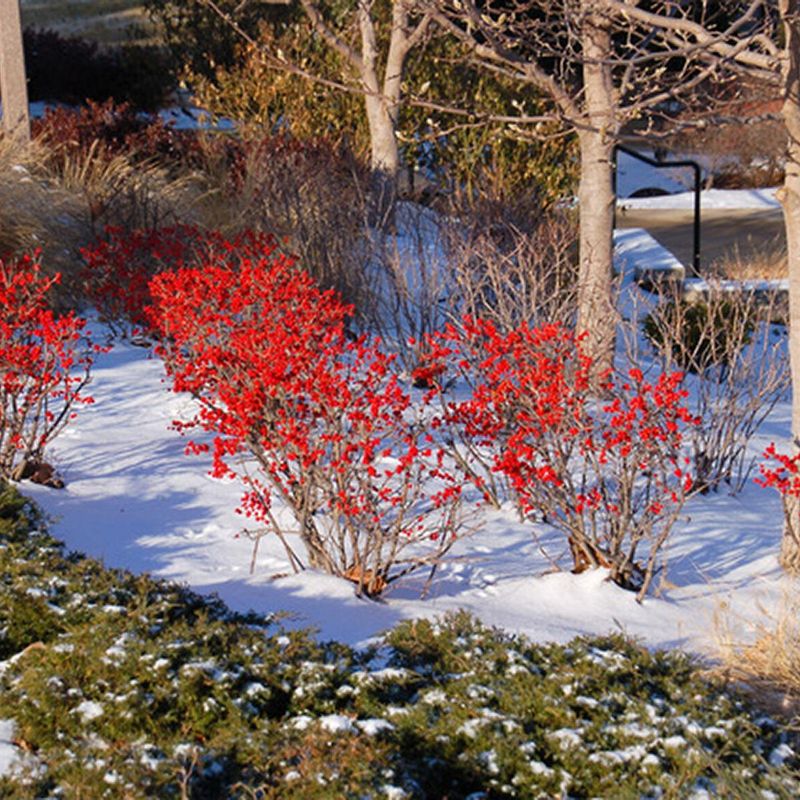
Possumhaw holly (Ilex decidua) is a good match for Central Texas because it is local. Austin’s plant guide lists it as native to both the Blackland Prairie and the Edwards Plateau, so it belongs in many yards from Waco to San Antonio.
Unlike most hollies you may know, possumhaw is deciduous. Its leaves drop in fall, leaving bare branches.
That is exactly when its red or orange fruit stands out, and the fruit can stay on the branches through fall and winter.
Persistence varies, though. Some plants hold their fruit for weeks, while others get stripped sooner, often because birds and other wildlife eat it.
Do not expect every plant to stay loaded all winter long.
The fruit is usually called berries, but the Lady Bird Johnson Wildflower Center and other references note that they are technically drupes, meaning fleshy fruit with a hard seed inside. For a homeowner, the practical point is simple: you get a splash of red when most plants have gone dull.
Picture it against a limestone wall, a fence line, or the edge of a lawn. It brings a native look and a seasonal payoff without a lot of fuss, as long as you pick the right plant and the right spot, which the next sections cover.
Cardinals eat possumhaw fruit, but it does not guarantee a flock
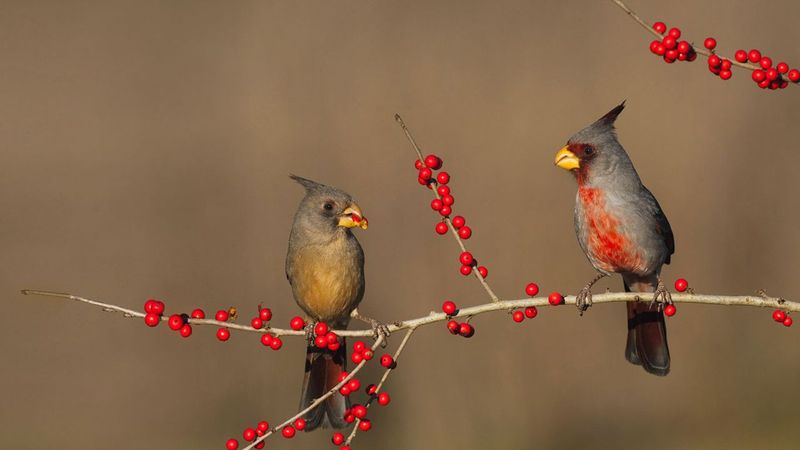
A bird-food list from an Audubon chapter’s fruiting plants guide names Northern Cardinals among the birds recorded eating possumhaw fruit. That is a real, useful link between the plant and the bird.
It helps to know the bird, too. Texas Parks and Wildlife describes cardinals as year-round residents across the eastern two-thirds of Texas.
They eat seeds, fruit, and insects, and in winter they sometimes gather in flocks.
Put those facts side by side and you get a fair picture. Cardinals eat possumhaw fruit, and cardinals sometimes flock in winter.
Nothing shows that the shrub causes the flocking.
Cardinals also eat plenty of other foods, from sunflower seeds at feeders to fruit on other native plants. So a possumhaw may become one stop on a cardinal’s winter route, but it cannot promise visits or set the size of a flock.
A fair way to think about it: you are adding a food source and winter color. If cardinals drop by, enjoy it.
If your neighbor’s yard gets more traffic, that is normal bird behavior, not a sign you planted wrong.
Choose a bright site and leave room for a small tree
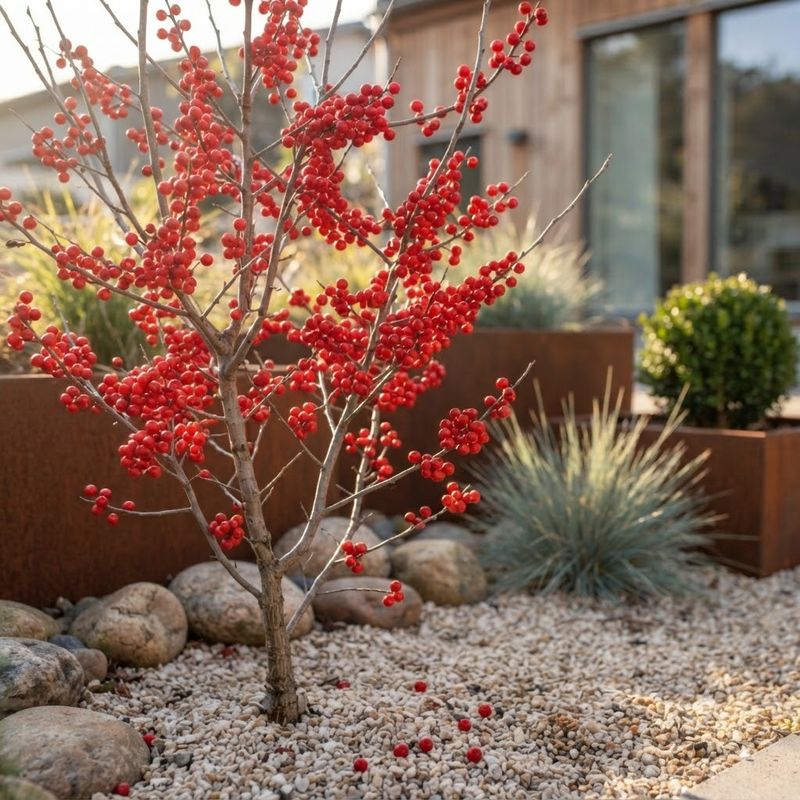
Plan for size before you plant. Austin’s guide gives a mature height of about 12 to 20 feet and a width near 12 feet, while the Wildflower Center describes plants reaching 15 to 30 feet.
Treat it as a large shrub or small tree and leave generous space, well away from fences, eaves, and power lines.
For light, Austin’s guide recommends sun to part shade. More sun generally means a better show of fruit, so a bright spot is a smart choice for a plant you are growing for winter color.
Possumhaw is more flexible about soil than many landscape plants. The Austin guide notes it tolerates poor drainage, and the Texas Tree Selector lists tolerance of drought, poorly drained sites, and alkaline soils, which fits much of Central Texas clay and limestone.
Still, tolerant does not mean care-free. The same selector rates its water needs as moderate, so expect to help it through dry spells, especially in its first years.
It will not suit every site, so skip spots that are deeply shaded or too cramped for a tree this size.
Check plant sex and pollination before expecting fruit
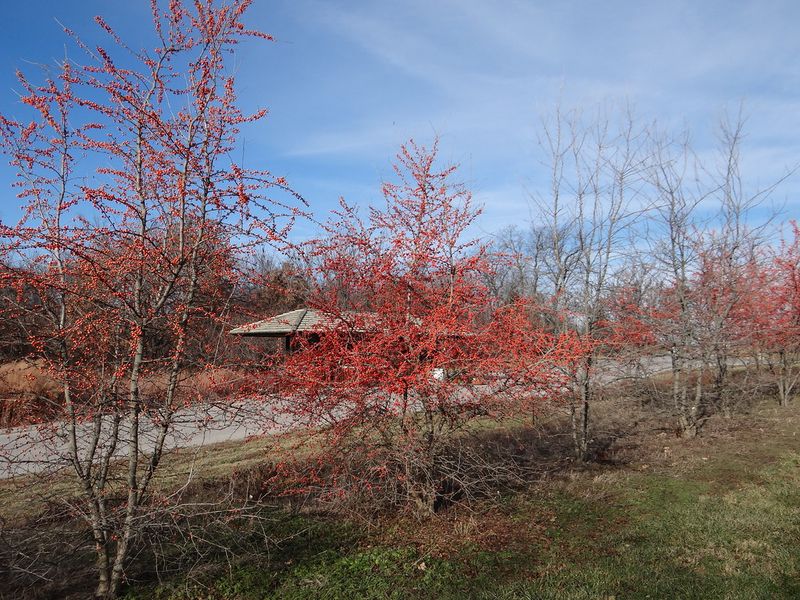
Here is the catch many buyers miss: not every possumhaw makes berries. The Texas A&M Forest Service says male and female flowers are borne on separate trees.
Only the females produce the showy fruit.
Fruit also depends on pollination, so a female needs a compatible male close enough for pollinators to reach. At the nursery, check the label and ask whether a male is nearby, either in your yard or in the neighborhood.
There is a twist. North Carolina State Extension notes that some plants may have perfect flowers, meaning both parts on one plant.
So a separate male is not a rule without exceptions.
If confirming a female matters to you, buy while the plant is in fruit. Red berries on the branch are the clearest proof, and the Wildflower Center notes that females carry the berries.
A fall or early winter shopping trip lets you see what you are getting.
November can be a suitable planting window in Central Texas
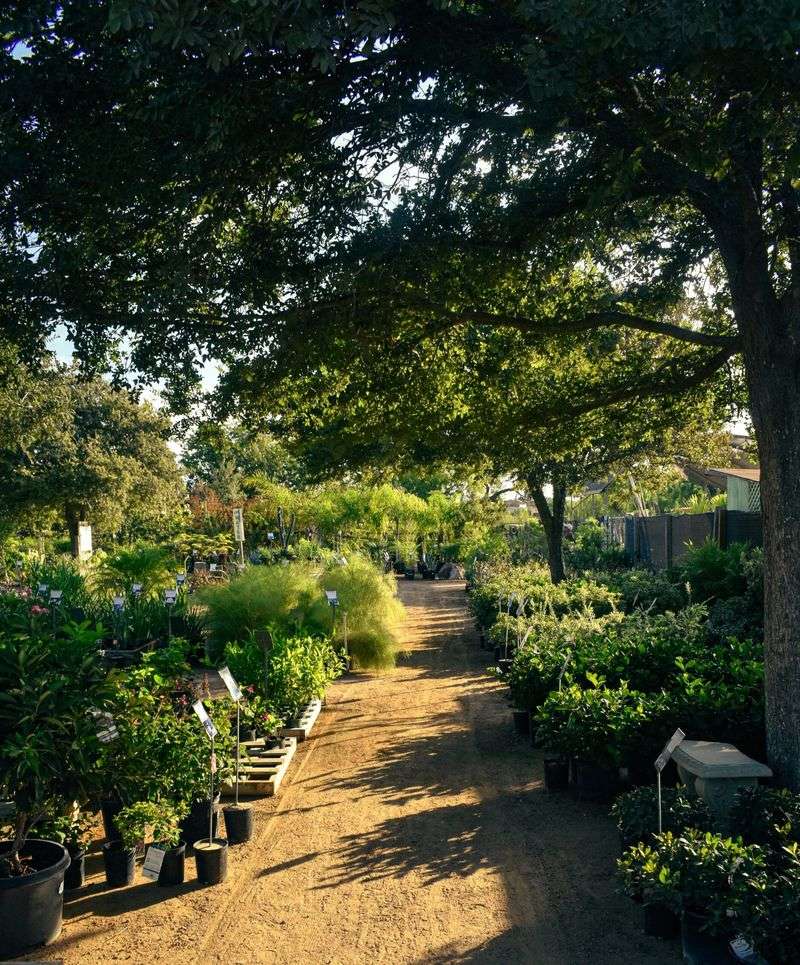
Late fall is a smart time to get woody plants in the ground here. Texas A&M AgriLife Extension says winter is a good time to plant trees and shrubs and advises planting well before hot weather arrives.
Cool months give roots time to settle before Central Texas summer.
Timing context helps. Travis County AgriLife guidance puts the average first freeze for the Austin area between November 29 and December 5, depending on the period of record.
That is an average, not a forecast or a deadline.
So treat November 2026 as a reasonable window, not a promise that any given day works. Check the local forecast before you dig.
Hold off if the ground is frozen or soggy after heavy rain. Digging in waterlogged clay can smear the hole walls and leave roots sitting in mud.
Wait a few days, let the soil drain to a workable crumble, then plant.
Plant at the root ball’s depth and monitor moisture
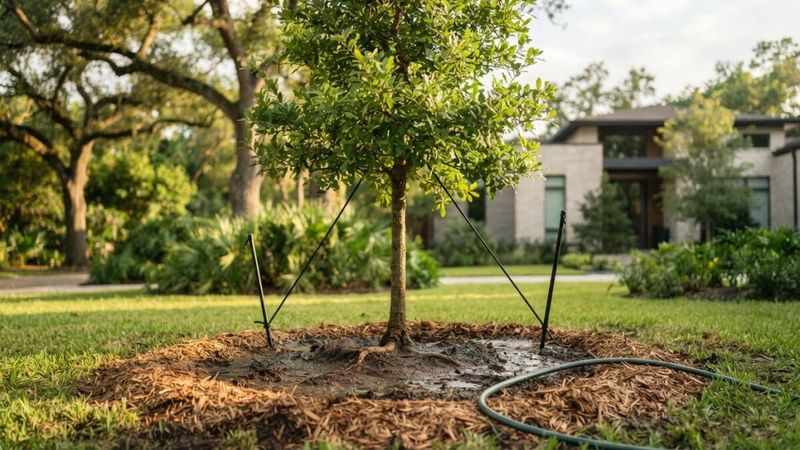
Planting a container-grown possumhaw is straightforward. The Texas A&M Forest Service advises digging a hole about twice as wide as the root ball but no deeper.
Set the root collar, where the trunk widens at the base, flush with or slightly above the surrounding grade.
Backfill with the native soil, then water thoroughly to settle it. Planting too deep is a common mistake, so check the level before you fill in.
Watering matters after the shovel goes away. The November 2026 AgriLife horticulture newsletter reminds gardeners that new trees need ongoing moisture, including in cool weather.
When rain is not enough, give it a slow soaking.
Skip the daily sprinkle. Heavy clay soil can stay wet for days, and keeping it saturated is not the goal.
Push a finger a few inches down near the root ball and water when it feels dry.
Add a layer of mulch to hold moisture, and keep it pulled back from the trunk so bark stays dry. Planting in the right season helps, but it does not replace follow-up care, especially before summer heat arrives.
Treat holly-berry safety advice as a general precaution
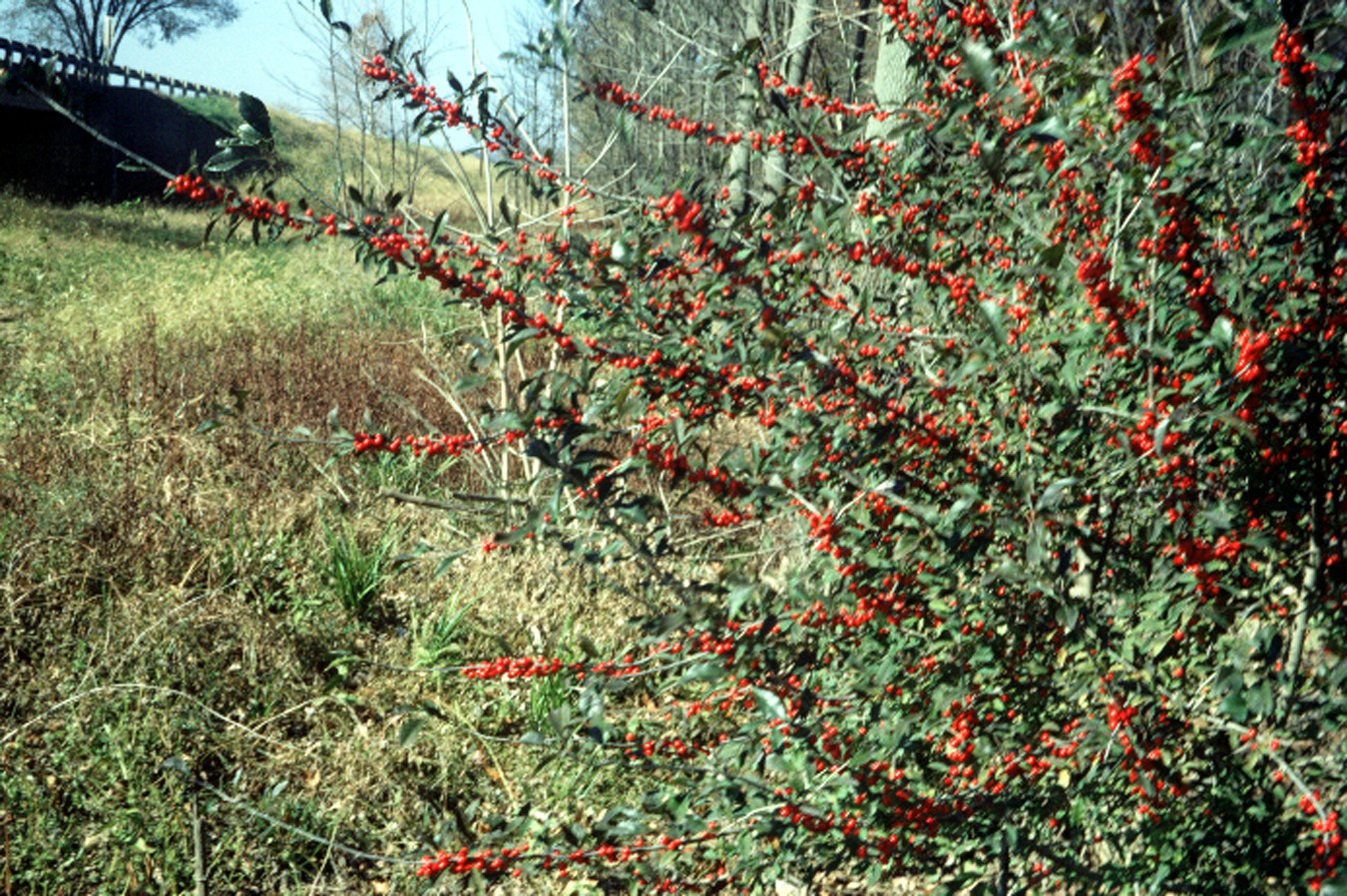
Possumhaw can pair native winter color with a food source for birds, but it is not a guaranteed cardinal magnet. Think of it as a good plant that gives birds a chance to visit, not a promise.
One safety note applies to the berries. Poison Control’s holly guidance warns that eating holly berries may cause nausea, vomiting, and diarrhea.
That is general holly-berry advice, not a verified finding about possumhaw specifically.
Play it safe anyway. Keep children and pets from eating the fruit, and call Poison Control or a veterinarian if you are worried about an ingestion.
Plant it, watch the branches, and let the birds decide.