
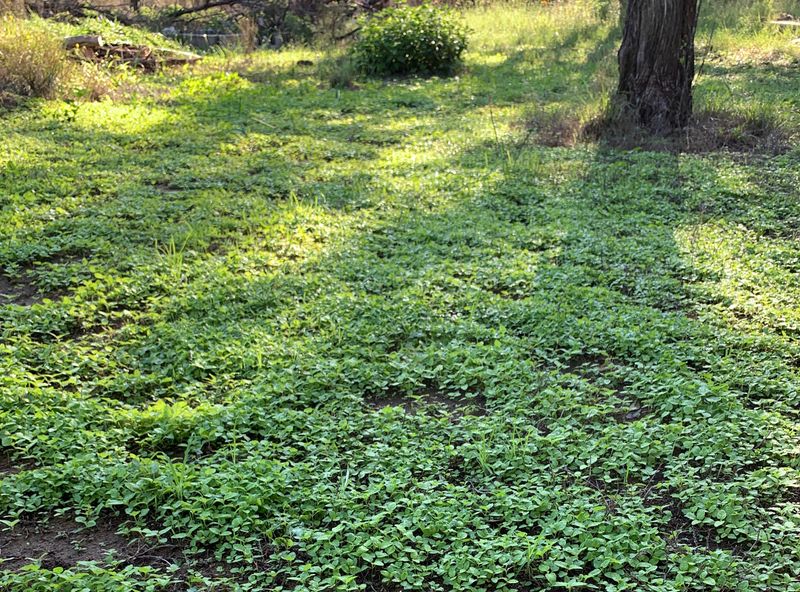
Every winter, plenty of Central Texas lawns fade to straw while the shady corners look worst of all. A low native plant called horseherb might keep some leaves going when turf shuts down.
It will not work everywhere, and it will not promise a perfect green carpet. Here is what it can and cannot do, so you can try it in the right spot.
Meet horseherb, a locally native groundcover
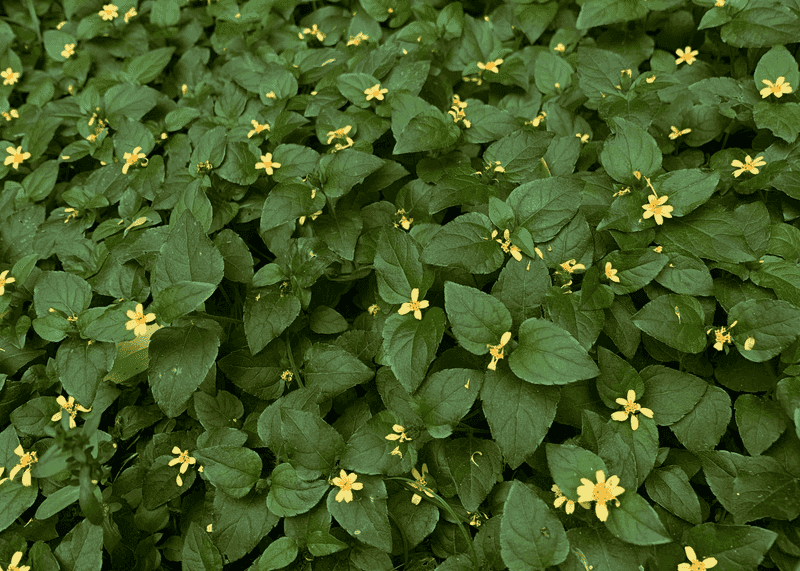
Horseherb goes by a second name, straggler daisy, and its botanical name is Calyptocarpus vialis. It is a low, spreading plant with small yellow daisy-like flowers.
Gardeners in Central Texas sometimes use it where grass struggles.
According to the City of Austin plant guide, horseherb is native to the Blackland Prairie and the Edwards Plateau. That is a narrow claim, and it is worth keeping narrow.
Nobody should read it as proof that the plant is native or reliable across all of Texas.
The same guide lists horseherb as semi-evergreen. That word is the reason it shows up in conversations about winter color.
It means the plant may hold some of its foliage in cold months, but it does not mean the leaves will stay fresh and green through every freeze.
So the title question needs an honest answer. Horseherb may retain winter foliage in some yards and some winters.
It is not a guaranteed green lawn replacement, and no source reviewed gives a promise about how it will look in January.
Think of this article as a way to size up a small trial planting. If you have a stubborn shady patch where St. Augustine looks tired, horseherb is worth a close look.
If you want your whole yard to glow green in winter, this plant is not the answer to that request.
Brown St. Augustine may be dormant, not dead
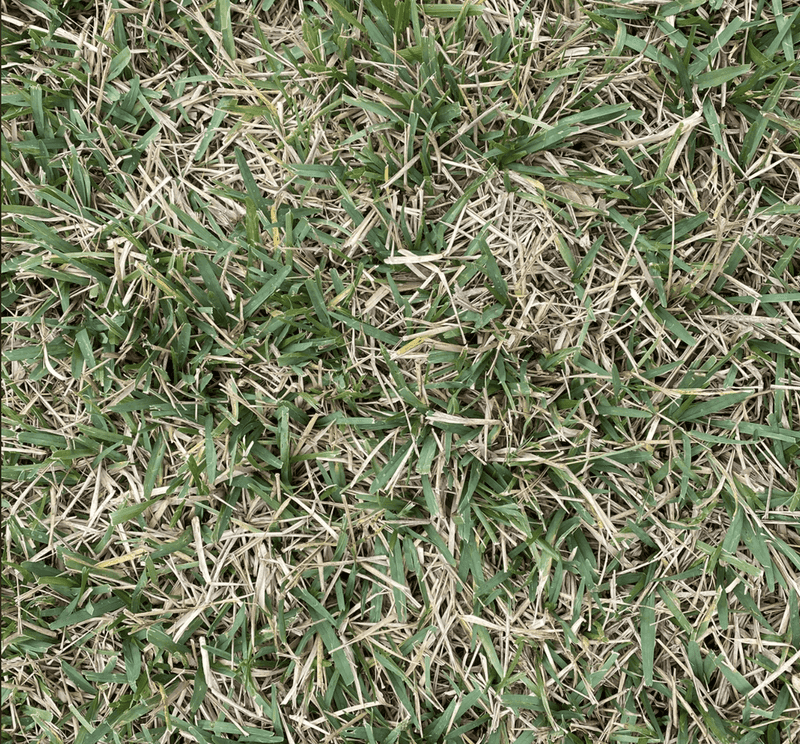
Before you rip anything out, figure out what kind of brown you are looking at. Texas A&M AgriLife Extension describes St. Augustinegrass as a warm-season grass that commonly turns brown or off-color during winter dormancy.
That is normal behavior, not a sign you did something wrong.
Dormant grass is resting. In many cases it greens up again when spring warms the soil.
The same source also cautions that winter-kill can happen in some parts of Texas. That means a brown lawn is not always just asleep.
Some of it may be truly damaged.
Here is a simple clue to try. In early spring, watch whether the brown patches start to green from the edges and from runners as the weather warms.
Patches that stay brown and crumbly long after neighboring turf wakes up deserve a closer look.
Horseherb will not repair damaged turf, and it is not a cure for a lawn that is dormant. What it can do is give you a different plant to try in one area if you already know that spot is a poor fit for grass.
Sort out dormancy from damage first, then decide what to replace.
Dry shade is horseherb’s strongest fit
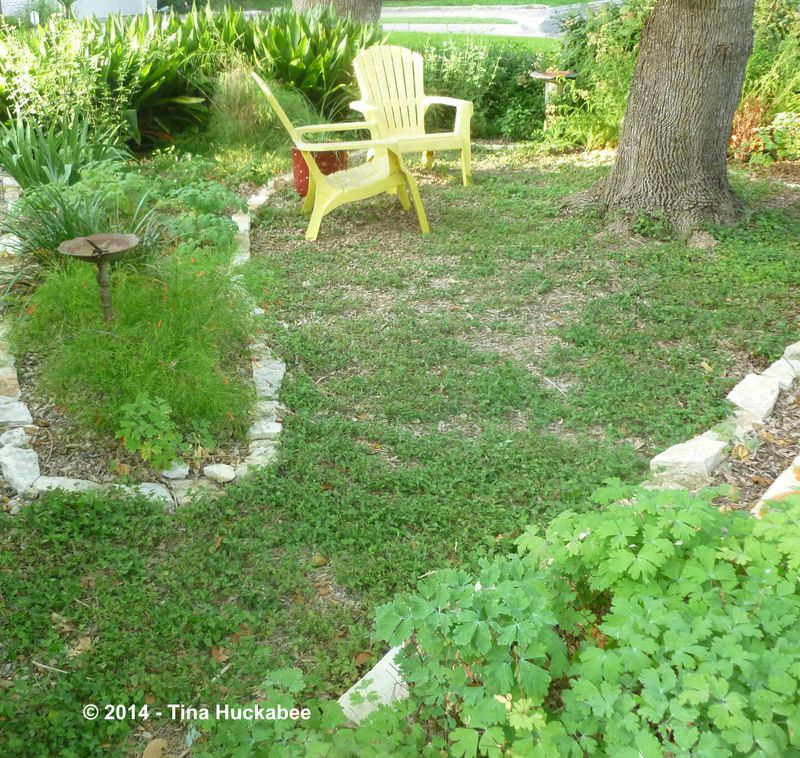
Picture the spot under a big oak where nothing much likes to grow. That is the kind of place where horseherb makes sense.
Austin’s guide says it suits sun or part shade and does well in dry shade, with very low water needs.
At maturity it stands about 8 to 10 inches tall. That is taller than a closely mown lawn, so expect a loose, low carpet rather than a tight turf look.
The guide also says it can be mowed as needed.
The same guide says horseherb tolerates some foot traffic. Notice the word some.
It points to an occasional walk across the patch, not a play area.
Before you buy, walk your yard and rate the spot. Does it get part shade or dry shade?
Is the traffic light? If so, it may be a good match.
If it is full sun, soggy, or heavily used, look elsewhere.
Availability is another snag. Austin’s guide notes that horseherb may be hard to find commercially.
Call local native plant nurseries ahead of time rather than assuming a big box store will carry it.
Semi-evergreen does not promise a green winter carpet
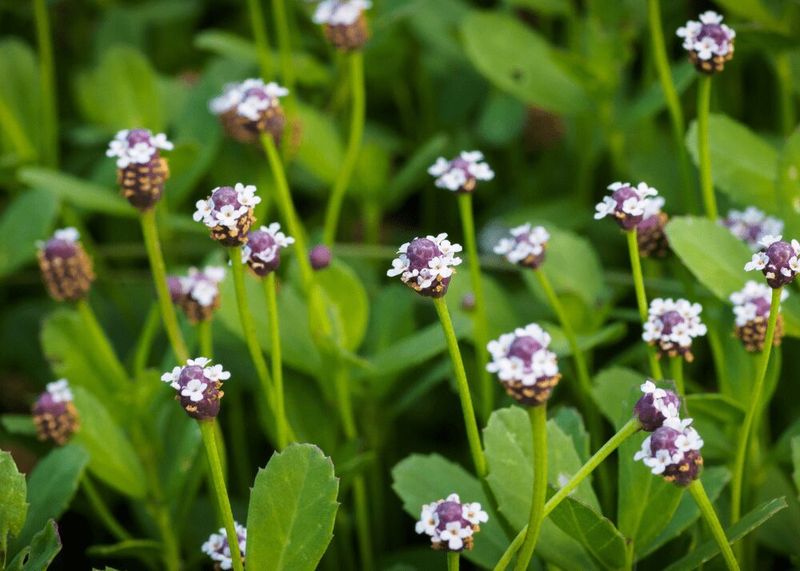
Plant labels use words that sound more certain than they are. Semi-evergreen means a plant may keep part of its foliage in cold months.
It does not say how much, or for how long, or how hard a freeze it can take.
Austin’s guide lists horseherb as semi-evergreen, yet it also lists the seasonal interest as spring through fall. The sources reviewed give no freeze or temperature threshold for winter color.
So a mild winter might leave you with decent leaves, and a hard one might leave thin or tattered growth.
Keep the claim local too. Austin’s information covers the Austin area, and it does not prove dependable winter greenery anywhere else in Texas.
Your own microclimate, such as a sheltered bed near a wall, may matter as much as the plant.
For a quick comparison, consider frogfruit. Austin’s frogfruit page classifies it as deciduous and advises cutting it back in winter.
It is a good native in its own right, but it is not a winter-foliage substitute.
The practical move is to treat any winter leaves on horseherb as a bonus. Plant a small patch, watch it through one winter, and judge the results yourself.
Some foot traffic is not a lawn-duty guarantee
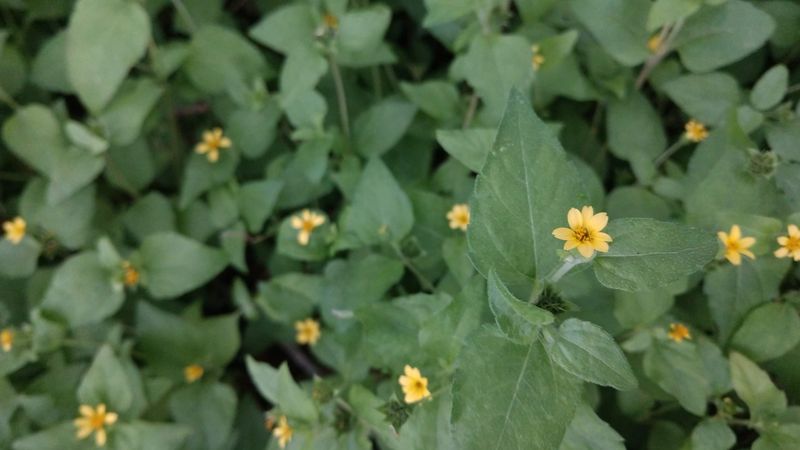
A kid cutting across the yard to the swing set is one thing. A daily soccer game is another.
Austin’s guide says horseherb tolerates some foot traffic, and that is as far as the claim goes.
St. Augustinegrass is a lawn grass that many Texans rely on for regular use. Nothing in the sources suggests horseherb matches it under heavy or frequent wear.
Treat it as a different kind of plant with different strengths.
That points to a few smart uses. Try a patch beneath a tree, along a side yard, or around stepping stones where people walk now and then.
A lightly used garden path edge also fits the bill.
Skip it for spots where pets run laps, kids play, or the family gathers often. There is no evidence about how it performs under particular activities, so you would be guessing.
One way to test is to start small. Plant a modest area, see how it handles your real traffic for a season, and expand only if it holds up.
A small trial costs little, while a whole-yard bet could cost a lot.
Planting requires establishment care
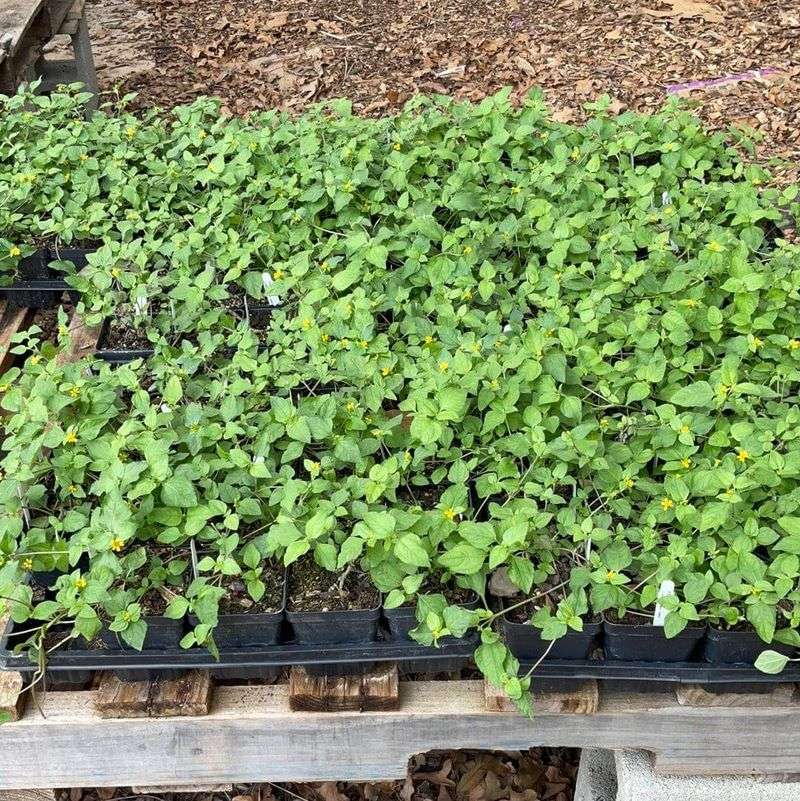
New plants need attention no matter how tough the mature version is. Start by planting at the depth listed on the plant label.
Then follow whatever instructions the nursery gives you for that plant.
Fall is a popular time to plant in Texas, but the sources reviewed do not name a best season for horseherb. Ask your nursery what timing they recommend for your area.
Do not assume fall is ideal.
Regional groundcover guidance from North Central Texas suggests watering according to soil moisture rather than a fixed schedule. It also recommends separating groundcover irrigation from lawn irrigation where possible.
A groundcover patch and a turf area rarely need the same amount of water.
Keep in mind that this is general groundcover advice, not a horseherb watering calendar. Austin lists horseherb as having very low water needs, but that does not mean a freshly planted one can go without water.
Check the soil with your finger, and water when the root zone feels dry.
Once the plants settle in, you can likely cut back on watering. Until then, watch them closely and adjust.
Try horseherb where its limits fit
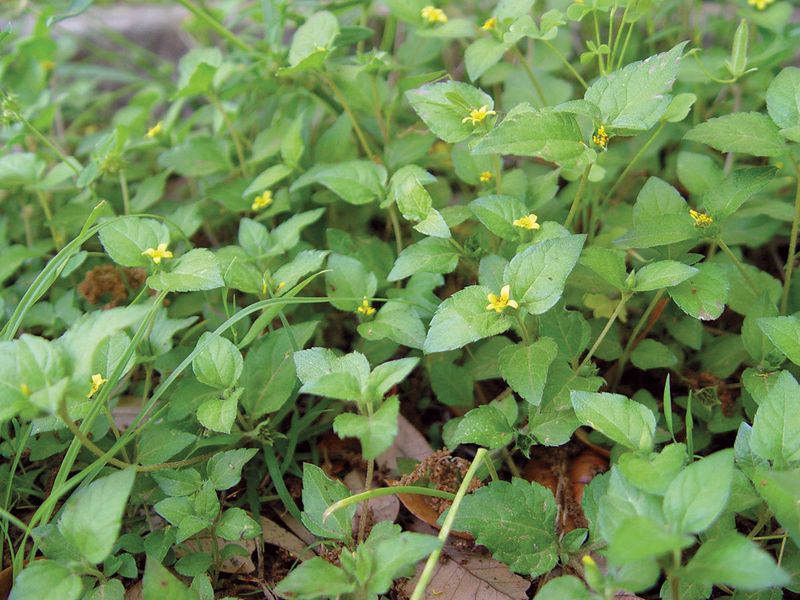
If you have a dry-shade or partly shaded corner with light foot traffic, horseherb is a fair candidate for a trial. Call local nurseries first, since Austin’s guide warns it can be hard to find.
Then plant by the label and water by soil moisture, as the regional groundcover guide advises.
If you need guaranteed winter color or a tough whole-lawn substitute, this plant will not deliver that promise. Think of it as a small experiment with a possible payoff.
One winter will tell you more than any plant label.