
A bare fence can make a yard feel wide open, but a tall hedge can turn into a weekend job. Florida native shrubs offer another way to add privacy, shade for wildlife, and a softer view from the patio.
The trick is choosing plants that suit your part of the state and giving them enough room to grow. These seven picks can fill a screen without demanding constant clipping.
1. Wax Myrtle
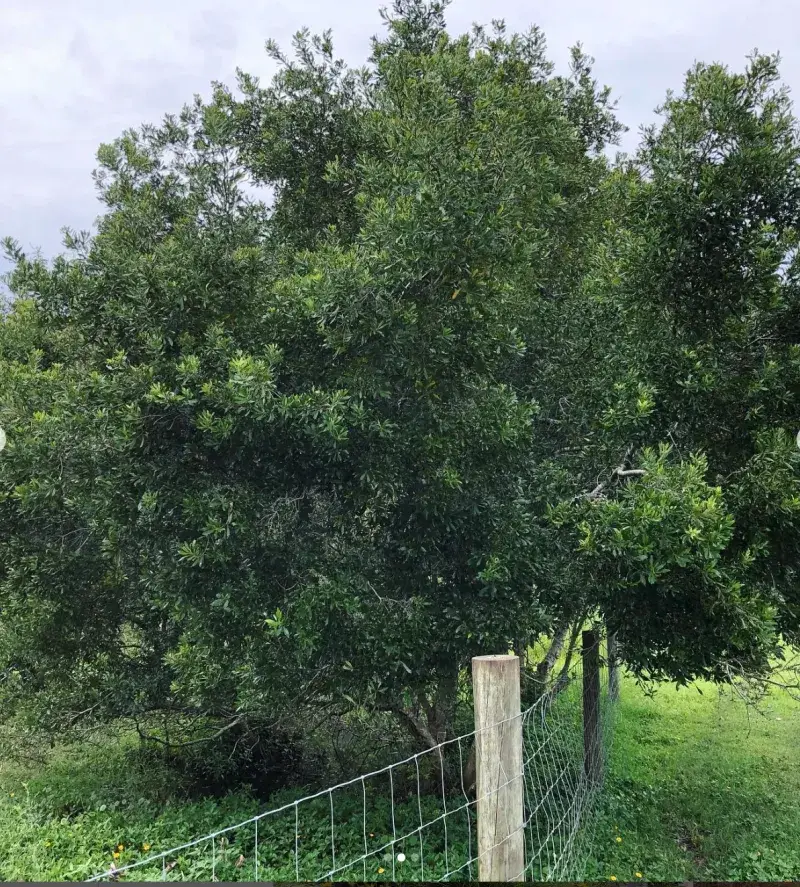
Need to hide a fence sooner rather than later? Wax myrtle is one of the quicker-growing Florida natives for a broad, informal screen.
Its small evergreen leaves and many stems soften a hard property line without the stiff look of a clipped hedge. Birds also use its cover, and female plants can produce small berries when a male plant is nearby.
Give wax myrtle full sun to partial shade and, most importantly, room. An unpruned plant can become a large shrub or small tree, often reaching 10 to 20 feet tall.
Set it several feet back from fences and paths, and follow nursery spacing advice based on the mature width rather than packing plants tightly for instant privacy. A little patience at planting time saves a lot of cutting later.
It adapts to a range of Florida soils, including sandy sites, once established. Water young plants regularly while their roots spread, then water during extended dry spells as needed.
Skip the formal shearing: remove an awkward branch or thin crowded growth occasionally to keep its natural shape. Wax myrtle is the pick for a roomy yard where a fast, relaxed screen matters more than a ruler-straight wall.
2. Walter’s Viburnum
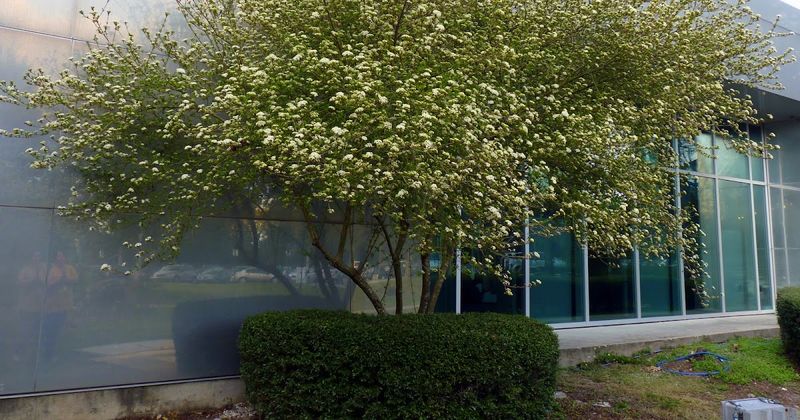
Spring flowers are a welcome bonus on a privacy planting. Walter’s viburnum brings clusters of small white blooms to a dense screen of fine-textured foliage, so it earns its place even where no fence needs hiding.
Its compact leaves make it look tidy without requiring the repeated shearing that large-leaved hedges often receive.
The label matters here. Natural forms can grow roughly 8 to 15 feet tall, while named selections may stay much shorter or spread differently.
Ask the nursery for the mature size of the exact plant you are buying. Choose a taller form for privacy at eye level, then space plants so their branches can meet without becoming crowded.
Full sun to partial shade suits it, although flowering may be stronger with more sun.
Walter’s viburnum is native to Florida and occurs in moist places, but established landscape plants can handle some dry periods. In fast-draining sand, water new shrubs deeply until they are established and add mulch to help hold moisture.
Leave the flowers in place for pollinators rather than trimming them away each spring. A light touch after flowering is usually a better plan than trying to keep this shrub in a narrow box.
3. Simpson’s Stopper
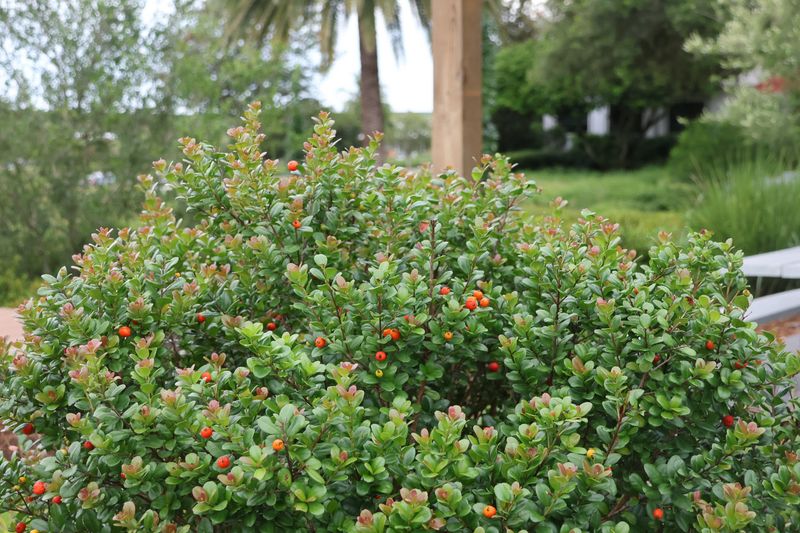
A patio screen does not have to look like a green wall. Simpson’s stopper has glossy leaves, fragrant white flowers, and bright red berries that make it worth seeing up close.
Its naturally full, rounded growth can give a seating area privacy while still looking like a garden, not a barrier.
This Florida native is best suited to warmer parts of the state, especially South Florida and protected Central Florida sites. Hard freezes can damage it, so check local cold conditions before planting it farther north.
Give it sun or partial shade and enough space for a shrub that may reach roughly 6 to 15 feet tall, depending on the site and plant selection. It can grow into a useful screen, but it is not the quickest choice on this list in every yard.
Water regularly during establishment, especially in sandy soil that dries soon after rain. Once settled, it tolerates some drought and usually needs only occasional shaping or the removal of stray branches.
Plant it where you can enjoy the flowers and watch birds visit the fruit. For a smaller backyard, its main advantage is an attractive, layered screen that feels at home beside a path or patio without constant clipping.
4. Yaupon Holly
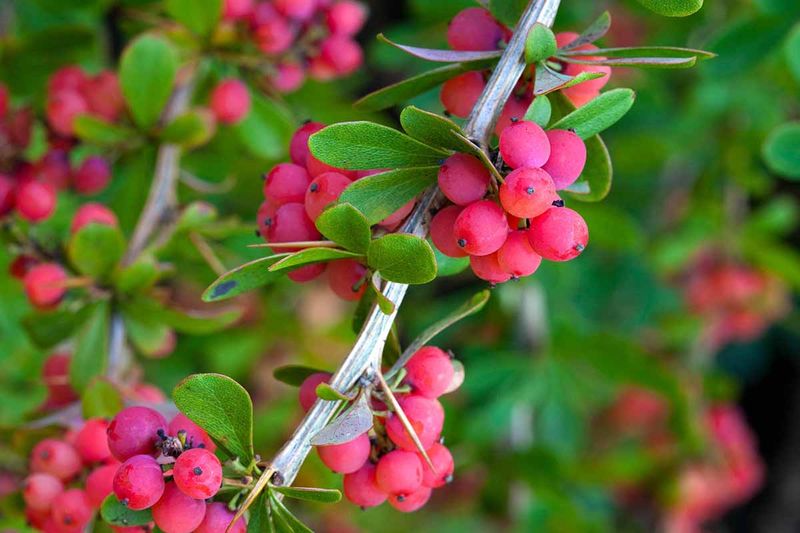
For a screen that still looks good in winter, yaupon holly is a steady choice. Its small evergreen leaves make a dense backdrop, and female plants can carry red berries that birds eat.
Unlike a flowering shrub that has one big season, yaupon quietly does its job all year.
Match the plant to the space before buying. Standard yaupon can become a large shrub or small tree, while dwarf selections are often too short to screen a yard.
Look for a form whose expected height fits your privacy goal, and leave enough width for its natural outline. It grows in full sun to partial shade and handles many Florida soil conditions once established, including periods of drought.
As with most new shrubs, consistent watering at first helps it develop a strong root system.
Berry color is not guaranteed on every plant: yaupon has separate male and female plants, and a female needs a male nearby for fruit. If berries are part of your plan, ask a nursery about fruiting plants.
Otherwise, enjoy yaupon simply as a dependable green screen. Occasional thinning or removal of crossing branches is easier than shearing it into a tight shape, especially along a long fence line.
5. Cocoplum
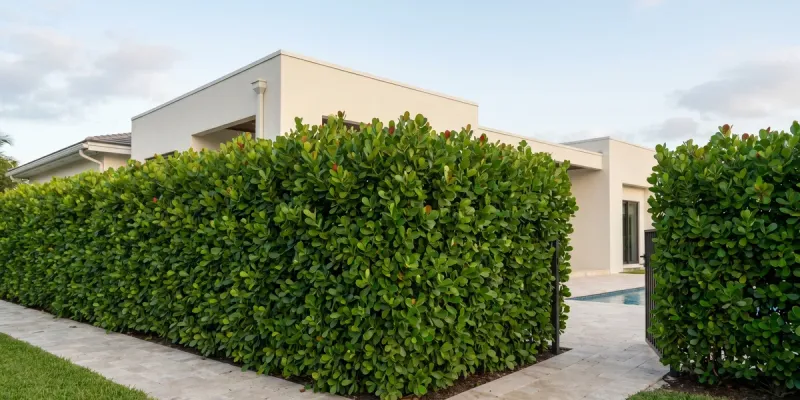
South Florida gardeners often need a screen that can take sun, sandy ground, and a little coastal exposure. Cocoplum answers with thick, rounded leaves that overlap into a substantial-looking hedge.
Fruit adds another point of interest, and its broad foliage gives the planting a different look from the finer-leaved shrubs on this list.
Choose cocoplum for warm, frost-free or nearly frost-free locations; it is not a reliable pick for yards that see hard freezes. Site and variety affect its size, but many landscape plants can grow well beyond a small foundation bed.
Give it room to spread if the goal is low-maintenance screening. A single row with space to develop naturally is less work than a tightly packed hedge that must be cut back every few weeks.
Full sun to partial shade works, and established plants can tolerate salt exposure and dry spells. Even so, new cocoplums need regular water while rooting into Florida’s fast-draining sand.
Keep mulch away from the stems and check the soil before watering rather than leaving it constantly soggy. Cocoplum is especially useful when a sunny side yard needs a leafy buffer with a bold, coastal-Florida feel.
6. Buttonwood
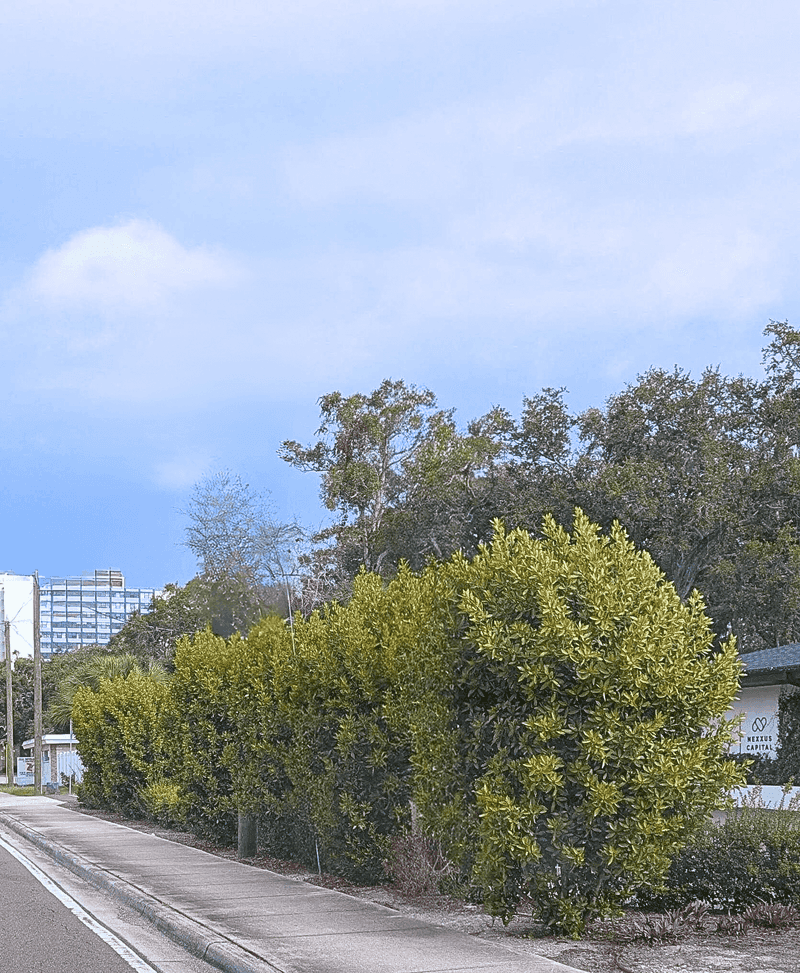
Salt spray can make a promising hedge look tired fast. Green buttonwood stands out where coastal conditions are part of daily life, bringing tough foliage and a breezy, natural shape to a boundary.
It is a Florida native associated with coastal areas, making it a practical option for a sunny, exposed property.
Buttonwood can grow quickly, but its size is the trade-off: left alone, it can become a sizable shrub or tree. Use it where the screen can be wide and tall, not beside a narrow walkway or under a low roofline.
Allow for its mature spread when planting near a fence, and keep it clear of structures. That simple choice does more to prevent a pruning chore than any trimming schedule will.
Established buttonwood tolerates salt and periods of drought, though young plants still need dependable water. It also performs best where drainage is suitable; do not assume every low, flooded spot will support it.
If you prefer an informal screen, occasional selective cuts can guide its shape while preserving the layered foliage. In inland yards with limited space, another shrub on this list will usually be easier to manage.
On a roomy coastal lot, buttonwood offers a sturdy answer to exposure.
7. Florida Privet
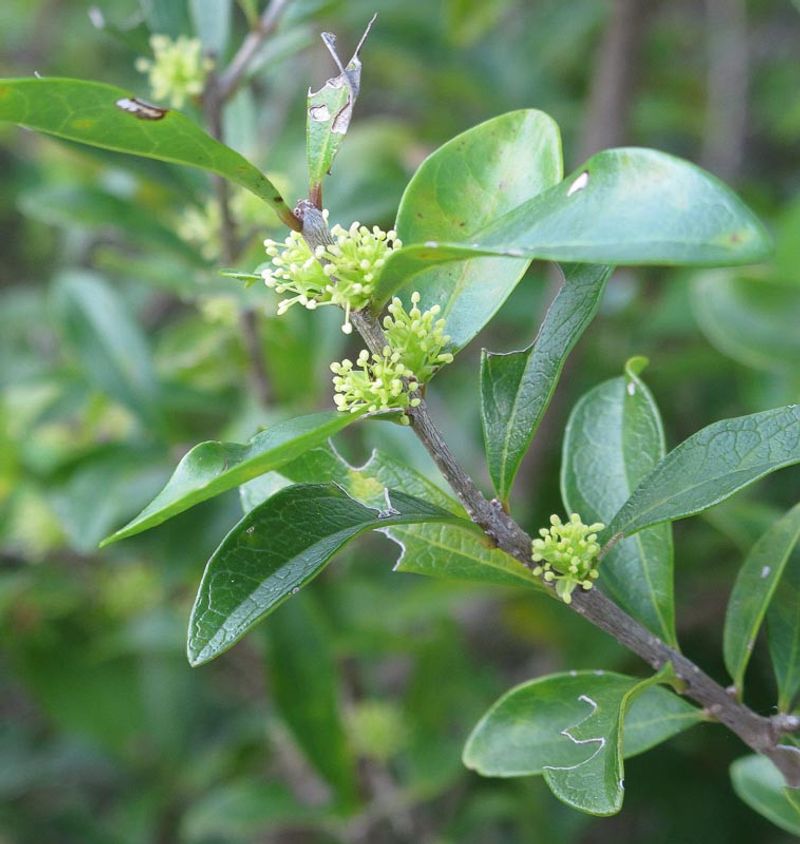
Not every privacy planting needs showy flowers to earn a spot in the yard. Florida privet makes a useful, understated backdrop with small leaves and naturally twiggy growth.
It is native to Florida and is not the invasive privet gardeners are often warned about, though checking the scientific name, Forestiera segregata, helps avoid a mix-up at the nursery.
Its strength is flexibility. Florida privet grows in sun to partial shade and can form a loose screen along a property line or behind a mixed bed.
Give it space to reach its natural size, often around 8 to 15 feet tall, rather than squeezing it into a strip meant for tiny shrubs. Growth and leaf density vary with conditions, so ask a local native-plant nursery whether it suits your site and how many plants you need for coverage.
Water it regularly while it establishes, especially in sandy soil, then adjust watering to rainfall and the condition of the plants. Female plants may produce dark fruit when a male plant is nearby, offering food for birds.
An occasional cut to remove a wayward stem should be enough for an informal planting. For gardeners who want a quiet green boundary with wildlife value, Florida privet is worth a closer look.