
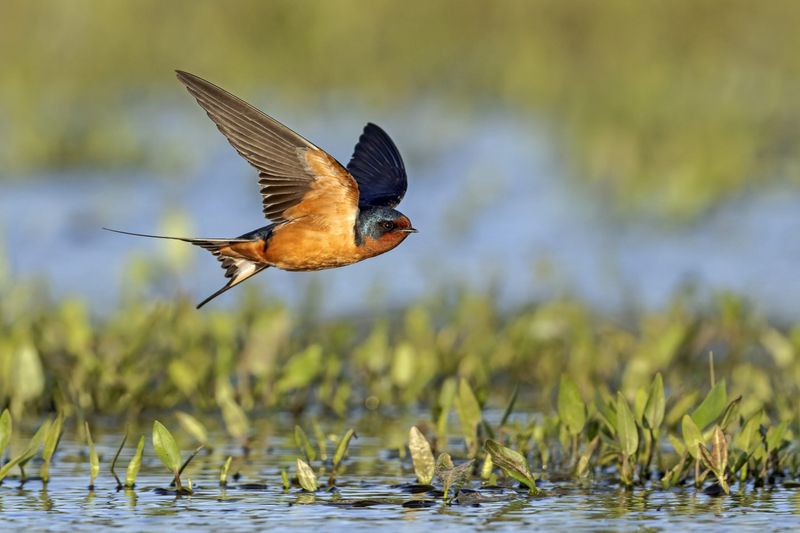
Plenty of California gardeners hope one native shrub can bring in birds that clear out the evening mosquitoes. It is a lovely idea, but the facts are a little different.
Barn Swallows are fascinating birds, yet they are not a mosquito patrol, and no single plant is known to summon them. Here is what California buckwheat can really do for your yard, and what actually keeps mosquitoes down.
No shrub can promise Barn Swallows or mosquito control
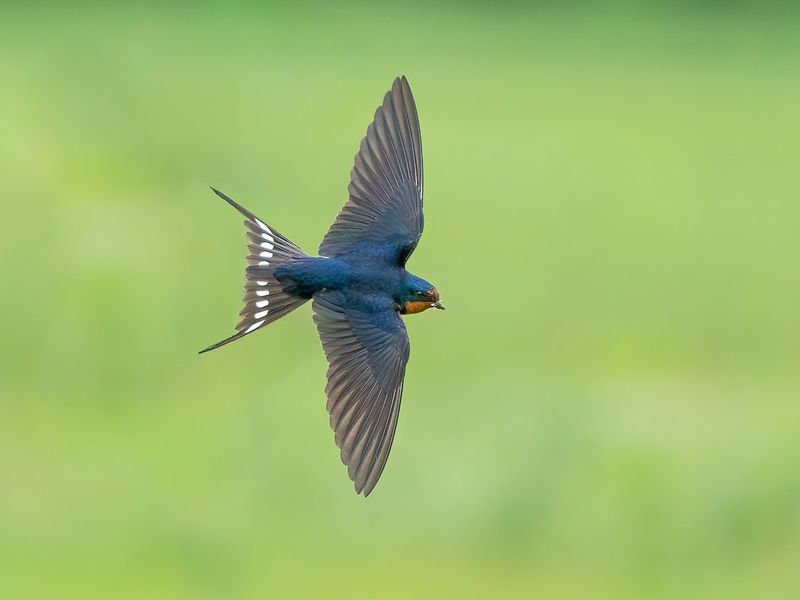
Here is the honest starting point: no California native shrub has been shown to reliably draw Barn Swallows into a yard, and none turns those birds into mosquito control. The reviewed sources simply do not name one.
If you came looking for a single plant that solves the evening mosquito problem, that plant does not exist.
That does not make native planting pointless. A shrub can feed pollinators, shelter insects, and bring songbirds to your garden.
The trick is keeping general wildlife value separate from a proven effect on one bird or one pest.
Barn Swallows are a good example of why. According to the Cornell Lab of Ornithology life history page, they hunt flying insects in open areas and need a suitable nesting structure and mud to breed.
A shrub does not supply those things. On the mosquito side, Penn State Extension says swallows rarely feed on mosquitoes.
So the rest of this article sticks to what is useful. You will learn what California buckwheat can offer a water-wise yard, what Barn Swallows actually need, and which weekly chores cut down mosquitoes at the source.
You can find a general overview of the species in the Cornell Barn Swallow overview. Think of it as a better plan, not a smaller one.
Barn Swallows eat flying insects, but mosquitoes are not dependable prey
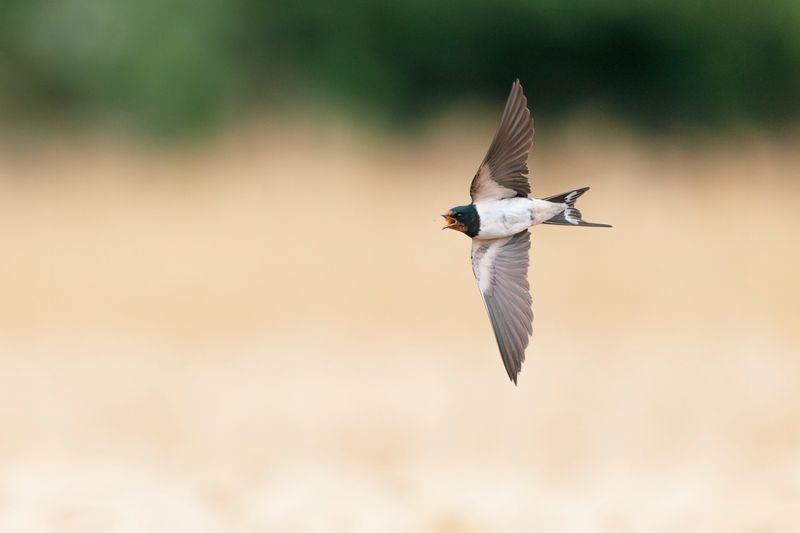
Watch a Barn Swallow for a few minutes and you will see a bird that never seems to land. It swoops, twists, and snaps up insects in midair.
That skill makes people assume every bug it catches is a mosquito, but the diet is broader than that.
Cornell reports that flies make up much of what Barn Swallows eat. They generally pick off relatively large, individual insects rather than working through swarms of tiny ones.
A mosquito is small and often hangs out in shady, sheltered spots, which is not how these birds typically feed.
That matches what Penn State Extension says plainly: swallows rarely feed on mosquitoes. Having them around is a pleasure, but it is not a mosquito plan.
What about dusk? The idea sounds charming, but nothing backs it up as a special window.
A peer-reviewed study of Barn Swallow flight watched birds foraging nearly continuously from dawn to dusk while raising chicks. Nothing in it points to evening as a prime mosquito-feeding time.
If you see swallows over your yard at sunset, enjoy the show. Just keep your mosquito defenses on the ground, where the problem actually starts.
A shrub is only one small part of Barn Swallow habitat
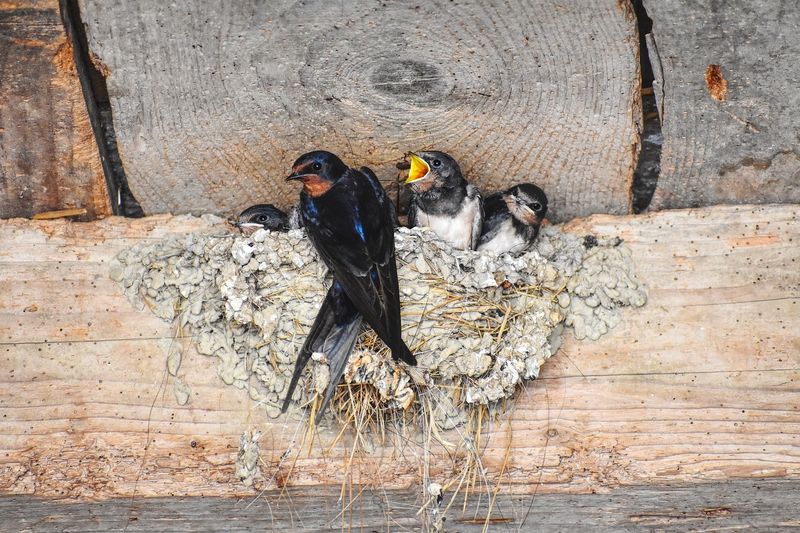
Picture what a Barn Swallow needs on a given day. First, wide open space where it can fly and hunt on the wing.
Second, when breeding season arrives, a place to build and a material to build with.
The Cornell Lab life history page describes breeding habitat as open foraging areas plus suitable nesting structures or cliffs and a source of mud. The Cornell overview paints the same picture of birds tied to open country and human-made or natural ledges.
A shrub fills none of those roles on its own. It does not create open sky, it is not a nesting surface, and it does not make mud.
Planting one will not guarantee a visit, no matter how well it grows.
This is useful to know before you spend time or money. If swallows already pass through your neighborhood, that likely reflects the landscape around you, such as nearby open fields, water, and buildings with sheltered spots.
Your yard can be a pleasant stop along the way, but it is only one piece of a much bigger puzzle.
The takeaway: judge a planting by what it does for your yard, and treat any swallow sighting as a bonus.
California buckwheat supports a livelier yard without promising swallows
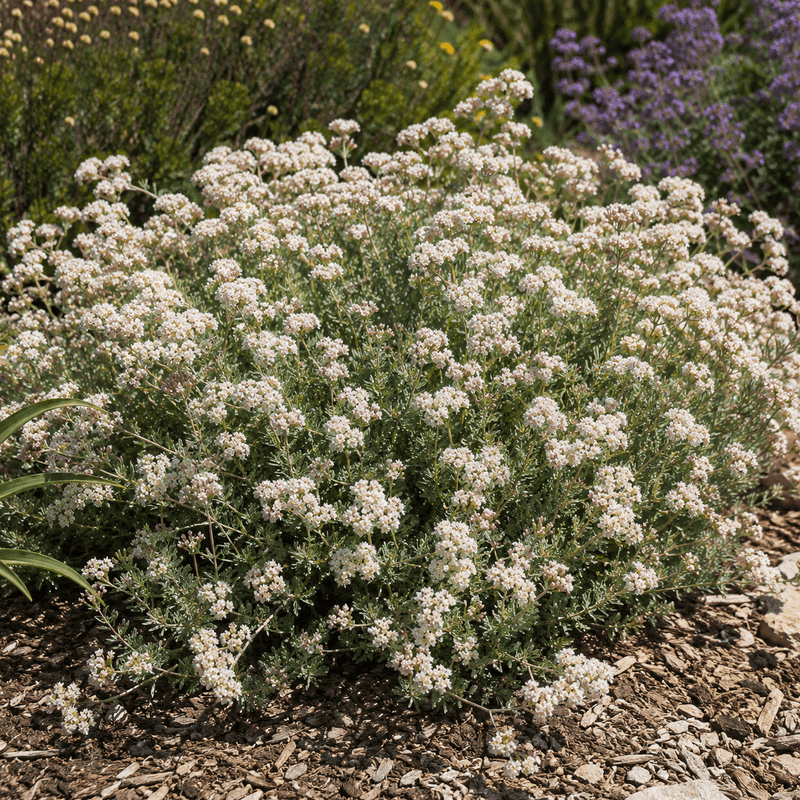
California buckwheat, Eriogonum fasciculatum, earns its spot in the garden on its own merits. It is a drought-tolerant native shrub that suits dry summers and water restrictions, and it asks for little once established.
UC ANR lists it among native plants that attract beneficial insects, and describes it as helpful for birds too. Bees, butterflies, and other small insects visit the blooms, and that busy insect life is part of what makes a yard feel alive.
The California Native Plant Society explains how native gardens give wildlife food and shelter more broadly. That is a general habitat benefit.
It is a different thing from saying buckwheat pulls in Barn Swallows or lowers mosquito numbers, which nobody has shown.
Choosing it wisely matters. California covers coastal bluffs, inland valleys, deserts, and fire-prone hillsides, and no one plant is right for all of them.
Check your local conditions, sun, and soil, and ask a regional native nursery which shrubs perform best nearby. If you live in a wildfire area, also follow local defensible-space rules when deciding where plants go.
Plant it for the pollinators and the low water bill, and anything extra is a pleasant surprise.
Weekly water checks are the practical mosquito-control step

Mosquitoes breed in standing water, so the most reliable fix is to remove the water. The CDC’s home mosquito guidance recommends a simple weekly routine: empty and scrub, cover, or remove anything that holds water.
Walk your yard once a week and look for the usual suspects. Birdbaths, planters, and plant saucers are common culprits, along with buckets, toys, and tarps that collect rain or sprinkler runoff.
Birdbaths deserve special mention for wildlife-minded gardeners. They give birds a drink, but the water can turn into a nursery for mosquitoes if it sits.
Dump it, scrub the basin, and refill with fresh water on your weekly round.
For items you do not need, flip them over, cover them, or haul them away. For ones you keep, a quick empty and scrub is enough.
Wildlife-friendly habits and mosquito control work side by side, but one does not stand in for the other. Inviting birds, bees, and butterflies is wonderful, yet it never replaces the weekly check.
Set a reminder on the same day each week and the job takes only a few minutes.
Protect an active nest and keep expectations realistic
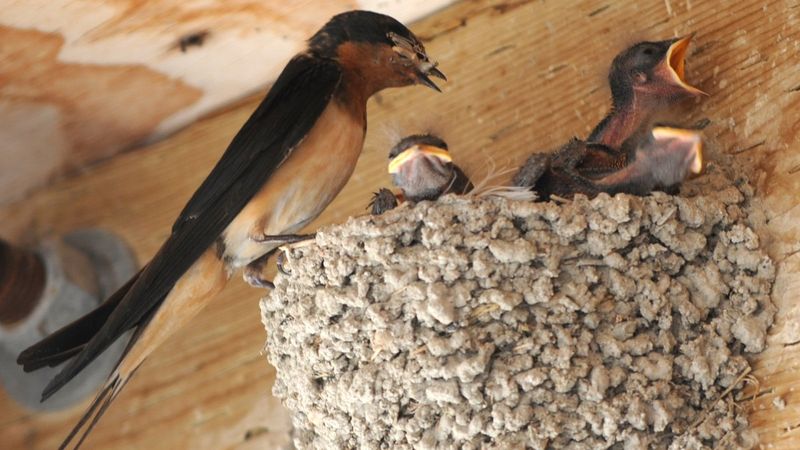
If Barn Swallows have already built under your eaves or porch, leave the nest alone while it is in use. The U.S.
Fish and Wildlife Service says active nests with eggs or dependent young are protected under the Migratory Bird Treaty Act, so do not disturb or remove them.
Beyond that, keep your plans simple. Plant buckwheat because it suits a dry California yard and feeds local wildlife.
Treat any swallows as welcome neighbors, not pest control, and stick with the CDC weekly water routine.
A good yard does not need a miracle plant. It needs a few small habits that add up.