
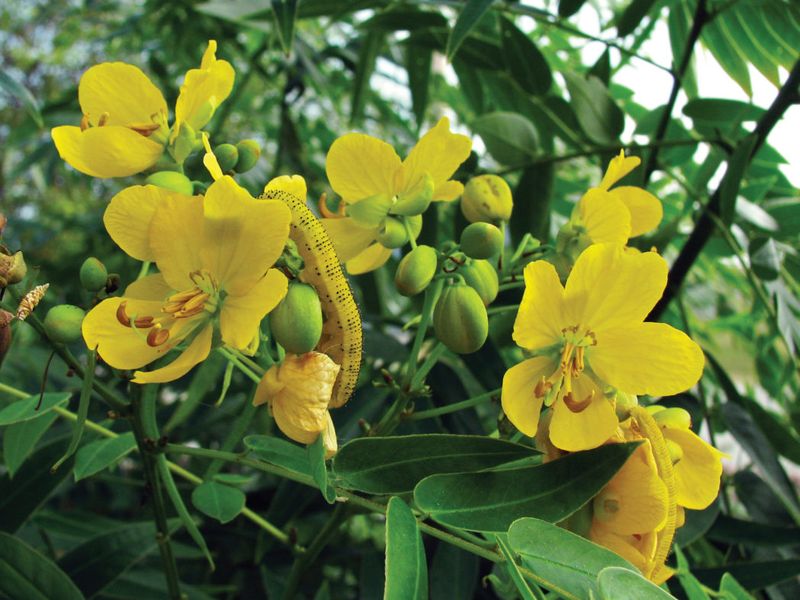
A butterfly garden needs more than flowers to keep the next generation coming. Gulf fritillaries need passionvine leaves for their caterpillars, while several Florida sulphurs need native plants in the pea family.
Add nectar flowers, and your yard can offer both a nursery and a feeding stop. These seven natives support that cycle, especially in South Florida, where mild weather allows winter breeding; freezes farther north can pause the action.
1. Corkystem Passionflower
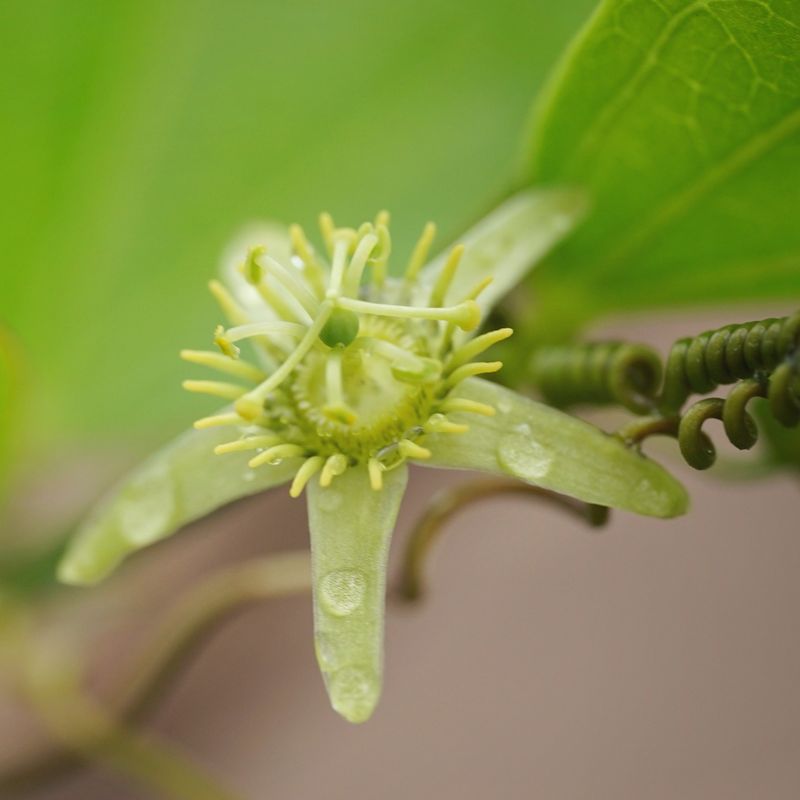
A small vine with nearly hidden flowers can do more for Gulf fritillary breeding than a bed of showy blooms. Corkystem passionflower, Passiflora suberosa, supplies the leaves their caterpillars need, making it a useful nursery plant rather than just a butterfly stopover.
Its strongest winter advantage appears in warm, sheltered parts of Central and South Florida, where foliage can persist. Cold snaps can damage growth, so even this dependable native cannot guarantee uninterrupted breeding across the state.
Give it a small trellis, wire fence, or shrub it can climb without overwhelming nearby plants. Sun to partial shade works, and some afternoon shade can help in a hot, dry yard.
Water new plants until their roots establish, then adjust watering to rainfall and soil moisture. In Florida’s sandy soil, check the root zone rather than watering on a fixed schedule.
Expect chewed leaves and occasionally bare stems when caterpillars arrive. Planting more than one vine spreads out feeding pressure, and avoiding insecticides, including caterpillar sprays, protects the very nursery you are trying to build.
2. Maypop
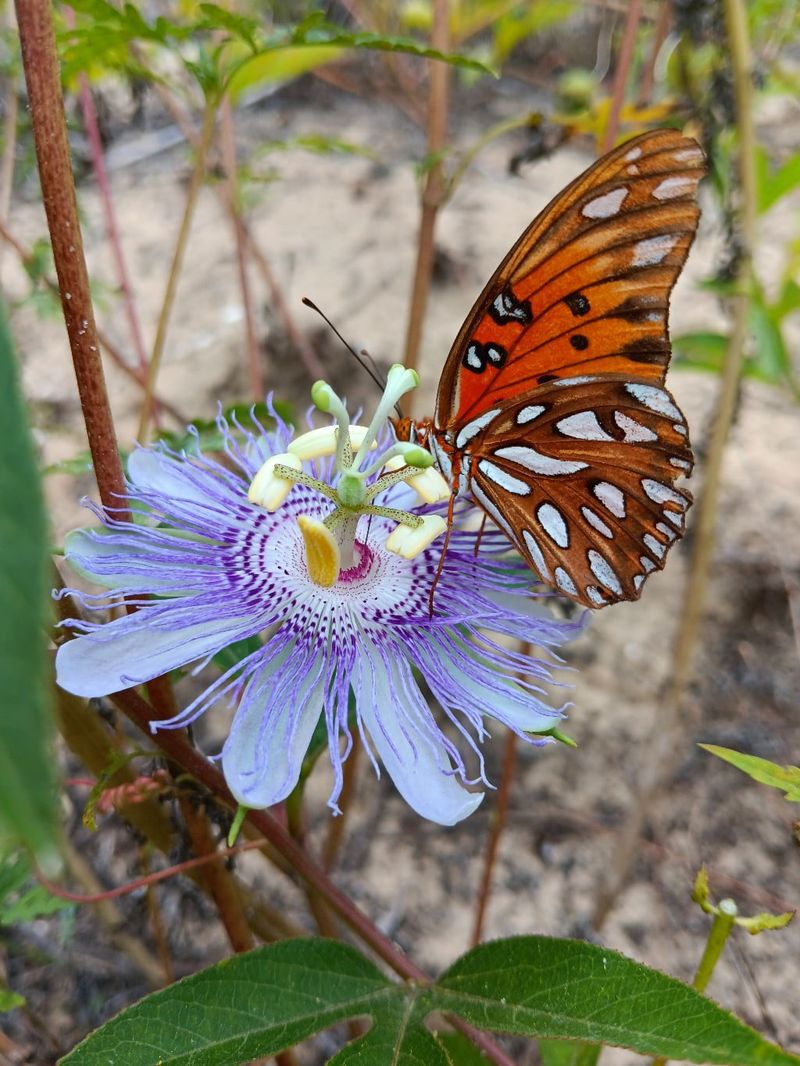
Those wild-looking purple flowers come with a practical bonus: a generous supply of caterpillar food. Maypop, Passiflora incarnata, is a Florida-native host for Gulf fritillaries and a strong choice for building up your butterfly nursery during its growing season.
Unlike corkystem passionflower, maypop often dies back or becomes dormant during winter, especially in North and Central Florida. Treat it as a seasonal partner, not your only source of winter leaves, even if a sheltered South Florida plant stays active longer.
Place it in a sunny spot with well-drained soil and a sturdy climbing support. Allow room around the planting because underground runners can send up new shoots beyond the original vine.
A fence along a less formal side yard is often a better location than a tightly arranged front entry. Remove unwanted shoots where necessary, but keep enough leafy growth for hungry caterpillars.
Pair maypop with corkystem passionflower so your yard has two different host options. Before cutting back apparently untidy growth, check for caterpillars and chrysalises, and remember that winter dormancy is normal rather than a sign of failure.
3. Chapman’s Wild Sensitive Plant
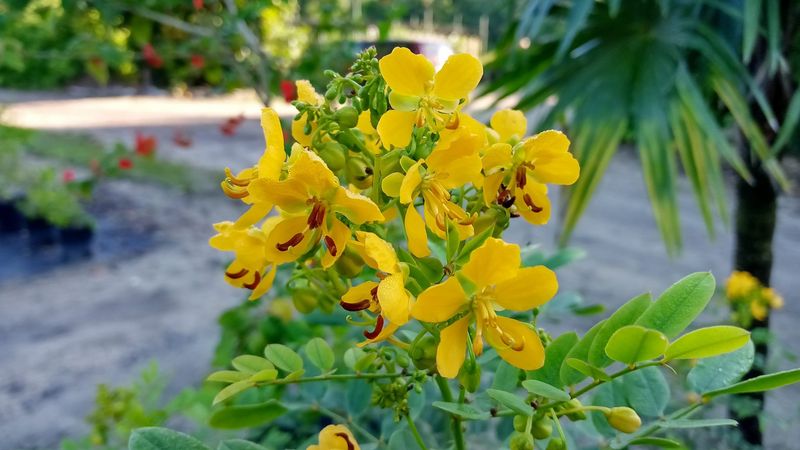
For a smaller yard, a sulphur nursery does not have to become a towering shrub. Chapman’s wild sensitive plant, Senna mexicana var. chapmanii, offers a relatively compact, spreading shape and yellow flowers that brighten a sunny native bed.
This South Florida native is a larval host for sulphurs, including the cloudless sulphur. Its leaves matter most for breeding, so a plant with feeding damage may be doing exactly the job you planted it to do.
Choose a sunny location with good drainage and enough room for its mature spread. It fits especially well near a patio border or along the front of a looser wildlife planting.
In frost-free conditions, it can provide useful winter foliage, but cold damage can interrupt that supply. Gardeners farther north should check local suitability rather than assuming a South Florida native will perform equally well statewide.
Ask the nursery for the full botanical name so you do not leave with an unrelated ornamental cassia. Plant a few together if space allows, and postpone shaping while eggs or caterpillars are present.
4. Privet Wild Sensitive Plant
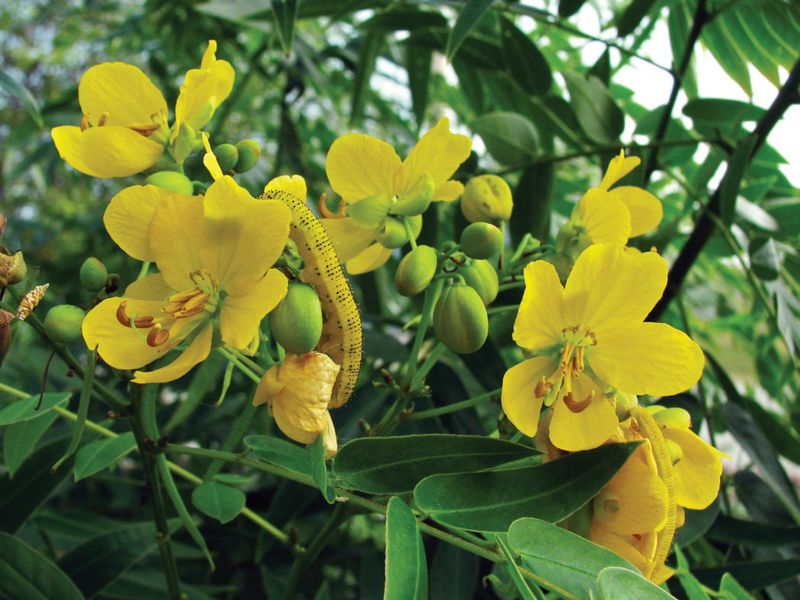
A leafy shrub can keep the butterfly nursery going when a smaller host plant gets eaten down. Privet wild sensitive plant, Senna ligustrina, brings more height and foliage to the garden, giving sulphur caterpillars another place to feed.
Despite its common name, this Florida native is not a privet hedge plant. It belongs to the pea family and serves as a host for sulphurs such as the cloudless sulphur.
Use it toward the back of a sunny or lightly shaded border, leaving space for an open, branching shape. Well-drained soil suits it, and regular watering during establishment helps roots settle into sandy ground.
Warm South Florida sites offer the best chance of retaining useful leaves through winter. Frost can reduce foliage elsewhere, so combine it with other suitable host plants rather than relying on a single shrub.
Resist the urge to shear it into a tight ball. Light, selective pruning preserves a more natural form, while checking branches before cutting helps you avoid removing eggs and feeding larvae.
Its particular payoff is capacity: more leafy growth can support caterpillars when a compact senna needs time to recover.
5. Scarlet Sage
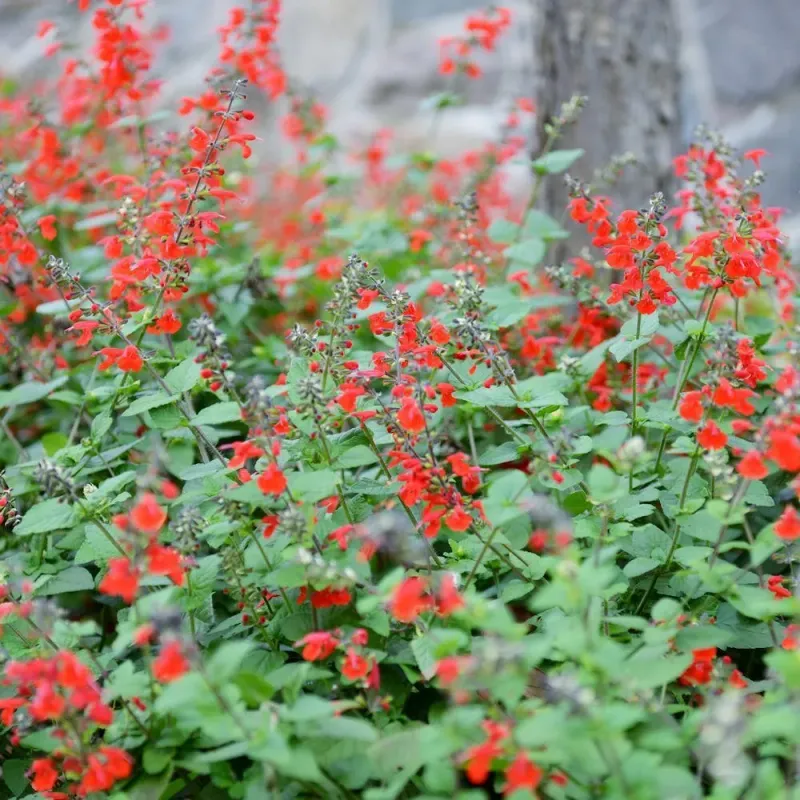
Red flower spikes add a tidy splash of color around the less tidy caterpillar plants. Scarlet sage, Salvia coccinea, helps feed adult butterflies while giving a mixed native bed a more finished look.
It is a nectar plant, not a larval host for Gulf fritillaries or sulphurs. That distinction matters: flowers fuel adult activity, but passionvines and sennas provide the food needed to raise their caterpillars.
Plant scarlet sage in sun to partial shade, using well-drained soil and moderate watering while it establishes. A position with morning sun and some afternoon protection can work well beside a porch or walkway.
Blooming can continue through mild winters in warmer parts of Florida, while frost may stop flowers or kill top growth farther north. Allow some seed to mature so replacement plants have a chance to appear.
Trim spent flower stalks selectively rather than cutting the whole patch at once. Keeping several plants at different stages of growth improves the odds that something will be blooming during warm winter spells.
Place it near host plants so adult butterflies can find food without leaving the nursery area.
6. Spanish Needles
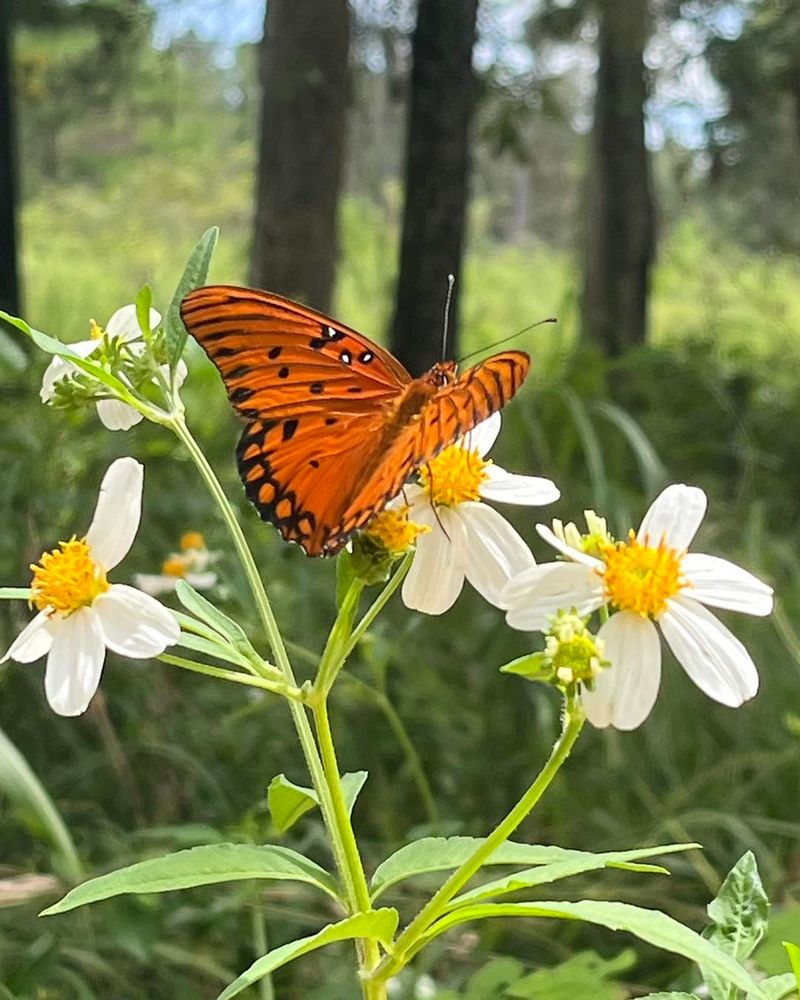
The flower many people pull as a weed is often the busiest feeding station in the yard. Spanish needles, Bidens alba, produces white-and-yellow blooms that attract a wide range of butterflies, including Gulf fritillaries and sulphurs.
Its role here is nectar, not caterpillar food for these butterflies. In frost-free Florida locations, flowering plants can help fill winter gaps when more formal garden flowers are resting.
Give it a designated sunny strip beside a fence, behind a vegetable bed, or in a relaxed wildlife corner. It grows readily in disturbed ground and sandy soil, so most gardeners need to manage its spread rather than encourage it heavily.
The barbed seeds cling to clothing and pet fur, which makes placement important. Keep it away from narrow paths and remove some seed heads before they mature if seedlings are becoming a nuisance.
A few managed plants can supply flowers without turning the whole yard into a patch. Stagger trimming so one group keeps blooming while another regrows.
For a low-cost nectar source, leave healthy volunteers in suitable spots instead of clearing every seedling from the garden.
7. Firebush
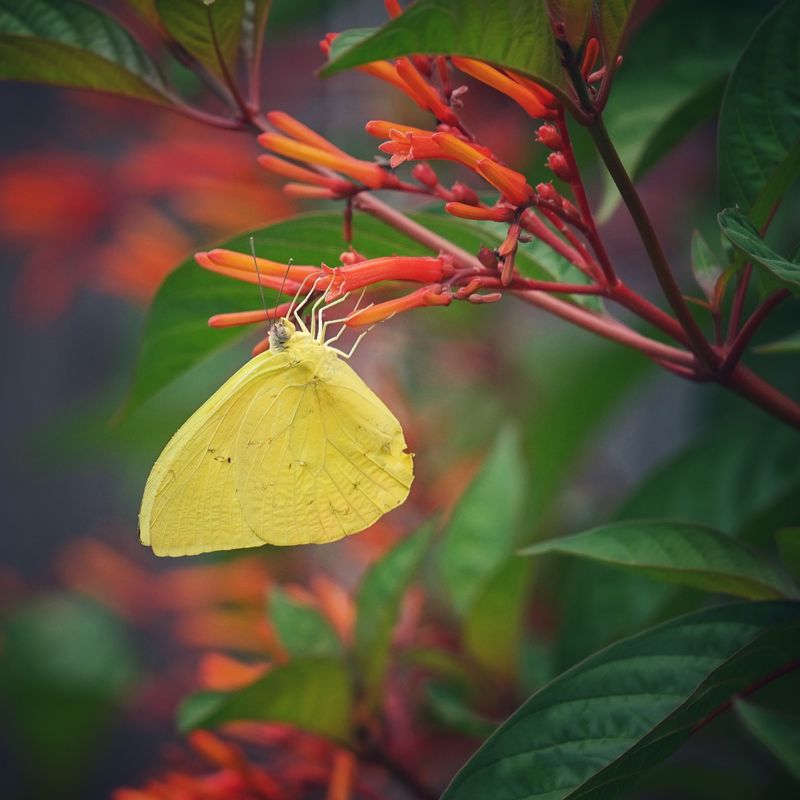
A warm corner beside the house can become a winter nectar hub. Native firebush, Hamelia patens var. patens, supplies clusters of orange-red flowers and adds a substantial shrub layer to a South Florida butterfly garden.
Adult butterflies visit the blooms, but firebush does not feed Gulf fritillary or sulphur caterpillars. Pair it with passionvines and native sennas so the planting supports both adult feeding and egg laying on suitable hosts.
Choose sun for stronger flowering, and leave enough space for a large shrub rather than planning on constant trimming. It handles Florida heat well once established, though young plants still need watering while their roots develop.
Winter performance depends heavily on location. South Florida plants may continue flowering in mild weather, while freezes in Central and North Florida can kill top growth and end the winter nectar supply.
Ask for the Florida-native form from a nursery that can confirm its identity, since other firebush forms and selections are sold. Avoid heavy pruning when flowers are scarce elsewhere.
Build around the host plants first, then use firebush as the larger feeding station that ties the garden together.