
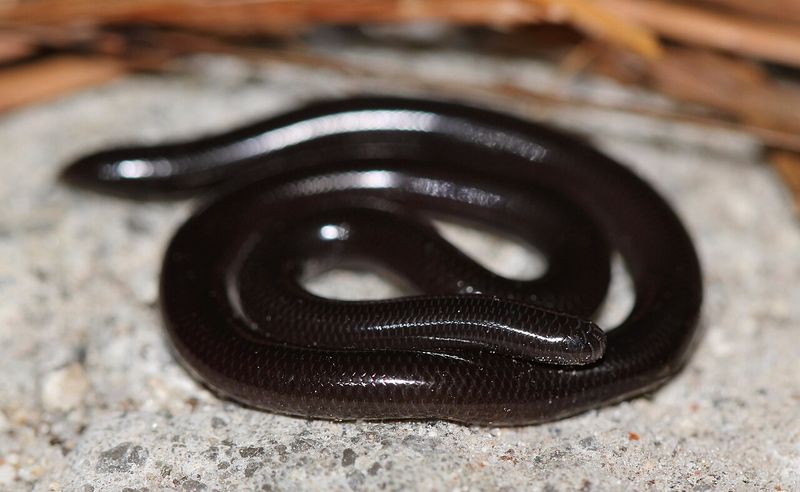
You tip a pot of ornamental plants onto the patio and a thin, shiny little thing starts squirming through the soil. Most people call it an earthworm and move on.
In Florida, though, it could be a Brahminy blindsnake, a tiny non-native snake that often turns up in plant containers. Knowing the clues helps you stay calm and decide what to do next.
Could that tiny soil animal be a snake?
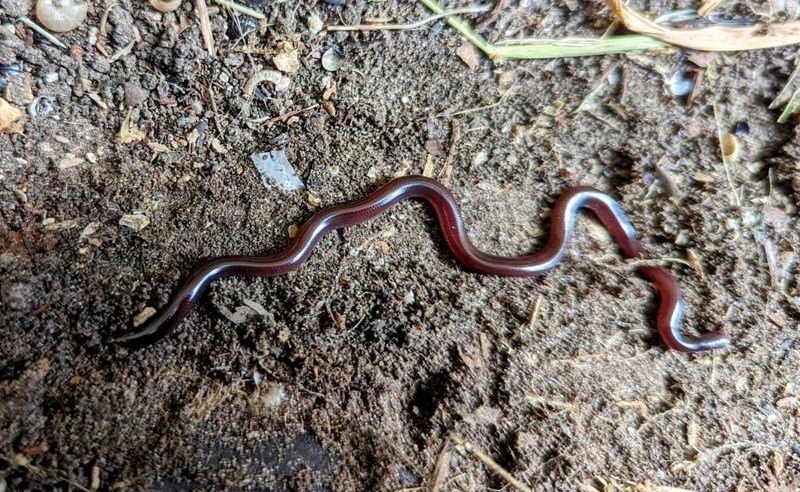
Picture this: you slide a fern out of its nursery pot on a warm Florida afternoon, and something skinny and dark squirms in the root ball. Most gardeners assume an earthworm.
Sometimes that is right, but a wormlike animal in a pot could also be a Brahminy blindsnake, sometimes called a flowerpot snake.
The word could matters here. Not every small, wormlike creature in your soil is this snake, and a quick look or a single photo cannot settle it.
Think of the idea as a good lead, not a verdict.
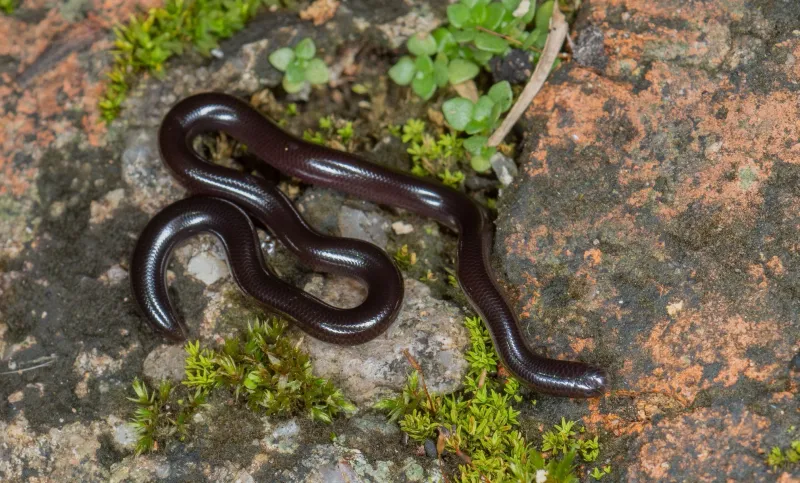
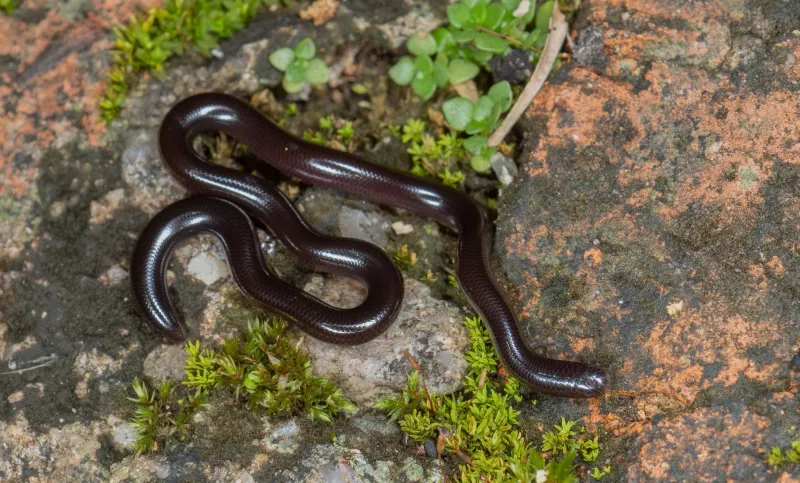
According to the Florida Museum of Natural History species account, the Brahminy blindsnake (Indotyphlops braminus) is very small, typically about 4 to 6.5 inches long. It spends much of its time burrowing in soil or leaf litter, which is exactly the kind of place a repotting project disturbs.
That underground lifestyle explains why it rarely gets noticed. A snake this small, this smooth, and this fond of tunnels can easily pass for something harmless and familiar.
Gardeners who dig in beds or empty containers are the people most likely to meet one by accident.
So what should you do in the moment? Pause, take a clear look, and take a photo if you like, without squeezing or poking the animal.
The next sections walk through the clues that separate a blindsnake from an earthworm, so you can describe what you saw with more confidence and more honesty about what you do not yet know.
A blindsnake has clues an earthworm lacks
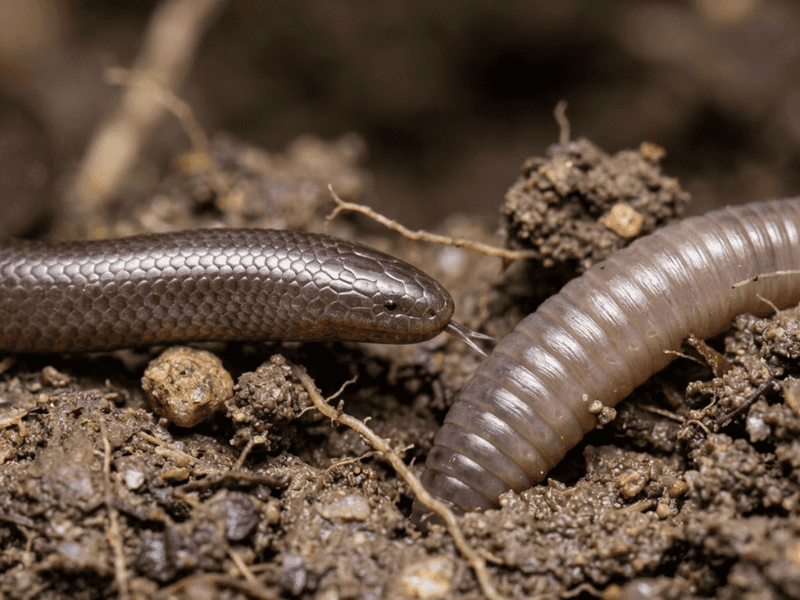
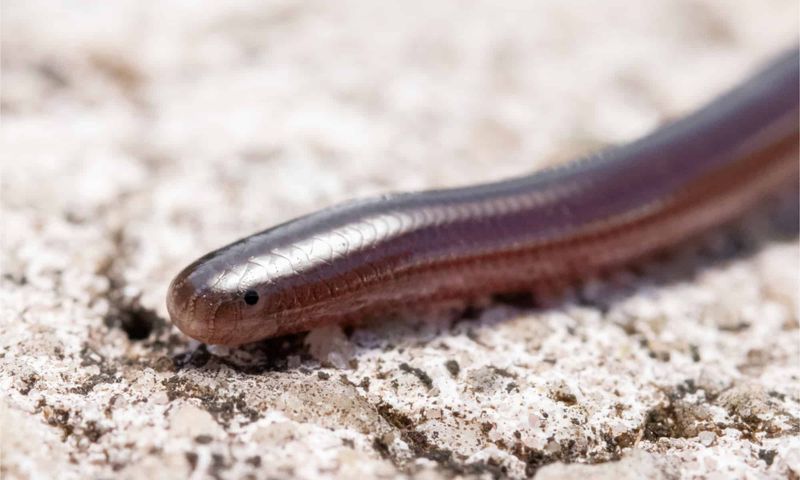
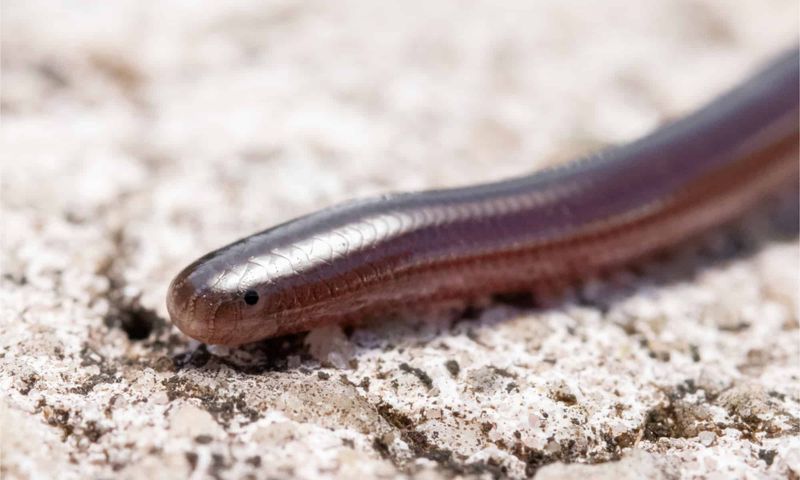
Look closely at the skin. A likely Brahminy blindsnake is smooth, shiny, and unsegmented, almost like a tiny strand of polished dark thread.
An earthworm, by contrast, shows visible rings along its body, and many have a thicker, softer band partway down.
The face is another clue. Blindsnake eyes are reduced and sit beneath the scales, so they show up as tiny dark spots, if you can see them at all.
The head and tail also look much alike, which can make it hard to tell which end is leading as the animal crawls.
These details come from the Florida Museum species account, and UF/IFAS Extension guidance on commonly encountered snakes also notes how easily this species gets mistaken for an earthworm.
Treat each feature as a clue, not a guarantee. A photo can be blurry, soil can hide rings, and plenty of other small creatures live in the dirt.
If you are unsure, say you found a possible blindsnake and leave it at that.
One practical habit helps: watch how it moves. A snake glides with a snaking, purposeful motion and a firmer look, while an earthworm stretches and squeezes itself along.
Even so, observation from a respectful distance is a better plan than picking it up to check.
Why does it turn up in Florida pots?
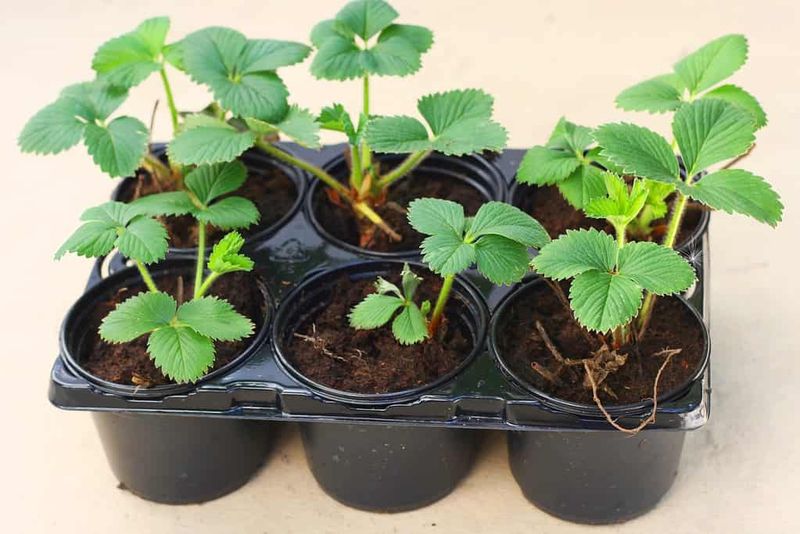
Brahminy blindsnakes are not native to Florida. They are thought to have arrived through the ornamental plant trade, with soil from potted plants carrying them to new places.
That story comes from the Florida Museum and is echoed in UF/IFAS materials.
It does not mean every individual rode in on a flowerpot. Once a species is established, it can spread on its own across soil, mulch, and leaf litter.
The museum reports it from much of the Florida peninsula and from a few isolated Panhandle locations, so it is not found everywhere in the state.
Why do gardeners find them in containers? These snakes live underground, and potting mix is loose, damp, and full of tiny insects.
Nursery pots, patio planters, and garden beds can all offer a snug home.
As UF/IFAS describes, the species is often noticed when soil gets disturbed, such as during repotting, bed prep, or moving heavy planters.
A handy next step is simple: when you bring home new plants, glance through the soil surface as you transplant. If something wormlike shows up, note where you were and snap a photo.
That small record can help a local expert help you.
An all-female species reproduces without males
Here is a twist that sounds like science fiction. Brahminy blindsnakes reproduce through parthenogenesis, which means females can produce young without mating with males.
The Florida Museum lists this as a defining trait of the species.
UF/IFAS describes the offspring as genetically identical to the mother. In practice, one snake can start a population in a new spot, which is one reason scientists find the species so interesting for spreading.
Researchers have studied how this works at the genetic level. A genomic study of the flowerpot snake looks at how parthenogenesis and triploidy evolved in this animal.
Now the caution. When people say the species is all female, they mean its known way of reproducing.
It does not mean you can tell anything about the sex of a snake you find by looking at it. Sex is not something a gardener can read from a tiny, smooth body in a pot.
So if you hear someone announce that the snake in your soil is a female, treat it as a fun fact about the species, not a diagnosis of that one animal.
What does it eat underground?
Underground, the menu is small and wriggly. The Florida Museum lists eggs, larvae, and pupae of ants and termites as prey for the Brahminy blindsnake.
Those soft life stages tucked inside nests are easy targets for a snake built for tunnels.
Diet is hard to study in an animal this small and secretive. A 2025 molecular study in Herpetology Notes found ant remains, identified as Pheidole nodus, in the stomach contents of two snakes.
Two animals is a small sample, so the study adds a real detail without telling the whole story.
That is why a line like it eats ant and termite larvae is accurate but incomplete. It does not tell you how much the snake eats, how often, or whether other prey matter too.
It also does not mean the snake will fix a pest problem in your yard. Nothing in these sources shows that a blindsnake meaningfully controls ants or termites in a home garden.
If you are dealing with fire ants or termites, use proven methods from UF/IFAS rather than hoping a tiny snake handles it.
Think of the diet as a neat piece of natural history. It explains why the snake lives where insect nests are, and that is a good reason to enjoy the discovery without making a plan around it.
Harmless does not mean handle an uncertain snake
UF/IFAS describes Brahminy blindsnakes as completely harmless to people. That is reassuring, but it is not a reason to pick one up for fun.
Wildlife is not a toy, and the label only helps if you are sure what you have.
If you have positively identified the animal as a Brahminy blindsnake and find it indoors, UF/IFAS says it can be swept into a dustpan and released outdoors. Skip any plan to carry it from pot to pot or garden to garden, because moving snakes around is not part of that advice.
If your identification is uncertain, leave it alone. The Florida Museum’s guidance on how to safely coexist with snakes is to give unidentified snakes space and not handle them.
One more myth to clear up: the pointed tip on the tail is not a stinger. The Florida Museum describes it as harmless, though a captured snake may press its tail tip against a person or release musk.
So if you cannot say for sure what you are looking at, step back, take a photo, and ask a local extension office. Keeping hands off protects both you and the animal.
Non-native is not the same as proven harmful
Non-native simply means a species came from somewhere else. Brahminy blindsnakes fit that label in Florida.
Harmful is a separate claim, and it needs its own proof.
A peer-reviewed review of non-native species in South Florida reports no known negative ecological impacts from this snake. It also cautions that limited research leaves room for surprises.
UF/IFAS Escambia County says in its Brahminy explainer that most biologists do not consider the species invasive by harm-based standards.
Put plainly, no known harm is not the same as proven harmless to Florida ecosystems. Both halves of that sentence matter.
For your garden, the takeaway is easy to use. Keep the possibility in mind when you repot, compare the clues, and describe what you found as a possible blindsnake until someone confirms it.
Respond calmly instead of panicking or celebrating.
Sometimes the best gardening skill is patience with a small mystery in the dirt.