
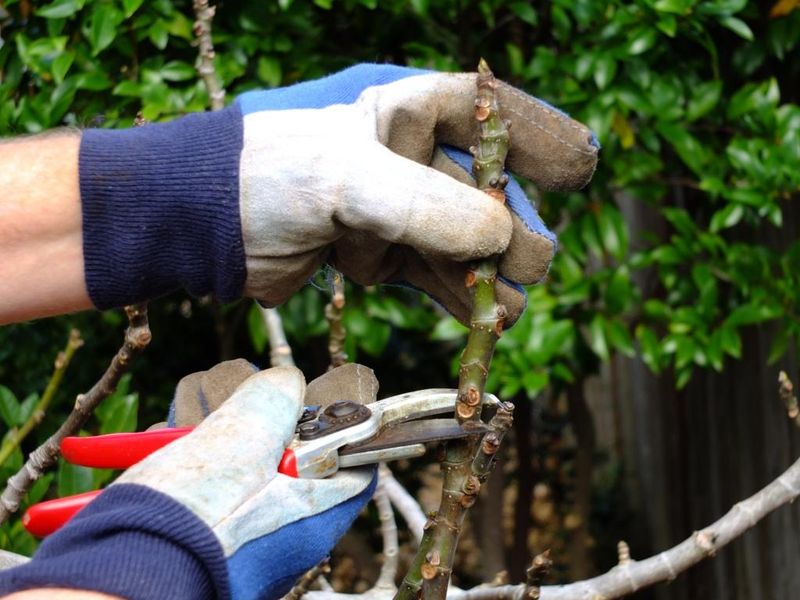
You look at your fig tree, see long branches and tangled growth, and wonder if it is time to grab the pruners. Here is the catch: some figs get their start on last year’s shoots, and a cut in the wrong spot can take them off the tree.
The good news is that a careful, targeted cut rarely wipes out everything. Knowing which wood to keep and when to trim helps you protect your harvest.
Will a cut erase the whole crop?
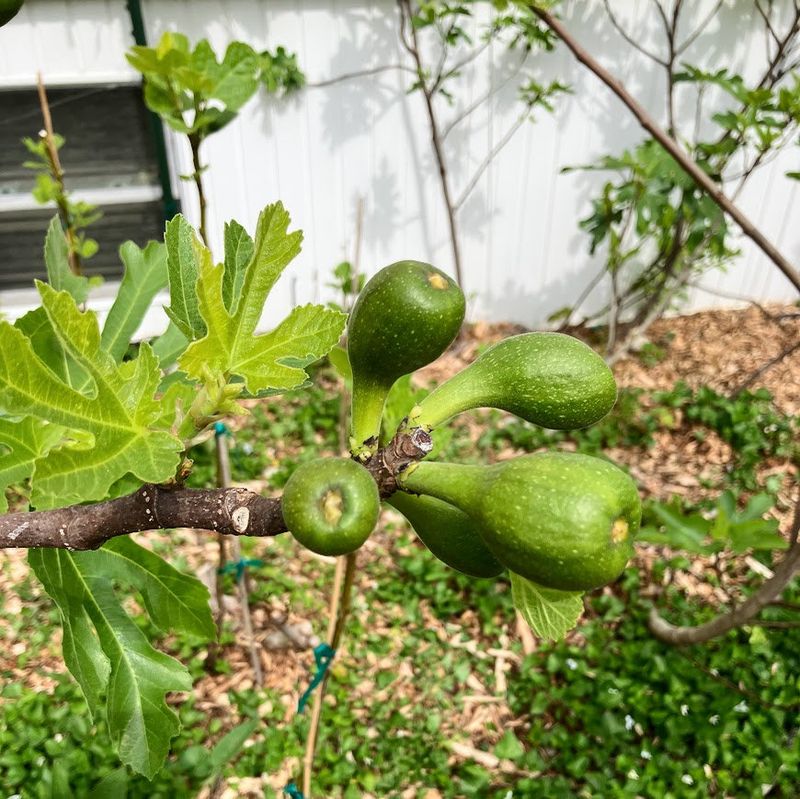
Short answer: a heavy or poorly aimed cut can cost you figs, but it does not automatically take every fig the tree could make. The difference comes down to which wood comes off the tree.
UF/IFAS fig guidance warns that heavy winter pruning can eliminate the following crop. That is a real risk, especially for a tree that sets its fruit on older wood.
Still, the picture is not all or nothing. University of California Cooperative Extension explains that severe winter pruning may reduce or eliminate the first crop, while a later crop can still form on new growth.
So losing some early figs is not the same as losing the whole season. Your cultivar and your local climate shape how big the loss turns out to be, so no one can promise an exact outcome.
In many varieties, early figs can form on last year’s shoots
Picture a shoot that grew last summer. In many fig varieties, tiny fruitlets set near the tips of that shoot and ride out the cold, then swell into the early crop the next year.
University of California Cooperative Extension calls this first round the breba crop.
A later crop forms on shoots that grow during the new season. That main crop ripens after the early one, and it sits on wood that does not exist yet when you prune in winter.
Here is where cuts matter. If you shorten last year’s shoots, you may remove the tips where early fruitlets were waiting, and you give up those early figs.
The later crop can still develop on new growth, as described in the UC fig publication.
Not every tree follows this script. Texas A&M specialists note that cultivar and climate affect which crops appear, so check how your own tree fruits.
Variety and climate shape which crops ripen
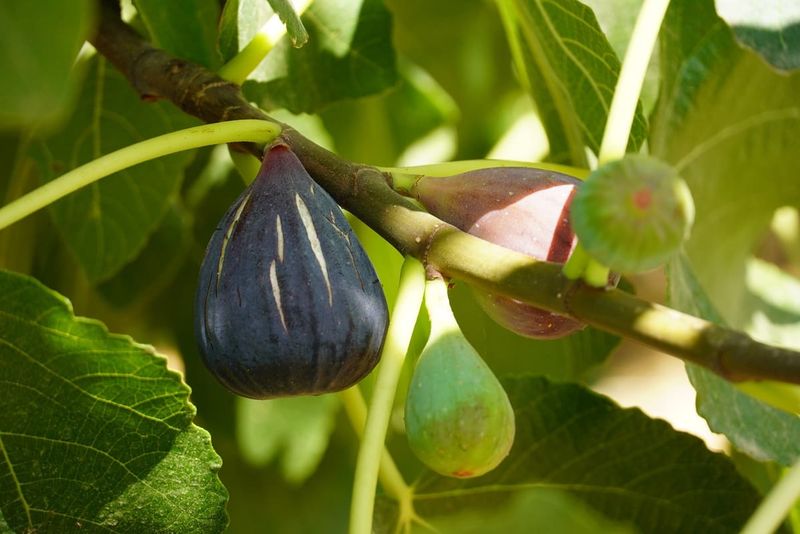
Two crops on paper do not always mean two harvests in the basket. Some varieties lean toward one crop, and some seasons simply do not give the early figs enough time or warmth to ripen.
Climate plays a big part. In places where winters are mild, early fruitlets may survive and ripen.
Where cold snaps hit hard, those fruitlets can be damaged before they ever get going.
Texas gardeners have one more wrinkle. Texas A&M guidance notes that some varieties can still produce on new growth after severe freeze injury.
That fits the broader pattern described by UC Cooperative Extension, where the later crop can fill in when the early one is lost.
Treat any pruning plan as a guess, not a guarantee. Watch your own tree for a season or two, and lean on advice written for your area.
Use regional timing, not a calendar rule
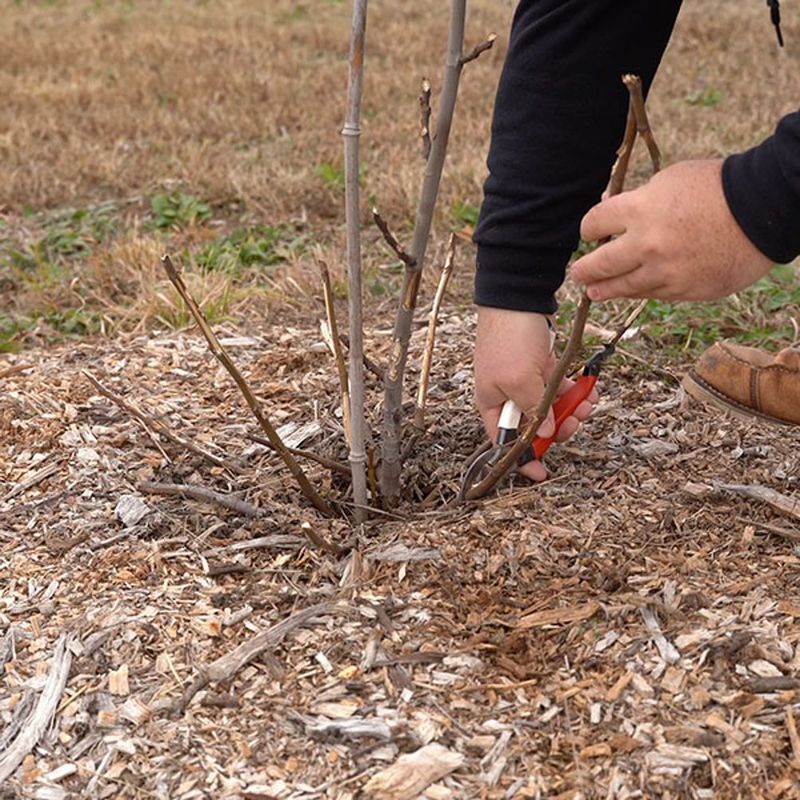
Florida and Texas do not share one pruning date, and neither does the advice inside Florida. The detailed UF/IFAS publication says to prune after harvest and points to late summer.
The UF/IFAS Gardening Solutions page says early in the summer, after the fruit ripens. The common thread is waiting for your own tree’s harvest to finish.
Texas guidance reads differently. Texas A&M homeowner advice suggests light cleanup in the dormant season, removing dead, diseased, and weak limbs.
Winter injury can change the plan. An Ask Extension response from Travis County says pruning there is often dictated by freeze damage, with early spring cuts in that setting.
One more distinction: a newly planted dormant trunk is cut back by about one-third at planting, according to Texas A&M specialists. That is an establishment cut, not routine work for a mature fruiting tree.
Keep sound fruiting wood unless it needs to go
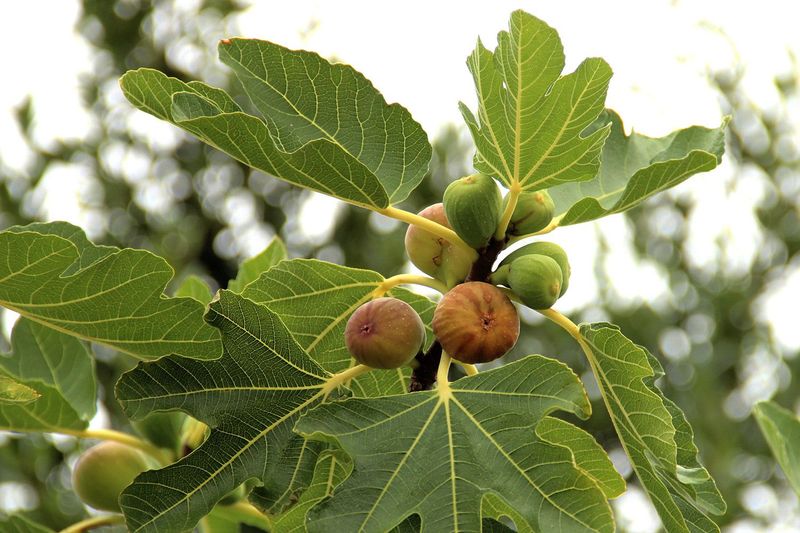
If fruit is your top goal, think small. A fig does not need heavy pruning to produce, and UF/IFAS says figs do not need pruning to be productive.
It also cautions that late-maturing cultivars can lose significant yield after pruning.
So prune with a reason. Good reasons include keeping the tree to a size you can reach, opening up the structure, or removing wood that is dead, diseased, damaged, or weak.
Texas A&M recommends clearing those limbs each dormant season.
Sound shoots that grew last year are the ones to think twice about, since their tips may carry early figs. A practical test: if a branch is healthy and not crowding anything, leave it.
Do not read vigorous regrowth after a hard cut as proof that the next crop is safe. A tree can sprout lots of leafy shoots and still have lost its early figs.
Make each cut back to a bud or branch
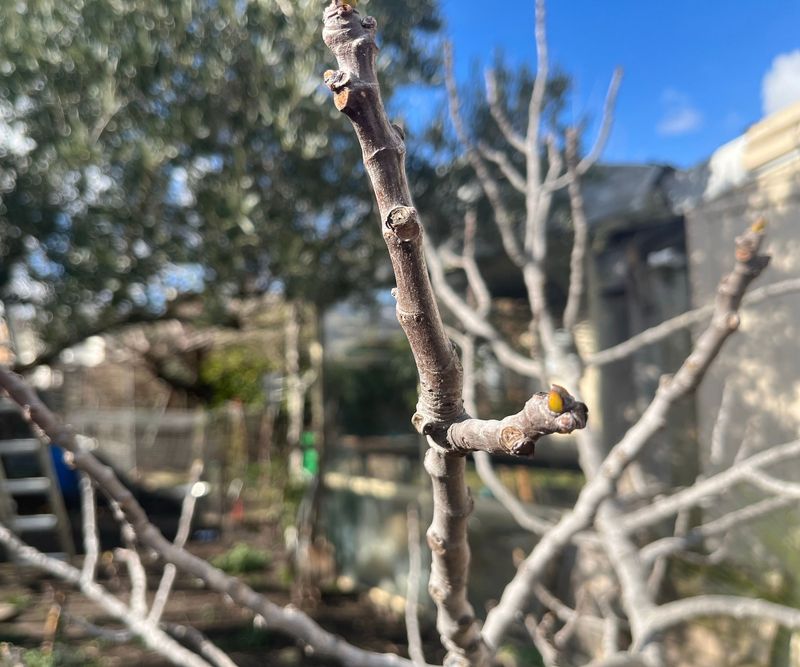
Once you know what to remove, the cut itself matters. Georgia Extension advises taking out dead, diseased, damaged, or weak wood first.
Skip the bare stubs. A stub left sticking out tends to die back and gives you a messy spot, so trace the branch to a bud or to the branch it grows from and cut there.
Look at the tree’s main framework too. Georgia Extension suggests removing branches that interfere with the leaders you have chosen, which keeps the shape open and easier to harvest.
Sharp, clean pruners make smoother cuts. Start with the obvious problem branches, step back, and look at the tree again before taking anything more.
Wear gloves and protect sound shoots
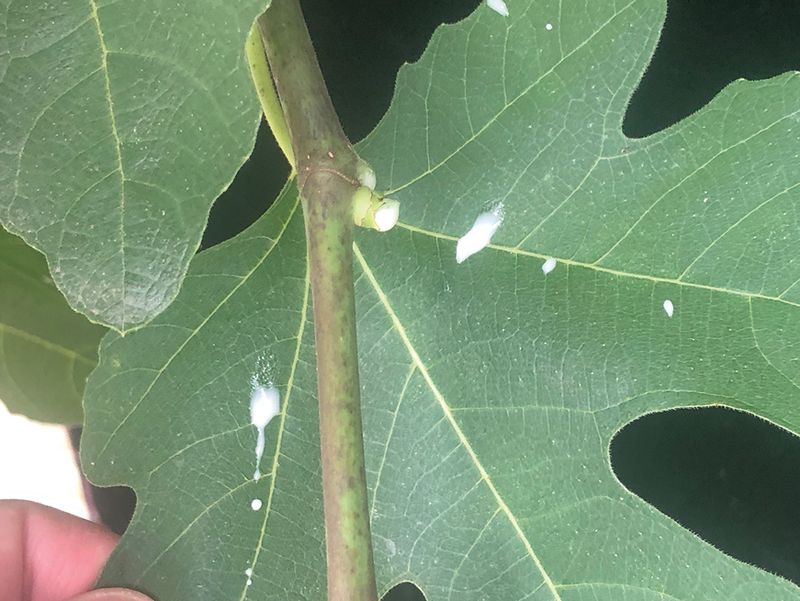
Before you cut, put on gloves. The Royal Horticultural Society says fig sap can irritate skin, and Texas A&M also recommends gloves and long sleeves when handling figs.
Then keep your plan simple. Leave sound fruiting shoots alone unless they cause a size or structure problem, and take out the clearly dead or weak wood.
Let your tree’s harvest and your local conditions guide the timing, not a single date on a calendar. A few careful cuts beat a big haircut.
A fig forgives a lot, but it rarely forgives a cut that took the fruit with it.