
Big, juicy tomatoes start long before you set a single plant in the ground. The soil they grow in needs food, too, and much of what it craves is already sitting in your kitchen.
Feeding your bed with everyday pantry leftovers during the off season can build richer, livelier soil by the time spring planting rolls around. Here are 17 common staples worth saving, plus how to use each one without causing new problems.
1. Coffee Grounds
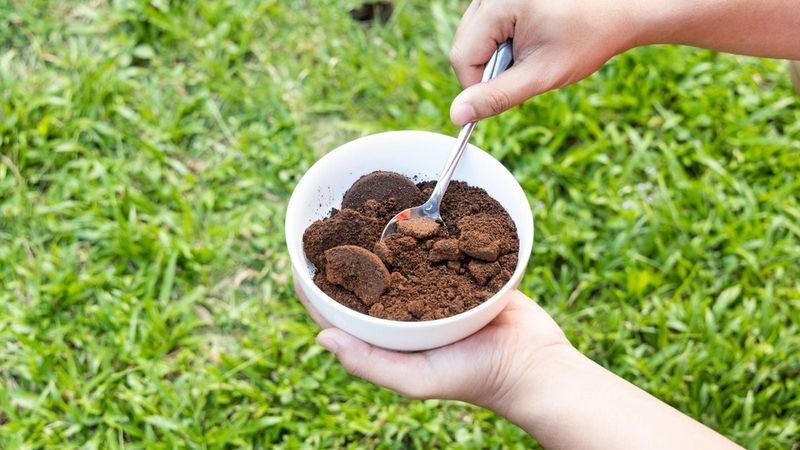
Your morning cup leaves behind one of the easiest soil boosters around. Spent coffee grounds carry nitrogen, a nutrient tomatoes use to build strong stems and healthy leaves before they set fruit.
The trick is moderation. Grounds packed in a thick layer can crust over and shed water, which is the last thing a Texas or Florida bed needs during a dry spell.
Instead, scatter a thin dusting and rake it into the top inch of soil, or mix it into your compost pile where it can break down with leaves and kitchen scraps.
Many gardeners believe grounds make soil very acidic, but used grounds are usually close to neutral because brewing washes out much of the acid. That makes them a fairly safe addition for tomatoes, which prefer slightly acidic to neutral soil anyway.
Earthworms also seem to enjoy them, and more worms often means better drainage and looser soil around roots. Ask a local coffee shop for their leftovers if your own supply runs short, since many happily bag them up for free.
A steady trickle all fall and winter can add up to a noticeably richer bed by planting time in early spring.
2. Eggshells
Blossom end rot has broken plenty of hearts. You wait weeks for that first ripe tomato, only to find a sunken black patch on the bottom.
Calcium plays a role in preventing it, and eggshells are packed with the stuff.
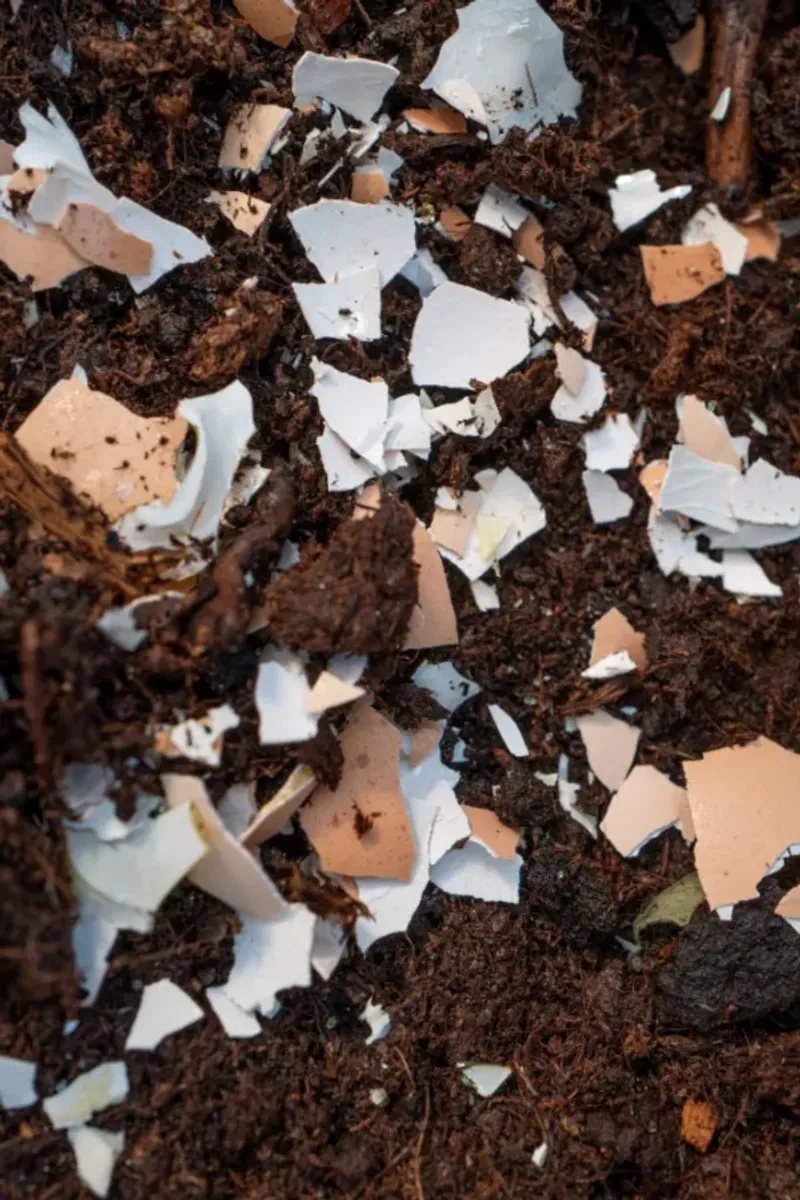
Here is the honest catch: whole shells take a very long time to break down. Toss them in uncrushed and you may still see them two years later.
To get real value, rinse the shells, let them dry, then grind them into a fine powder with an old blender or coffee grinder.
Starting now gives that powder months to work into the soil before spring planting. Sprinkle a few handfuls per bed and scratch it in lightly.
Over time, it can help build up calcium reserves your plants draw on later.
Keep in mind that blossom end rot is often tied to uneven watering, not just low calcium. So eggshells work best as part of a bigger plan that includes steady moisture and mulch.
In hot Southern summers, that combination may help reduce the problem far better than any single fix. Keep a jar by the stove and the habit becomes almost effortless over the season.
3. Banana Peels
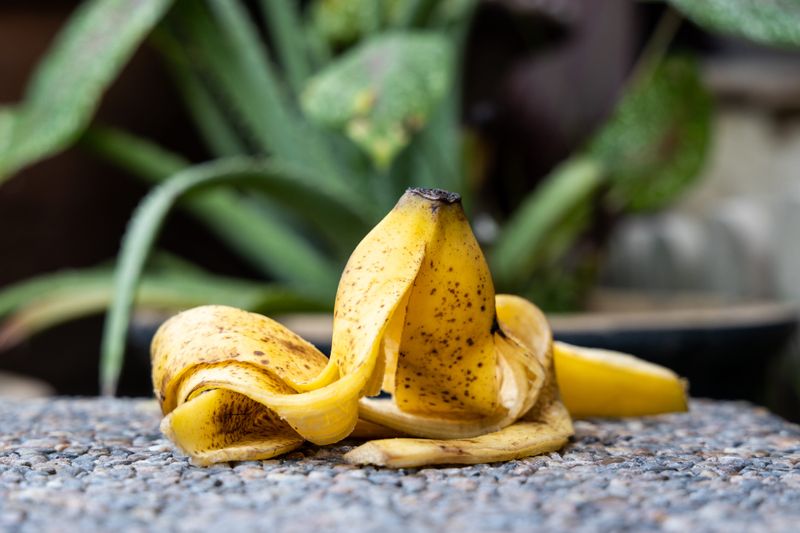
Potassium is the nutrient behind flavor and fruit quality, and banana peels hold a surprising amount of it. Gardeners in Louisiana and Georgia have tucked peels near their tomato rows for generations, and there is some sense behind the old habit.
Laying whole peels on top of the soil is not the best approach, though. They can attract fruit flies, raccoons, and even fire ants in warm climates.
A better plan is chopping the peels into small pieces and burying them a few inches deep in the bed, or adding them to your compost.
Winter is a great time to do this because the bed is empty. Dig shallow trenches where your tomatoes will go next year and drop in chopped peels as you collect them.
By spring, they will have softened and blended into the soil, releasing nutrients slowly.
Some people dry peels in the oven and grind them into powder for easier storage. That works too, and the powder mixes in cleanly.
Just remember that peels supply potassium, not a complete diet, so pair them with other items on this list for a balanced bed that keeps plants loaded with fruit all season long.
4. Epsom Salt
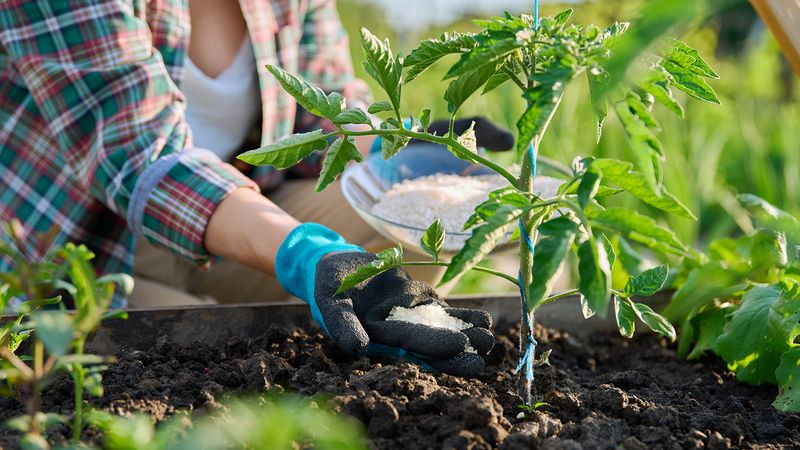
Ask ten tomato growers about Epsom salt and you might get ten different opinions. It is magnesium sulfate, and magnesium helps plants make chlorophyll, the green pigment that powers growth.
When soil truly lacks magnesium, older tomato leaves may yellow between the veins while the veins stay green. In that case, a light application can help.
A common rate is about one tablespoon per gallon of water, used occasionally rather than constantly.
Here is where caution matters. Too much magnesium can compete with calcium, and that could make blossom end rot more likely, not less.
Sandy soils across Florida sometimes do run low on magnesium, while many Texas clay soils already have plenty.
The smartest move is a simple soil test through your county extension office before you start adding any. Tests are inexpensive and tell you exactly what your bed needs.
If results show a shortage, working a small amount into the bed this winter gives it time to settle.
Think of Epsom salt as a targeted fix, not a cure-all. Used wisely, it may give leaves a healthier green color.
Used blindly, it can quietly throw your soil out of balance over time.
5. Used Tea Leaves
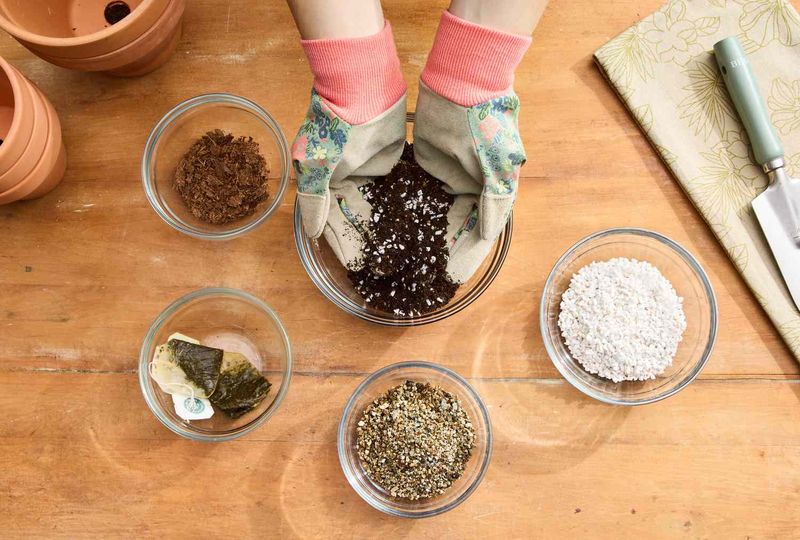
Sweet tea runs through Southern kitchens like water, which means plenty of leftover leaves. Rather than tossing them, give them a second life in your tomato bed.
Brewed tea leaves add organic matter and small amounts of nitrogen as they decay. They break down fairly fast, especially in warm, humid conditions, so they fit nicely into a winter feeding routine.
One thing to watch: many tea bags contain plastic mesh or glue that never fully breaks down. Tear open the bags and empty the leaves, then toss the paper or plastic in the trash.
Loose leaf tea skips that problem entirely.
You can scatter the damp leaves right on the soil and cover them with mulch, or toss them into compost to mix with other scraps. Either way, they help feed the tiny soil organisms that make nutrients available to roots.
Green tea, black tea, and most herbal blends all work. Skip anything heavily sweetened or flavored with oils, since sugar can draw ants.
Collecting a jar of leaves each week may not seem like much, but over a few months it can make a modest difference. Small, steady habits like this often build the best soil of all.
6. Vegetable Scraps
Carrot tops, onion skins, lettuce cores, and pepper ends might look like trash, but to your soil they are dinner. Vegetable scraps are the backbone of almost any good compost, and composting is one of the best ways to grow bigger tomatoes.
Finished compost improves how soil holds water, which matters enormously when summer heat hits 95 degrees. It also feeds roots gently over time instead of all at once like chemical fertilizer.
Starting a pile now pays off by spring. In Southern climates, compost works quickly because warm temperatures keep microbes active even in winter.
Mix scraps with dry leaves or shredded paper, keep the pile damp like a wrung-out sponge, and turn it every week or two.
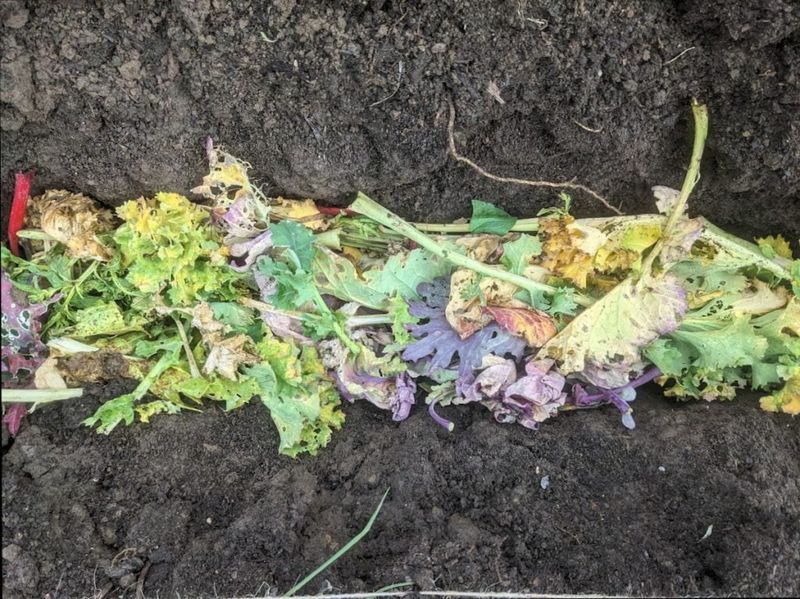
If you do not want a pile, try trench composting instead. Dig a hole about a foot deep right in the bed, bury the scraps, and cover them back up.
They will rot in place where next year’s roots can reach them.
One rule: leave out diseased plant material, especially old tomato vines with blight. Those pathogens can survive and return next season.
Healthy scraps only, and your bed will thank you.
7. Cornmeal
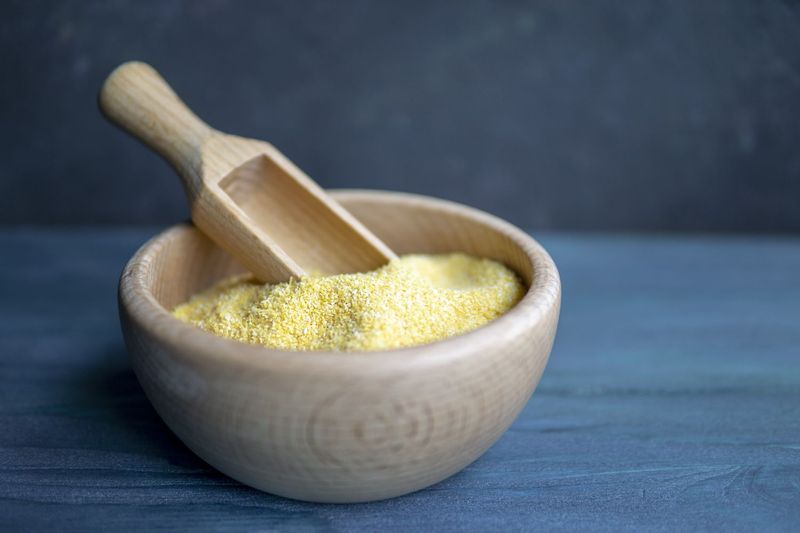
Grandma kept cornmeal for cornbread, but some gardeners keep a bag for the soil too. Plain cornmeal adds organic matter and a small dose of nitrogen as it breaks down.
Many people also use it hoping to discourage fungal problems. Horticultural cornmeal has been studied for possible benefits against certain soil fungi, and some growers in Texas swear by it.
Research is still limited, so treat it as a helpful extra rather than a guaranteed shield.
Using it is simple. Sprinkle a few cups per 100 square feet and work it lightly into the soil.
Doing this in winter gives it time to decompose before your tomatoes go in.
Choose plain, unseasoned cornmeal. Mixes with salt, sugar, or baking powder are not a good fit for garden beds.
If you can find whole-ground cornmeal from a feed store, it is often cheaper in bulk.
Be aware that cornmeal sitting on the surface may attract birds, rodents, or ants. Raking it in quickly helps avoid unwanted visitors.
Used thoughtfully, it adds a little extra life to soil and may give young tomato roots a cleaner start when the weather warms up.
8. Molasses
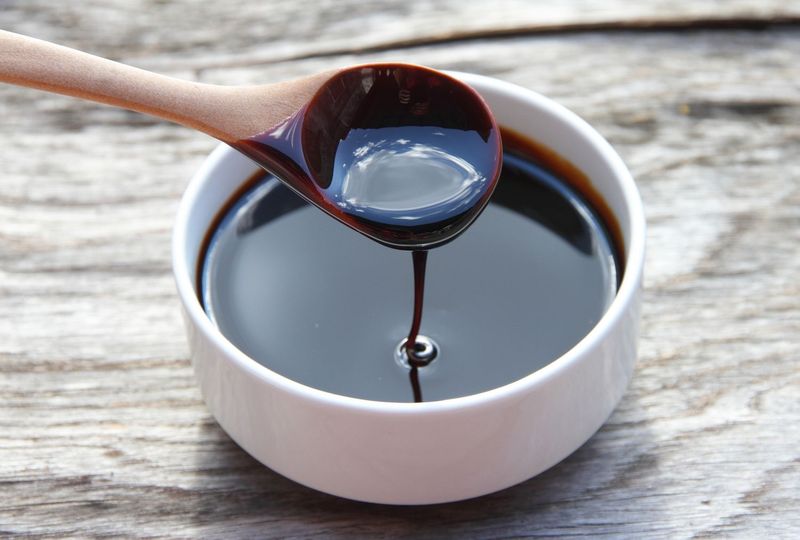
Sticky and sweet, molasses seems like an odd thing to pour on dirt. Yet organic growers across the South have used it for years as a soil microbe booster.
The idea is that the sugars in molasses feed beneficial bacteria and fungi living in the soil. Those microbes, in turn, help break down organic matter and release nutrients for plant roots.
Unsulfured blackstrap molasses also carries small amounts of potassium, iron, and calcium.
Mix about one to two tablespoons per gallon of water and pour it over your bed every few weeks during the off season. It pairs well with compost or mulch, giving microbes both food and a home.
Results are not always dramatic, and research on molasses in home gardens is limited. Many gardeners report livelier soil, but think of it as a supporting player rather than a star.
Always use unsulfured molasses, since sulfur preservatives may harm the very microbes you are trying to help. Avoid pouring it straight and undiluted, which can attract ants and create a sticky mess.
A gentle dose here and there may be just the nudge your soil life needs before tomato season.
9. Oatmeal and Stale Grains
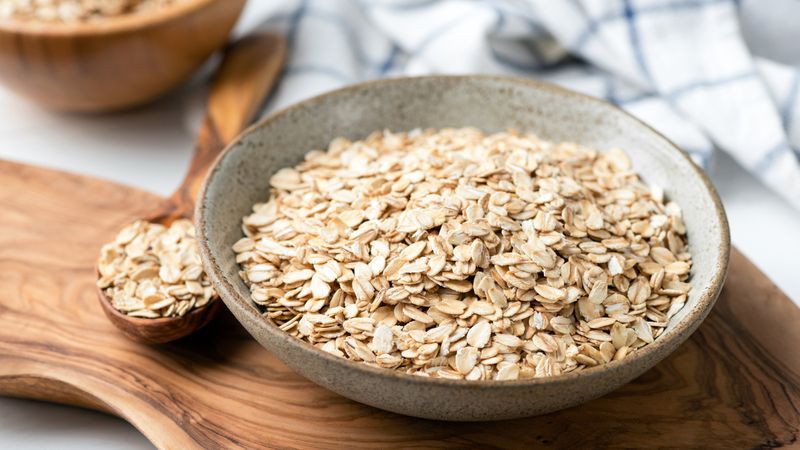
That forgotten canister of oats in the back of the cupboard has a new job waiting. Expired oatmeal, stale rice, and old flour can all feed your soil instead of the landfill.
Grains are carbohydrates, which compost microbes love. As they break down, they add organic matter that helps sandy Florida soils hold moisture and loosens heavy clay common in parts of Texas.
Raw grains do best mixed into compost rather than dumped directly on the bed. On the surface, they can draw birds, mice, and other critters looking for an easy meal.
Buried inside a compost pile, they disappear quickly.
Cooked grains are trickier. Leftover rice or oatmeal with butter, milk, or salt can attract pests and smell bad as it rots.
If you add cooked grains, keep amounts small and bury them deep.
A fun bonus: some gardeners mix dry oats into planting holes, believing they feed soil life near the roots. There is not much science behind that, so starting early in compost is the safer bet.
Cleaning out your pantry each winter and passing old grains to the compost pile is a tidy habit that helps both your kitchen and your tomato bed.
10. Powdered Milk
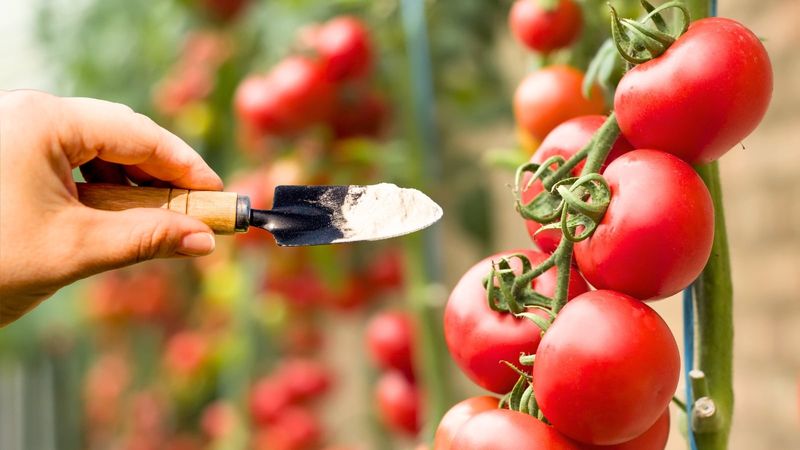
Old-timers sometimes sprinkled powdered milk in their tomato beds, and it was not just folklore. Dry milk contains calcium along with some protein and sugars that soil life can use.
For tomatoes, calcium matters because it helps form strong cell walls in growing fruit. Adding powdered milk to the bed during winter may give that calcium time to work into the soil.
Use it sparingly. A quarter to half cup per plant site is plenty, mixed lightly into the soil.
You can also dissolve it in water and pour it over the bed for more even coverage.
Expired powdered milk is perfect for this job, so check the back of your cabinets. Avoid fresh liquid milk in large amounts, as it can sour, smell, and attract flies, especially in warm weather.
Some gardeners also spray diluted milk on leaves, hoping to slow powdery mildew. Studies on other crops have shown some promise, though results vary, so it may help but is not a sure fix.
As a soil addition, powdered milk is a cheap, low-risk way to round out your calcium plan alongside crushed eggshells and good, consistent watering habits.
11. Baking Soda
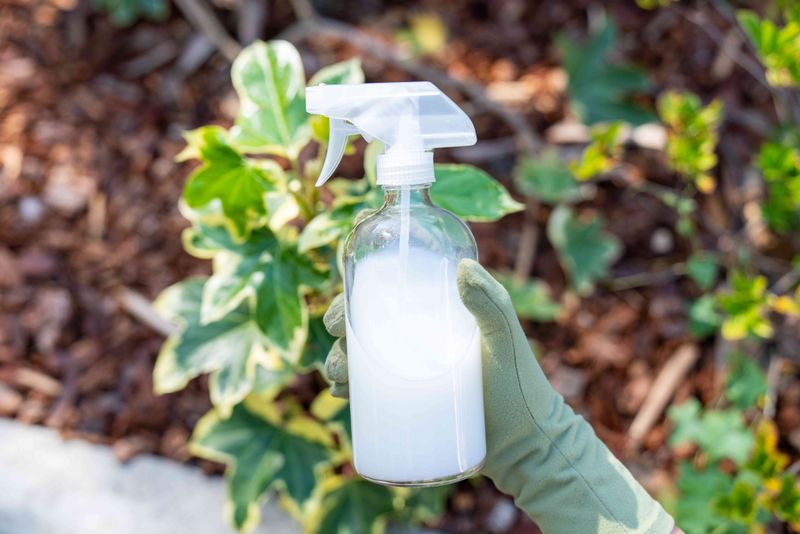
Few pantry items get as much garden buzz as baking soda, and most of it is not about feeding soil at all. Sodium bicarbonate is better known as a possible fungus fighter for leaves.
A spray made from one teaspoon of baking soda, a few drops of mild soap, and a quart of water may help slow early leaf fungus on tomatoes. Results vary, and it works best before disease spreads, so keep the recipe handy for spring.
As a soil amendment, though, go easy. Baking soda is mostly sodium, and sodium builds up over time.
Too much can damage soil structure and stress roots. That is why it should never be dumped into the bed in large amounts.
So why include it here? Planning now helps you avoid trouble later.
Clean your tomato cages and stakes with a baking soda scrub this winter to remove grime where disease spores may hide.
Store-bought tools are not always needed when a box from the fridge can do the job. Just remember the rule: use it on surfaces and leaves, not as a regular soil food.
Smart use keeps your bed healthy and balanced.
12. Wood Ash from the Fireplace
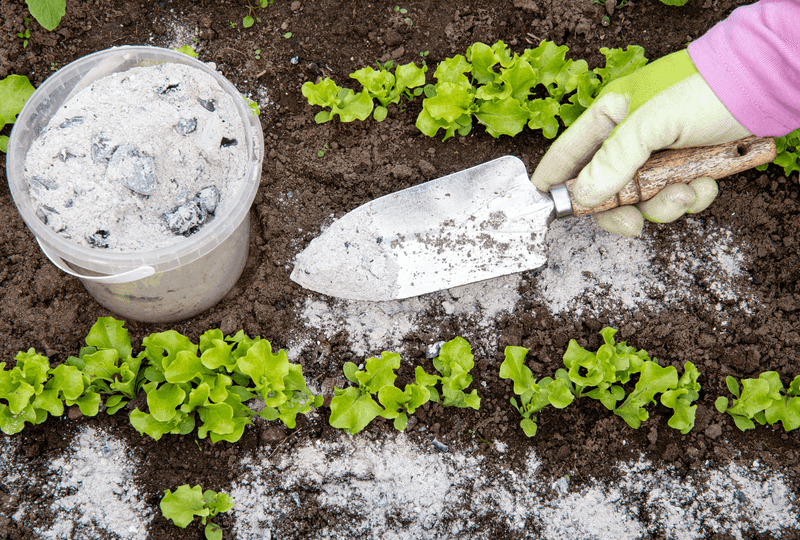
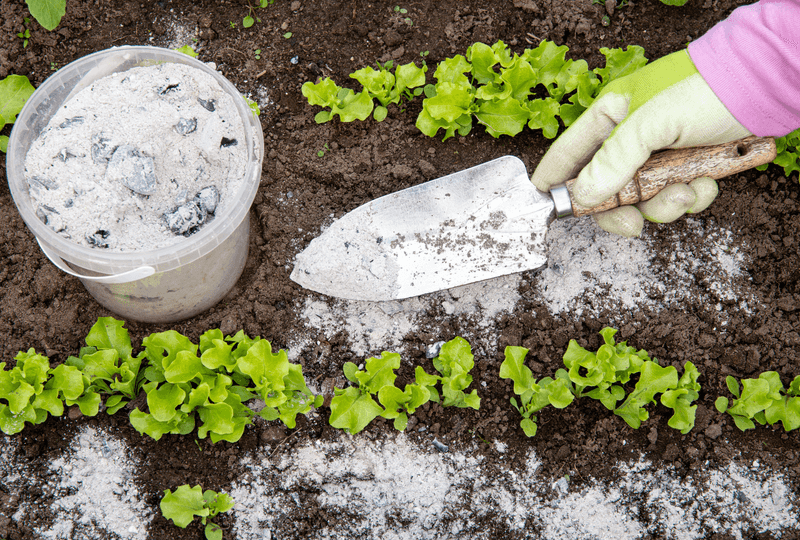
On those rare chilly nights when a Southern fireplace gets lit, the leftover ashes are worth saving. Hardwood ash is rich in potassium and calcium, two nutrients tomatoes use heavily.
Ash is also alkaline, meaning it raises soil pH. That can be helpful if your soil is too acidic, like many sandy beds in Florida and the Southeast.
On the other hand, much of Texas already has alkaline soil, and adding ash there could push pH too high.
Again, a soil test is your friend. If your soil sits below a pH of about 6.0, a light dusting of ash can help.
A common guideline is no more than five to ten pounds per 1,000 square feet per year.
Only use ash from untreated wood. Skip charcoal briquettes, painted lumber, or anything with lighter fluid, as those may carry harmful chemicals.
Spread ash in winter when the bed is empty, then water it in or rake it gently. Wear gloves and avoid windy days, because fine ash blows everywhere and can irritate skin.
A careful sprinkle may sweeten sour soil and give next summer’s tomatoes a solid foundation.
13. Cardboard and Paper Bags
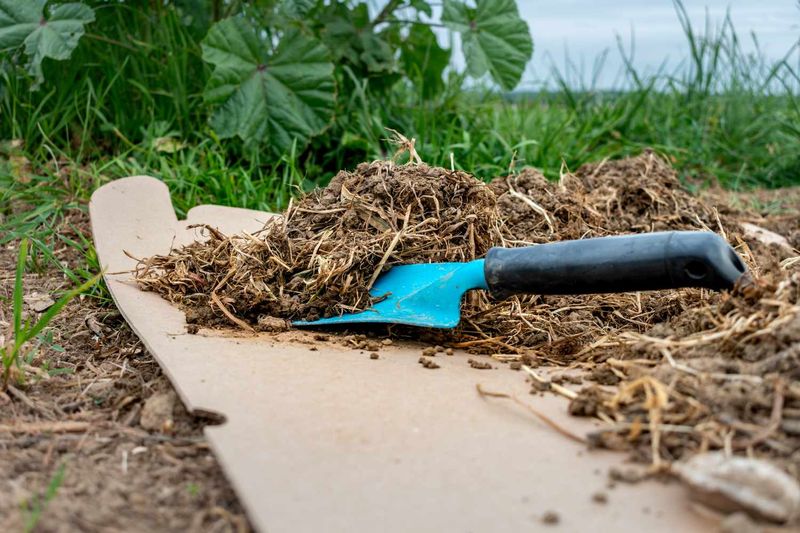
Grocery bags and delivery boxes pile up fast. Instead of hauling them to the curb, lay them over your empty tomato bed and let them smother weeds while feeding the soil underneath.
Gardeners call this sheet mulching. Flatten plain brown cardboard or paper bags, remove tape and stickers, and overlap the edges so no light gets through.
Wet them down well, then cover with a few inches of leaves, grass clippings, or compost.
Over winter, the cardboard blocks weeds and slowly breaks down. Earthworms tend to gather beneath it, tunneling and leaving behind rich castings.
By spring, much of it will have softened enough to plant right through.
In hot Southern climates, this method works especially fast because microbes stay active. It also helps hold moisture in the soil, which can be a big win in places that see long dry spells.
Avoid glossy, colored, or heavily printed cardboard, since coatings may not break down cleanly. Plain brown is best.
If you are turning a patch of lawn into a new tomato bed, sheet mulching now is one of the easiest ways to do it without digging or spraying anything harsh.
14. Cooking Water from Vegetables
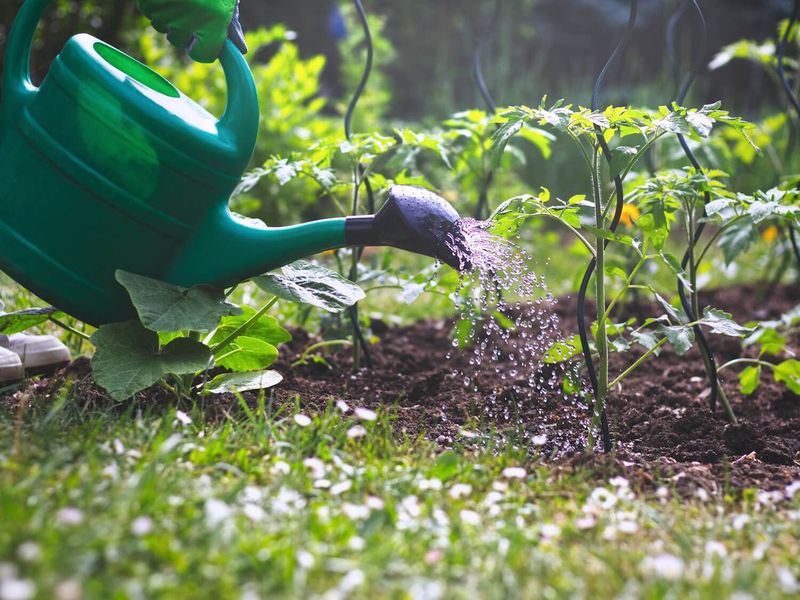
Steaming broccoli or boiling potatoes leaves behind water that has quietly soaked up some minerals. Once cooled, that water can go straight onto your garden bed instead of down the drain.
Nutrient levels are modest, so do not expect miracles. Still, it is a free way to add tiny amounts of potassium and other minerals while also giving the soil a drink.
In drought-prone areas of Texas, every bit of reused water feels like a small victory.
The key rule is no salt. Most people salt their pasta or potato water, and sodium is bad for soil over time.
Save only unsalted water for the garden, and let it cool completely so it does not shock soil organisms.
Pasta water carries starch, which microbes can digest, but it may leave a crust if poured heavily in one spot. Spread it around and use it occasionally.
Keep a pitcher by the stove for collecting the cooled water and carry it out every few days. Pour it over compost piles or mulched beds during the winter.
It is a simple habit that wastes less, saves water, and gives your soil a little extra love.
15. Fish Scraps and Canned Fish Liquid
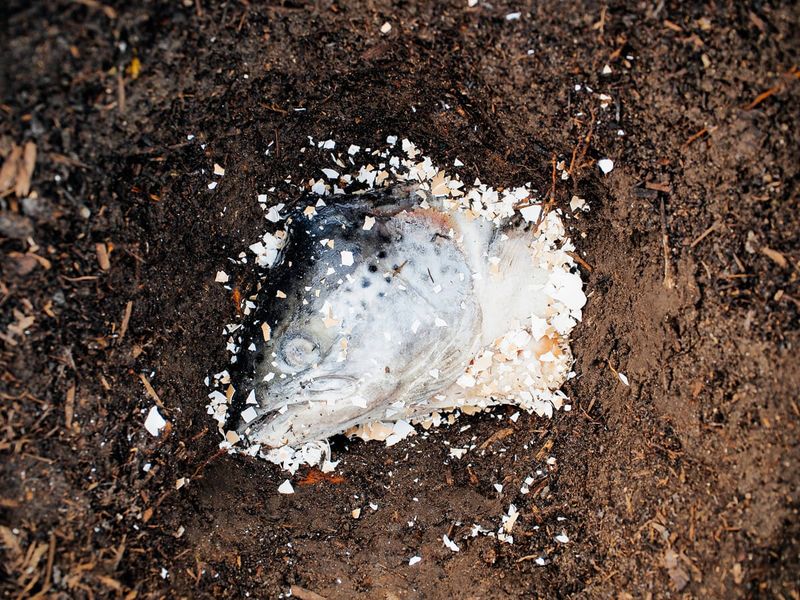
Native Americans famously taught early settlers to bury fish under corn plants. That same idea can work for tomatoes, since fish is loaded with nitrogen, phosphorus, and trace minerals.
Fish heads, bones, and skin from a fishing trip on the Gulf Coast can feed an entire bed. The water drained from canned tuna or salmon can also be diluted and poured on soil, as long as it is packed in water, not oil or brine.
The challenge is critters. Raccoons, dogs, opossums, and even armadillos may dig up anything that smells like fish.
Bury scraps at least 12 to 18 inches deep and cover them well. Placing a board or wire over the spot for a few weeks can help keep diggers out.
Burying fish in winter gives it plenty of time to break down before tomato roots arrive. By spring, it has turned into rich, dark soil.
If burying raw fish sounds like too much, store-bought fish emulsion offers similar benefits in an easier form. Either way, fish may give tomato plants a strong nutrient boost that often shows up in thicker stems and more blooms come summer.
16. Dried Beans and Lentils Past Their Prime
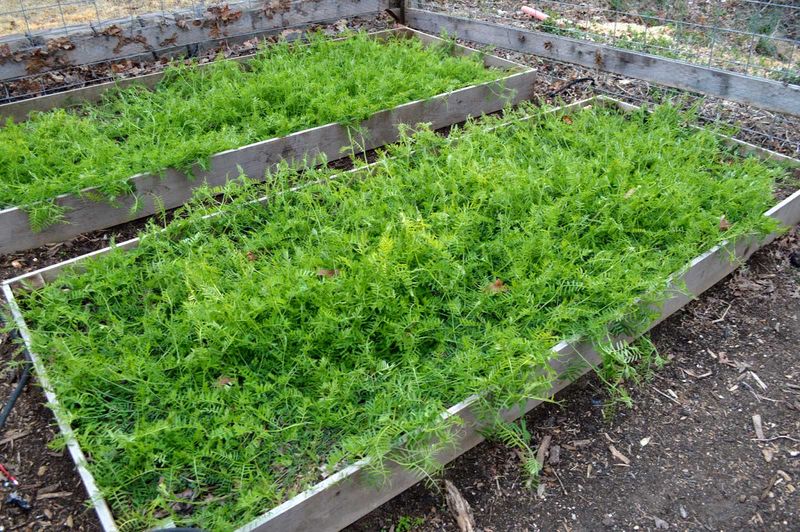
Ever find a bag of beans so old they refuse to soften no matter how long they cook? Those stubborn legumes can still help your garden in a clever way.
Many dried beans and lentils will still sprout if planted. Scatter them in your empty tomato bed this fall or late winter as a simple cover crop.
In the mild Southern climate, they may grow for weeks before you need the space.
Legumes partner with soil bacteria that capture nitrogen from the air and store it in their roots. When you chop the plants down before they flower and turn them into the soil, that nitrogen becomes available for your future tomatoes.
Not every pantry bean will sprout, especially if it is very old or was processed. Soak a few in a damp paper towel first to test them.
If half or more sprout, you are in business.
Even beans that do not grow can be composted. Cook them first, or crush them, so they do not sprout where you do not want them.
Turning kitchen leftovers into a living cover crop is cheap, fun, and a great project for kids, too.
17. Apple Cider Vinegar
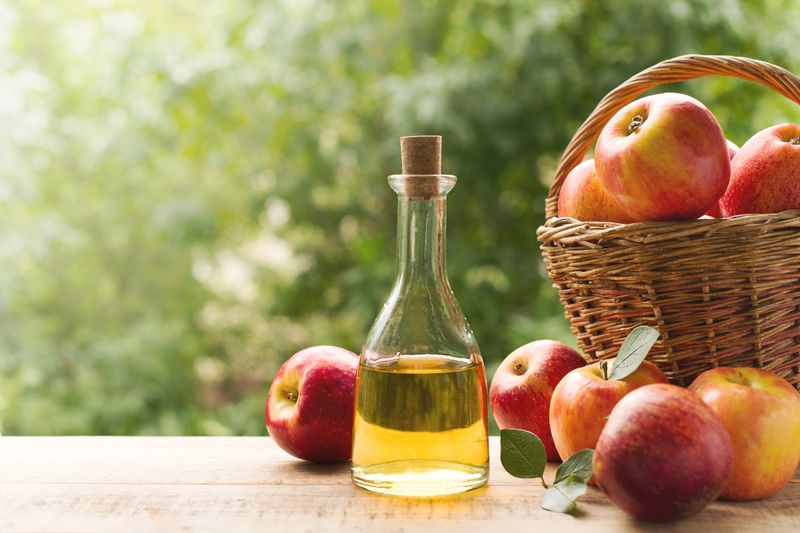
Last on the list, and the one to handle most carefully. Apple cider vinegar is acidic, and in the right situation, a very diluted dose may slightly lower pH in alkaline soil.
That matters in parts of Texas and other Western-leaning Southern areas where soil can run high in pH. Tomatoes prefer slightly acidic conditions, around 6.2 to 6.8, so overly alkaline beds may hold back nutrients like iron.
Mix about one tablespoon per gallon of water and apply it only occasionally. Full-strength vinegar works as a weed killer, so pouring it straight could harm soil life and any plants it touches.
For long-term pH changes, garden sulfur from a nursery is usually more reliable.
Vinegar also earns its pantry spot as a tool cleaner. Soaking pruners and old stakes in a vinegar solution this winter may help remove mineral buildup and grime.
Think of it as a careful helper, not a regular feeding. Test your soil first, use it sparingly, and watch how your bed responds.
Paired with the other staples here, it rounds out a winter routine that can set your tomatoes up for a bigger, tastier harvest next summer.