
North Carolina red clay can feel like gardening in a brick, so it makes sense to search online for a quick fix. The trouble is that many popular tips were written for sandy or loamy soils far from the Piedmont, and some of them can make clay harder, wetter, or even toxic to plants.
Late September is prime time for fall planting and bed prep across the state, which means a lot of shovels are about to hit the ground. Before you mix anything into your yard, here are eight things worth leaving out and what to use instead.
1. Sand
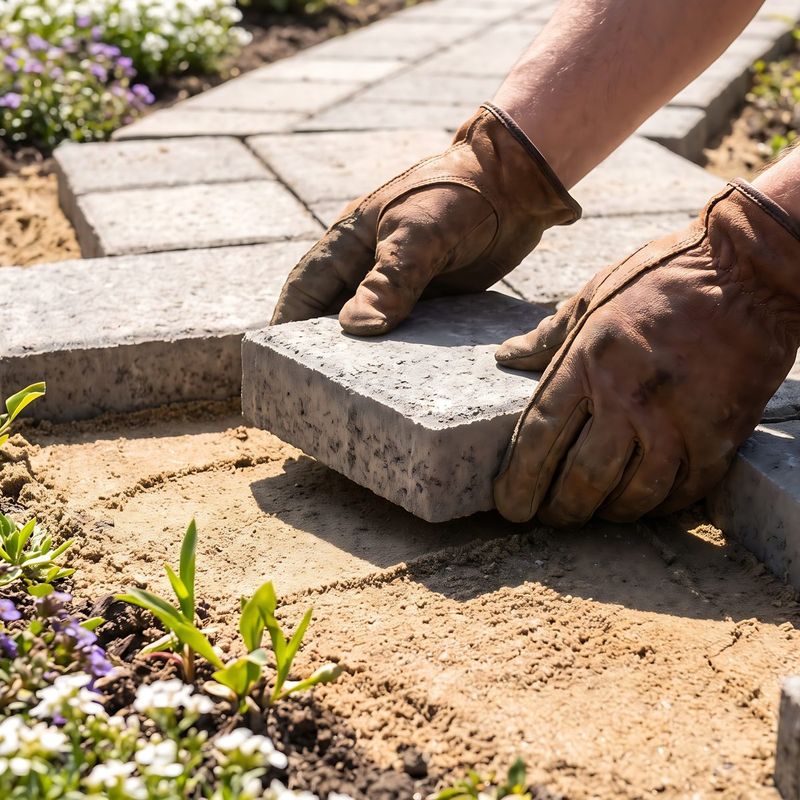
Picture pouring sand into wet clay and stirring. Instead of a loose, crumbly bed, you can end up with something closer to adobe or concrete, especially when only a few bags go in.
Fine clay particles tend to fill the gaps between sand grains, so drainage may actually get worse. Soil scientists generally say you would need sand to make up roughly half the soil volume to change texture, which is costly and rarely practical for a home bed.
A better path is spreading 2 to 3 inches of compost or leaf mold over the top and working it lightly into the upper few inches. Repeat each fall, and Piedmont clay can slowly turn darker and easier to dig.
2. Gypsum as a Cure-All
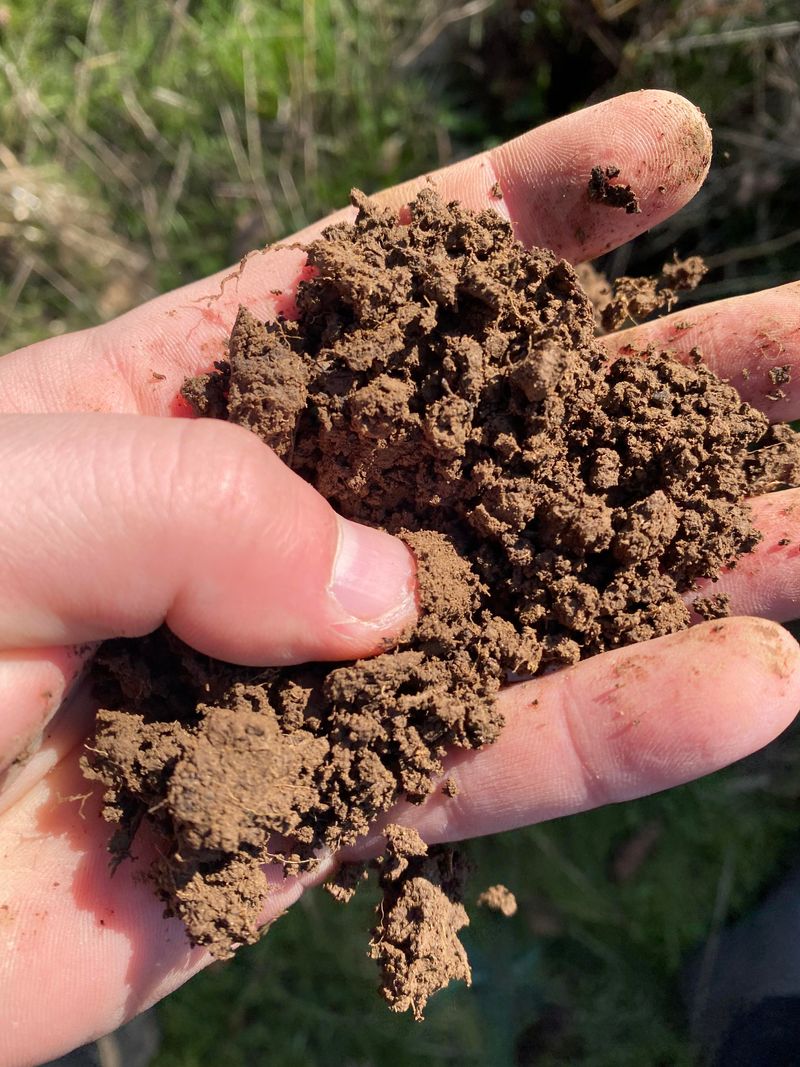
Gypsum gets sold like a magic clay breaker, and plenty of forum posts swear by it. The catch is that it works best on sodic soils, the salty kind more common in arid western states.
Most North Carolina clay is acidic and not high in sodium, so gypsum may do very little for structure here. You could spend money and see no real change in how the soil drains or digs.
Skip the guesswork with a soil test through the NC Department of Agriculture. Kits are free from county Extension offices, and fall is a good season to send one, since the lab is less busy than in spring.
3. Fresh Wood Chips Mixed Into the Soil
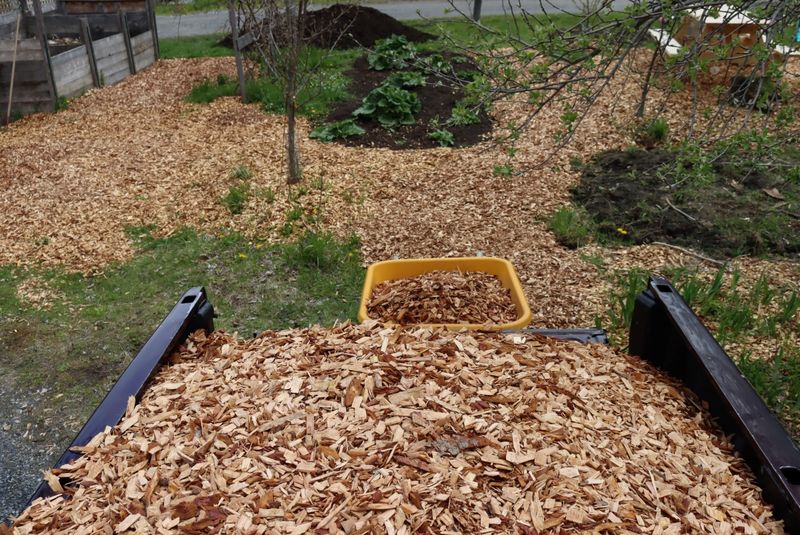
Free arborist chips are a gift, just not one meant for burying. When raw wood gets tilled into clay, soil microbes start breaking it down and borrow nitrogen from the surrounding soil to do the job.
Plants nearby may turn pale and stall, and fall transplants can struggle to root before cold weather arrives. In heavy clay, that buried wood can also hold pockets of soggy material.
Leave chips on top as mulch instead, about 2 to 3 inches deep and pulled back from stems. On the surface, they can feed the soil slowly, cool roots, and give ground beetles and other helpful critters a place to shelter through winter.
4. Gravel in the Bottom of Planting Holes
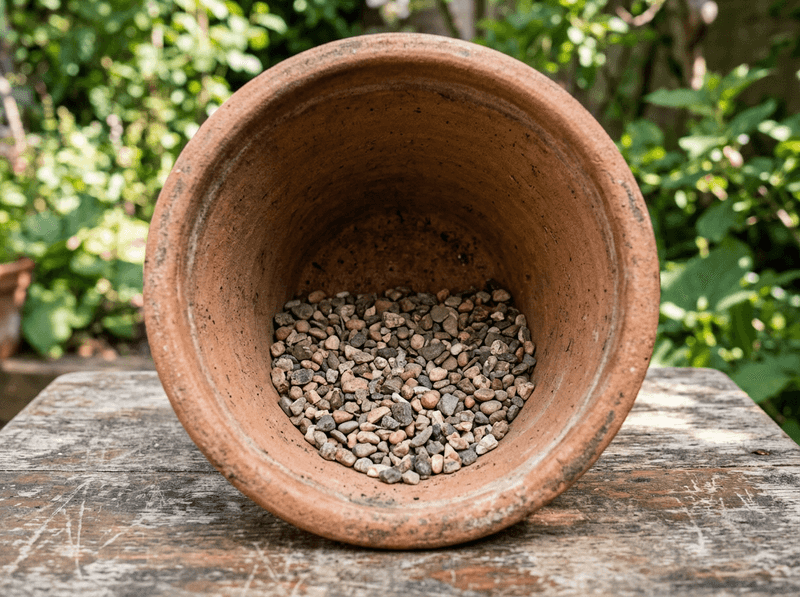
Grandpa did it, the video said to do it, and it seems so logical. Gravel at the bottom of a hole should help water drain, right?
Water actually tends to stay in finer soil until that layer is fully soaked, then moves down. In clay, a gravel layer can create a perched water table, leaving roots sitting in a soggy zone above the rocks, which is rough on dogwoods, azaleas, and other shrubs that dislike wet feet.
Dig holes wide and shallow, about two to three times the width of the root ball and no deeper. For very wet spots, plant slightly high or pick natives that handle damp ground, like inkberry holly or Virginia sweetspire.
5. Bagged Potting Mix in Shrub and Tree Holes
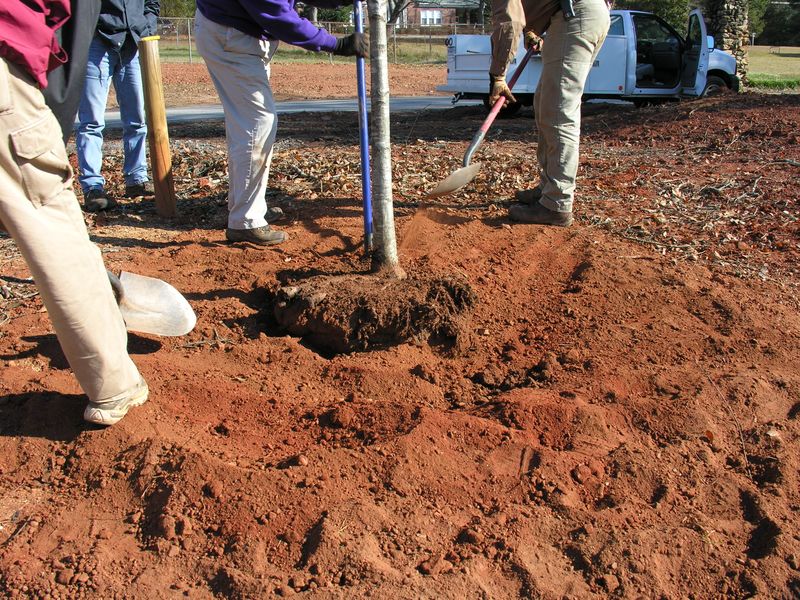
Here’s a sneaky one, because it feels generous. Filling a tree hole with fluffy potting soil seems like giving roots a soft bed to grow in.
Roots often find that soft pocket so comfortable they circle inside it instead of reaching into native clay. Water can also collect in the loose mix like a bathtub, since the surrounding clay drains slowly.
Extension advice for North Carolina usually favors backfilling with the original soil you dug out. Fall is an excellent time to plant trees like redbud or serviceberry here, and roots that learn clay early tend to anchor better.
6. Fresh Manure
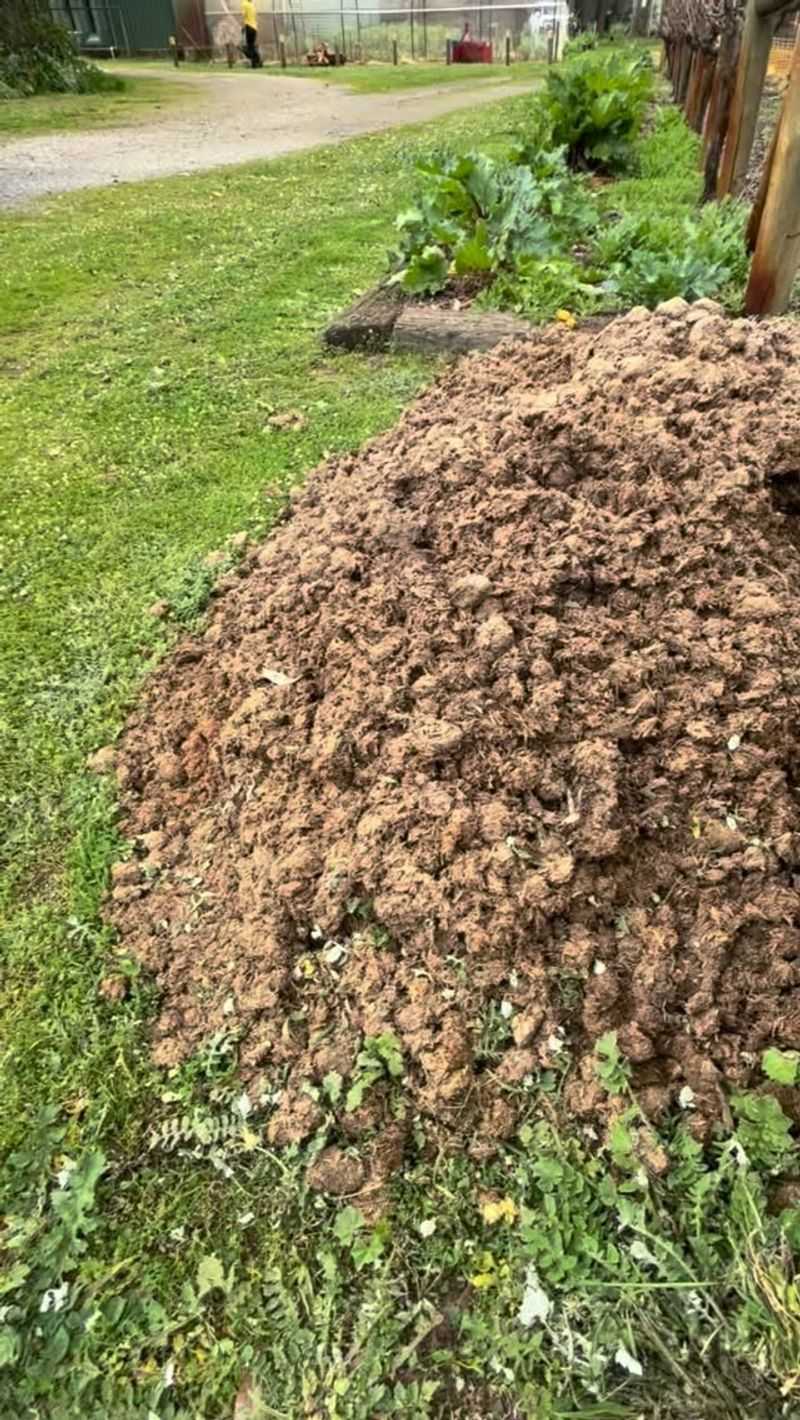
Farm neighbors in Johnston or Iredell County might offer you a truckload for free. Tempting, but fresh manure dug straight into a bed can be too strong for young plants.
It may burn tender roots with excess salts and ammonia, carry weed seeds, and pose bacteria concerns for vegetables like fall lettuce and carrots. Wet clay can also slow its breakdown, keeping it raw longer.
Let manure compost for several months first, or spread it on an empty bed now and let winter weather mellow it. By spring planting, it can become a much safer soil builder.
7. Lime Without a Soil Test
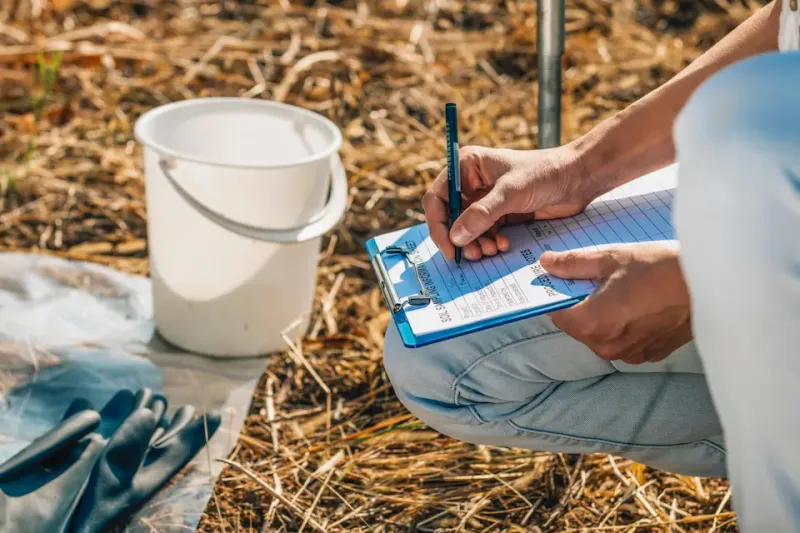
Old Southern wisdom says clay is sour, so lime everything. Sometimes that is true, but not always.
Many NC lawns and beds have already been limed for years, and too much can push pH high enough to lock up nutrients like iron and manganese. Blueberries and azaleas, which love acidic ground, may start to yellow.
Fall is the ideal season to test and lime because it has months to react before spring growth. The NCDA report will list exactly how much your yard needs, if any, so you can skip waste and protect nearby creeks from runoff.
8. Black Walnut Hulls and Leaves
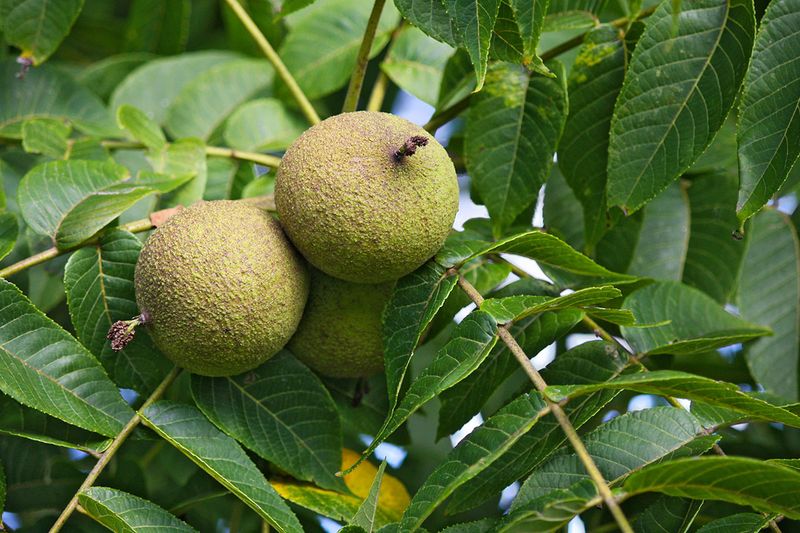
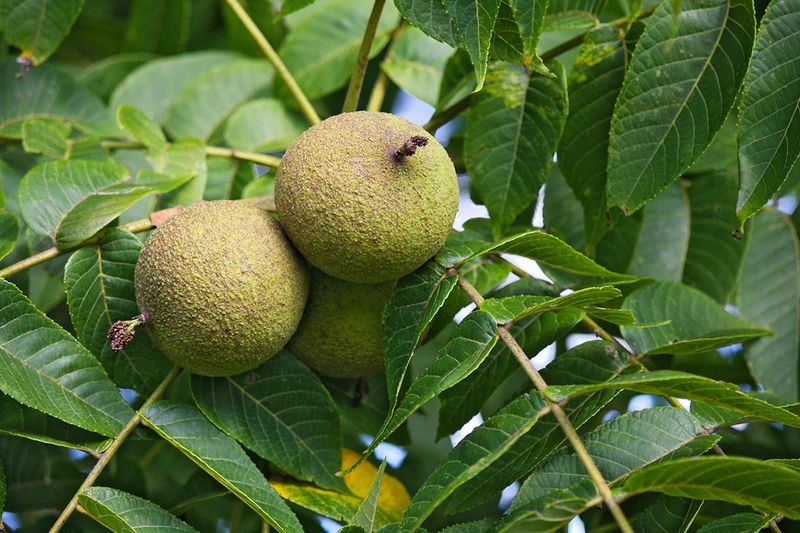
Squirrels drop walnuts everywhere in late September, and raking the hulls into a bed seems like easy organic matter. That shortcut can backfire.
Black walnut contains juglone, a compound that can stunt tomatoes, peppers, blueberries, and many ornamentals. Clay holds onto compounds longer than sandy soil, so effects may linger.
Compost walnut debris separately for a long time, or use it only around tolerant plants. Leaves from oaks, maples, and sweetgums make a much friendlier addition, and shredded leaves left in beds also give overwintering fireflies and butterflies a cozy home.