
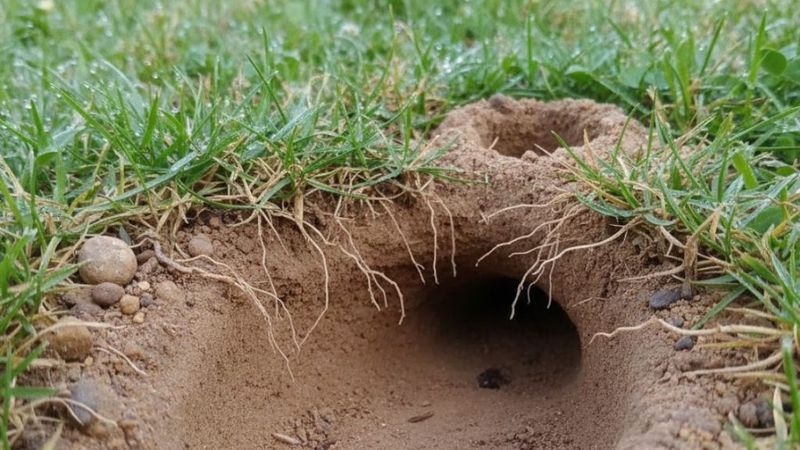
Those raised ridges and soft spots in your lawn usually mean one thing: a mole is busy underground. Moles do not eat your grass, but their tunnels can wreck roots, trip you up, and make your yard look torn apart.
The good news is that moles have a strong sense of smell, and certain scents can push them to move along. Put the right smells in the right tunnels this fall, and your lawn has a better shot at looking smooth and healthy by winter.
1. Castor Oil
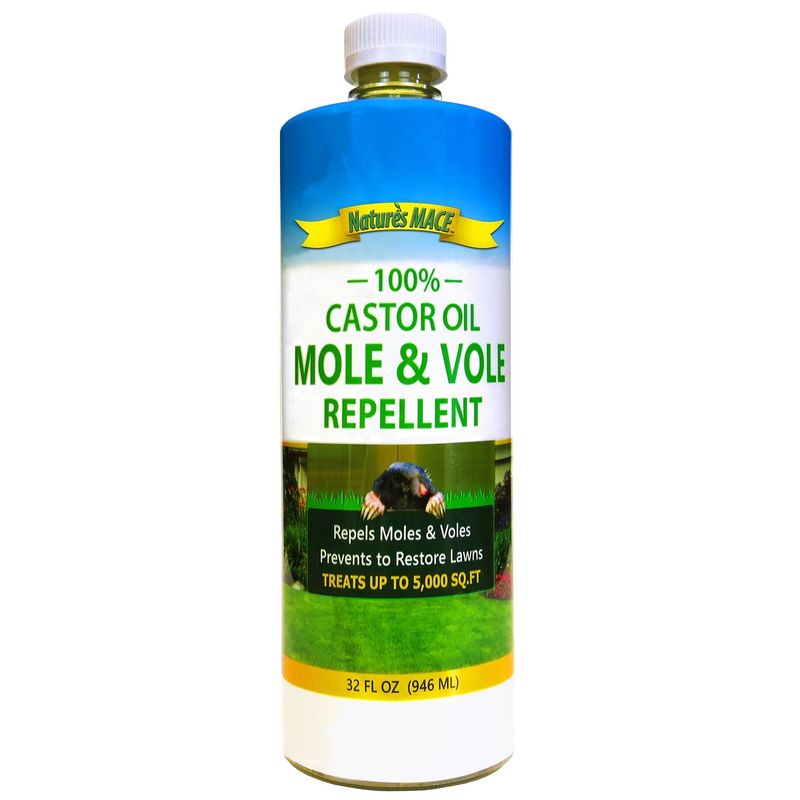
Ask any old-school gardener in Texas how they handled moles, and castor oil usually comes up first. It is the most studied home remedy on this list, and many commercial mole repellents use it as their main ingredient.
Castor oil does not kill moles. Instead, it may upset their digestion when it coats the earthworms and grubs they eat, and the smell seems to make the soil feel unwelcome.
Over time, moles often decide to dig somewhere else.
To use it, mix about 3 tablespoons of castor oil with 1 tablespoon of dish soap in a gallon of water. Pour it directly into active tunnels and soak the surrounding soil.
Granular castor oil products work too, and they are easy to spread with a handheld seeder.
Timing matters in the South. Apply after a rain or a deep watering, when the soil is soft and moles are working near the surface.
Reapply every two to three weeks, since sprinklers and heavy storms wash it deeper.
Results can vary from yard to yard. Still, castor oil is gentle on grass, pets, and kids when used as directed, which makes it a smart place to start.
2. Garlic
Garlic breath might keep people at a distance, and it may do the same for moles. The sulfur compounds that make garlic so strong are tough on a nose built to sniff out worms in total darkness.
Here is a simple trick. Crush a few cloves, poke a hole into an active tunnel with a stick or broom handle, and drop the garlic inside.
Cover the hole loosely with soil so the smell stays trapped underground where it counts.
A garlic spray works well for bigger areas. Blend one whole bulb with a quart of water, let it sit overnight, strain it, and mix into a gallon of water.
Pour it along fresh ridges and around the edges of garden beds.
Florida gardeners have an extra bonus option. Planting garlic or society garlic along borders can add a living scent barrier that looks nice and blooms in warm weather.
Garlic fades faster than castor oil, especially in sandy soil. Plan on refreshing it weekly while moles are active.
Pairing it with another scent on this list often gives better results than relying on garlic alone.
3. Coffee Grounds
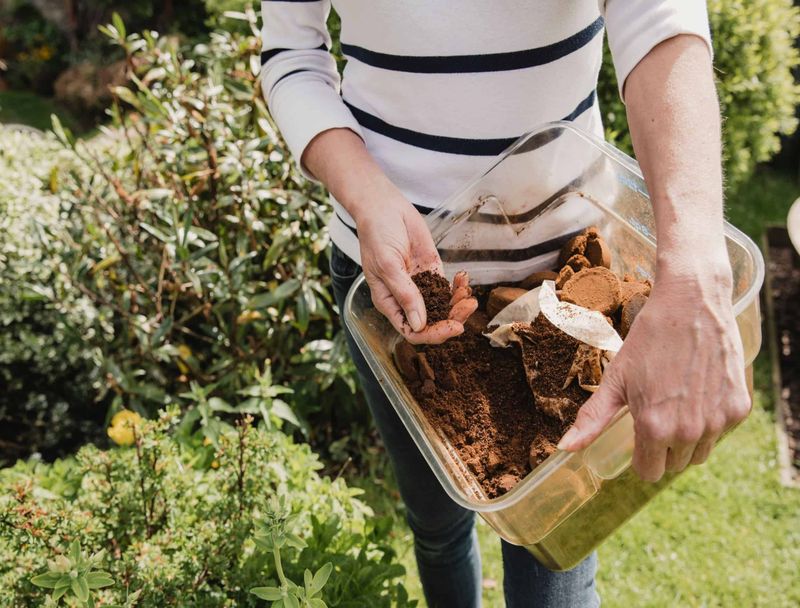
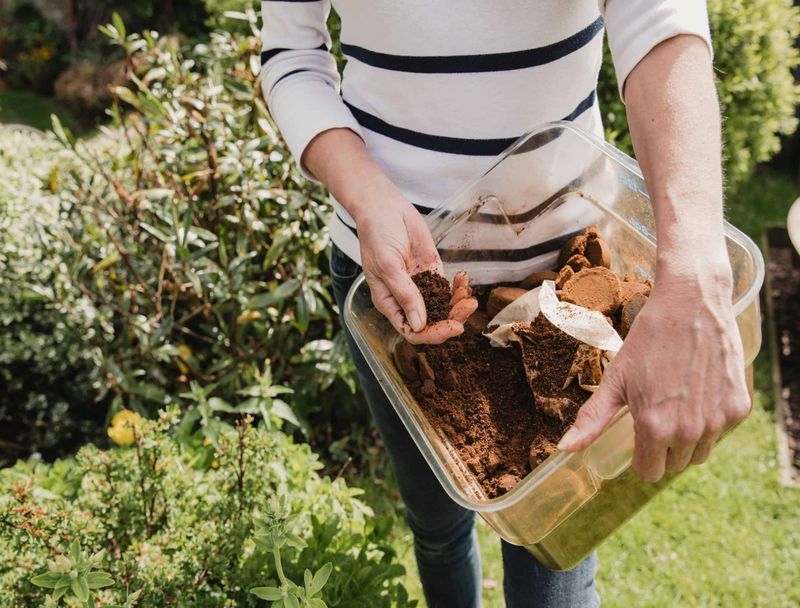
Your morning cup could be pulling double duty. Used coffee grounds have a bitter, roasted smell that some gardeners say helps nudge moles away from their favorite digging spots.
The science behind coffee is thin, so think of it as a helper rather than a cure. Even so, it costs nothing, and it adds a little organic matter to the soil as it breaks down.
Open up a few active tunnels and sprinkle a handful of grounds inside. Close them back up gently.
You can also scatter grounds around vegetable beds where moles keep popping up near your tomatoes and peppers.
Do not overdo it. Thick layers of coffee can crust over and block water from reaching grass roots, which is the last thing you want during a dry Texas fall.
A light dusting is plenty.
Many coffee shops give away bags of used grounds for free, so stocking up is easy. Swap in fresh grounds every week or so, and watch whether new ridges keep showing up in treated areas.
If they stop, your coffee habit just became a lawn care plan.
4. Cayenne Pepper

Fiery, sharp, and a little sneezy, cayenne pepper is the spicy option for stubborn moles. Capsaicin, the compound that gives peppers their heat, can irritate the sensitive nose and snout a mole relies on to find food.
Gloves are a must here. Sprinkle a tablespoon or two of cayenne powder into active tunnels, then cover the opening.
Some gardeners mix it with castor oil spray for a stronger one-two punch.
Be careful about where you use it. Pets that dig or sniff around holes can get an unpleasant surprise, so skip cayenne in spots where dogs love to explore.
Keep it away from your own eyes too, especially on windy days.
Fun fact: moles have tiny eyes and can barely see, but the star-nosed mole has a snout with thousands of touch sensors. Common Eastern moles in the South depend heavily on smell and touch as well, which is why spicy scents may bother them.
Like most powders, cayenne washes away with rain. Reapply after storms and keep an eye out for fresh mounds to tell you where to strike next.
5. Peppermint Oil
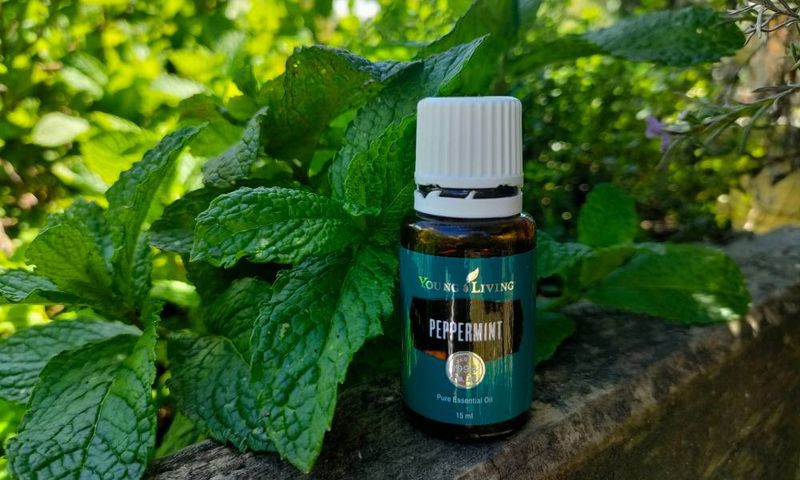
Fresh and clean to us, peppermint can be overwhelming to an animal with a super-powered nose. Many homeowners like it because their yard ends up smelling pleasant instead of like a kitchen experiment.
The easiest method uses cotton balls. Add 5 to 10 drops of pure peppermint essential oil to each one, then drop them into active tunnels about every few feet.
Cover the openings so the scent spreads through the tunnel system.
For a spray, mix about 15 drops of peppermint oil with a teaspoon of dish soap in a quart of water. Shake well and soak the soil around fresh ridges.
Peppermint oil breaks down quickly in Southern heat. Florida and Texas gardeners may need to refresh cotton balls every few days during warm spells.
Growing mint in pots near problem areas adds a steady background scent, but keep it contained, because mint spreads fast in garden beds.
Results are mostly based on gardener experience rather than research. Use peppermint as part of a mixed approach, and it can make your lawn feel a lot less cozy for a tunneling visitor.
6. Finding the Active Tunnels
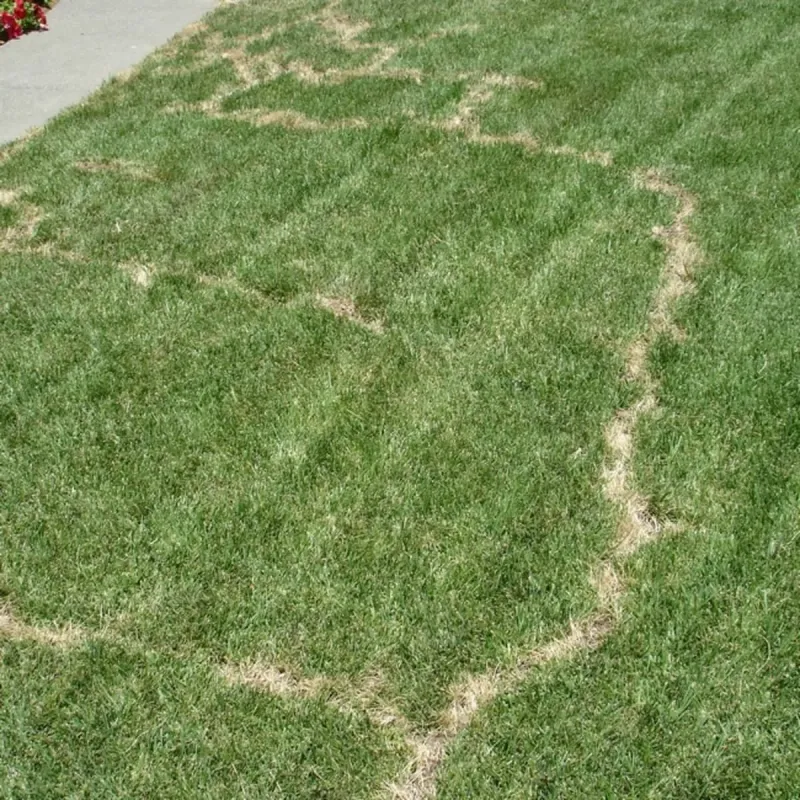
Picture pouring a whole gallon of repellent into a tunnel nobody has used in weeks. Sadly, that happens all the time, and it is the main reason scent remedies seem to fail.
Moles build two kinds of tunnels. Surface runs are the raised ridges you see, and many are used only once while hunting.
Deep main runways sit 6 to 12 inches down and get traveled daily, often along fences, sidewalks, and bed edges.
Here is a simple test. Step down lightly on several ridges to flatten them, then mark each spot with a small flag.
Check back in 24 to 48 hours. Any ridge that has been pushed back up is active, and those are the tunnels that deserve your treatment.
Straight tunnels that connect two areas are often main highways. Treating these may move moles out faster than spraying every random squiggle across the lawn.
Spending one weekend on this detective work saves money and effort. Once you know where moles are actually traveling, every drop of castor oil, garlic, or peppermint goes exactly where it can do the most good.
7. Fall Timing and Lawn Repair
Fall is the sweet spot for mole control across the South. Cooler nights and fall rains bring earthworms closer to the surface, so moles stay busy in shallow tunnels where scents work best.
Start treatments in late September or October, and keep going through November. In Florida, where soil rarely freezes, moles stay active much longer, so you may need to continue into winter.
North Texas gardeners might see moles dig deeper once cold snaps arrive.
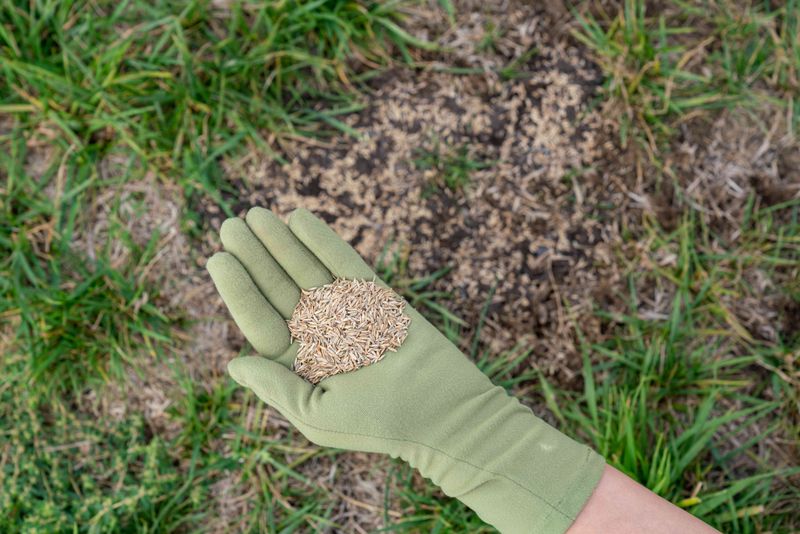
After activity slows, fix the damage. Roll or tamp down ridges so roots touch soil again, which helps grass recover.
Fill sunken spots with a mix of topsoil and compost, and plug in sod or seed where patches died.
Watering a little less can help too. Constantly soggy soil draws worms and grubs upward, which is like ringing a dinner bell for moles.
Water deeply but less often.
No smell guarantees a mole-free yard, and some moles may come back in spring. Combining smart timing, active-tunnel treatments, and steady lawn care gives your grass the best chance to head into winter smooth, green, and ready for next season.