
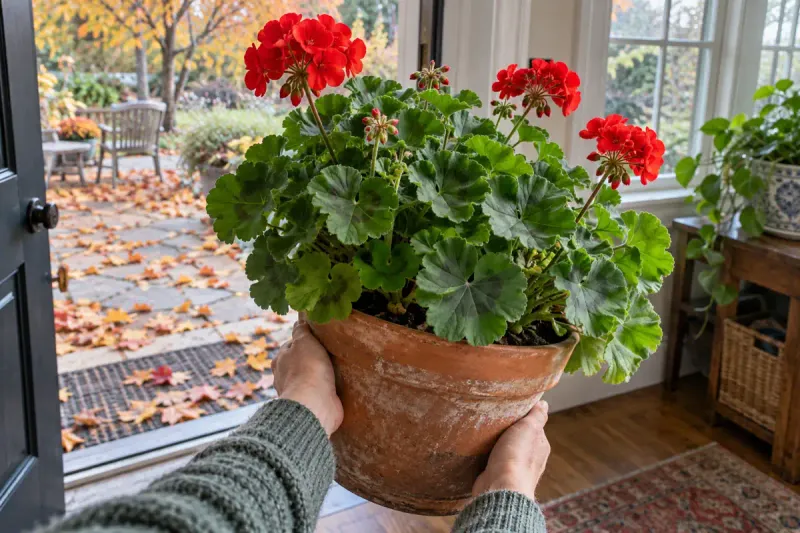
That leggy geranium by the porch does not have to end up in the compost pile when the first cold snap shows up in the forecast. Many bedding geraniums can be saved with a little planning, and the work is easier than most people expect.
You can keep a whole plant growing indoors, root a few cuttings, or store a plant dormant. Here is how to pick the method that fits your space and your climate.
Which geranium are you trying to save?
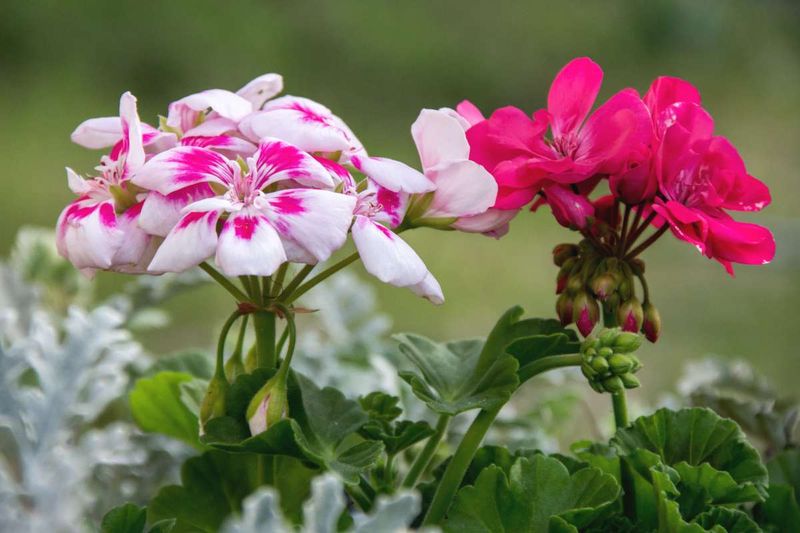
Most of the geraniums sold as porch and bed color are actually Pelargoniums. Hardy true Geraniums, also called cranesbills, are a different group of plants, as UC Statewide IPM Program notes.
The saving tips in this article are meant for the tender Pelargoniums, not for cranesbills.
Tender Pelargoniums cannot handle a freeze. UF/IFAS says Florida geraniums cannot tolerate freezing temperatures, and where frost does arrive, they need protection.
Leaving one outdoors through a freeze is not an option.
Timing matters, too. Iowa State Extension advises moving plants or taking cuttings before the first fall frost, so do not wait for leaves to blacken.
Check the forecast now and pick your day.
A saved plant is a head start, not a sure thing. Overwintering can carry a healthy plant into spring, and another season of blooms is possible, but nobody can guarantee it.
In the South, frost risk—not state lines—sets the deadline
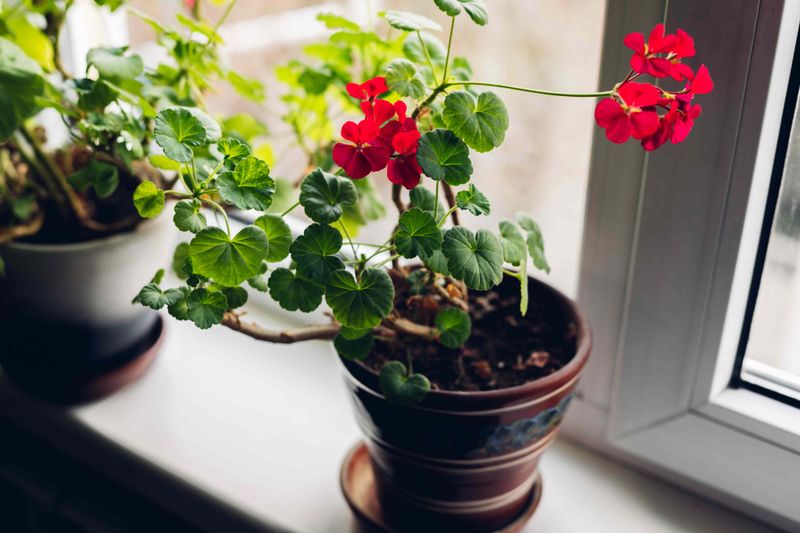
Your deadline depends on when cold actually reaches your yard. Two gardeners in the same state can face very different winters, so check your local frost dates and the forecast.
Florida shows the range well. According to UF/IFAS Gardening Solutions, common geraniums are grown as winter annuals in South and Central Florida, with planting from October to March.
In North Florida, plants may need to come indoors on cold nights.
That means a gardener in Miami or Orlando may not need to carry anything inside. Enjoy the blooms outdoors, and keep an eye on any unusual cold snap.
Texas is just as varied. The Texas A&M AgriLife Extension program points out how much conditions differ across the state, so local conditions should guide you.
A Rio Grande Valley gardener and a Panhandle gardener will not share a schedule.
Watch your own forecast, and move plants or take cuttings before a freeze is expected.
Start with a healthy plant and the method that fits
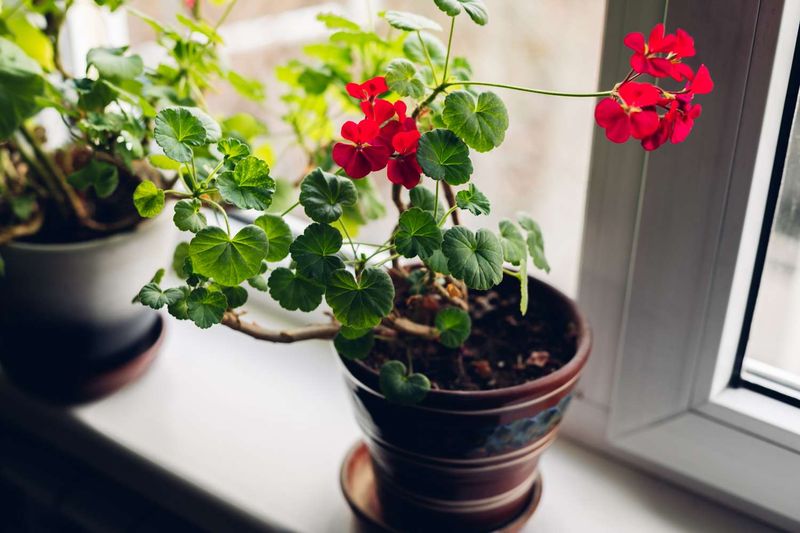
Three routes are open to you: keep the whole plant growing indoors, root cuttings, or store the plant dormant. A sunny window and a spare pot point toward the first.
Little space calls for cuttings, which take up far less room.
The dormant method suits gardeners with a cool, dry spot and some patience for a more specialized approach. Think about how much effort you want to put in each week.
Before anything comes inside, look closely. Check the stems and the undersides of leaves for insects, and watch for spots, rot, or mold.
University of Illinois Extension advises discarding badly diseased or infested plants, since they can be hard to overwinter and may spread problems to your other plants.
If only part of a plant looks bad, healthy cuttings from clean stems may still work. The Iowa State guidance lists all three methods if you want a second reference.
Keep a whole plant growing indoors
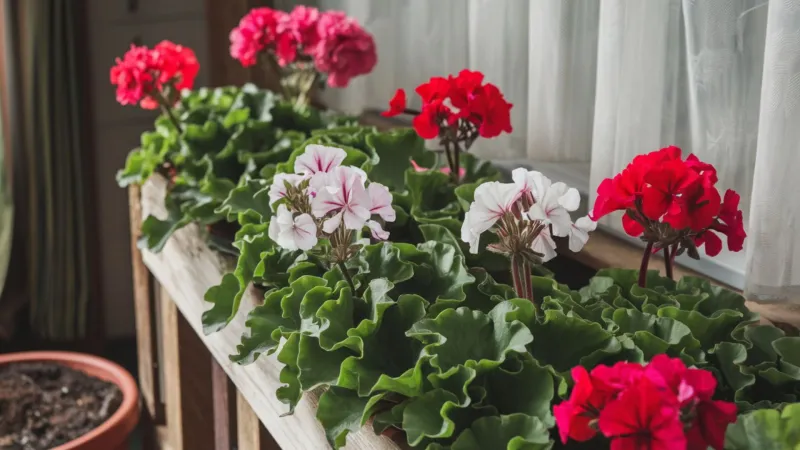
Digging up a healthy plant and potting it is the simplest route. Choose a pot with drainage holes, fill it with fresh potting mix, and set the plant in bright light such as a sunny window.
Warmth matters. Iowa State Extension gives daytime indoor temperatures of 65 to 70°F for potted plants.
An ordinary living space often falls in that range.
For watering, wait until the soil surface dries before giving the plant a drink. Constantly wet soil is a common reason houseplants decline, so err on the dry side between waterings.
Expect some changes. In low light, plants may get lanky, with long stems and sparse leaves.
That is a tradeoff of indoor winters, not proof you failed. Moving the pot to a brighter spot may help.
Take cuttings when indoor space is limited
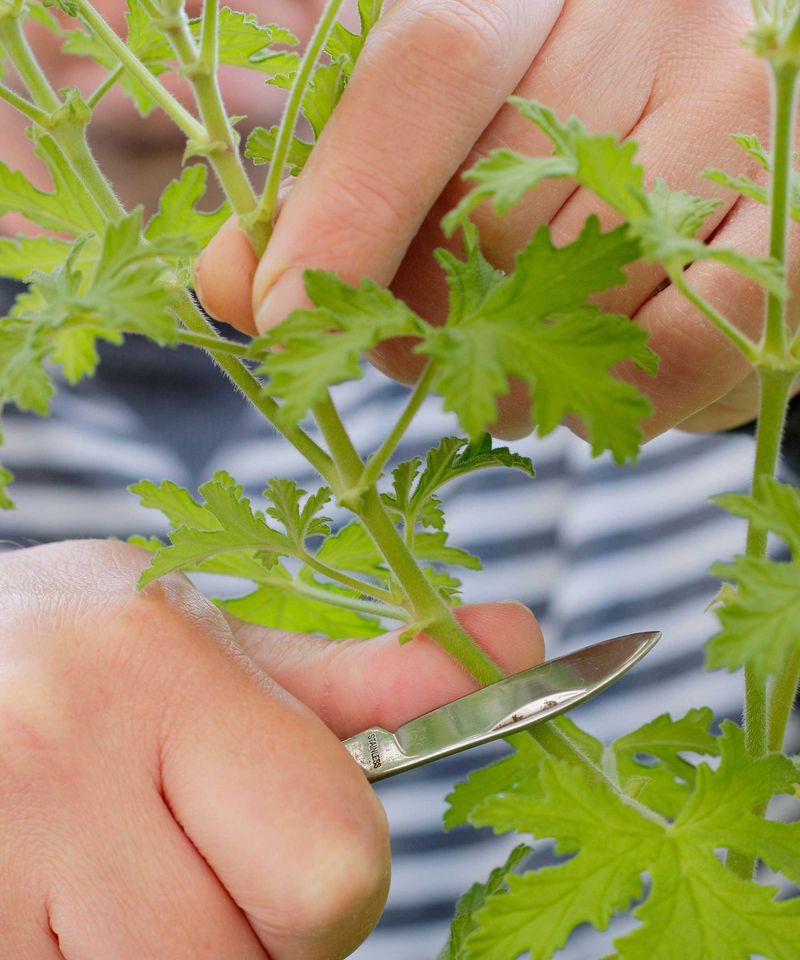
When floor space is tight, a few small cuttings can carry the plant forward. Use a clean blade to snip 3 to 4 inch terminal stem cuttings, which means the tips of healthy stems.
Strip the lower leaves so no foliage sits below the soil line.
Iowa State recommends a well-draining rooting medium, such as vermiculite or perlite mixed with sphagnum peat. Poke the cutting in, firm the mix, and water lightly.
Patience pays off here. Illinois Extension says rooting commonly takes about 4 to 8 weeks.
A clear cover can hold in moisture, but check often for mold and lift the cover if you see any.
This differs from saving a full-size plant. You are starting small new plants instead of babysitting a large one, so they fit on a shelf or a windowsill tray.
Bare-root storage suits a cool, dry place
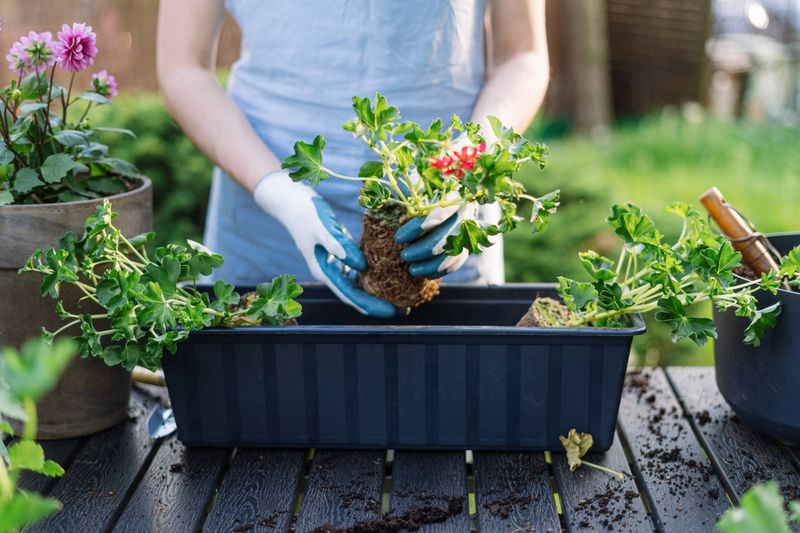
Dormant storage is a more specialized option, so treat it as a backup rather than the first choice. It works best if you have a spot that stays cool and dry through the winter.
Lift the plant before frost and shake or brush the soil from the roots. Then store it in a cool, dry place.
Iowa State Extension gives a storage range of 45 to 55°F, which a basement or unheated room may provide.
Come March, wake the plant up. Trim it back to live green tissue, pot it in fresh mix, and water it.
Then move it into bright light and watch for new growth.
Not every stored plant will come back, which is one reason gardeners often choose cuttings or a potted plant instead. If you have a spare plant, trying this on one is a low-risk experiment.
Another season of blooms is possible, not promised
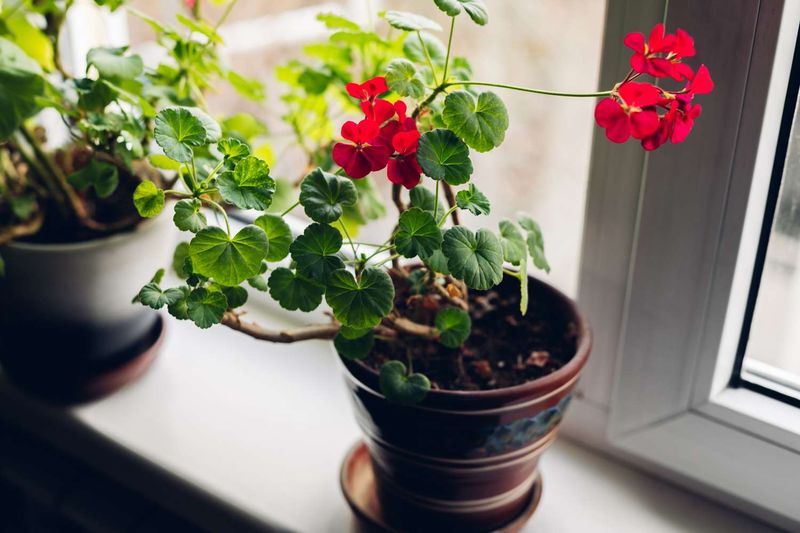
Carrying a healthy plant through winter gives you a real chance at flowers next year. Whether it blooms depends on light, care, and a bit of luck, so keep expectations flexible.
Indoor plants often stretch. Iowa State notes lanky growth in low light, and Illinois Extension advises pruning or pinching.
Snipping back leggy stems can encourage bushier growth, though it will not promise flowers.
Treat spring as the test. When your last frost has passed, ease the plant outdoors a few hours at a time before planting it back in the garden.
A geranium saved from frost is a head start, and any blooms are the bonus.