
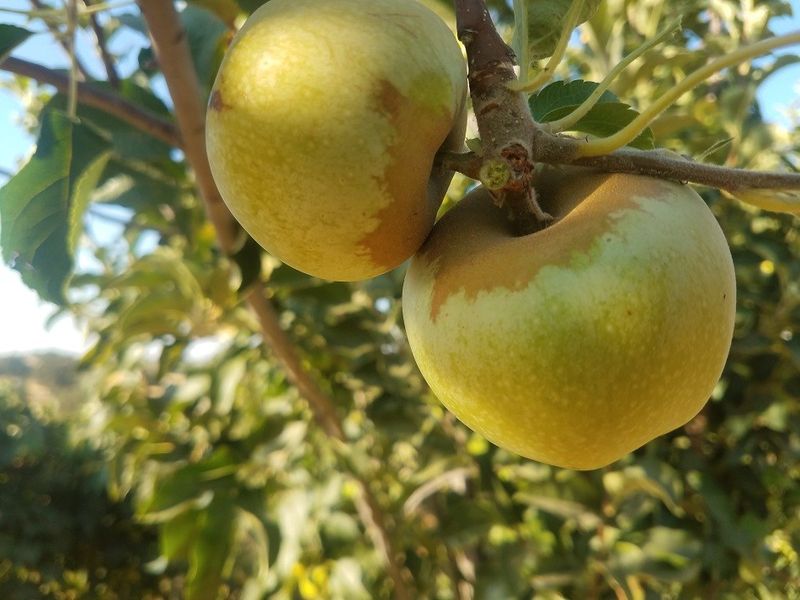
Most big-box garden centers in California sell the same five or six fruit trees every winter. But tucked away in foothill towns and coastal valleys, a handful of nurseries grow apples, plums, peaches, and apricots that your grandparents might remember and grocery stores forgot.
These trees often taste better, fit local climates, and help keep old varieties alive for the next generation. If you have room for even one tree, these spots can be worth a weekend road trip.
1. Dave Wilson Nursery (via Local Retailers)
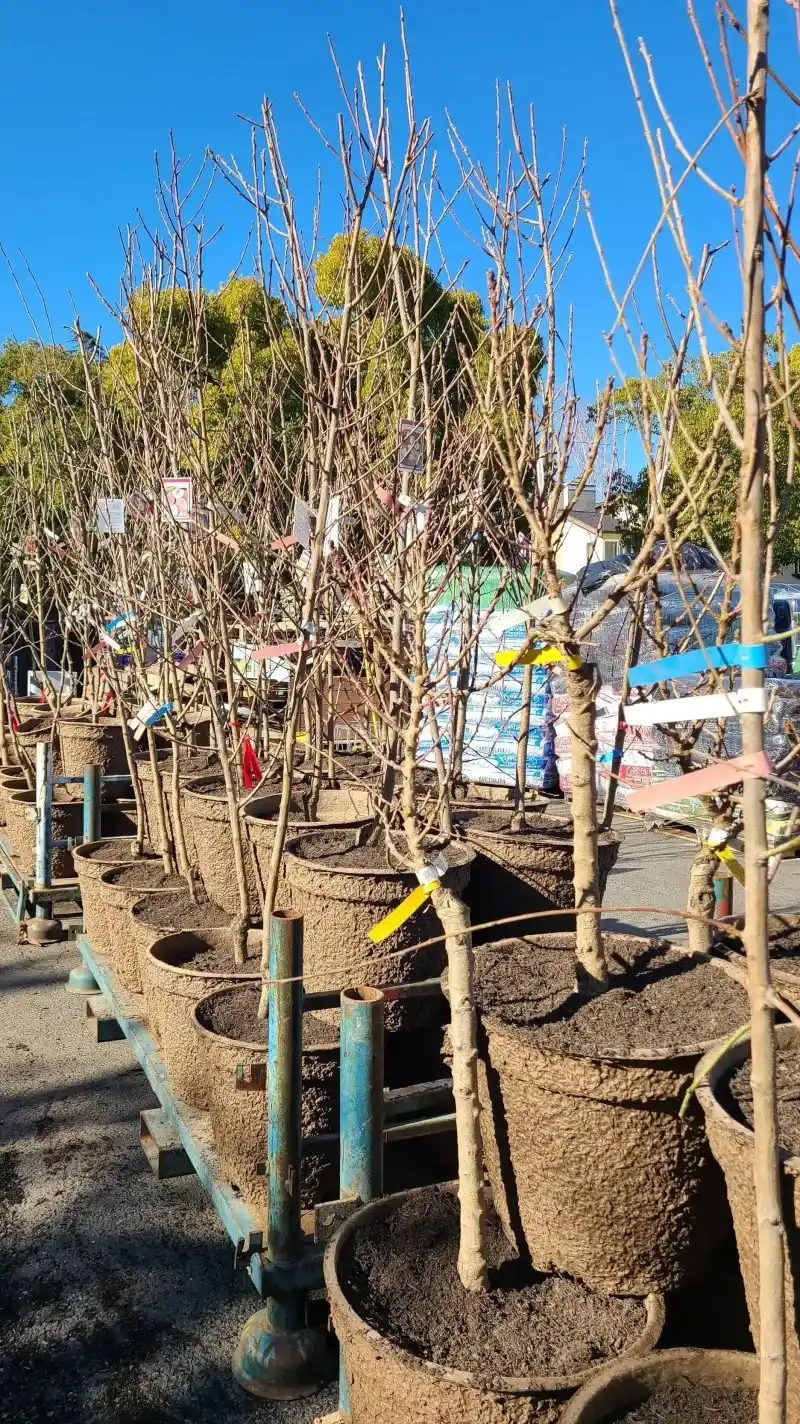
Here is a quiet secret: many of the best heirloom trees sold across California started life at Dave Wilson Nursery in Hickman, near Modesto. The company is wholesale only, so you will not shop there directly.
Instead, you find its trees at independent garden centers each January and February during bare-root season.
Their catalog is huge, with old apples like Arkansas Black and Pink Pearl, plus heirloom stone fruits such as Blenheim apricot and Elberta peach. Many varieties are offered on dwarfing rootstocks, which can help small suburban yards fit several trees.
Check the Dave Wilson website for its retailer list and call ahead in early winter. Popular varieties can sell out within weeks.
2. Bay Laurel Nursery, Atascadero
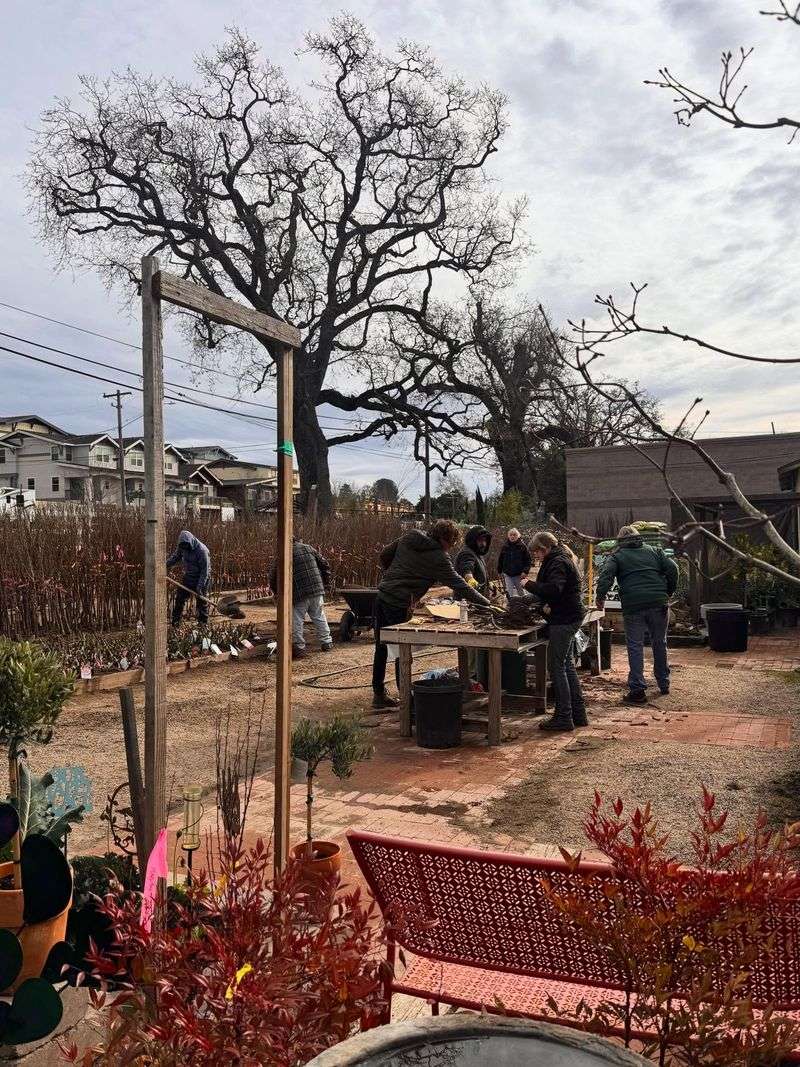
Picture a small-town nursery on the Central Coast where the staff can tell you which plum pollinates which, without checking a chart. Bay Laurel Nursery in Atascadero has built a loyal following for exactly that kind of know-how.
Their bare-root selection leans deep into specialty fruit, including heirloom apples, Japanese plums, pluots, and low-chill peaches suited to warmer California winters. They also ship within the state, which helps gardeners who cannot make the drive.
Still, visiting in person has perks. You can pick a tree with a strong branch structure and ask how it may handle your microclimate, whether you live inland or near the fog line.
3. Sonoma County Heirloom Apple Sources
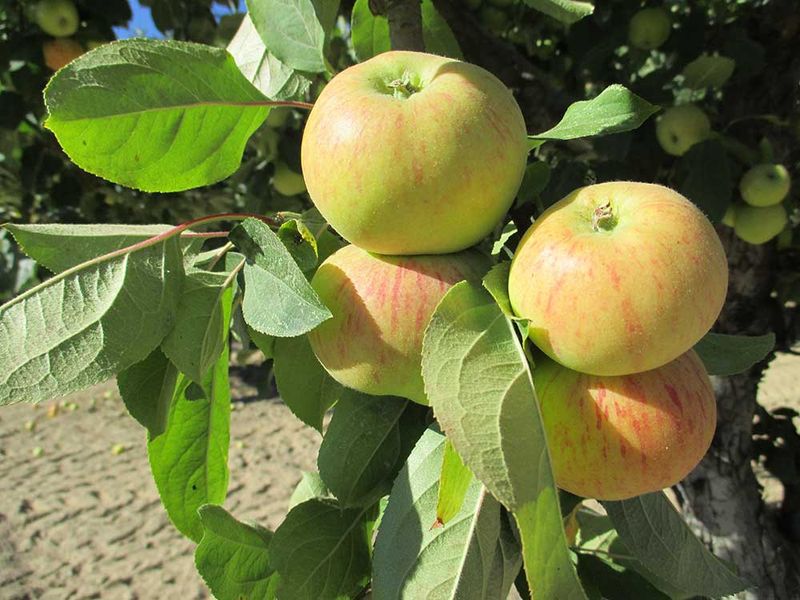
Gravenstein apples once covered thousands of acres around Sebastopol. Today many of those orchards are gone, but local efforts keep the old trees going.
Small nurseries and community groups in Sonoma County, along with the annual Gravenstein Apple Fair, connect gardeners with heirloom varieties and scion wood. You might find Gravenstein, Sierra Beauty, or Spitzenburg, a reported favorite of Thomas Jefferson.
- Best for: coastal and North Bay yards with cool winters
- Bonus: blossoms can support native bees in early spring
Ask locally about which trees fit your chill hours before you buy.
4. California Rare Fruit Growers Scion Exchanges
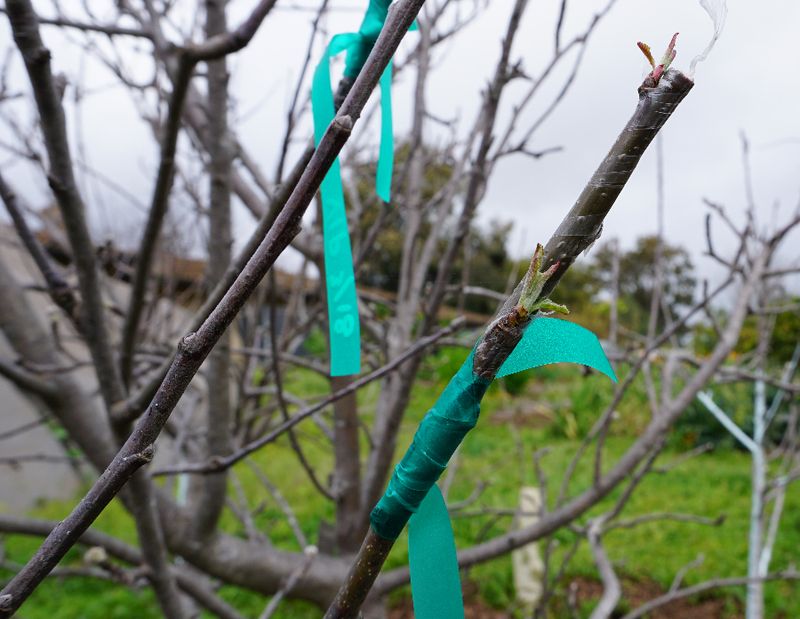
Not a nursery at all, yet maybe the richest source on this list. California Rare Fruit Growers chapters host scion exchanges every January and February, where members share cuttings from hundreds of varieties.
You bring a rootstock or an existing tree, pick up free or cheap cuttings, and graft them yourself. One backyard apple can end up carrying five or six heirloom types, a smart move for tight suburban lots.
Many chapters also offer grafting demos. Even beginners often leave with a few successful grafts and a new circle of fruit-loving neighbors.
5. Trees of Antiquity, Paso Robles
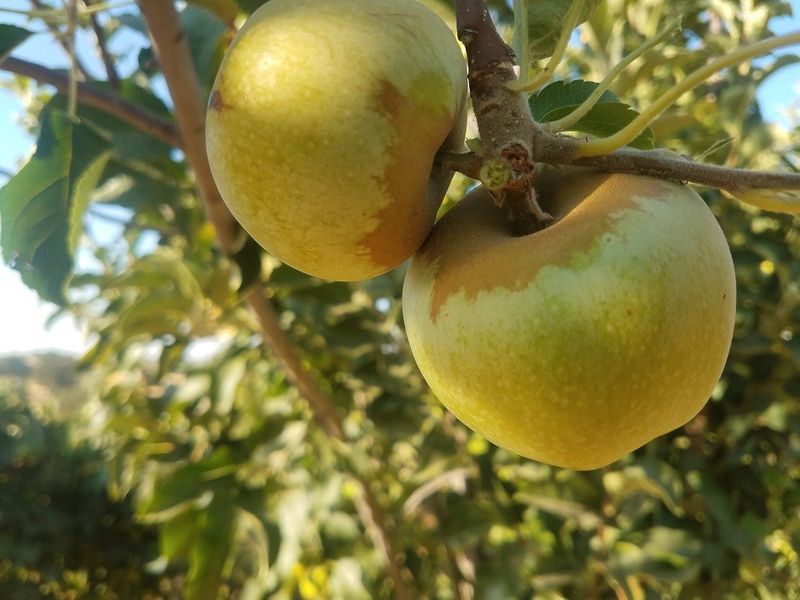
Some apple names sound like poems: Ashmead’s Kernel, Roxbury Russet, Hewes Crab. Trees of Antiquity, based in the Paso Robles area, specializes in these historic varieties.
The nursery grows organically and focuses heavily on heritage apples, along with heirloom pears, plums, and other fruits. It mainly ships bare-root trees, so check its site for pickup options before planning a drive.
Read their variety notes closely. Many old apples came from colder regions, and some may struggle in hot inland valleys with low winter chill.
6. Four Winds Growers Retail Partners
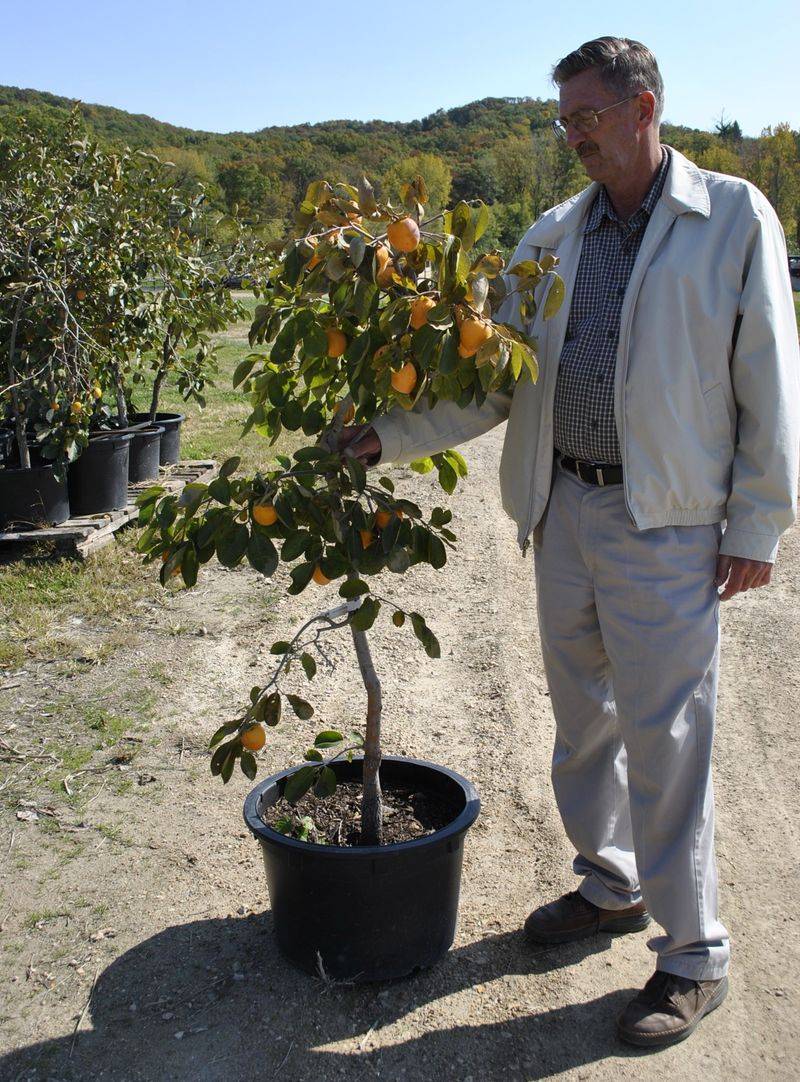
Short on space? Four Winds Growers, a long-running California grower known for dwarf citrus, supplies many independent garden centers, and those same shops often carry specialty stone fruits nearby.
Use the trip to ask about container-friendly plums, apricots, and genetic dwarf peaches. A patio tree in a half wine barrel can still produce a real harvest, and drip irrigation keeps water use modest during dry summers.
Look for mulch and a drip line at planting. Both may cut summer stress and save water.
7. Sierra Foothill Apple Country Nurseries
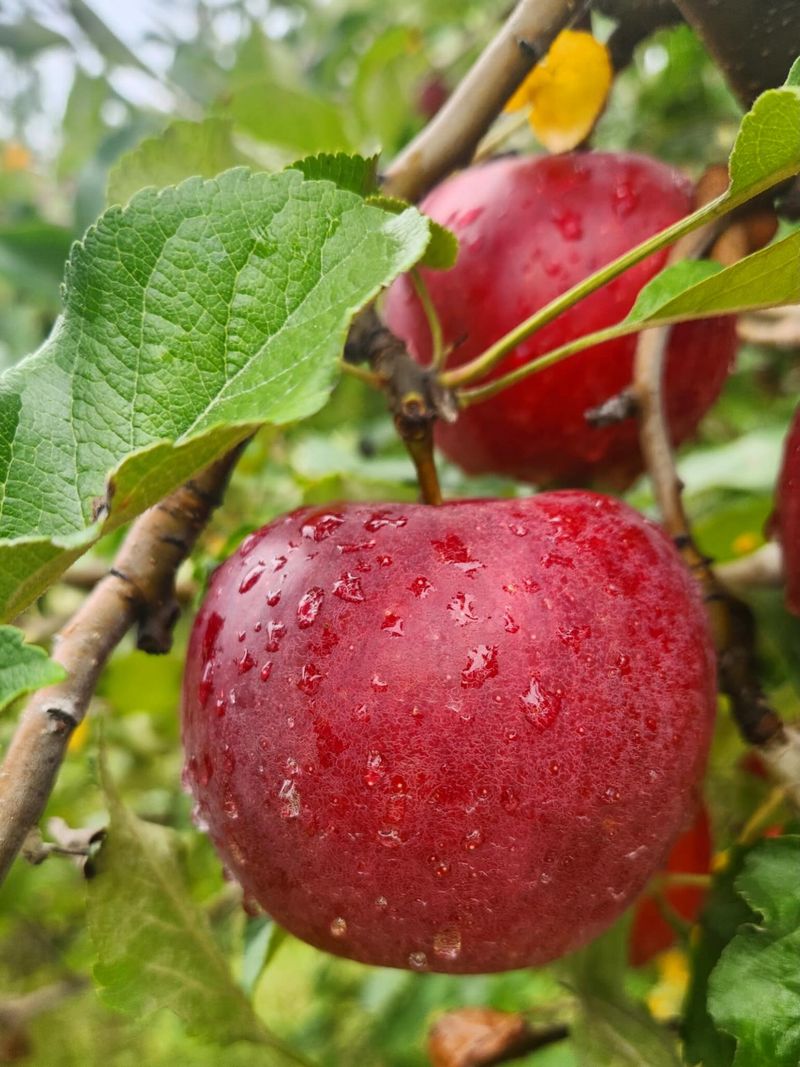
Fall in Apple Hill near Camino brings crowds for cider and pie. Fewer visitors notice that some farms and nearby foothill nurseries also sell or point buyers toward trees suited to higher elevations.
With colder winters than the valley floor, the foothills can grow heirloom apples that need more chill, such as Northern Spy or Arkansas Black. Ask growers which varieties do well locally and when trees are available.
Fire safety matters here too. Keep fruit trees pruned up, irrigated, and spaced away from structures as part of defensible space.
8. Southern California Low-Chill Specialists
Gardeners in Los Angeles and San Diego often hear that apples will not grow there. Not quite true.
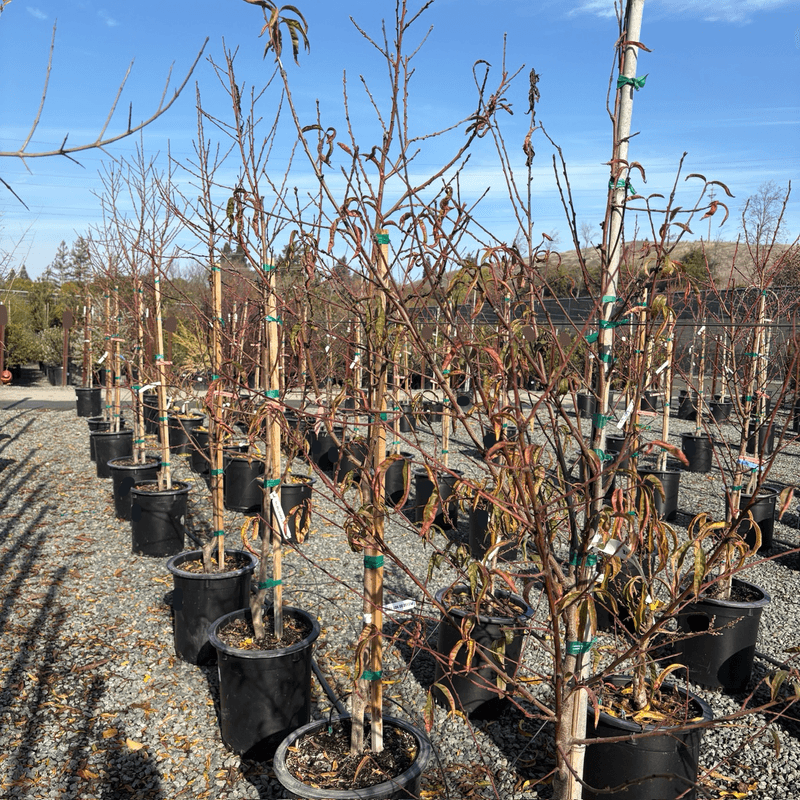
Independent nurseries across Southern California stock low-chill varieties like Anna and Dorsett Golden apples, Santa Rosa plums, and Babcock peaches, a white peach developed in California. These can fruit with mild winters that would leave classic heirlooms sulking.
Shop in January and ask for chill-hour ratings under 400. Pair trees with deep, infrequent watering to stay water-wise.