
Every fall, western monarchs flutter across California on their way to coastal groves where they spend the winter. Many well-meaning gardeners plant tropical milkweed to help them, but that plant can keep monarchs breeding when they should be resting, and it may spread a harmful parasite.
The good news is that California natives can fuel these butterflies with nectar in autumn and then go quiet when winter comes. Here are ten plants that give monarchs a boost without holding them back.
1. Narrowleaf Milkweed (Asclepias fascicularis)
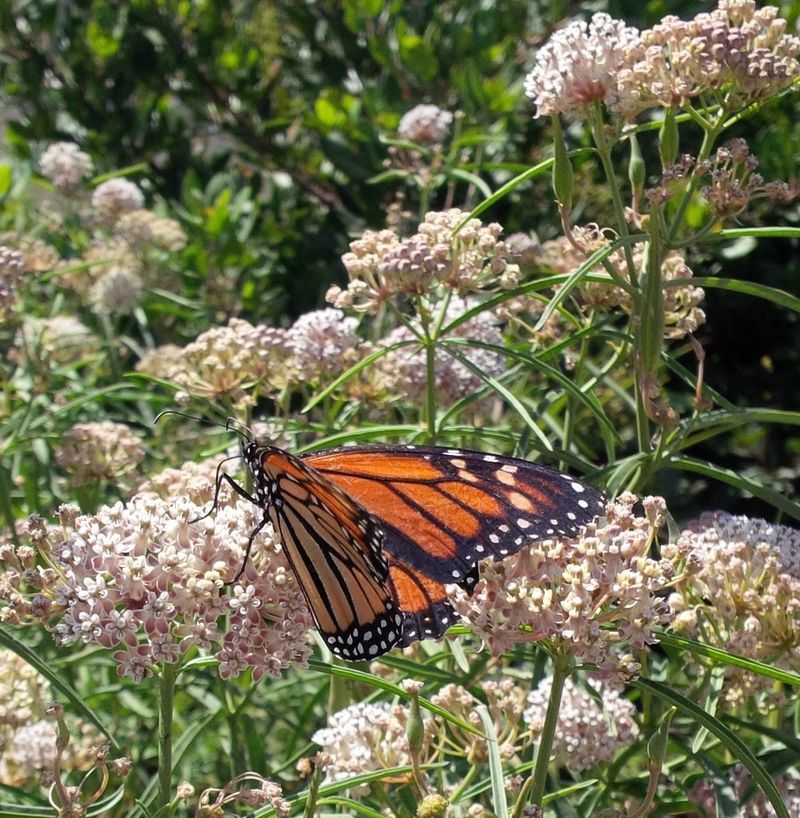
Swap one plant and you fix the biggest mistake in monarch gardening. Narrowleaf milkweed is the most widespread native milkweed in California, and it does something tropical milkweed never does: it dies back in late fall.
That seasonal shutdown matters. When the leaves yellow and drop, monarchs get the signal to stop laying eggs and head to their winter groves, and any parasite spores on old leaves disappear with them.
Plant it in full sun with lean soil and very little summer water once established. Cut stems to the ground in winter, then watch fresh shoots return in spring, ready for the next generation of caterpillars.
2. California Goldenrod (Solidago velutina ssp. californica)
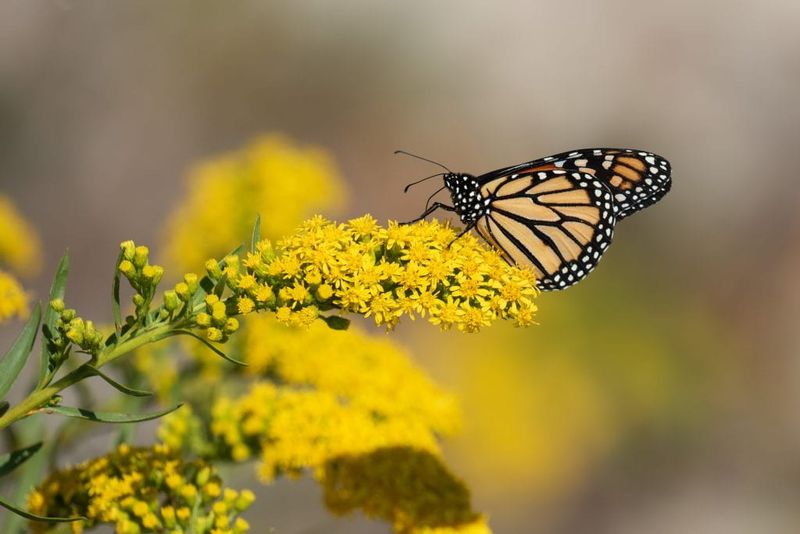
Late September, golden plumes, and orange wings. Few combinations say California autumn quite like goldenrod covered in migrating monarchs.
California goldenrod blooms right when butterflies need fuel most, from late summer into fall. Its tiny flowers pack plenty of nectar, and the plant shrugs off drought once roots settle in.
Fun fact: goldenrod gets blamed for hay fever, but its pollen is heavy and insect-carried. The real sneeze culprit is usually ragweed blooming nearby.
Give goldenrod room, since it spreads by runners, or tuck it into a wild corner.
3. Showy Milkweed (Asclepias speciosa)
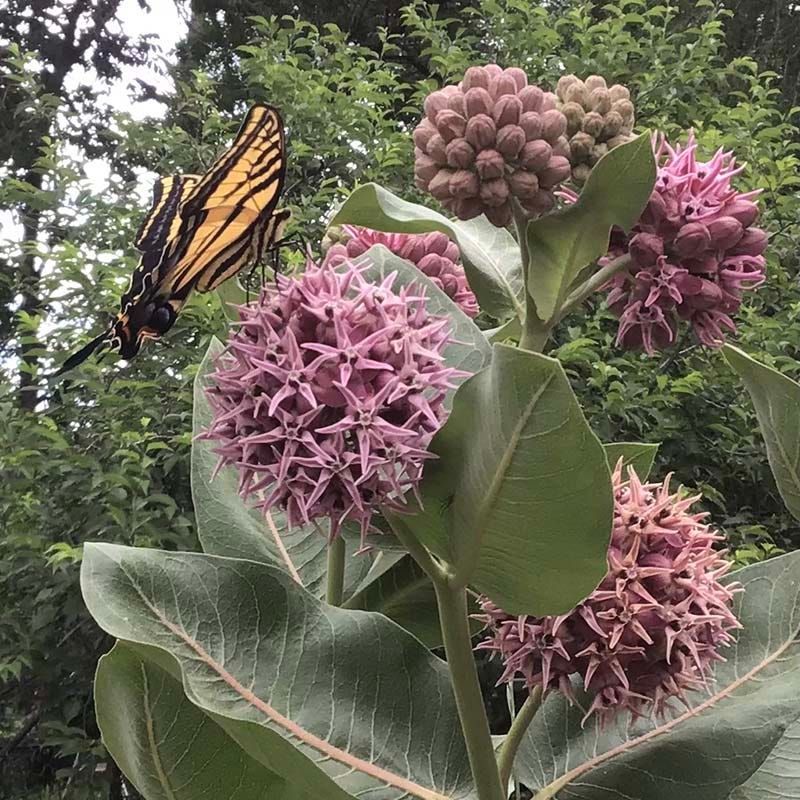
Big, fuzzy, and a little dramatic, showy milkweed looks like it belongs in a botanical illustration. Its starburst pink flowers are some of the prettiest in the milkweed family.
Like other natives, it goes dormant in winter, so it supports breeding in summer and steps aside in fall. Gardeners in inland valleys and foothills often have the best luck with it.
A fair warning: it spreads underground and can pop up a few feet from where you planted it. Give it a sunny patch where wandering is welcome, and water deeply but rarely.
4. California Aster (Symphyotrichum chilense)
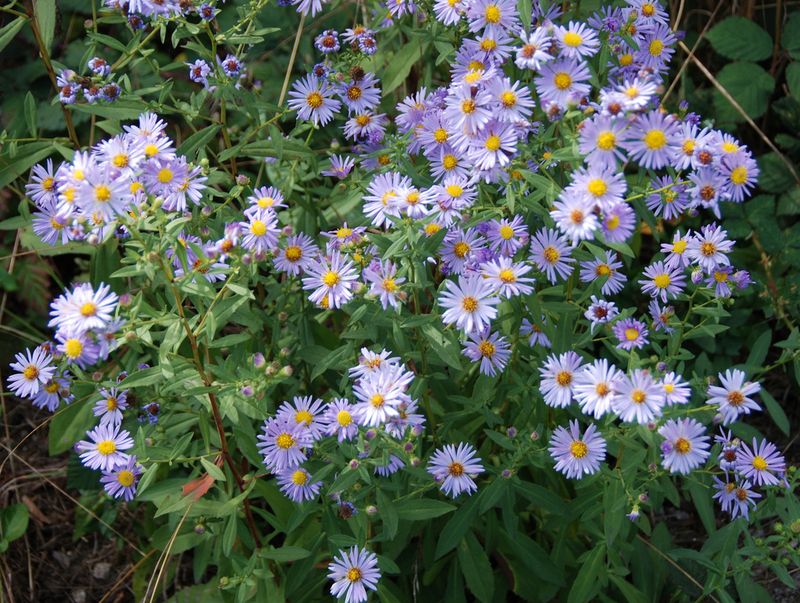
Picture a meadow of soft lavender daisies humming with life in October. California aster delivers that scene in a front yard.
Its flowers open late summer through fall, offering easy landing pads for monarchs and native bees alike. The flat, open shape makes nectar simple to reach.
Coastal gardeners will find it especially forgiving. It handles clay, needs only occasional summer water, and fills in quickly as a low groundcover that looks wonderful paired with goldenrod.
5. Coyote Mint (Monardella villosa)
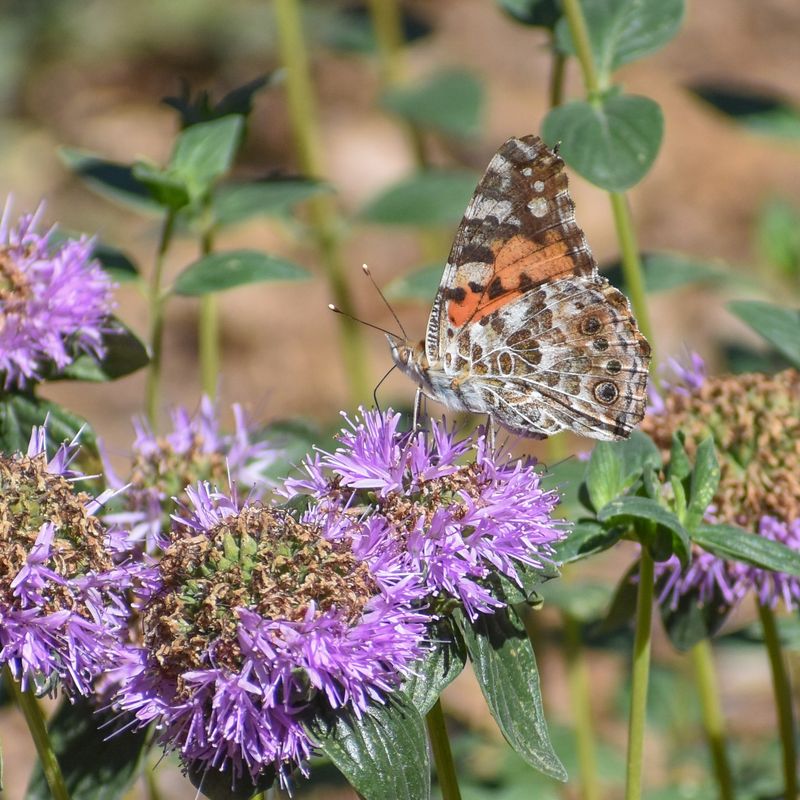
Crush a leaf and you will smell why people love coyote mint. The minty scent alone makes it worth planting near a path.
Butterflies adore its pom-pom flower heads, which bloom through summer and often linger into early fall with a light trim. It stays compact, usually under two feet tall.
Plant it where drainage is excellent, like a slope or rock garden. Too much water is its biggest enemy, which makes it a natural fit for drought-conscious yards.
6. California Buckwheat (Eriogonum fasciculatum)
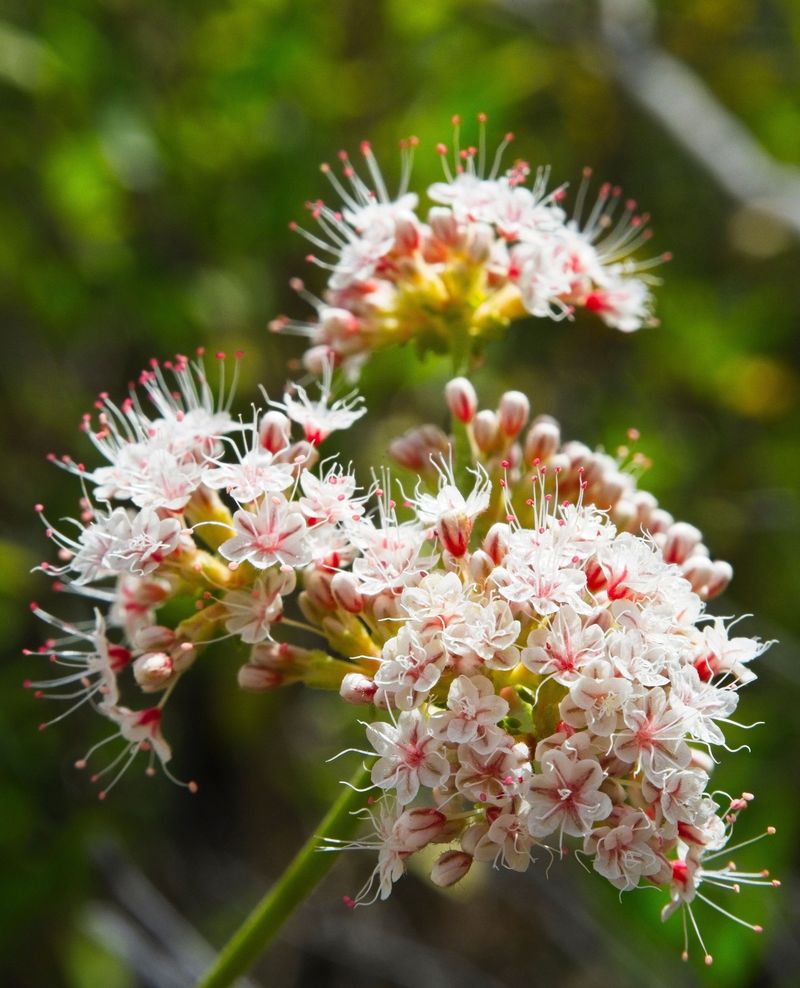
Ask a California native plant nursery for their favorite pollinator shrub, and buckwheat comes up again and again. It feeds more insect species than almost any other plant in the state.
Creamy blooms open in summer and fade to rusty brown in fall, and some flowers keep offering nectar into early autumn for passing monarchs. Even the dried heads look handsome.
It thrives on almost no summer water. In fire-prone areas, keep it well spaced and trimmed of dead growth within defensible space zones, since dry buckwheat can carry flame.
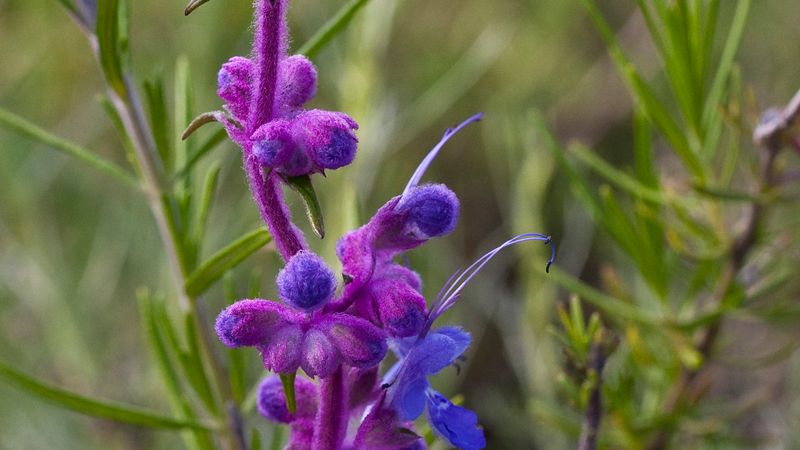
7. Woolly Blue Curls (Trichostema lanatum)
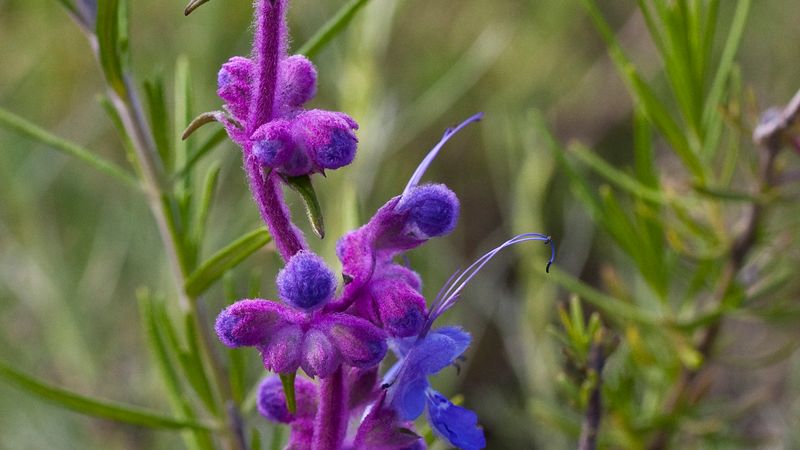
Velvety purple stems curling into blue flowers make woolly blue curls look almost too fancy for a backyard. Hummingbirds notice first, but butterflies follow.
Its long bloom season can stretch toward fall in cooler spots, giving extra nectar between summer and autumn plants. The leaves carry a strong, resinous scent.
Be honest with yourself before planting: this shrub can be short-lived and hates summer watering. Fast drainage and neglect suit it best, so treat it as a rewarding gamble.
8. Seaside Daisy (Erigeron glaucus)
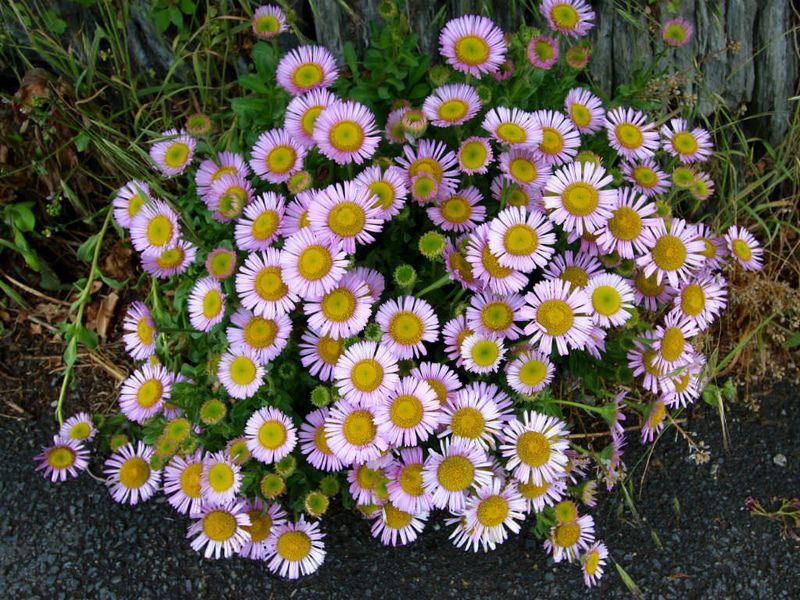
Coastal homeowners, here is your easy win. Seaside daisy handles salty breeze, foggy mornings, and tight spaces along walkways.
With a little deadheading, it can bloom on and off from spring well into fall. Its flat daisy faces give tired migrants a quick sip close to the ground.
It stays tidy at under a foot tall and looks great at the front of a border. Inland, give it afternoon shade to keep it happy.
9. California Fuchsia (Epilobium canum)
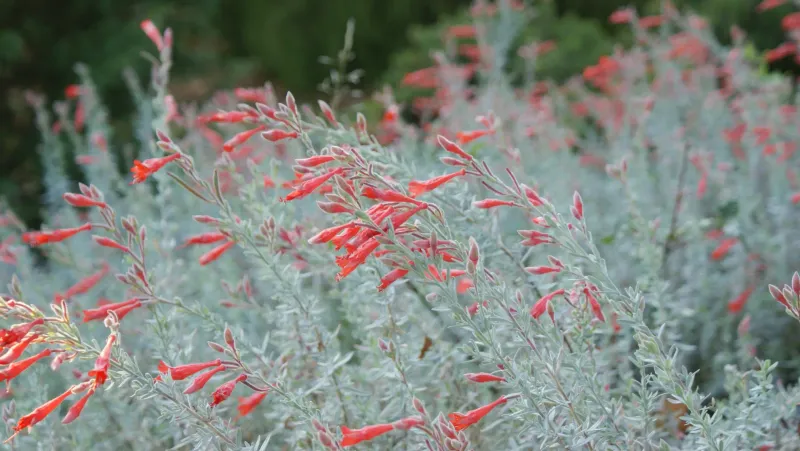
Just when most gardens look worn out, California fuchsia lights up in fiery red. It is the late-season star many native yards depend on.
Hummingbirds are its main fans, but monarchs and other butterflies may stop by too. Blooms run from late summer into fall, filling a gap right during migration.
Cut it back hard in winter after flowering. That pause in bloom is exactly the kind of natural rhythm that keeps your yard in step with monarch travel.
10. Mule Fat (Baccharis salicifolia)
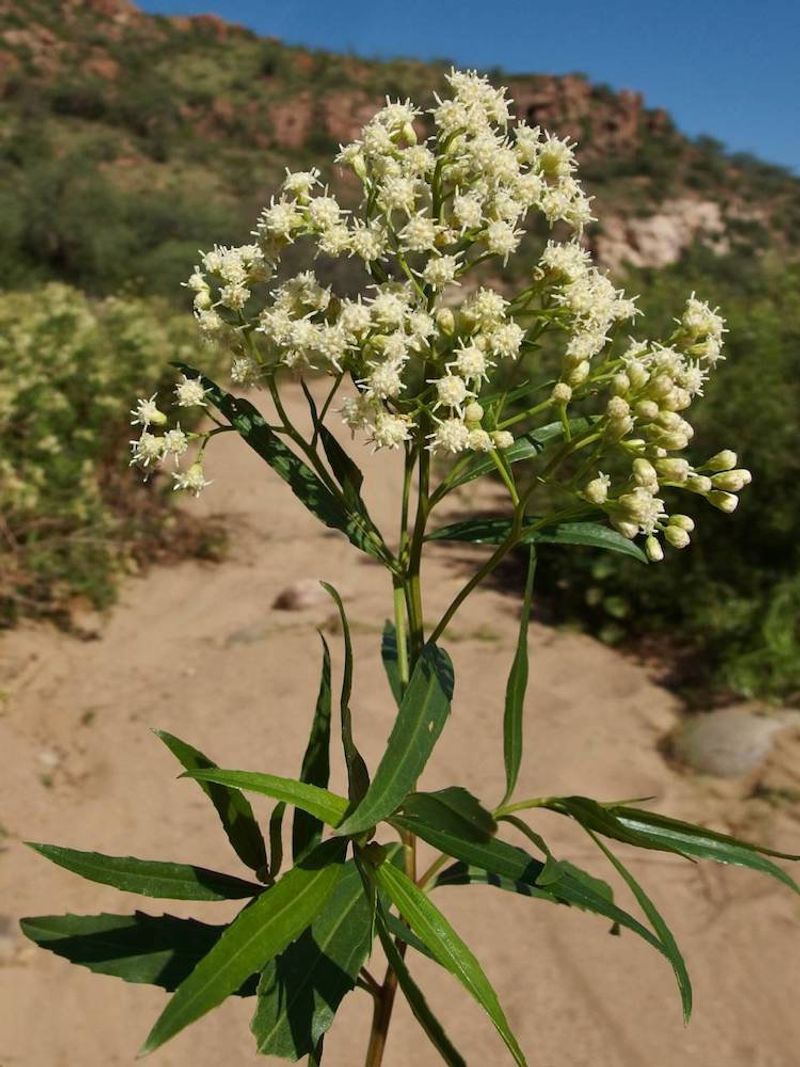
Not every butterfly magnet is pretty in a vase. Mule fat is a scrappy streamside shrub, yet it hosts a remarkable buffet of pollinators.
Its fuzzy white flower clusters can show up in spring and again later in the year, offering nectar when other blooms are sparse. Monarchs have been spotted feeding on it near coastal areas.
It grows fast and tall, so it suits bigger lots, drainage swales, or property edges. Skip it if you want a manicured look, but welcome it if you want a lively wildlife hedge.
One easy next step for any yard on this list: pull out tropical milkweed, or at least cut it to the ground each fall, and let these natives carry the season instead.