
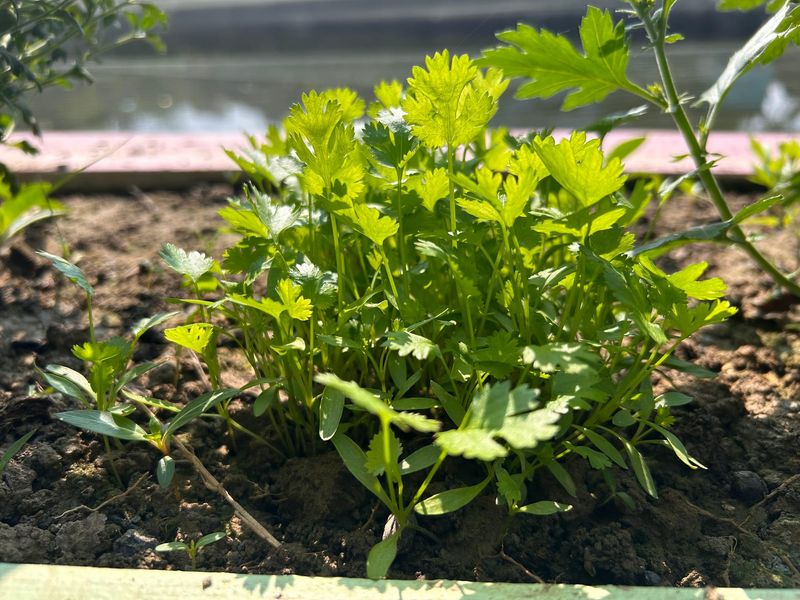
Fresh cilantro costs money at the store and often wilts before you use it. Florida’s cooler months give home gardeners a chance to grow their own.
Cilantro likes the mild weather that follows the worst of the summer heat. With a little planning, you can keep leaves coming for much of the cool season.
Why cilantro fits Florida’s fall garden
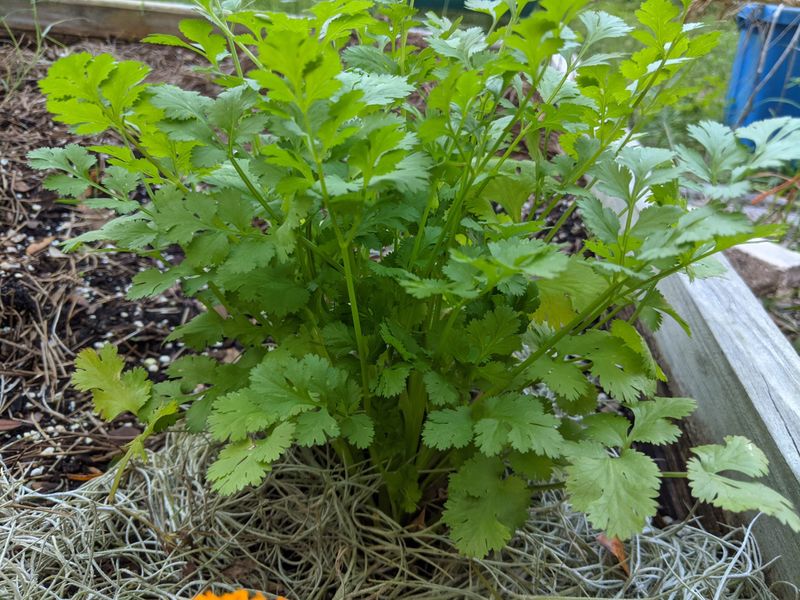
Cilantro is a cool-weather herb, and that is exactly why it fits Florida’s fall and winter garden. UF/IFAS Extension advice describes it as a plant that bolts, or sends up flower stalks, as temperatures rise.
Once the worst summer heat fades, the herb can grow lush, flavorful leaves for tacos, salsa, soups, and rice.
That makes October a useful starting point in much of the state. It is a good time to plan, not a magic date that works the same in every yard.
Local weather matters, and so does how quickly your soil dries out.
Here is the honest payoff. A single planting will not reliably feed your kitchen until spring.
Warmth pushes cilantro to flower, and when that happens the main leafy phase is over. Oregon State Extension guidance explains that leaf harvests come from plants that are still young and growing before flowering.
What you can count on is a manageable, rewarding harvest if you give cilantro what it wants. That means direct sowing, steady moisture, and small repeat plantings.
The next sections walk through each step, with a focus on Florida’s sandy soil and changing seasons.
When Florida gardeners should sow cilantro
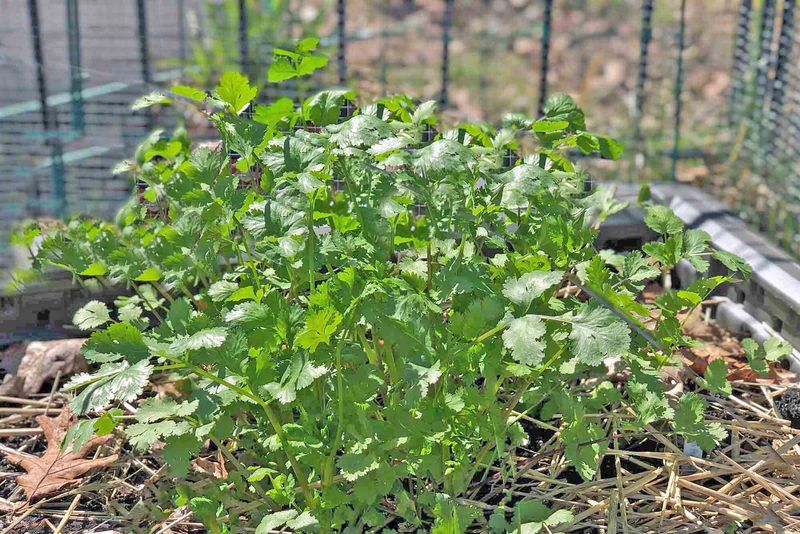
Forget the calendar for a moment and watch the weather. The best cue for cilantro is that the worst summer heat has eased and nights are turning pleasantly cooler.
In a hot October, waiting another week or two is often smarter than sowing on a set date.
Florida stretches a long way, so timing shifts by region. A UF/IFAS Central Florida planting guide gives October 15 as a general target for cool-season vegetables.
It suggests North Florida runs roughly two weeks earlier and South Florida roughly two weeks later.
Keep in mind that those dates are general vegetable guidance, not a cilantro-specific calendar. They are a handy starting point for planning, nothing more.
A warm fall in Miami and a chilly one in the Panhandle will both change the picture.
UF/IFAS also advises waiting until the late heat eases before sowing. If your soil still feels hot and the afternoons are punishing, hold off.
A good test is simple: if you would be comfortable working in the garden midday, seedlings probably will be too.
Sow cilantro where it will grow
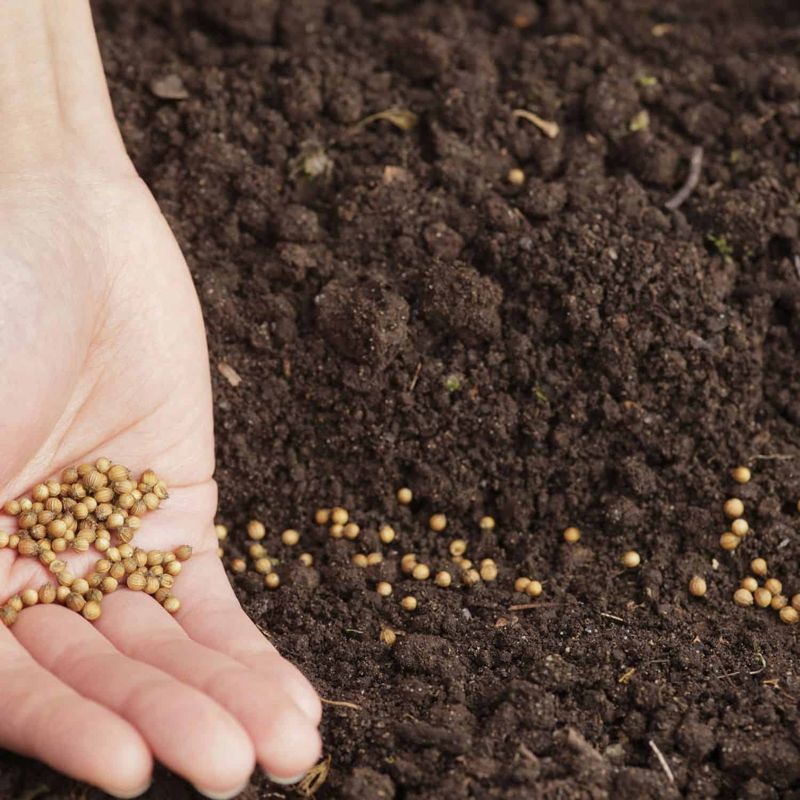
Sprinkle the seeds right where you want the plants to live. Cilantro grows a taproot, a long main root that goes straight down, and it does not like being moved.
Rough handling during transplanting can disturb that root and set the plant back.
UF/IFAS describes cilantro as best direct-seeded for this reason, and it recommends short rows. Short rows fit nicely along the edge of a raised bed, in a sunny corner of a vegetable patch, or between taller crops.
Direct seeding also saves effort. You skip the trays, the hardening off, and the fuss of tucking tender seedlings into the ground.
Pick a spot you can reach easily, because you will be checking and harvesting often.
Exact seed depth and spacing vary by seed packet, so follow the directions printed on yours. Choose a spot with well-drained soil, and think ahead about where your next small batch will go.
Leaving a bit of space for later rows makes repeat sowing simple.
Keep the seedbed moist, especially in sandy soil
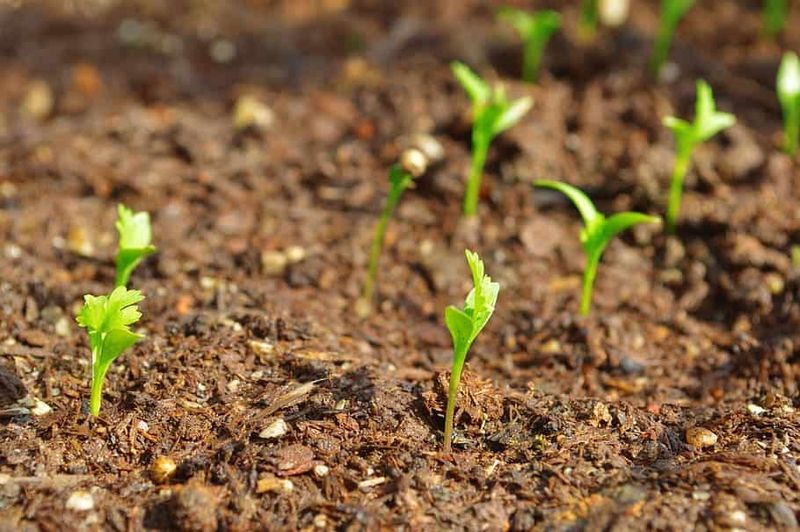
Low effort does not mean no effort. Cilantro seeds and young plants need soil that stays evenly moist but also drains well.
Soggy ground is a problem, and so is a seedbed that bakes dry between waterings.
Sandy soil, common across Florida, tends to dry out fast. The UF/IFAS Florida Vegetable Gardening Guide notes that sandy soils may need more frequent irrigation.
It also points out that most Florida soils are low in organic matter, which helps soil hold water and nutrients.
Adding compost or other organic matter to poor or sandy soil is a sensible option. There is no one-size amount that works for every yard.
A soil test can tell you more about what your bed needs.
For a routine, check the seedbed daily at first by touching the surface. If the top layer is dry, water gently so you do not wash seeds away.
Many gardeners find a quick morning check easy to fit in with coffee.
Once seedlings are established, you can probably ease up a little. Keep watching anyway, especially after a few dry, breezy days.
A few minutes of attention goes a long way toward steady, tender leaves.
Repeat small sowings to extend the harvest
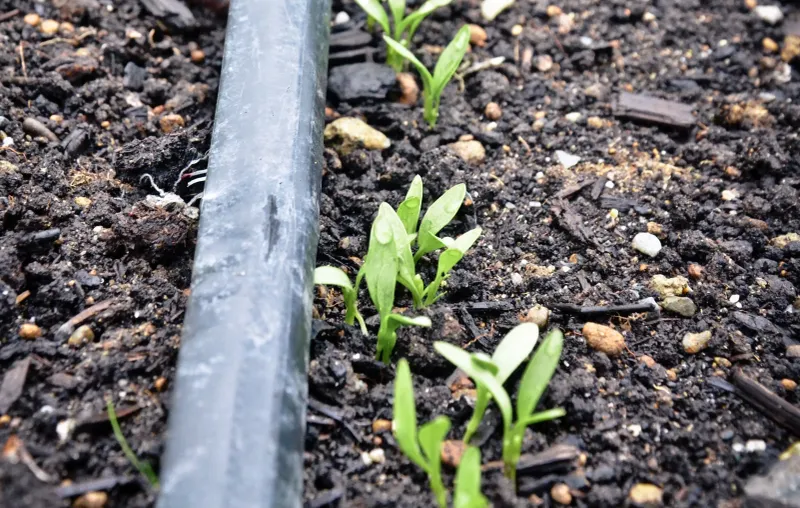
Think of cilantro as a crop you plant in waves. Instead of sowing a whole bed at once, scatter a small batch every two to three weeks.
UF/IFAS gives this succession advice for Florida fall planting, and it works because each wave matures at a different time.
Say you sow a short row on the first weekend of the month. Another goes in two or three weeks later, then another.
When the oldest row gets tall and starts to flower, younger plants are just reaching picking size.
Oregon State Extension also supports sowing every few weeks to keep leafy harvests going. Compare that with a single big planting, where the whole bed can mature, flower, and fade at nearly the same moment.
A simple habit helps. Tag each row with the sowing date, or jot dates on a calendar.
Keep each batch small, since most households use only a handful of leaves at a time.
Repeat sowings improve your odds of picking well into the cool season. They do not guarantee leaves all the way to spring.
Warm spells and local weather will have the final say.
What warming weather means for the harvest
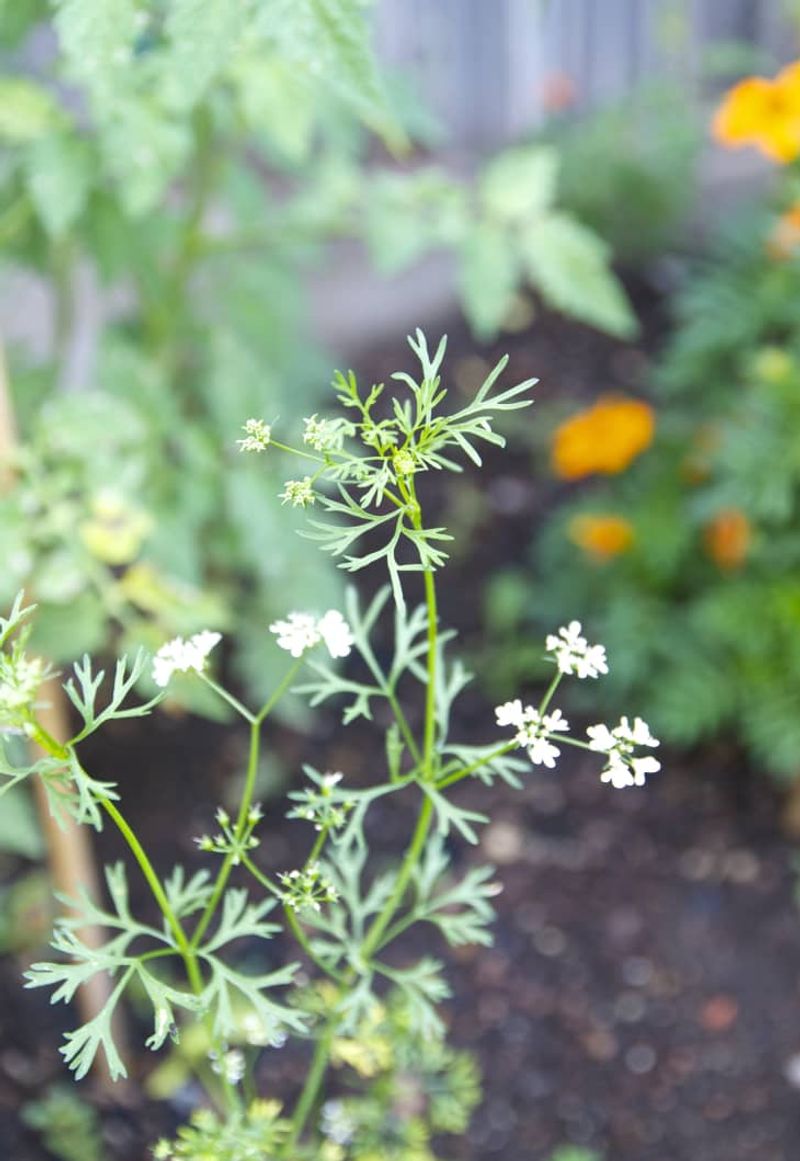
Sooner or later, Florida warms up, and cilantro responds by bolting. The plant sends up a tall, feathery stalk topped with small white flowers.
At that point the main leafy phase is over, and the leaves taste and look different from the lush growth you picked earlier.
If leaves are your goal, harvest while plants are still leafy and before they flower. Oregon State Extension notes that bolting ends the main leaf harvest.
Picking regularly from healthy plants gives you the most from each row.
There is a silver lining. Those flowers develop into coriander seed, which is a different kitchen harvest.
Let one older row go to seed if you like to cook with whole or ground coriander.
During a warm spell, a cooler or partly shaded spot may delay bolting. An east-facing bed with afternoon shade is one example.
It is a helpful trick, but it cannot reliably keep cilantro leafy once spring heat settles in.
As noted by UF/IFAS Extension, rising temperatures are the trigger. Culantro is a different herb that handles summer heat and shade better, but that does not mean cilantro will keep producing leaves in summer.
A realistic plan for a longer cilantro season
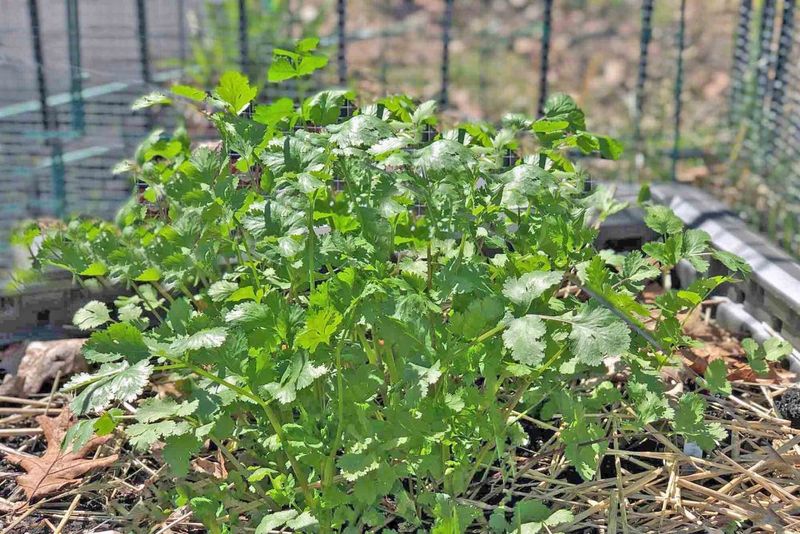
Start once the worst heat eases, sow short rows directly in the ground, and keep the seedbed evenly moist as plants get established. Then add a small new batch every two to three weeks, following UF/IFAS succession advice.
In sandy beds, check moisture often, as the UF/IFAS vegetable guide suggests.
That routine gives you a better chance at a longer supply, though local conditions and spring warmth decide how long leaves last. Cilantro rewards a little steady attention, then bows out when the weather turns warm.