
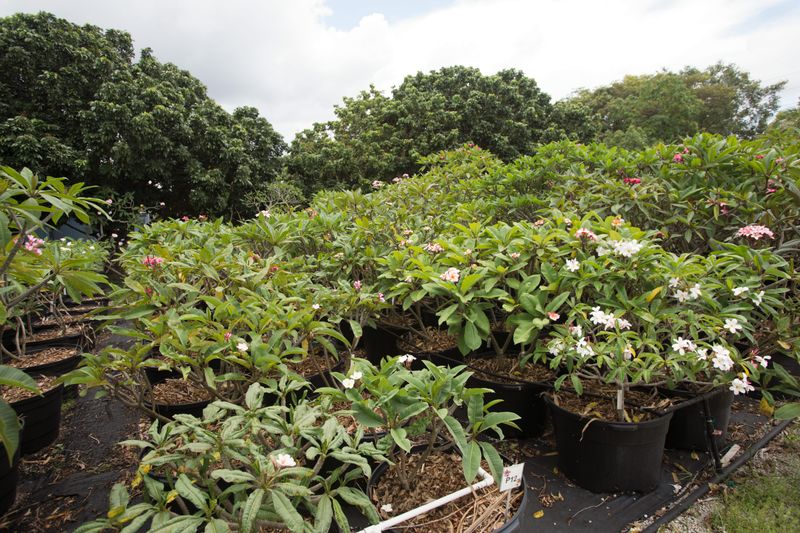
A plumeria that dropped its leaves in October can leave you wondering if you did something wrong. Most of the time, the plant is just reacting to shorter days and cooler nights.
What matters is how cold your own yard gets and what shape your plant is in. A little planning before the first chilly nights can protect the plant and give it a better chance to flower again.
California cold risk depends on your garden
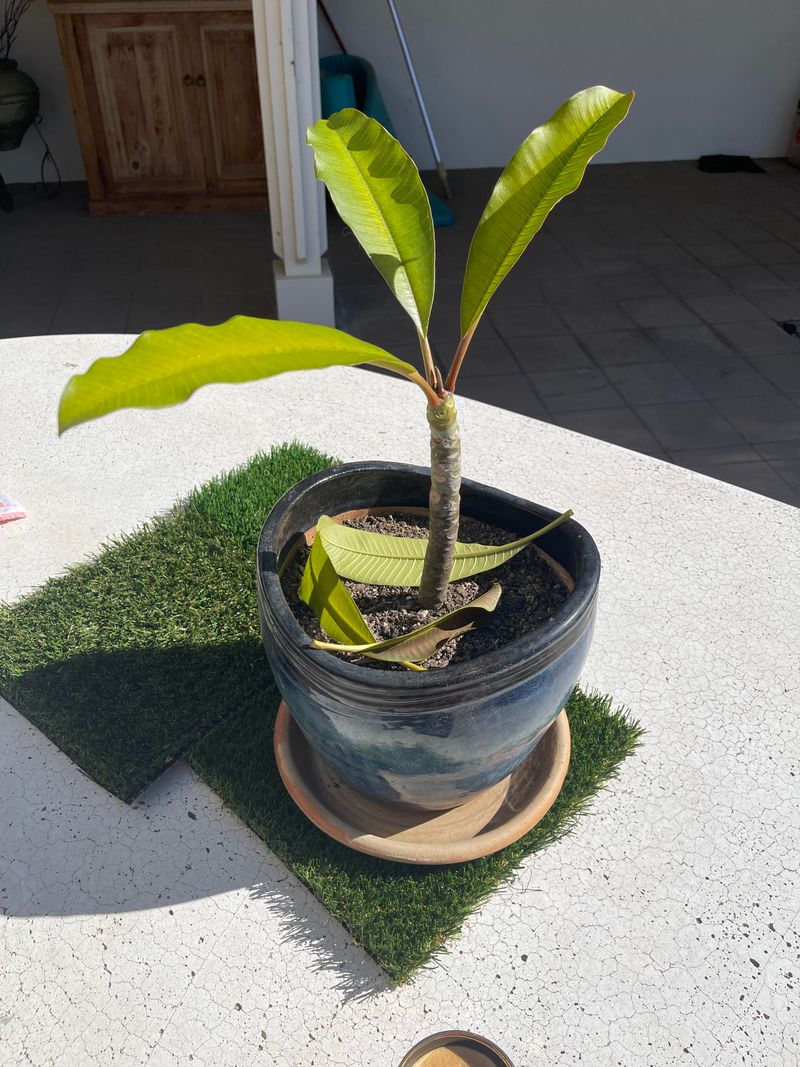
Picking one date on the calendar for winter prep sounds simple, but California does not work that way. A garden a few blocks from the Pacific can stay mild all winter, while a yard in an inland valley may see frost on clear, still nights.
Your plumeria cares about the conditions in your own yard, not the statewide forecast.
Local gardening guidance reflects this split. The Southern California Plumeria Society separates coastal gardens from colder inland microclimates and valley areas where frost is a real concern.
Low spots, open ground, and spots far from the ocean tend to hold cold air longer than a sheltered patio against a warm wall.
Plumerias are tropical plants, and UC IPM guidance describes them as suitable for outdoor growing during mild seasons but needing to come indoors when winter temperatures turn cold. It also notes that most California plumerias are grown in containers, which makes sense given how easy a pot is to move.
Start by watching your own yard. Note which corners get frost, which stay warmer, and when the first cold mornings show up.
Then sort your plants into two groups: container plants you can move, and in-ground plants that need protection where they stand. The next sections cover each group, plus leaf drop and watering.
Is leaf drop normal or a sign of cold damage?
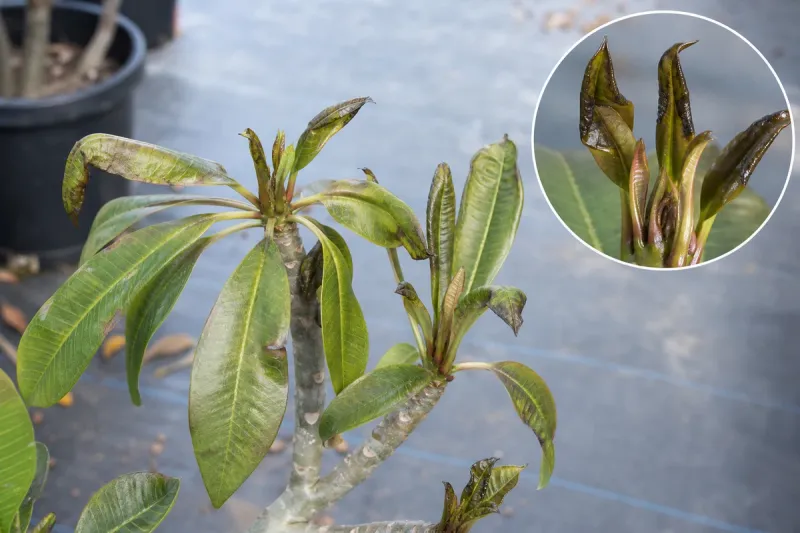
Bare stems in late fall can look alarming, but a plumeria without leaves is often just resting. UF/IFAS explains that most plumerias tend to go dormant and lose their leaves in winter, and the green stems can keep photosynthesizing without them.
Not every plumeria does this, though. Wisconsin Extension notes that some types, including Plumeria obtusa, are evergreen.
So a plant that keeps its leaves is not broken, and you should not strip leaves off or try to push a plant into dormancy.
Telling normal leaf drop from frost injury comes down to the pattern. Seasonal drop happens gradually, with firm stems underneath.
Frost injury tends to show up after a cold night as blackened, mushy, or shriveled tissue. Soft, rotting stems are a different problem from simple leaf loss.
Resist the urge to grab pruning shears. Healthy-looking stems should stay even if the leaves have fallen.
If you suspect frost damage, the Southern California Plumeria Society advises waiting until frosty weather has passed before removing damaged tissue, since cutting early can expose the plant to more harm.
One safety note: plumeria sap contains irritants that can bother skin and eyes. Wear gloves when handling cuttings or damaged tissue, and keep sap and trimmings away from children and pets.
Move container plants before nights get too cold
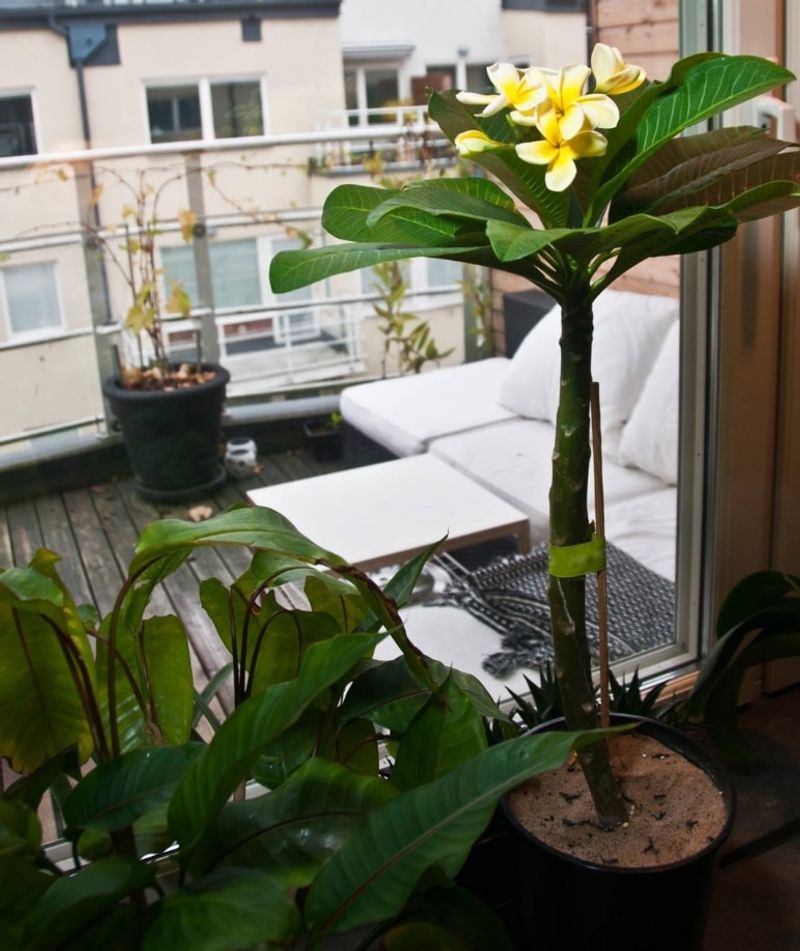
Pots give you a big advantage: when the weather turns, you can simply carry the plant to safety. The trick is moving it before the cold arrives rather than the morning after a chilly night.
A good reference point is the Missouri Botanical Garden advice to bring plumerias inside when nighttime temperatures fall below 40°F. Wisconsin Extension is a bit more cautious, suggesting container plants come in when autumn nights drop into the 40s.
Treat those numbers as conservative guidance, not a promise that every plant is safe at 41°F. Cultivars differ, and a plant that has been through a stressful season may handle cold less well.
If your forecast shows nights sliding toward the 40s, that is your cue to start planning the move.
Choose a spot that stays above the cold range, such as a garage with a window, an enclosed porch, or a bright room. Before carrying it in, check the pot and soil for pests, and ask a helper for a hand since mature plants in large pots get heavy.
Coastal gardeners may get to leave pots out much longer than inland neighbors. Keep an eye on a simple outdoor thermometer near the plant, because your patio may run colder or warmer than the forecast suggests.
Match in-ground protection to frost exposure
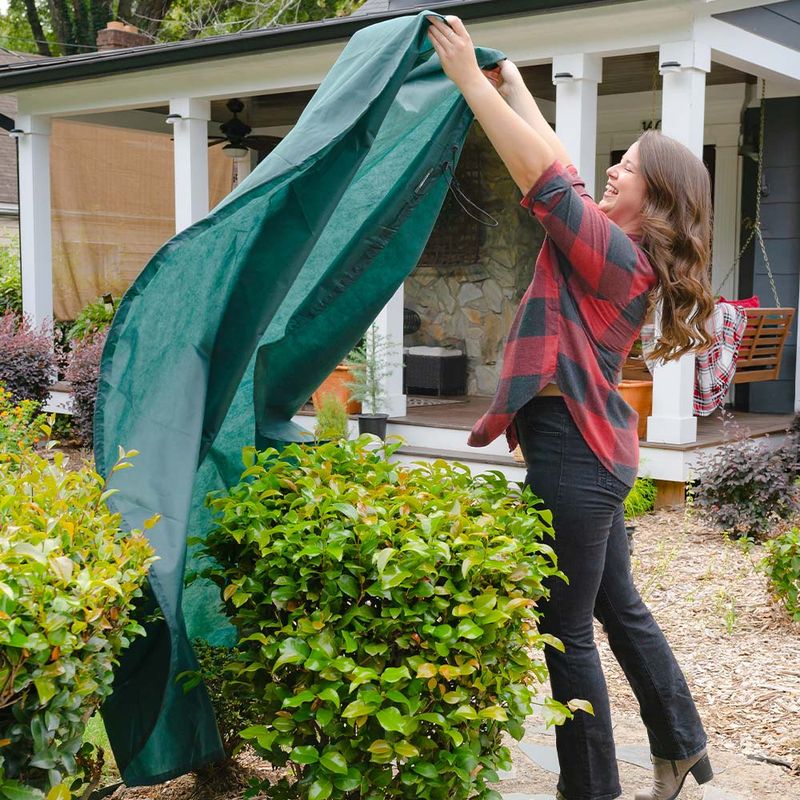
If your plumeria is planted in the ground, moving it indoors is not an option, so the plan shifts to understanding how much cold your spot gets. UF/IFAS says plumerias are susceptible to cold damage and suggests containers farther north.
It also warns that plants grown outside the recommended tropical zones can face heavy damage or death.
That does not mean every exposed plant will die. Damage varies with how cold it gets, how long it lasts, and the plant itself.
UF/IFAS notes that some regrowth may occur when a plant is not killed to the ground.
For frost-prone settings, local guidance from the Southern California Plumeria Society describes frost cloth and overhead shelter. A cloth draped over the plant or an eave or patio cover above it can take the edge off a frosty night.
Think of those measures as helpful, not magical. An exposed plant under frost cloth is not freeze-proof, and a hard freeze can still cause damage.
Covers work best when they are in place before dusk and removed once the day warms up.
Look at your site honestly. A plant tucked against a south-facing wall on a mild coastal lot has a very different outlook than one in open valley ground.
If your yard sees regular frost, growing plumeria in a container may be the safer long-term choice.
Adjust winter watering to the plant’s condition
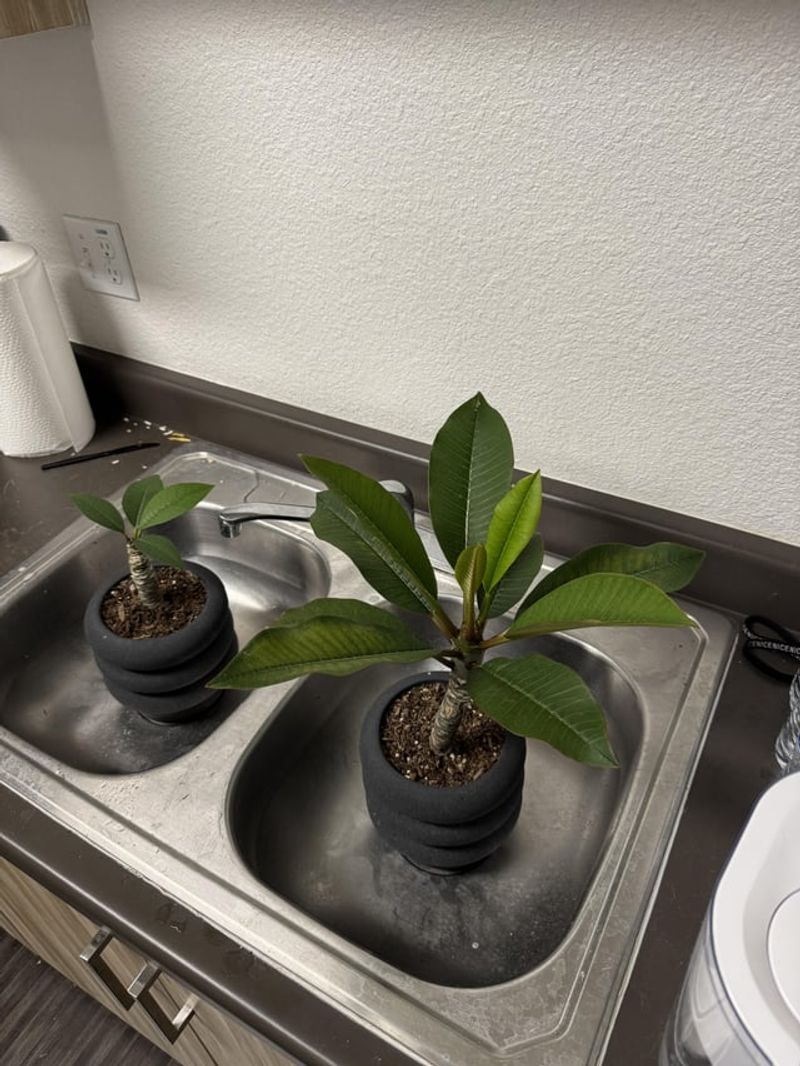
Winter watering advice sounds contradictory because it depends on what your plant is doing. A bare, dormant plumeria in cool storage is in a very different place than one sitting in a warm, bright room with fresh leaves.
For the dormant plant, the Missouri Botanical Garden recommends no water or light for plants stored just above 40°F while they are dormant. A leafless plant in the cold uses very little moisture, so wet soil mostly invites trouble.
A plant that stays warm and keeps growing should not automatically be treated as dormant. Wisconsin Extension recommends letting the medium dry between waterings and cutting back when conditions are cooler.
Poke a finger a few inches into the mix, and water only when it feels dry.
Either way, avoid soggy soil. Overwatering can cause root rot, and rot is one of the more common ways a plumeria is lost over winter.
Use a pot with drainage holes and empty any saucer so the roots are never sitting in water.
So there is no single rule that fits every plant. Ask three questions: does it have leaves, how warm is the spot, and how fast is the mix drying?
Your answers will tell you whether to hold back water completely or give a light drink now and then.
Support future flowers with growing-season care
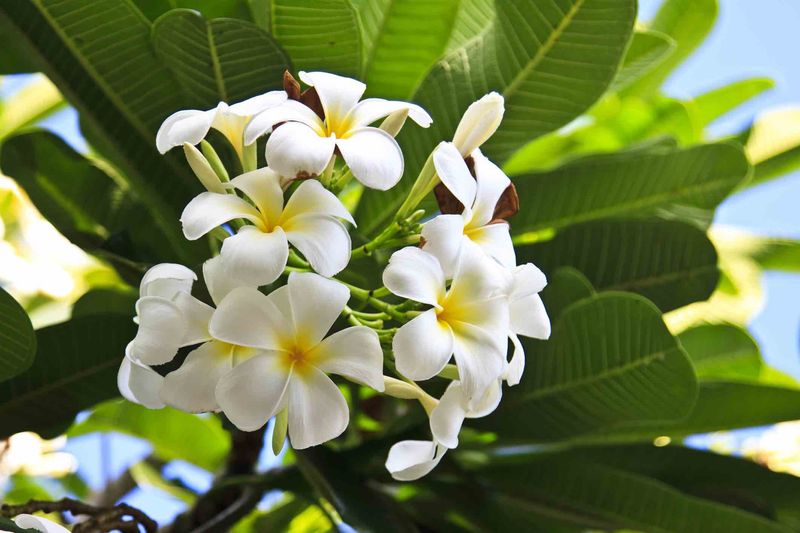
Getting through winter keeps the plant alive, but flowers are mostly built during the growing season. That is why summer habits matter as much as any cold-weather routine.
Sun comes first. The Missouri Botanical Garden recommends at least a half-day of direct sun, with the best performance in full sun.
During active growth, water so the soil is neither soggy nor allowed to dry out excessively, which is useful in California where summers are long and dry.
Feeding is where advice varies. Wisconsin Extension recommends fertilizing during active growth rather than in winter, and Missouri Botanical Garden advises stopping fertilizer in late summer.
The Texas A&M AgriLife Galveston County guide suggests monthly feeding from April through August.
Because those schedules differ, follow the label on your product and check local guidance for your area. Skip feeding a dormant plant, and do not count on a late-season bloom booster to produce flowers.
Winter protection and summer care work together, but neither one guarantees a bloom display. A plant that comes through the cold healthy, then gets plenty of sun and sensible water, simply has the best shot.
Give it that, and let the plumeria set the schedule.