
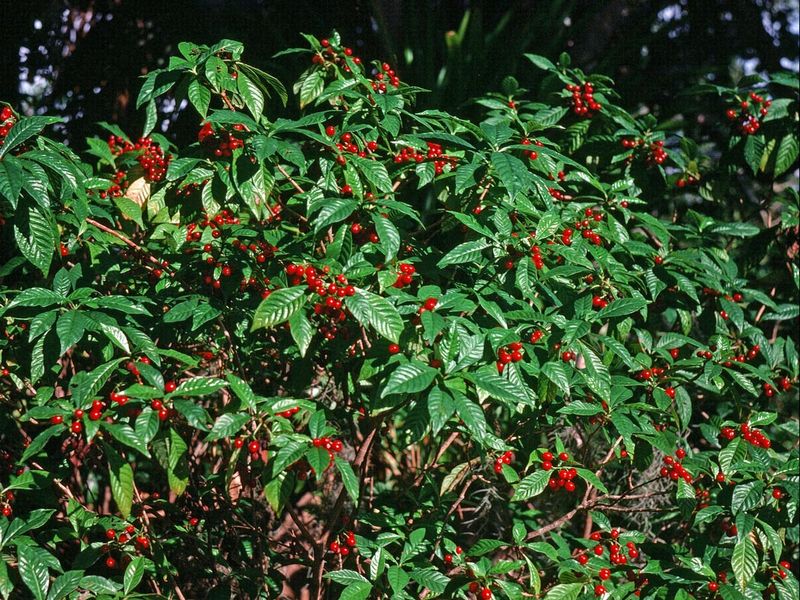
Shady spots under oaks and along north walls are tough places to grow anything with color or life. Wild coffee, a Florida native shrub, is one plant that may fit those spots.
Its glossy leaves look good all year, and its flowers and red berries can give pollinators and birds something to use. Here is what to expect before you put one in the ground.
Wild coffee gives shady Florida yards a native shrub option
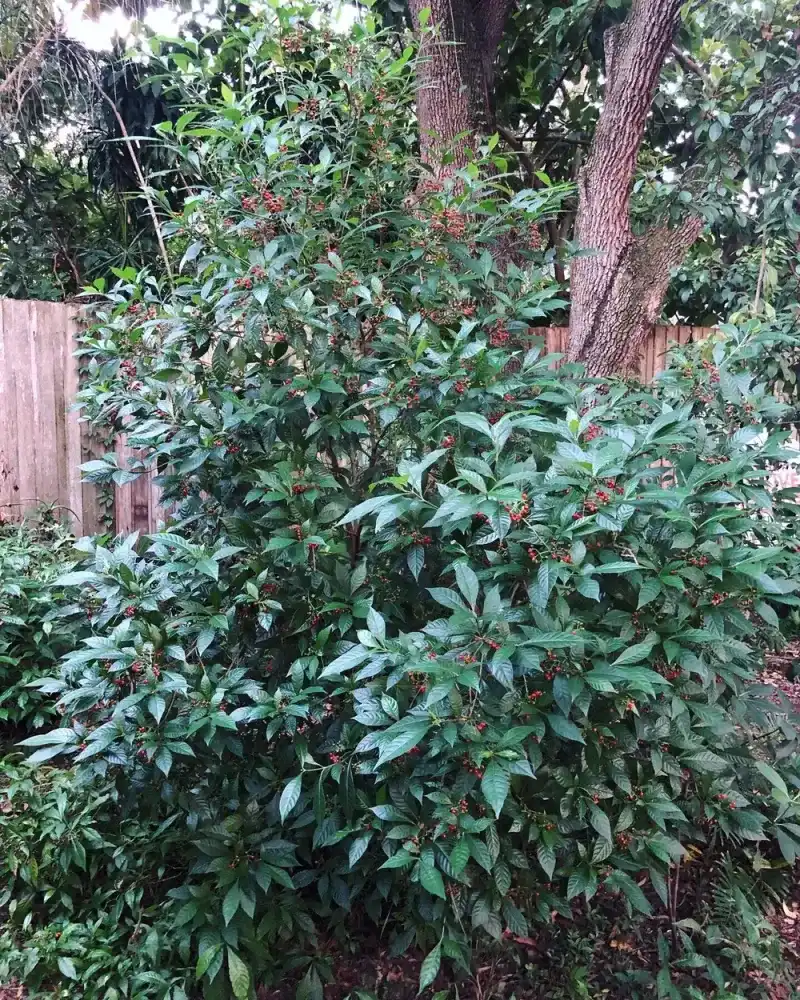
Most flowering shrubs sulk when the sun disappears behind a canopy of oaks or a tall fence. Wild coffee (Psychotria nervosa) is a different story.
It is a Florida native understory shrub, which means it evolved growing beneath taller trees in the state’s hammocks and woodlands.
According to UF/IFAS Extension, the plant can grow in full shade. That makes it a real candidate for spots where sun-loving shrubs struggle.
It is not a magic fix, though, and a few details matter before you buy one.
The same university guidance says partial shade is generally best. A newer UF/IFAS guide to wild coffees agrees that these plants do best with some filtered light.
So a spot with dappled sun through the day will likely give you a fuller, healthier plant than a dark corner.
You may also see the phrase deep shade used loosely. There is no exact measurement behind it.
A shady yard can mean anything from bright, filtered light under a high canopy to a gloomy strip between two buildings, and results can differ between them. Watch how light moves across your site for a few days before choosing a planting spot.
Its name can confuse people, too. Psychotria nervosa is not the Coffea plant that gives us coffee.
The red fruit looks a bit like coffee beans, but it has no caffeine and is not a coffee substitute.
Think of wild coffee as a strong option for a shady, well-drained Florida site. Birds and pollinators may use it, but no plant can promise visitors.
The next sections cover size, wildlife, planting, and the limits you should know about.
Its mature shape matters as much as its shade tolerance
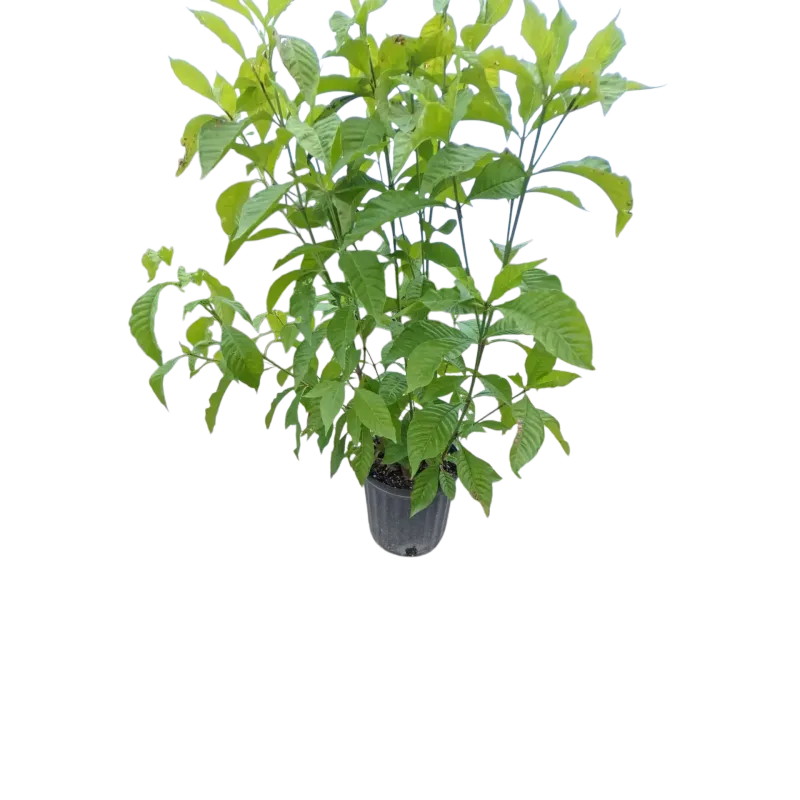
Picture a rounded, leafy shrub with dark, shiny leaves marked by deep veins. That is wild coffee.
The leaves stay on the plant all year, so it adds green structure to a shady bed even in winter.
Size is where many gardeners get surprised. UF/IFAS describes a mature plant at roughly 4 to 10 feet tall and 4 to 8 feet wide.
A small nursery pot can turn into a big presence, so leave room instead of squeezing it against a wall or walkway.
Light changes its look. In heavy shade, wild coffee may grow a more open form that looks closer to a small tree than a dense shrub.
If you want a fuller, bushier plant, a spot with a little more filtered light helps.
Wild coffee is flexible in the landscape. UF/IFAS Gardening Solutions notes it works as a specimen planting, a hedge, a border, or a mass planting.
A single plant can anchor a corner under a tree. A row can soften a fence line, and a group can fill a larger shady bed.
It also responds well to pruning, so you can shape it to keep it in bounds. Before digging, mark the spot with a hose or stakes at the full mature width.
If that footprint fits, you are off to a good start.
Red fruit can give birds a reason to visit
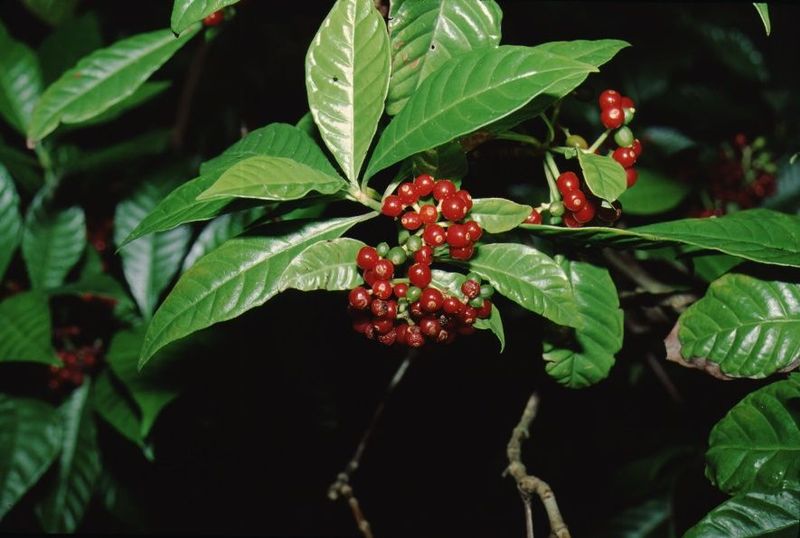
Bright red berries are the feature that gets the most attention. They stand out against the dark green leaves, and birds notice them too.
UF/IFAS documents birds using the fruit as food.
Timing is not set in stone. The newer UF/IFAS wild coffee guide describes summer flowers followed by fall fruit as a general pattern.
Your plants may be earlier or later depending on the weather, the light, and the year.
Treat birds as possible visitors, not a sure thing. Whether they show up depends on what else grows nearby, whether cats or busy foot traffic keep them away, and what other food sources are close.
A single shrub helps, but it does not make a whole habitat.
Not every plant will carry heavy fruit, either. Young plants, plants in very dim spots, and plants stressed by cold or drought may produce little.
If a shrub is healthy but fruits lightly, that is normal enough that you should not panic.
To make the most of it, pair wild coffee with other native plants that layer in shade, such as a canopy tree and a few groundcovers. Add a shallow water dish nearby, and keep pesticides out of the area.
Then watch the shrub in fall to see who comes by.
White flowers offer nectar to butterflies and other insects
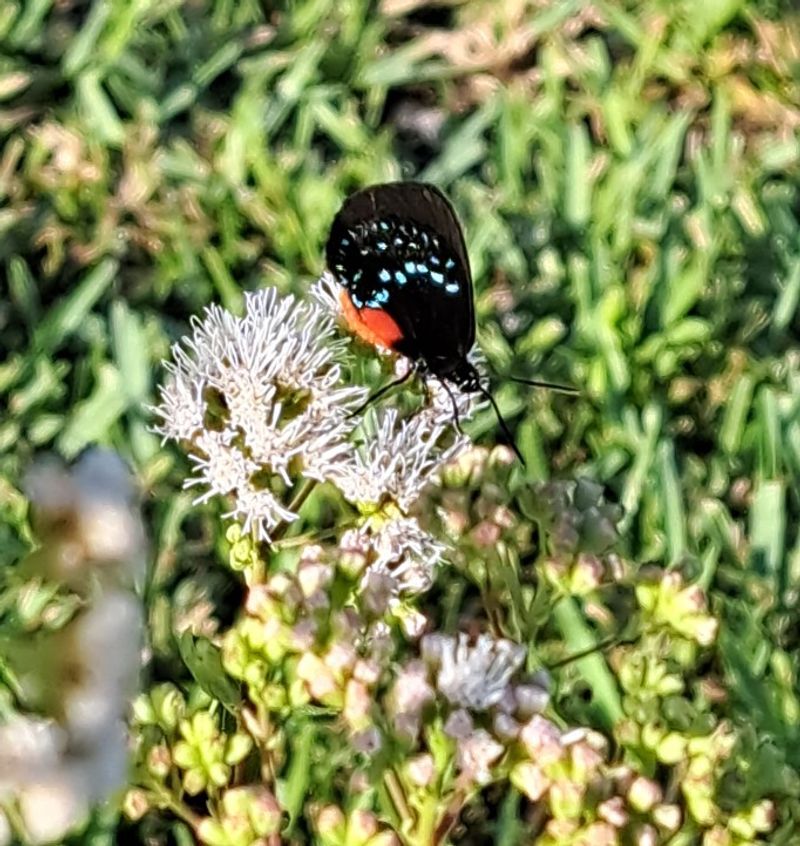
The flowers are small, white, and easy to miss unless you look closely. What they lack in size they make up for as a nectar source.
UF/IFAS lists butterflies, bees, wasps, flies, and beetles among the wildlife associated with the species.
When it blooms depends on which source you read. The older UF/IFAS fact sheet describes spring and summer flowering, while the newer wild coffee guide gives summer flowers and fall fruit as the general pattern.
Plan on a bloom window that can shift with your region and the weather.
Atala butterflies deserve a careful note. Adult Atalas may sip nectar from wild coffee flowers.
Their caterpillars, however, feed on coontie, according to UF/IFAS Extension’s Atala butterfly publication. Wild coffee is not a host plant for Atala caterpillars.
That distinction gives you a simple planting idea. If you want to support the Atala’s full life cycle, grow coontie in the same yard.
Wild coffee can then serve as one more nectar stop for adults.
Do not expect clouds of butterflies. A flowering shrub in shade is one resource among many, and visitors depend on your neighborhood and the other plants around you.
Standing nearby on a warm day in bloom season is the best way to see who is using it.
Well-drained soil and establishment watering help it grow
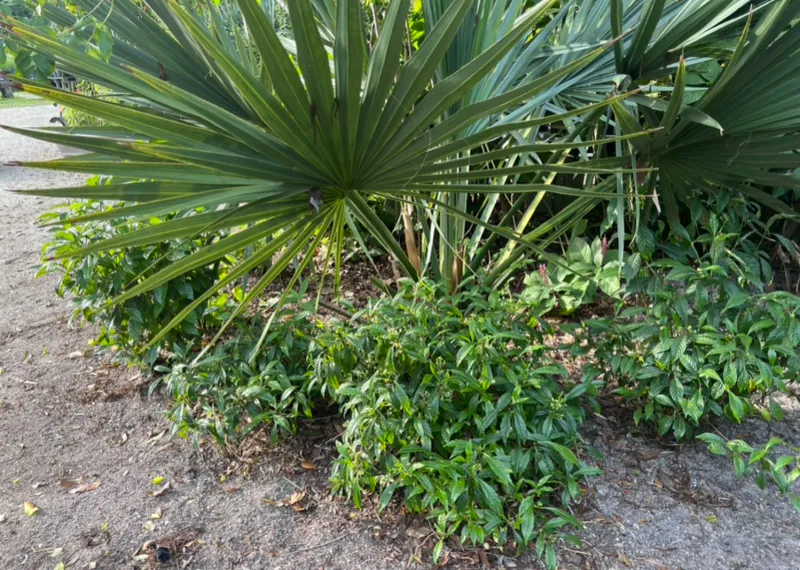
Florida soils range from pure sand to heavy clay, and wild coffee handles that range. UF/IFAS says it tolerates sand, loam, and clay.
The key condition is drainage, so avoid low spots where water stands after summer storms.
A quick test helps. Dig a hole, fill it with water, and see how long it takes to drain.
If water is still sitting there many hours later, pick a higher spot or build up the bed.
New shrubs need regular watering while their roots spread. UF/IFAS guidance on establishing shrubs recommends regular establishment watering, adjusted to your region and conditions.
Sandy soils dry faster than clay, so check the root zone by hand before assuming rain was enough.
Timing can help. Planting at the start of Florida’s rainy season may reduce the amount of extra water you need to supply.
Even so, a week without rain can still happen in summer, and young plants may need a drink.
Once established, wild coffee is moderately drought tolerant. That does not mean it never needs irrigation.
The UF/IFAS wild coffee guide still points to watering during long dry periods. Drooping or dull leaves are your clue that it is thirsty.
A layer of mulch helps hold moisture in sandy soil. Keep it a few inches back from the stem.
The plant also responds well to pruning, according to UF/IFAS Gardening Solutions, so you can trim it to size when needed.
Check freeze exposure and berry safety before planting
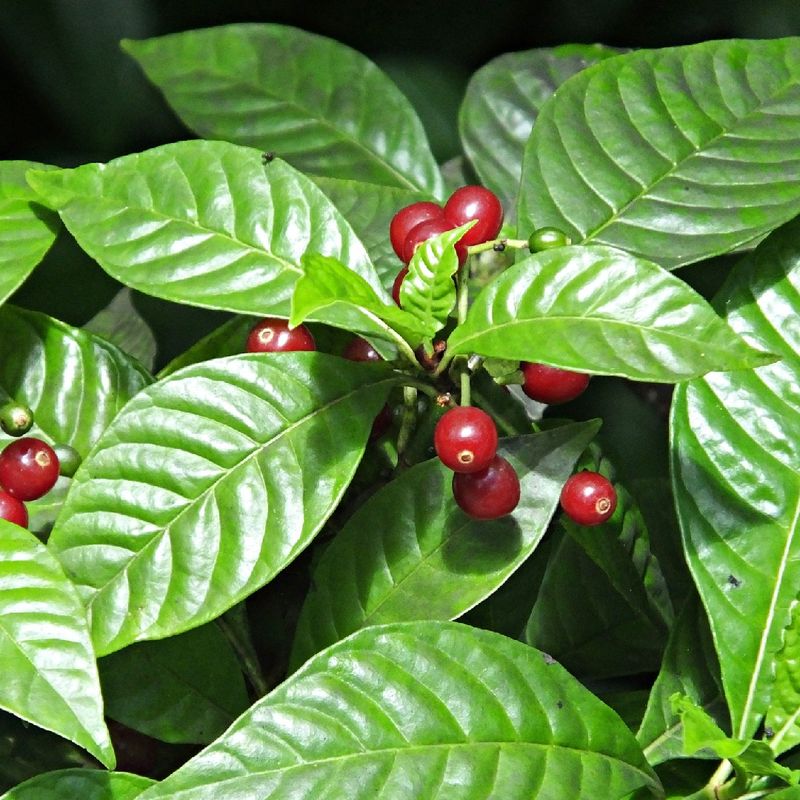
Cold is the biggest limit for this shrub, and the advice is not identical everywhere. A 2025 UF/IFAS guide lists zones 9a through 11 and says prolonged freezes can kill plants back to the ground, with regrowth often coming in spring.
An older UF/IFAS fact sheet calls it very cold-tender and recommends protection north of zone 10b.
So reliability is not the same across the state. In North and Central Florida, check your local conditions and your microclimate.
A spot near a wall or under a tree canopy is often warmer than an open lawn.
When a hard freeze is forecast, cover the plant with frost cloth the evening before and remove it the next day. If a plant is cut back, wait until spring before pruning dead wood, since new growth may come from the base.
Salt is another place where sources disagree. The older fact sheet rates tolerance as poor, while the newer guide calls it moderate.
Because of that mixed guidance, wild coffee is not a dependable pick for highly exposed, salty coastal sites.
Finally, do not taste the berries. They look like coffee cherries, but that proves nothing about safety.
The UF/IFAS Florida Bee Gardens database lists toxicity as not known, which is not the same as safe. Teach kids and guests to admire the fruit and leave it for the birds.
For more on its growth habits, see UF/IFAS Gardening Solutions.
Choose wild coffee for the site, with wildlife value as a bonus
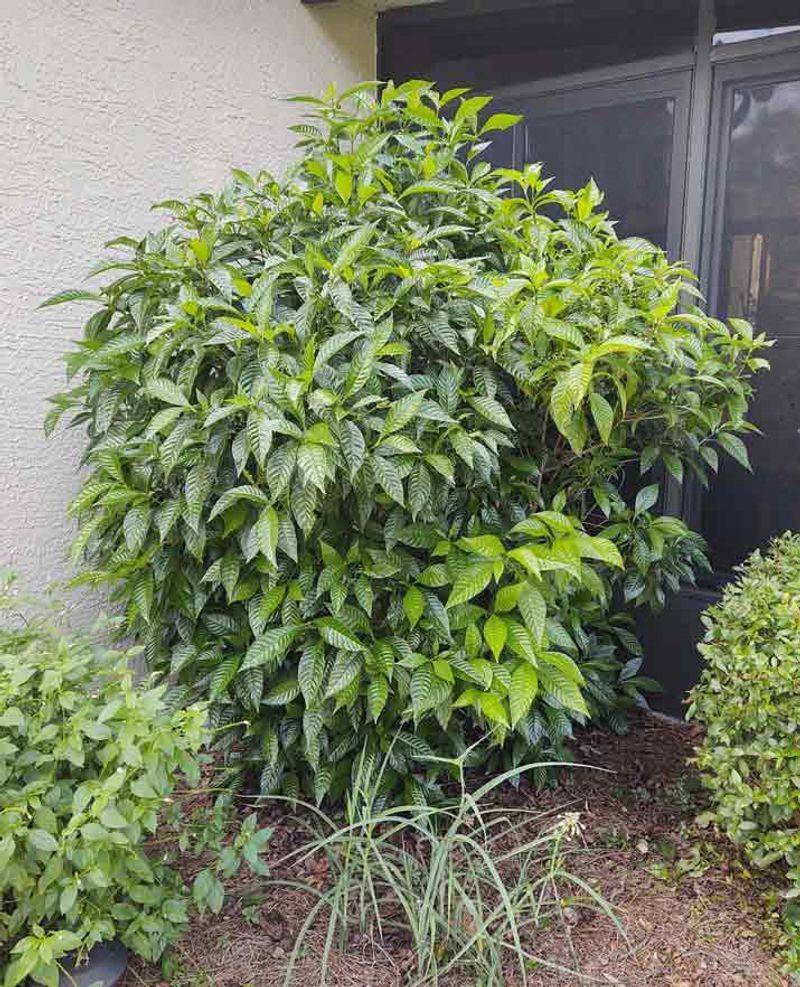
Pick wild coffee when you have a shady, well-drained spot, room for a shrub up to 10 feet tall, and a plan to cover it in a hard freeze. Those are the conditions the UF/IFAS fact sheet and the newer wild coffee guide point toward.
If it fits, the nectar and berries may draw some pollinators and birds. Treat that as a bonus rather than the goal.
A plant that suits its spot is the one that gives wildlife something to use year after year.