
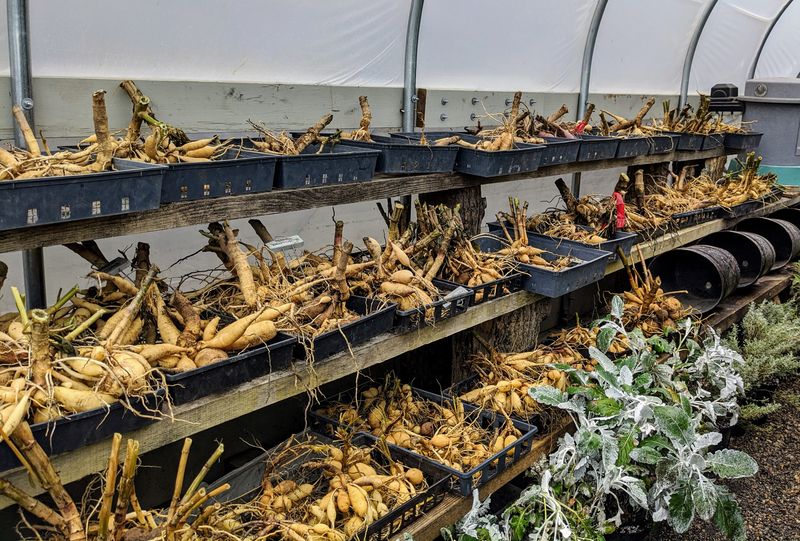
Dahlia tubers can sit happily in the ground all summer, then run into trouble once fall turns cold and soggy. Soil that stays wet or freezes can damage the tubers you hoped to replant.
The good news is that you can lower the risk with a few simple steps, and your local winter makes a big difference. Here is how to decide whether to dig, and how to handle tubers if you do.
Cold, wet soil puts tubers at risk—but loss isn’t inevitable
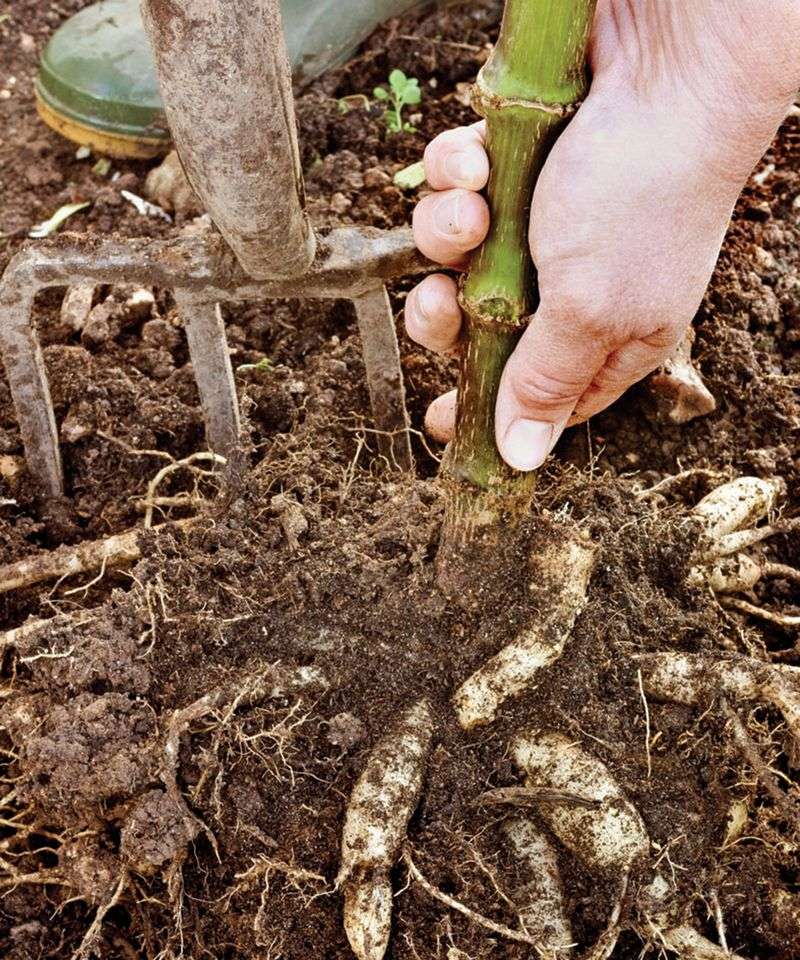
Dahlia tubers do not love sitting in soil that stays soaked for weeks. Persistent wetness can contribute to rot, and soil that freezes can kill the tubers outright.
That does not mean every tuber left outside will be mush by spring. Results depend on winter temperatures, drainage, and how well protected the bed is.
Sources do not agree on leaving tubers in place. University of Georgia guidance calls it unwise for valuable varieties, since a severe winter may kill them.
Oregon State Extension describes in-ground overwintering as possible in suitable climates with well-drained soil, protection, and monitoring.
Think of digging as a way to reduce risk, not a rule for everyone. UF/IFAS says tubers may overwinter outdoors in USDA zones 9 and 10.
If your bed drains slowly or freezes hard, lifting the clumps gives you more control. If you have a prized variety, digging is the safer bet.
Let local frost risk—not a calendar date—set the deadline
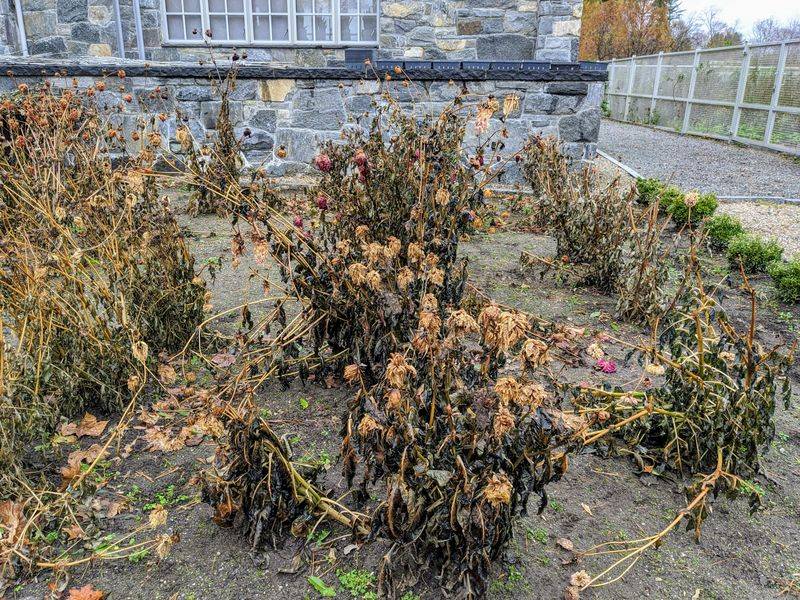
Forget the one-date-fits-all advice. In frost-prone areas, wait until frost has killed the foliage, then lift the clumps before the soil freezes.
A light frost on a single night does not always mean you must grab a shovel that afternoon.
A short wait after the foliage dies can help the eyes become easier to see. But Oregon State Extension says to dig the same day if a hard freeze is a concern.
Watch the forecast and let the weather set your window.
Warmer parts of the South work differently. UF/IFAS says tubers may overwinter outdoors in zones 9 and 10, so many Florida gardeners may not need to dig every year.
Texas stretches from mild coast to cold Panhandle, so there is no single statewide deadline. Check your own freeze risk and how well your bed drains, then decide.
Lift the clump carefully to protect next year’s growth
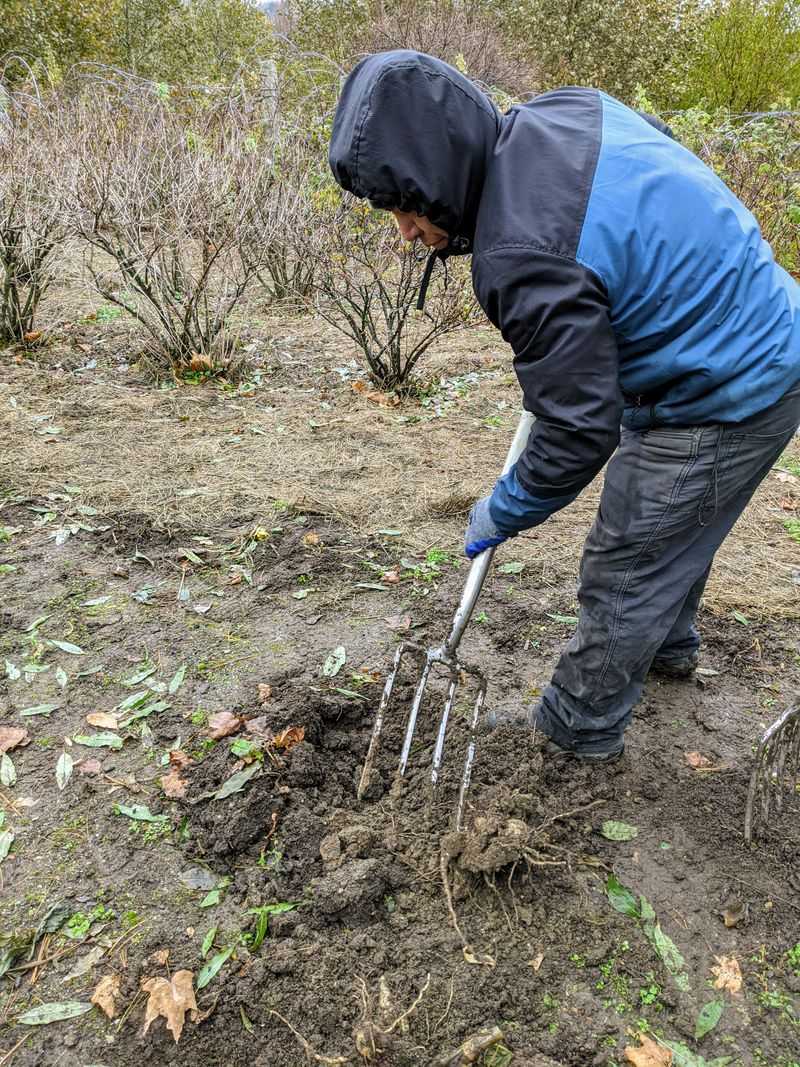
Once the timing is right, slow and gentle wins. Start digging a good distance out from the stem so you do not slice into the tubers.
Loosen the soil all around the clump, then lift it with a fork or spade.
Dahlia tubers have delicate necks, and they snap more easily than you might expect. University of New Hampshire Extension advises care to avoid cutting or breaking them, since damaged tubers are more vulnerable to storage losses.
Keep a label with every clump as you go. A tag tied to the stem or a marker written on the stalk saves you from guessing which color is which next spring.
Set clumps down gently rather than tossing them in a bucket. A few extra minutes now can mean more usable divisions later.
Remove excess soil and dry tubers before storage
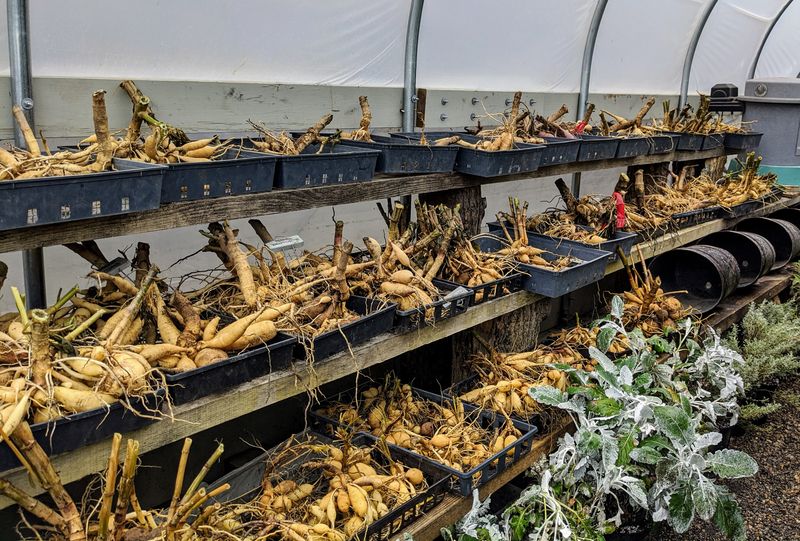
Tubers headed for storage should not be muddy or soaking wet. Shake or brush off the loose soil first.
Extra moisture clinging to a clump is an invitation for rot in the box.
Washing is where advice splits. UNH Extension recommends washing and then curing.
Oregon State Extension says not to wash clumps before winter storage. Both agree the tubers should not go away wet or caked in mud, so pick the approach that fits your soil and your space.
Next comes curing, which simply means letting the tubers dry. Choose a ventilated spot out of direct sun.
UNH suggests a few days at 60 to 70 degrees F, while the University of Georgia mentions drying for about a day. Those are different recommendations, not one magic number.
Look for surfaces that feel dry to the touch and skin that is not slick or sticky.
Store tubers cool, dark, and above freezing
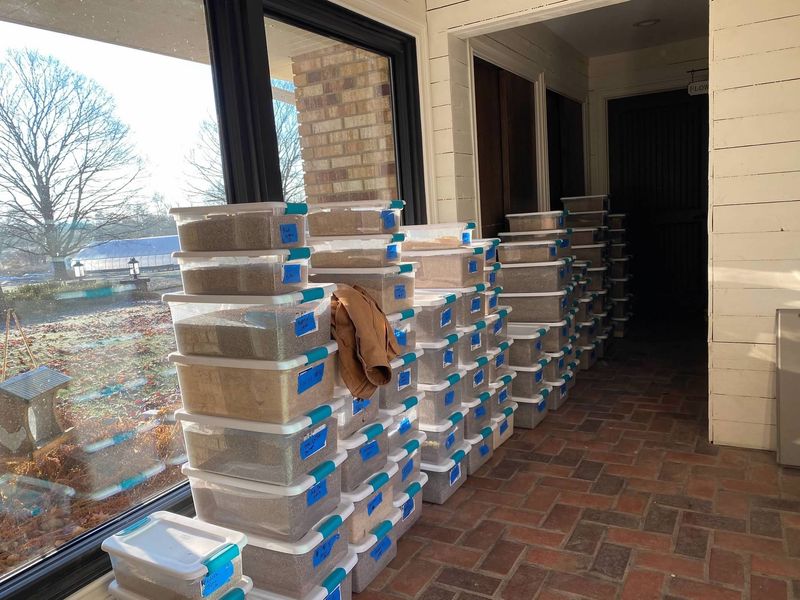
Most extension sources agree on the basics: keep tubers cool, dark, and above freezing. Where they disagree is on exact numbers.
Oregon State recommends 34 to 40 degrees F, while University of Georgia gives 35 to 50 degrees F.
UNH Extension says below 50 degrees F but above freezing. In a warm Southern home, a cool closet, unheated room, or insulated garage that stays above freezing may come close to those ranges.
The container matters as much as the temperature. Pick a box, crate, or bin with a packing material that keeps tubers from drying out without holding extra moisture.
Several materials can work, and no single one is the only right choice. Leave some airflow so humidity does not build up, and keep tubers from touching if you can.
Check stored tubers and keep viable eyes with each division
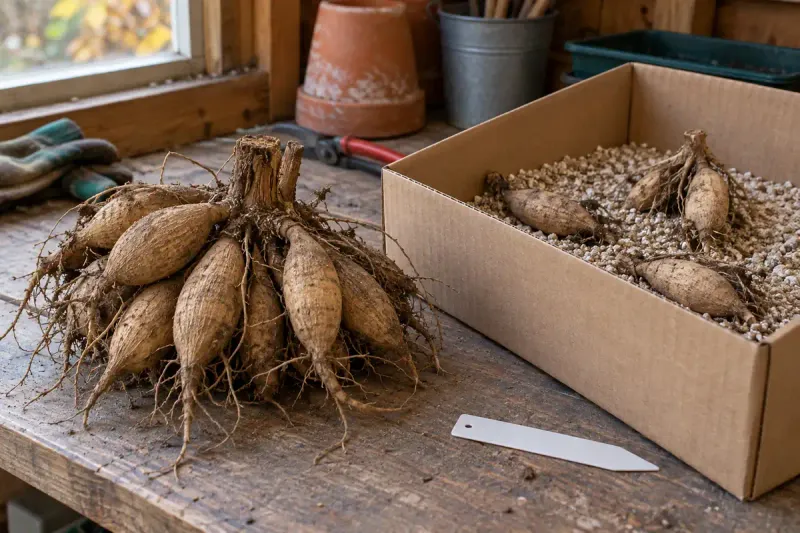
Storage is not a set-it-and-forget-it job. Look over your tubers every few weeks.
Remove any that feel mushy or look moldy so rot does not spread to their neighbors, and watch for tubers that have turned shriveled and dry.
Losses can still happen from rot, drying out, freezing, or damage during digging, even with good care. Catching a problem early may save the healthy tubers around it.
If the packing material looks damp, swap it for something drier. If tubers look wrinkled, a touch more moisture may help.
When you keep divisions, look for a viable eye on the crown. Oregon State Extension notes that a division needs one to grow, and broken-necked tubers or pieces without an eye may fail.
A fat, healthy tuber with no eye is not a sure thing. Tubers with a sound neck and an eye are your best bet.