
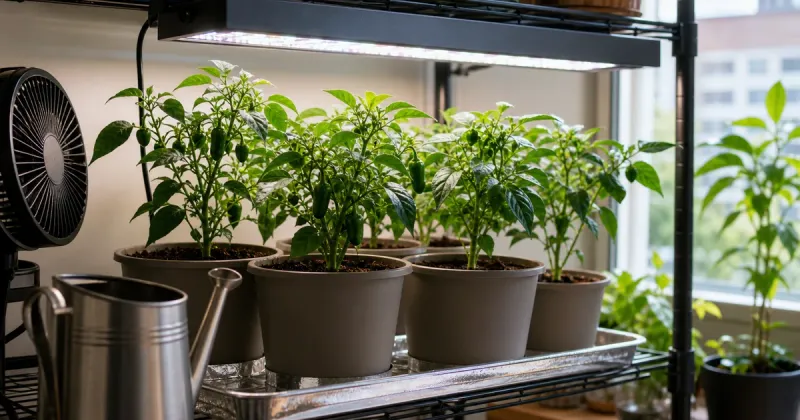
Bringing a favorite pepper plant inside for winter can give you a head start on next season. But warm indoor air can also give aphids a cozy place to settle in.
These tiny sap-sucking insects are easy to miss until they build up. A little routine checking and rinsing can help you catch them early.
Indoor peppers can host aphids, but an outbreak is not inevitable
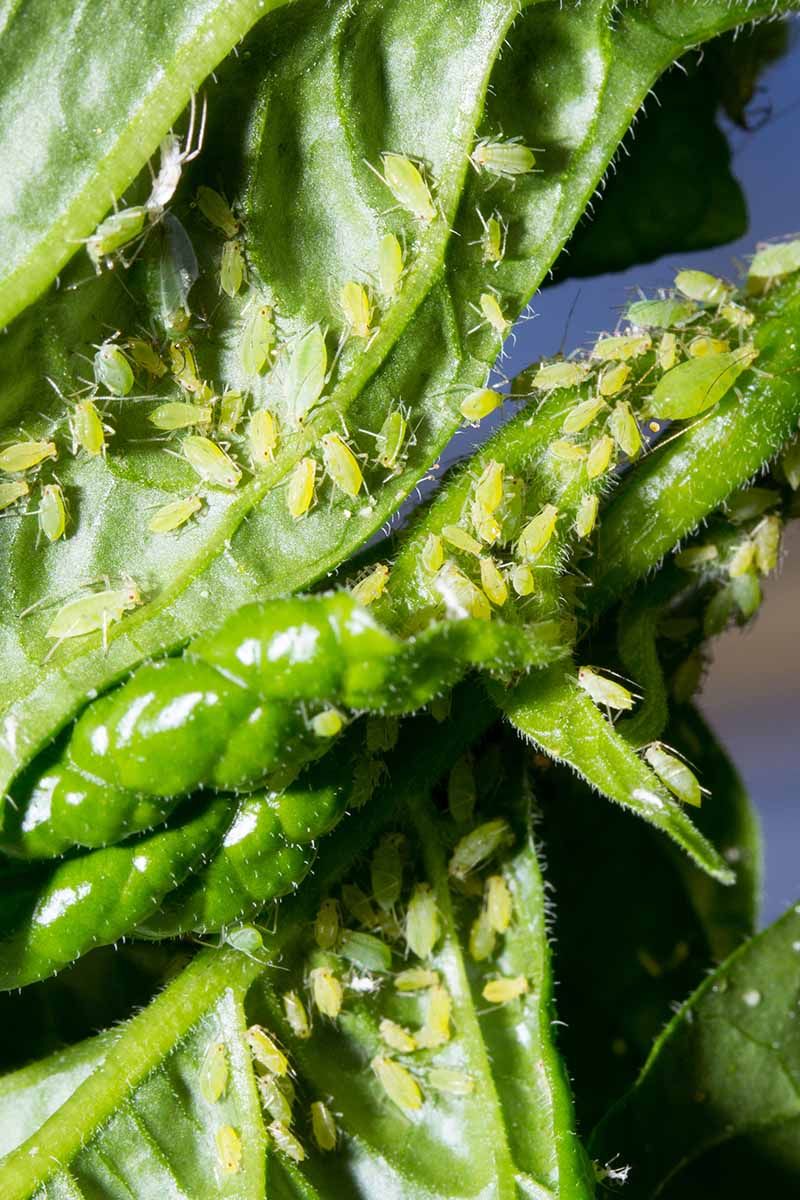
Peppers are a known food source for aphids, and a warm room can give a few of them room to multiply. Aphids feed on peppers and many other garden plants, and houseplants can carry them too.
Speed is the real concern. In Florida peppers, UF/IFAS reports a 10 to 13 day generation time for green peach aphids.
That figure comes from Florida pepper guidance, so it is not a universal rate for every indoor setup.
Still, a pepper moved inside does not automatically end up infested. Low numbers of aphids often cause little harm.
Heavy populations are the ones that may distort leaves and stunt small plants, which is why a quick look every few days pays off.
Inspect new growth and leaf undersides for early signs
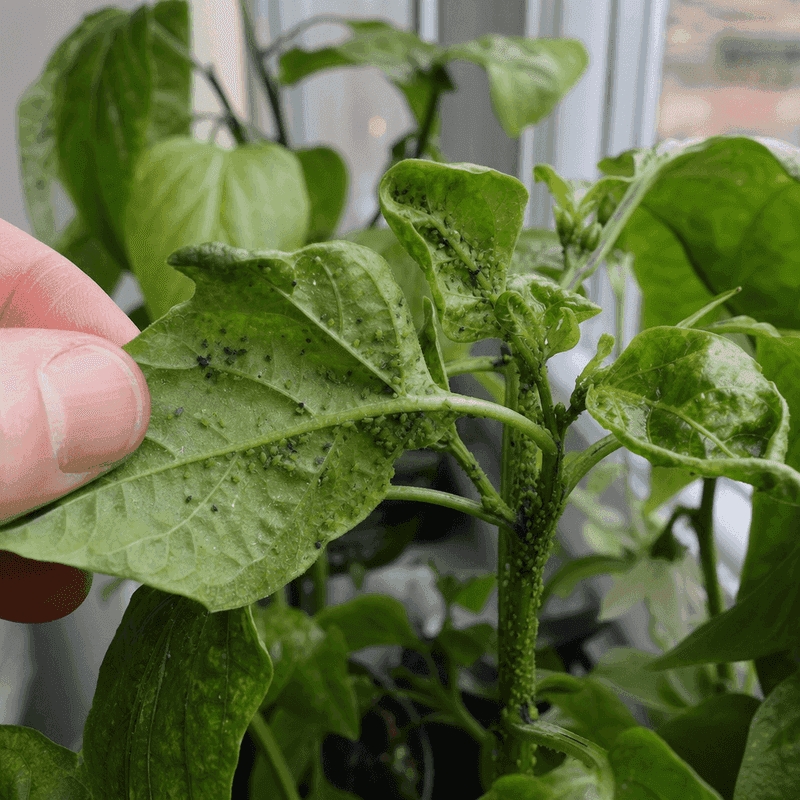
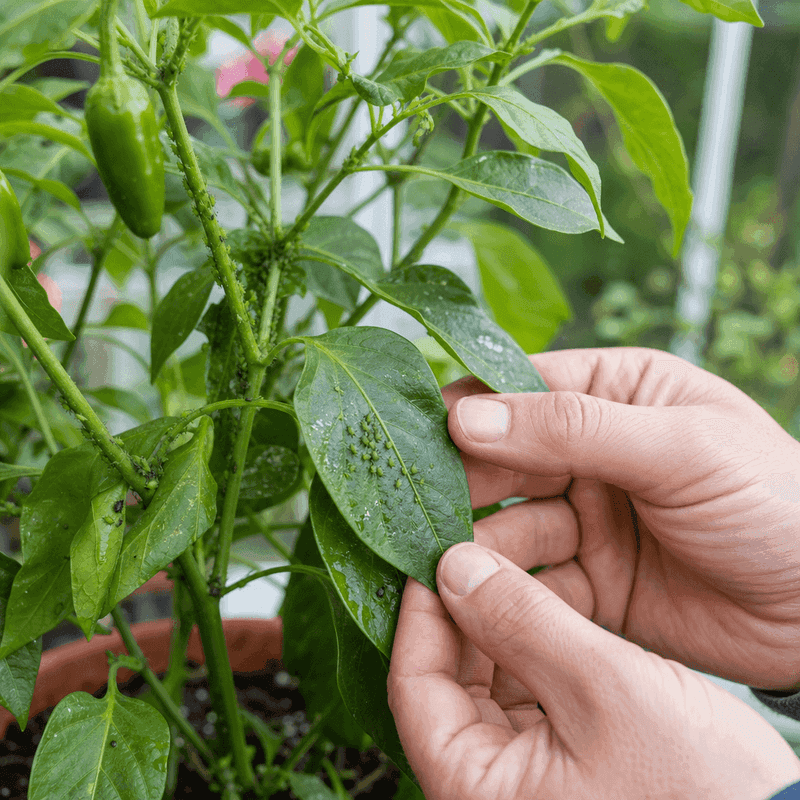
Start with the soft, fresh growth at the tips of stems, then flip leaves over. Aphid colonies like to gather on undersides and along tender stems, so a quick glance from above can miss them.
Look for tiny pear-shaped insects, pale white shed skins, and sticky, shiny honeydew on leaves or the surface below the plant. UC IPM describes these signs as typical of aphid activity.
Plan to check often. UC IPM advises monitoring at least twice weekly when plants are growing rapidly.
Treat any sign as a cue to look closer and act, not as proof the plant is in serious trouble.
Rinse and isolate plants during the move indoors
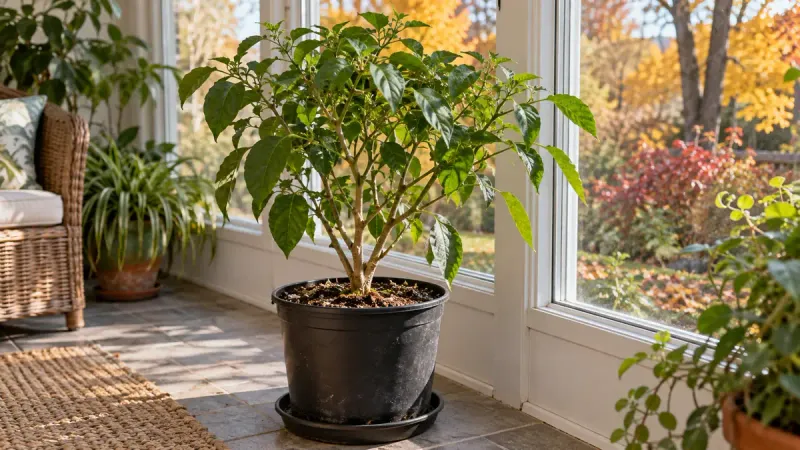
The easiest aphid to handle is the one that never comes inside. Before moving a pepper in for the season, rinse the foliage and let it dry completely.
Iowa State Extension suggests inspecting plants first as well.
Then give the newcomer its own space, away from other houseplants, for three to four weeks while you keep watching it. UC IPM guidance backs this kind of quarantine.
If you spot aphids on a pepper at any point, move it away from your other plants right away. Think of the pre-move rinse as prevention, and isolation as the first step when a colony already exists.
A rinse before the move lowers the odds of hitchhikers, but it does not guarantee a clean plant.
Use water to dislodge aphids from leaves and stems
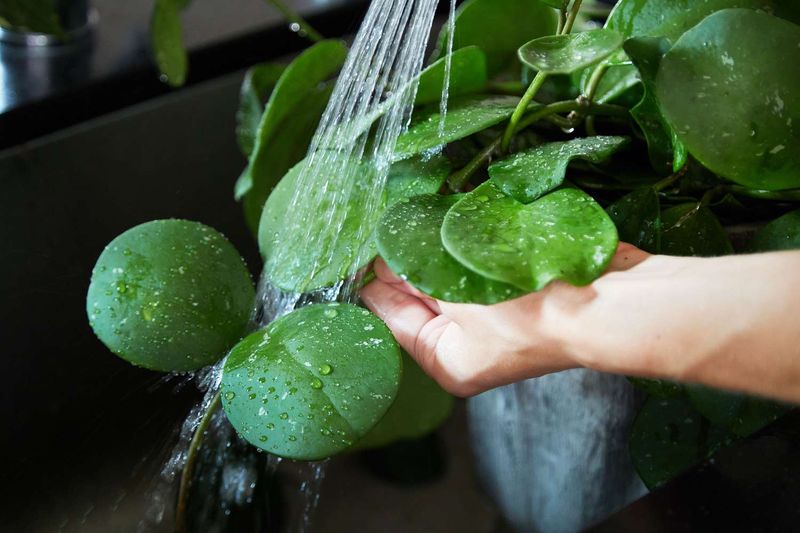
A sink, tub, or shower with gentle pressure works well for potted peppers. Angle the spray up toward the undersides of leaves and along the stems, where colonies tend to cling.
Support the plant so stems do not snap.
Water can knock aphids off, and UC IPM recommends washing as one way to manage them. A plant washing study also found reduced aphid numbers after washing.
Washing dislodges aphids, but some may remain, so check again afterward. Afterward, let the foliage dry quickly in a bright, airy spot.
Leaves that stay wet for long stretches may encourage disease.
Treat a weekly rinse as a reminder, not a proven schedule
Many gardeners like a weekly rinse because it is easy to remember. UC IPM says periodic thorough washing can help prevent many houseplant pests, but it does not set a weekly schedule for peppers.
The best-known test of washing used hibiscus, not peppers. Plants got 30-second washes three times a week for three weeks.
That is more often than weekly, so its results do not map neatly onto a pepper on your windowsill. You can read the details in the published study.
So use a weekly rinse as a prompt to inspect, not a promise. A cleaner plant means fewer visible aphids and less sticky honeydew, not a pest-free one.
If aphids are still there after a rinse, repeat it and try other steps.
Remove heavy colonies and set realistic management goals
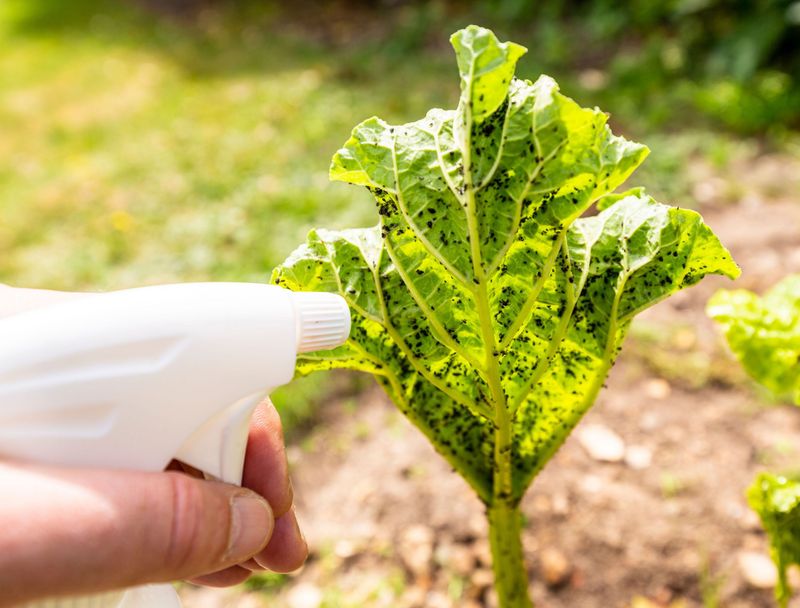
When one branch is crowded with aphids, cutting it off can be faster than rinsing. Prune the worst growth, seal it in a bag, and discard it.
UC IPM suggests this for heavily infested parts. Texas gardeners can also note that Texas A&M AgriLife recommends regular inspection and water sprays for small plantings.
If water and pruning fall short, use only a product labeled for peppers, aphids, and indoor or edible-plant use, and follow the label. Skip homemade dish soap or detergent sprays, since University of Maryland Extension advises against household soap remedies.
These steps can lower visible aphids and plant stress. They cannot guarantee a pest-free plant, and some aphid-spread viruses pass along during brief probing, so rinsing will not stop them.
Nor can they ensure next year’s yield.
Aim for steady attention, not perfection.