
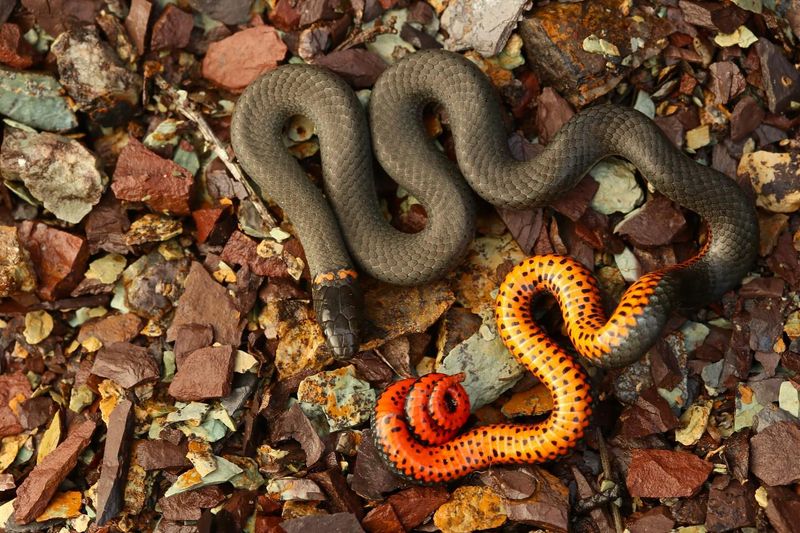
You lift a flowerpot and a thin little snake with a bright ring around its neck slides into the shadows. Slugs are listed among the prey of Pacific ring-necked snakes, but that does not make the snake a garden pest-control plan.
Many people are unsure what snake they have found, and that is completely understandable. Here is what is known about this quiet native, how to stay safe around it, and how to handle slug damage directly.
A ring-necked snake could shelter beneath garden cover
Picture the places a small, secretive snake might tuck itself away: under a flat rock, a fallen board, a log, or a thick layer of leaf litter. According to the California Department of Fish and Wildlife species account, California’s ring-necked snake uses surface litter and herbaceous vegetation, and it is often found beneath boards, flat rocks, logs, and similar cover.
A garden pot sitting on damp soil offers a similar kind of shelter. So finding a ring-necked snake under one is plausible.
Still, no source we found names pots as a preferred home, so think of a pot as one more piece of cover, much like a stray plank by the shed.
Location matters too. This snake is widespread in California, but CDFW reports it is absent from large portions of the Central Valley, the high mountains, most deserts, and areas east of the Sierra-Cascade crest.
A gardener in Fresno or Palm Springs should not expect one under every pot.
If you live in a part of the state where the species does occur, a small snake under a pot is not a sign that something is wrong with your yard. It may simply be using the cool, sheltered spot your pot happens to make.
The neck ring and colored underside are useful clues
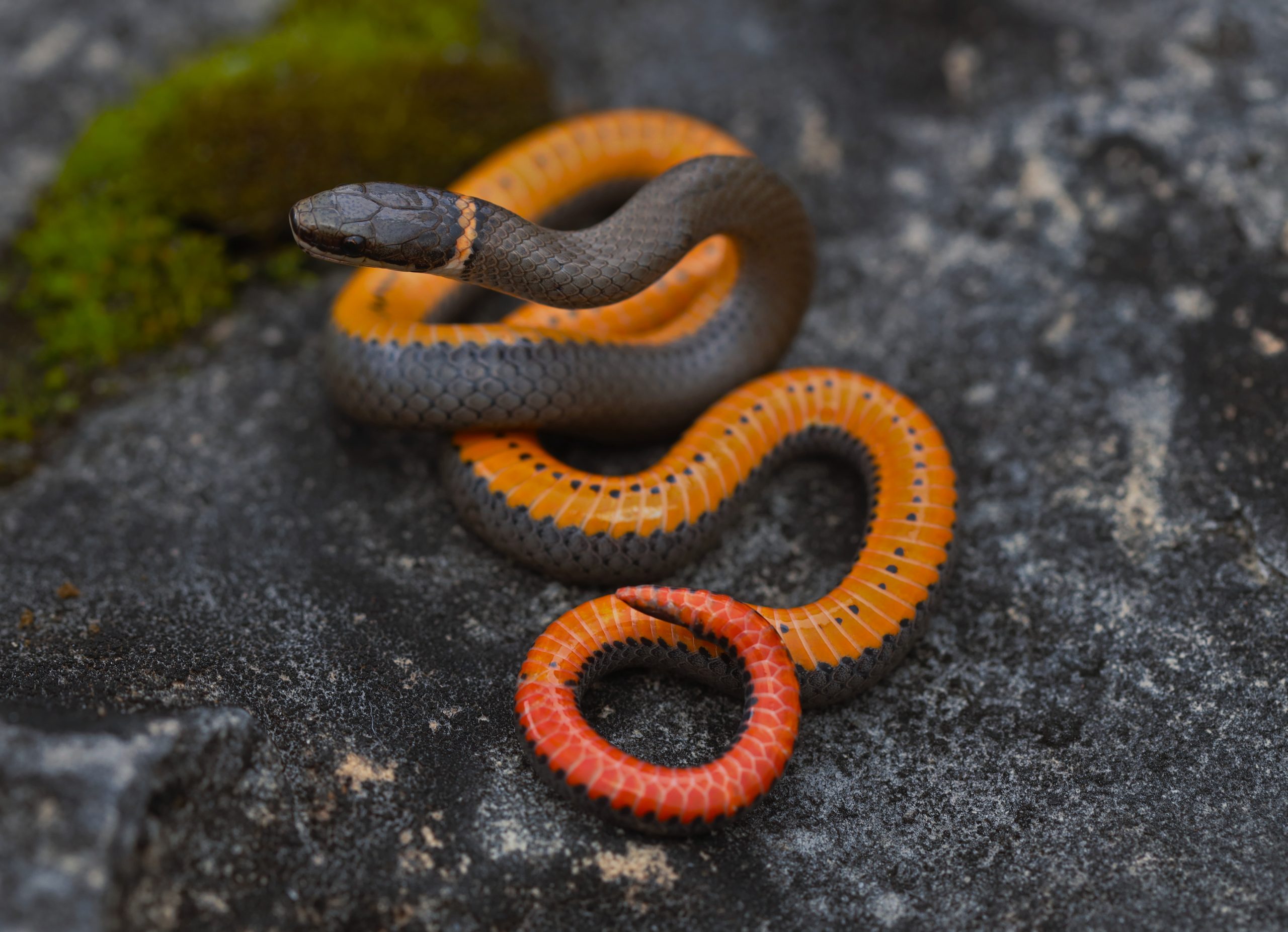
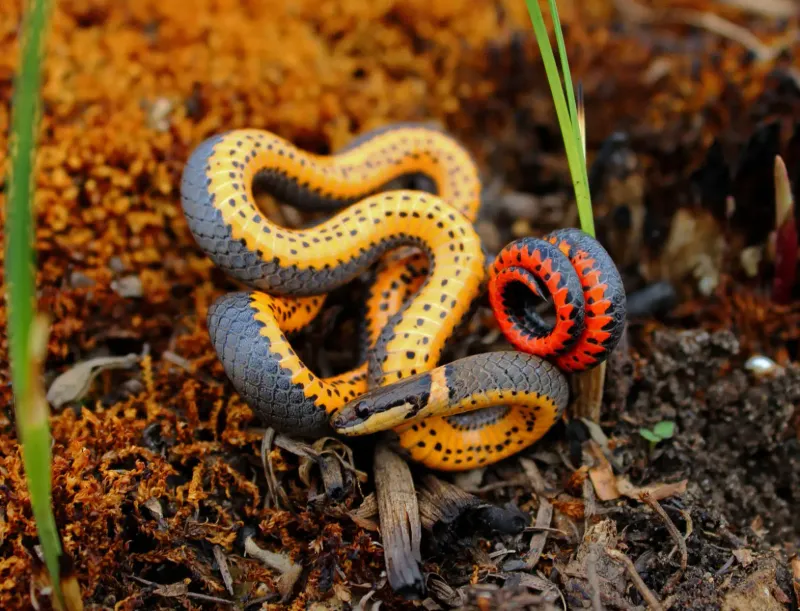
Ring-necked snakes get their name from a band around the neck. California State Parks natural history material describes a small, slender snake with a gray-to-dark body, a yellow, orange, or red neck ring, and a belly of a similar color.
The underside of the tail can be a bright reddish-orange. Some descriptions also stress how thin and small the animal is, so a pencil-width snake with a colorful belly is a good reason to look closer.
Here is the catch. California State Parks snake guidance offers these as descriptions, and colors can look different in shade, in a quick glance, or on a young snake.
A neck ring helps you recognize a possible ring-necked snake. It does not confirm what you are looking at, and it does not guarantee the animal is safe.
If you are unsure, you are in good company. Take a photo from a comfortable distance if you can, and save the next steps for the encounter section below.
Slugs are on one prey list, not a proven control plan
Two public sources describe the diet a little differently. California State Parks lists slugs among the prey of Pacific ring-necked snakes, along with salamanders, tadpoles, frogs, lizards, and worms.
The CDFW statewide account lists earthworms, salamanders, treefrogs, lizards, and small snakes, and it does not mention slugs.
What does that mean for your garden? Slugs can be on the menu, but neither source says they are the main or a dependable food for ring-necked snakes everywhere in California.
Neither says snakes hunt slugs under pots, and neither says snakes lower slug damage in a yard.
So a snake under your pot is a nice bonus for local wildlife, not a slug solution. If your hostas or lettuce seedlings are being chewed, you will need a plan that does not depend on a shy reptile showing up.
Winter slug concerns do not establish snake emergence after rain
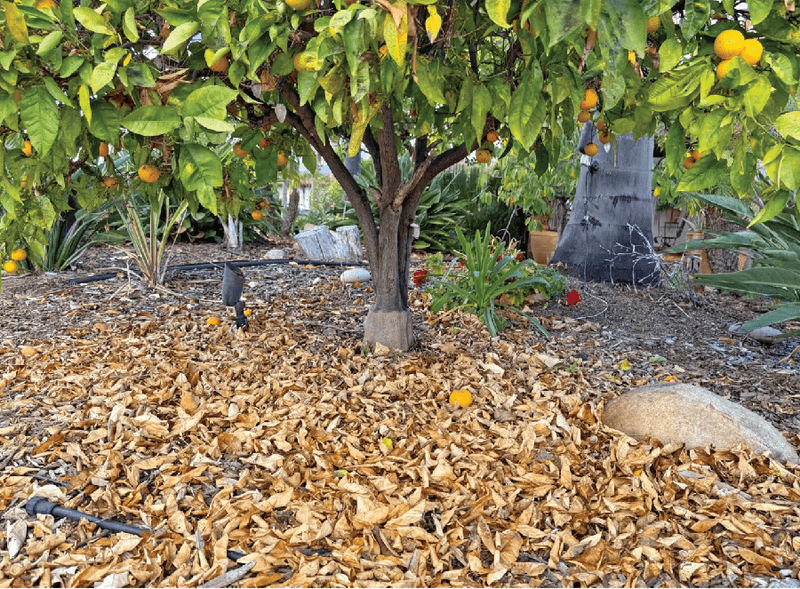
Rainy months are when many California gardeners notice slug trouble. UC IPM guidance on snails and slugs ties management to moist conditions, so winter and spring are good times to stay on top of them.
Snakes follow their own schedule. CDFW reports that ring-necked snakes along the coast may spend winter inactive beneath surface objects or in other refuges.
That means a wet week does not reliably put more of these snakes in your garden. The sources do not show a general rise in sightings after rain.
A practical takeaway: plan your slug work by the weather, and plan your pot-lifting by caution. Either way, look before you reach under cover.
Check beneath a pot before moving it, and never handle a snake
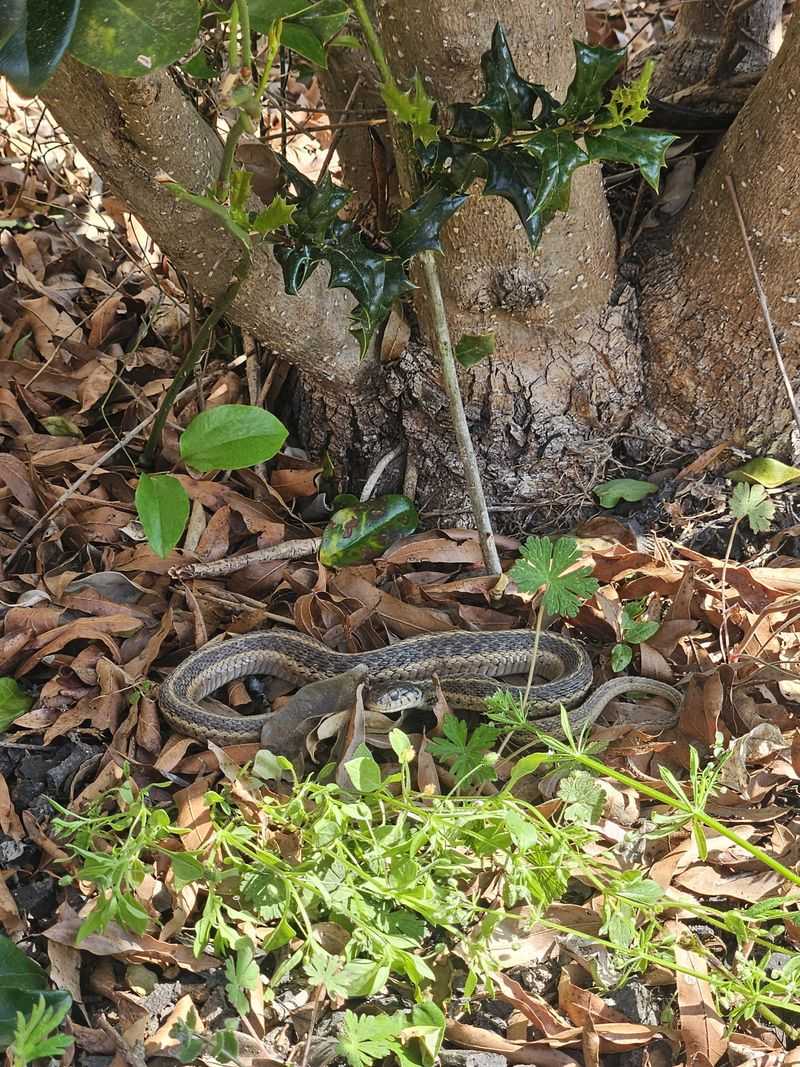
Before you lift or slide a pot, board, or flat stone, take a moment to look. Tilt it away from you, or nudge it with a long tool, so your hands and feet stay clear of whatever is underneath.
If a snake is there, step back and give it room. CDFW advises people not to touch or handle snakes, and that holds even when the snake looks small or familiar.
California has many native snakes, including rattlesnakes, as CDFW’s snake guidance notes. A small size or a neck ring is not proof of identity or safety.
The ring-necked snake is not typically dangerous to people, but California State Parks says it may produce mild venom and bites should be avoided. Do not pick one up.
If you cannot identify the snake with confidence, leave it alone, keep pets and children back, and ask a qualified local source, such as a wildlife agency or a local expert, for help. Do not try to move it yourself.
Sheltered, vegetated patches fit the reported habitat
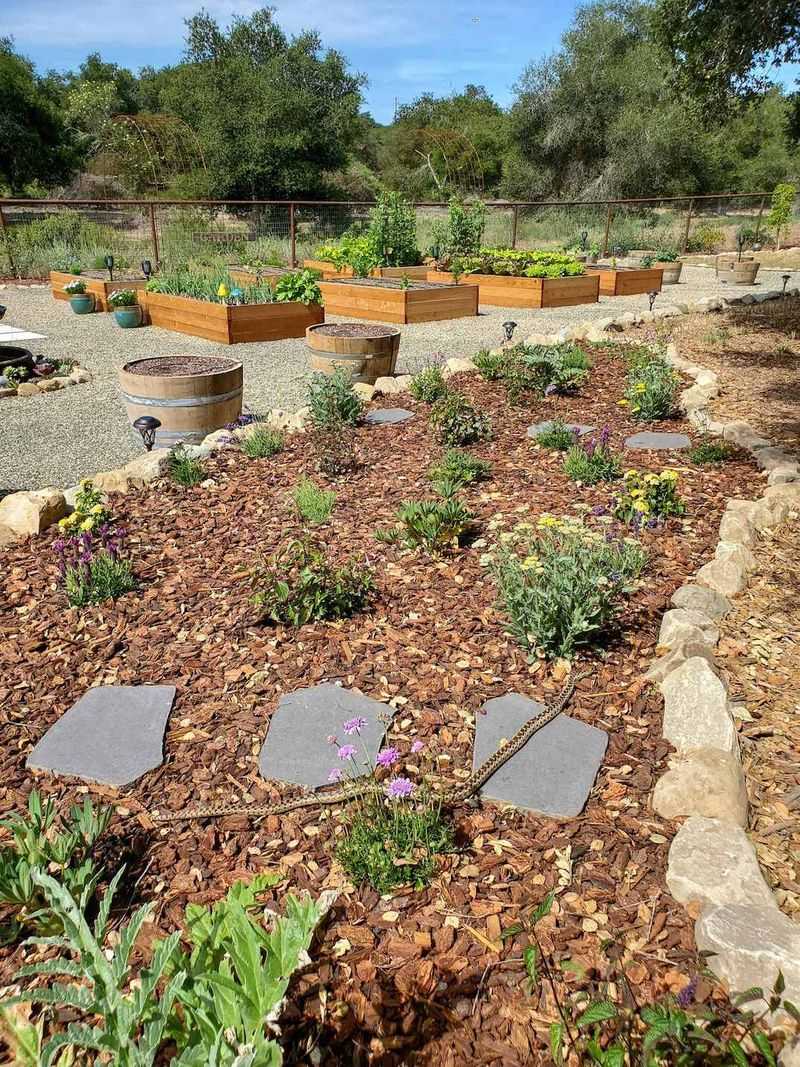
If you like the idea of making room for native wildlife, you do not need a big project. CDFW’s habitat account describes ring-necked snakes using leaf litter, herbaceous vegetation, and cover such as rocks and logs.
A modest step is to leave one corner a bit less tidy. Keep some leaf litter, a patch of low plants, or a few flat stones instead of clearing every inch.
This matches how the species is reported to use habitat, but it does not promise a snake will show up. Many things shape where wildlife settles, and the species is absent from parts of California altogether.
Keep your own safety needs in mind. In fire-prone areas, follow local defensible-space rules and keep cover away from the house.
Sheltered patches work best in spots where they do not conflict with those rules.
Use garden practices to address slug damage directly
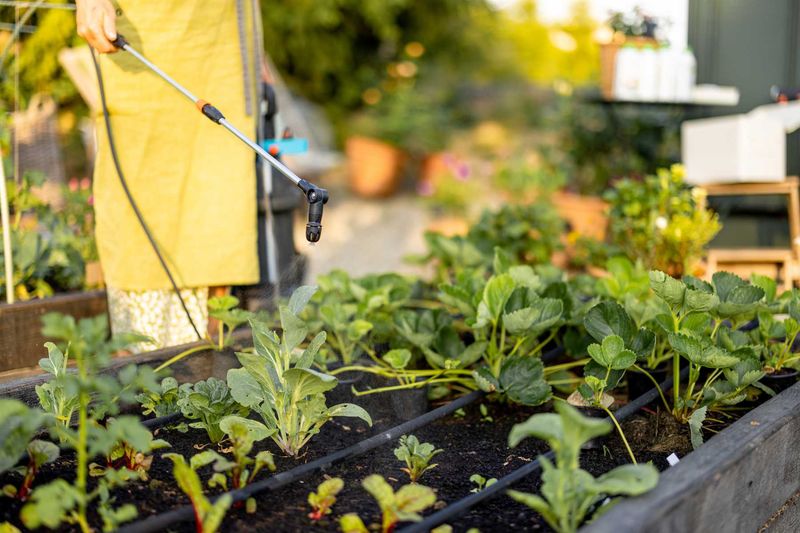
When slugs are shredding your seedlings, rely on proven garden steps. UC IPM recommends a mix of methods, including handpicking, traps, barriers, and changes to irrigation.
Handpicking works best when you go out in the evening or early morning with a flashlight, since slugs feed when it is damp and dark. Drop what you find into soapy water.
Traps can lure slugs to a spot where you can collect them. Barriers, such as copper bands around planters, can keep them off certain plants.
Moisture is a big lever. Water in the morning, cut back on frequent shallow watering, and fix leaks so the soil surface is not wet all night.
In a state with water limits, this saves water too.
Baits alone often fall short. UC IPM notes that pesticide baits do not give adequate control where food, moisture, and shelter stay plentiful, so pair any bait with the steps above.
Keep the focus on slugs. You do not need to attract or remove snakes to make these methods work.
Give the snake space and manage slugs directly
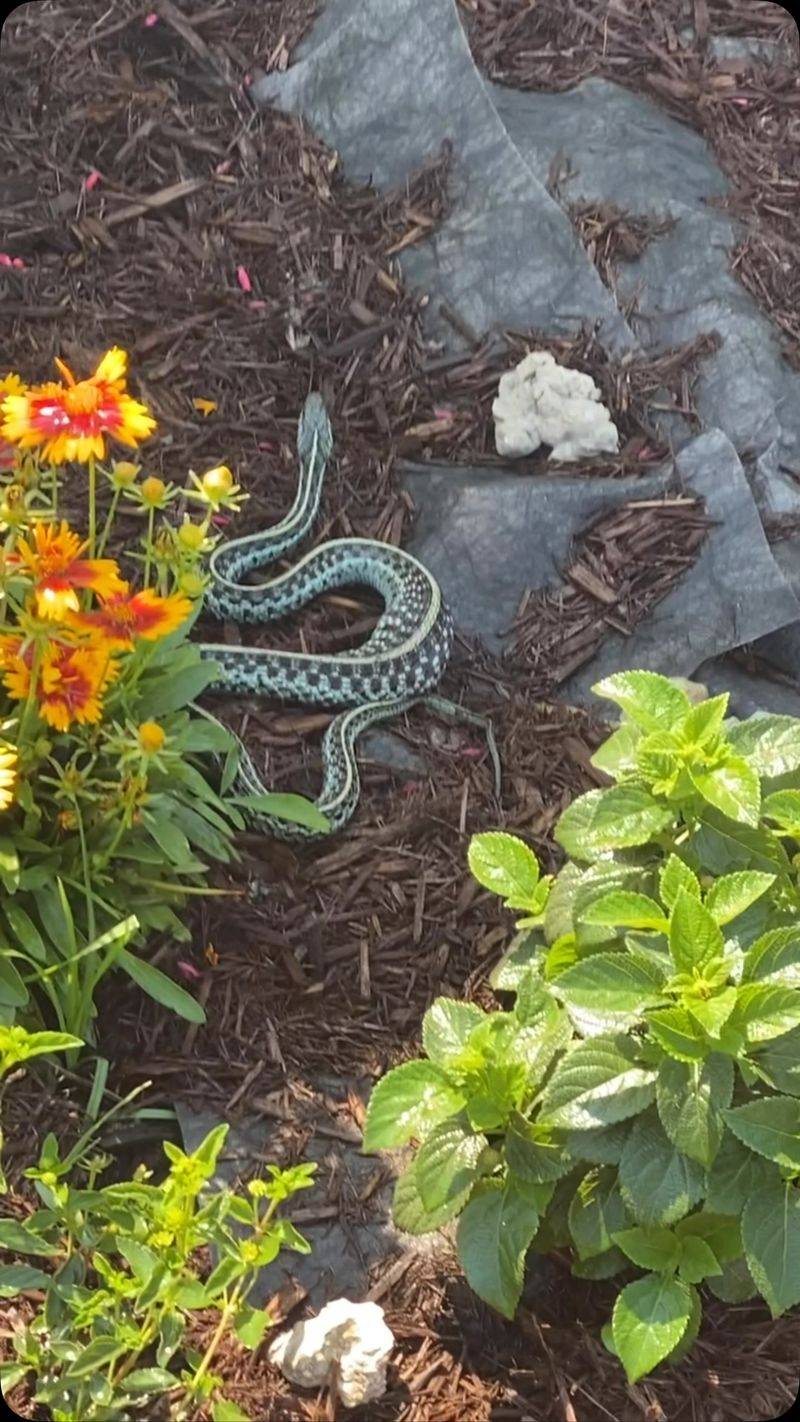
A ring-necked snake under a pot is believable, and slugs show up on California State Parks’ prey list. Neither fact makes the snake a reliable slug fighter.
Leave uncertain snakes alone, and use the handpicking, trap, barrier, and watering steps from UC IPM.
Some of your garden’s quietest neighbors do their work out of sight, and the kindest thing you can do is look first and lift slowly.