
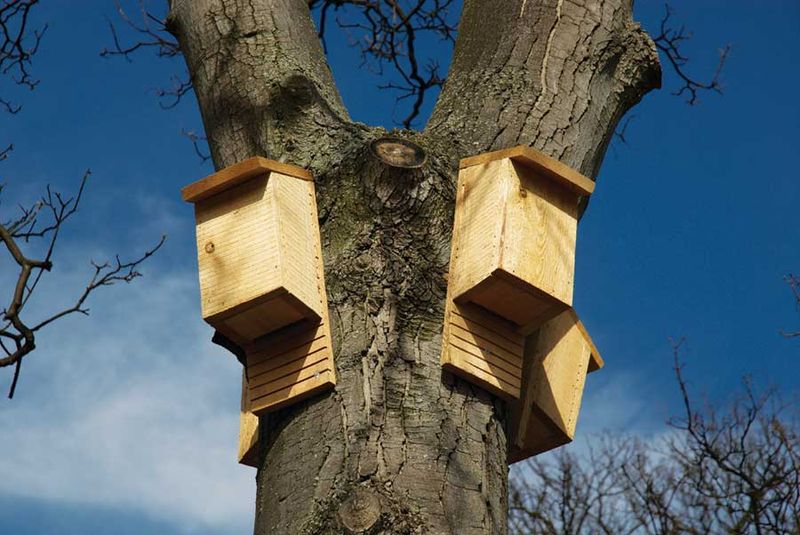
Bats swoop over North Carolina yards at dusk, and many people hope they are quietly eating the mosquitoes. A bat house can give some bats a place to rest, but it is not a proven way to cut mosquitoes at home.
Knowing the difference helps you build a better plan for your yard. Here is what a bat house can do, what it cannot, and what really helps with mosquitoes.
A bat house is not proven mosquito control
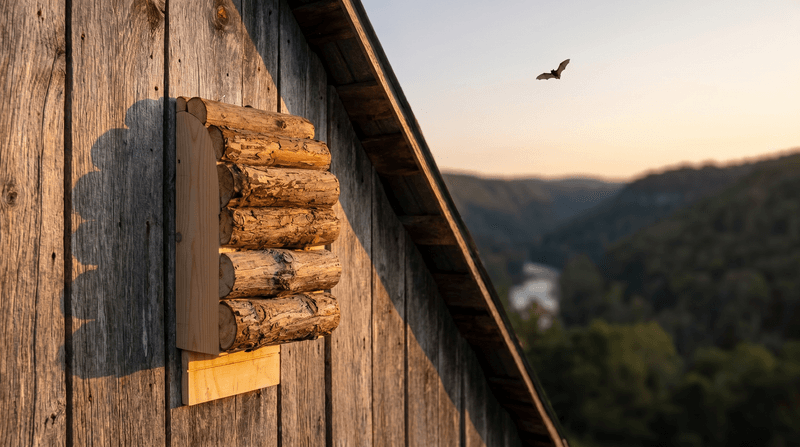
Bats do eat mosquitoes. A southeastern study of three bat species found DNA from 17 mosquito species in 180 droppings samples, including six that can carry viruses.
That is real proof that bats eat them.
But eating mosquitoes is not the same as lowering the number biting you. The researchers said more work is needed to learn whether bats change mosquito numbers or affect public health.
Nothing in that study shows that a bat house in one yard means fewer mosquitoes or fewer bites.
NC State Extension takes a similar view. It says bats and birds eat mosquitoes but generally do not have a significant impact on mosquito populations.
So a bat house should not be your main defense against bites or mosquito-borne illness.
You may have seen claims that more North Carolina homeowners are putting up bat houses to fight mosquitoes. The research reviewed for this article found no reliable data showing a rise in installations, or why people install them.
Treat that idea as a guess, not a fact.
So what is a bat house good for? The next section covers the habitat side of the story, which is where the real value lies.
A bat house offers roosting space to some North Carolina bats
Think of a bat house as an extra place to rest, not a replacement for wild roosts. North Carolina has 17 bat species, and they do not all live the same way.
Some gather in colonies in buildings, caves, or tight spaces, and those colonial bats are the ones most likely to use a box.
Others roost alone among leaves and branches. NC State Extension notes that solitary, foliage-roosting species may not use bat houses as regularly as some colonial species.
Putting up a box will not help every bat in your neighborhood.
Natural habitat still matters most. Bat Conservation International says not all species use artificial roosts and that bat houses cannot make up for the loss of intact habitat.
Old trees with loose bark, standing dead trees where safe, and woodland edges all help bats.
If you like the idea of giving bats a little more shelter, a house can be a thoughtful addition. Just remember that it offers an opportunity, not a guarantee that bats will move into your yard.
Design for safe flight and North Carolina heat
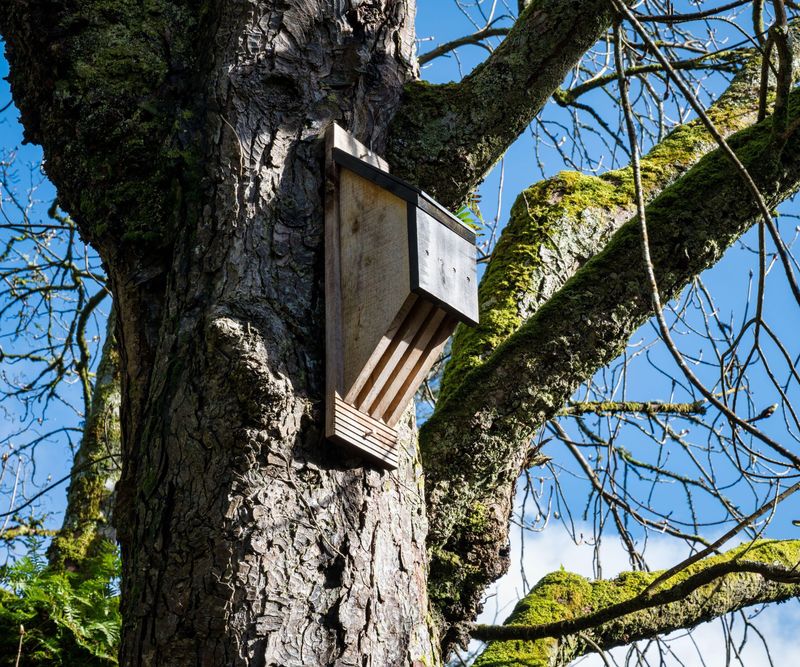
A bat house that is built poorly can do more harm than good. Current Bat Conservation International guidance favors tall, multi-chamber designs with untreated, rough wood inside so bats can grip.
It says not to attach mesh, and to leave open space below the entrance so bats can drop and take flight.
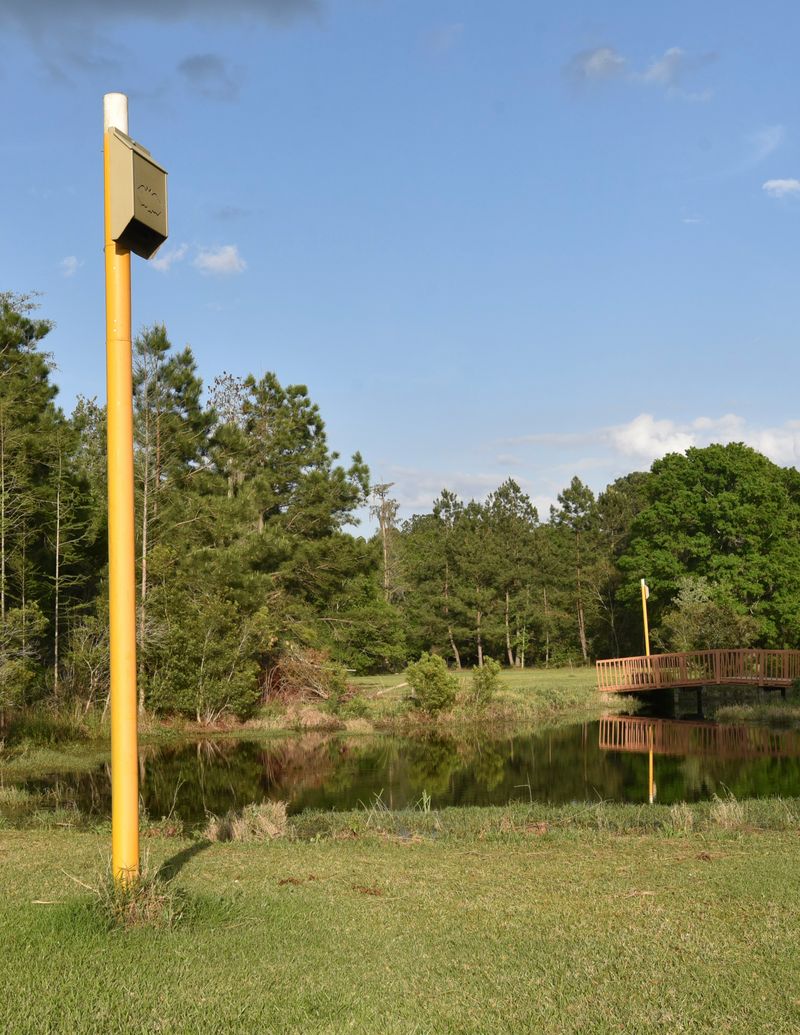
Where you mount it matters too. Higher is better, ideally on a building or a pole rather than a tree, and out of easy reach of cats, raccoons, and snakes.
A smooth metal pole or baffle can make climbing harder for predators.
Heat is a serious risk in the South. Overheating can be lethal to bats, so one color or direction will not suit every yard.
A house in open sun on the coastal plain faces different conditions than one in a shaded Piedmont yard.
Look for climate-appropriate color, good ventilation, and some shade during the hottest part of the day. If you can, put up paired houses with different microclimates so bats can pick the temperature that suits them.
Be careful with copied plans. Some older ones, including a few that suggest interior mesh or dark paint, do not match newer guidance.
A good design improves the odds, but it cannot promise bats will come.
Occupancy can take time and is never guaranteed
Patience is part of the deal. NC State Extension says bats may take up to two years to find a house.
Some boxes stay empty for a long time, and some never get visitors.
You may hear that about 60% of bat houses get occupied. That number comes from the boxes surveyed, so it describes those boxes, not your odds.
Your yard, your nearby habitat, and your neighbors’ roosts can all change the outcome.
An empty house does not automatically mean you did something wrong. Check that it still follows current guidance on height, heat, and open flight space, then give it time.
Make changes slowly and avoid constant fiddling.
Also keep the goal in mind. If bats do move in, that is a win for habitat.
It still does not prove the house is reducing mosquitoes around your patio, so keep your mosquito plan separate.
Manage standing water and screens for practical mosquito prevention
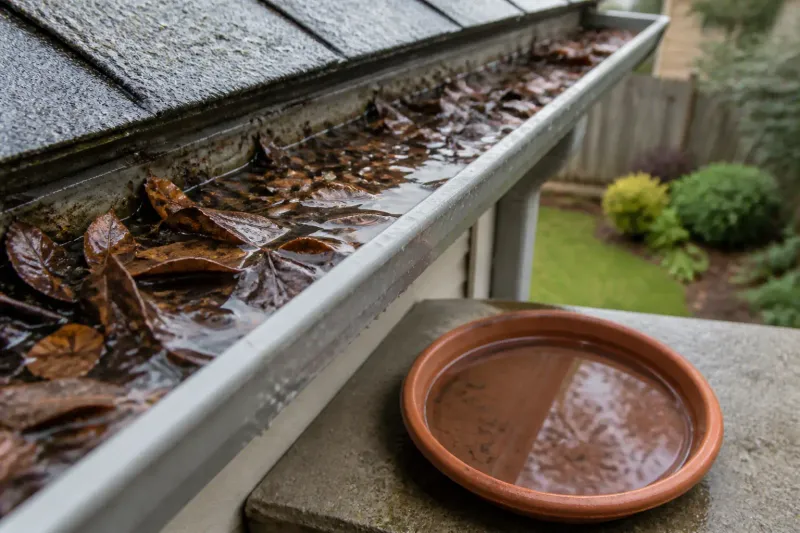
If mosquitoes are the problem, start with water. The CDC advises weekly emptying, scrubbing, covering, turning over, or discarding anything that holds water.
Think buckets, toys, plant saucers, birdbaths, and old tires.
Mosquito eggs can hatch in very little water, so a quick walk around the yard each week pays off. Gutters and tarps that sag and collect rain are easy to miss.
Next, fix any torn window or door screens so mosquitoes stay outside. For water you cannot empty or cover, the CDC says to use larvicides only as directed on the label.
These steps work better than hoping bats will handle it, because they go after mosquito breeding at the source. A bat house offers habitat, and its pest-control effect is uncertain.
Timing matters as well. The Asian tiger mosquito is common in North Carolina, and NC State Extension describes it as an aggressive daytime biter.
A dusk-feeding bat would not address those daytime bites, so emptying water and keeping screens in good shape stay useful well into fall.
Protect bats and people when bats occupy a structure
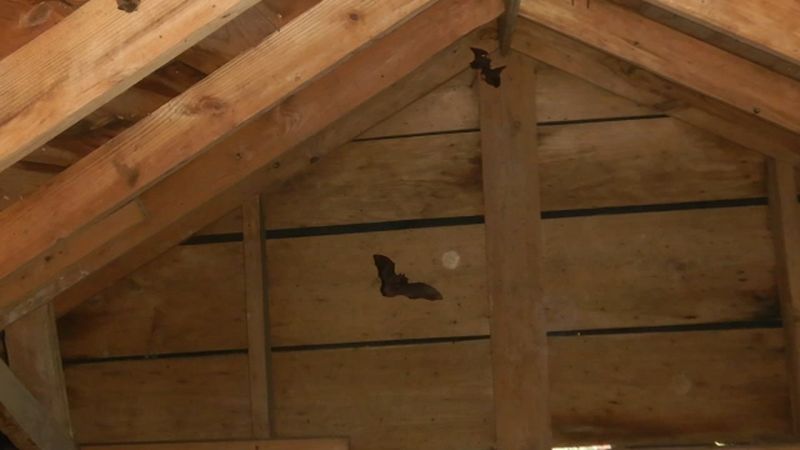
Finding bats in a house or shed calls for care. North Carolina has a May 1 to July 31 moratorium on bat evictions during pup-rearing season, when young bats cannot yet fly.
That rule covers evictions from structures. It does not stop you from installing a bat house.
Do not try to remove bats yourself. This article does not offer do-it-yourself eviction steps, because mistakes can harm bats and people.
Contact a licensed wildlife professional or the Wildlife Resources Commission for guidance.
Never handle a bat. The CDC advises avoiding contact and speaking with a healthcare professional or your local health department if someone may have had direct exposure.
That includes waking up to find a bat in the room.
Choose a bat house for habitat, not a bite-free yard
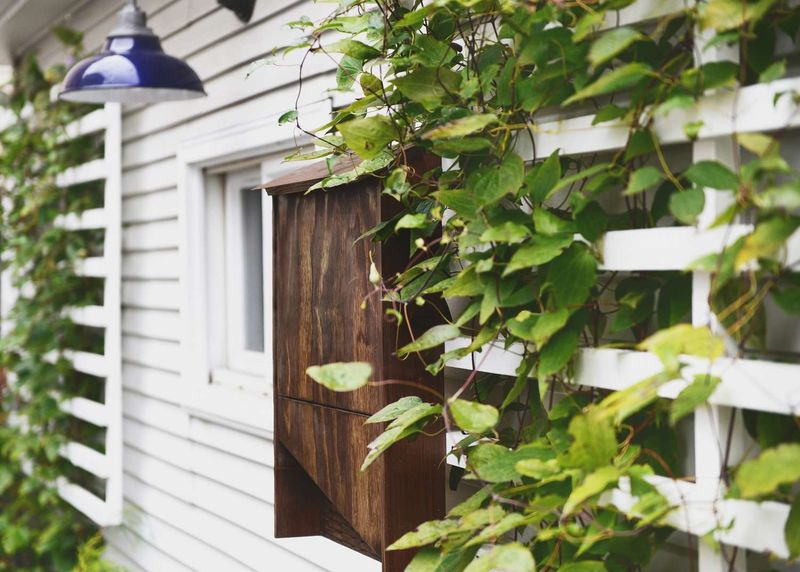
A well-designed, well-placed bat house is a fair choice if you want to give some bats a place to roost. Just do not count on it to control mosquitoes.
For fewer bites, keep emptying standing water each week and keep screens repaired. Do both, and you support wildlife without leaning on a hope.
A bat house is a gift to the neighborhood, not a bug zapper.