
That woody rosemary bush by your back door can look fine in November and sad and crispy by February. Cold weather is a common reason, but it is not the only one, and brown needles do not always mean the plant is gone.
A little planning before a forecast freeze can lower the odds of damage. Here is how to read the clues and give your rosemary its best shot.
Why rosemary may turn brown after winter
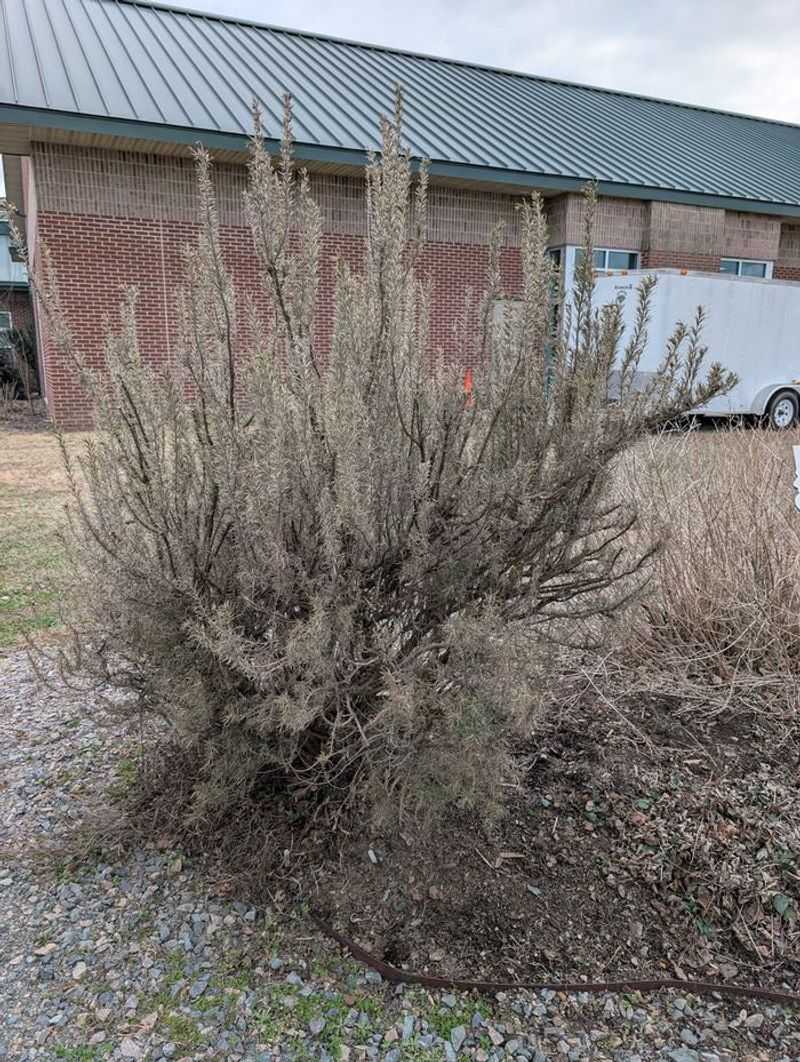
Brown rosemary is a symptom, and more than one thing can cause it. Cold is a real risk, because Nebraska Extension notes that temperatures below a plant’s cold tolerance can kill it.
The same source also calls wet, poorly drained winter soil a major threat.
Dry conditions can play a part too. An Extension answer on rosemary bushes says cold snaps and soggy soil can both cause dieback, and dry weather may make winter injury worse.
Often, several of these stresses overlap.
Damage also varies a lot. A hard freeze may brown some plants badly and barely touch others, so not every rosemary left outside will turn brown.
Even brown foliage does not prove the whole plant has died. The next sections help you size up your risk and prepare before cold arrives.
Your local cold and planting site shape the risk
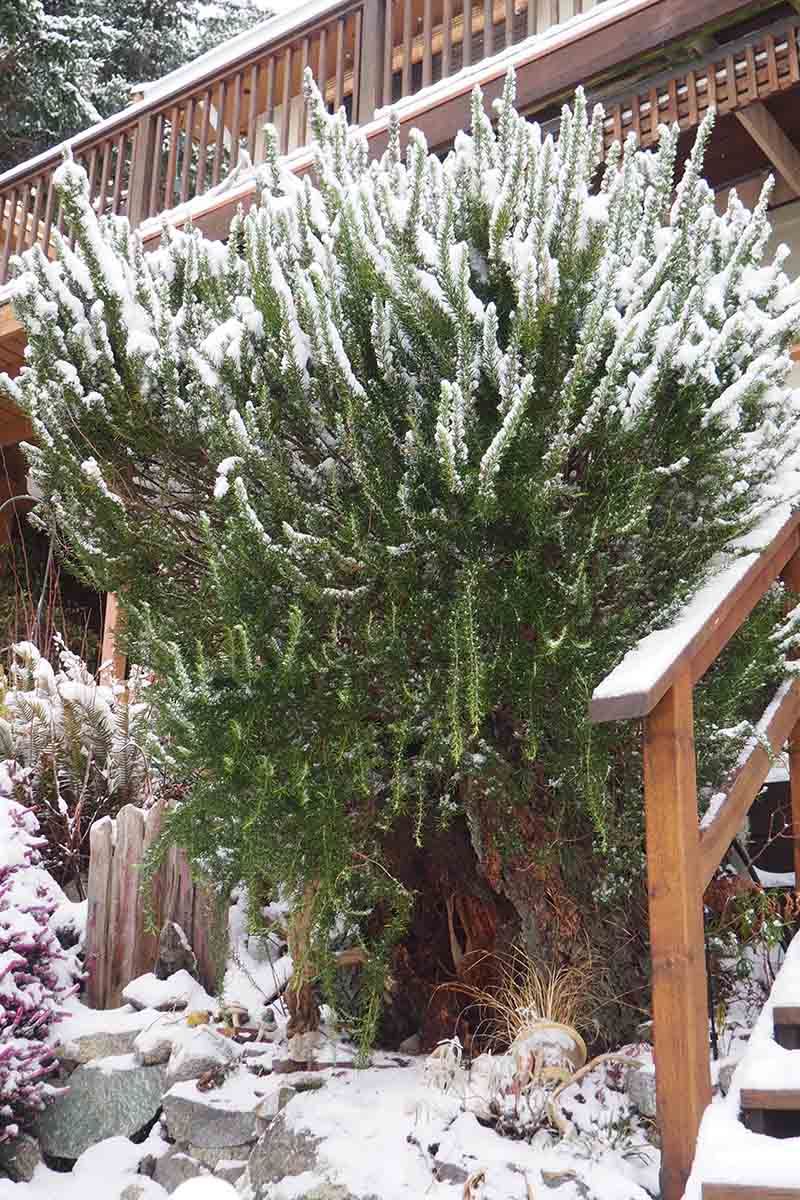
Cultivar matters. Nebraska Extension lists ‘Arp’ as one of the more winter-hardy types, around Zone 6, while common rosemary is generally less reliable in colder climates.
Illinois Extension also treats rosemary as tender in colder areas. Zone numbers are approximate, and ‘Arp’ is comparatively hardy, not invulnerable.
Your region changes the picture. UF/IFAS says rosemary can grow year-round in Florida, though colder parts of the state may need freeze protection.
In Texas, Texas A&M guidance says healthy rosemary can tolerate a light freeze.
A light freeze is not a hard or prolonged one, so neither claim promises survival in a severe cold snap. Check your typical winter lows, note which cultivar you have, and look at where the plant sits.
A spot near a warm wall or in well-drained soil may carry less risk than a low, soggy corner.
Well-drained beds can reduce avoidable stress

Sun and drainage are the foundation. UF/IFAS says rosemary prefers dry conditions and struggles when watered too often.
If your soil stays soggy after rain, that is a risk worth fixing before winter.
Texas A&M recommends raised or slightly mounded beds for better drainage. A low mound of well-draining soil lets extra water move away from the crown and roots.
Skip the habit of frequent watering that keeps the soil wet.
A sheltered spot, such as one beside a house wall, may reduce exposure to winter weather. Wind and dry conditions can add to winter injury, as the Extension answer notes, but they are not the only cause.
None of this makes rosemary freeze-proof. It simply removes stresses you can control.
A cloth cover may help during a short freeze
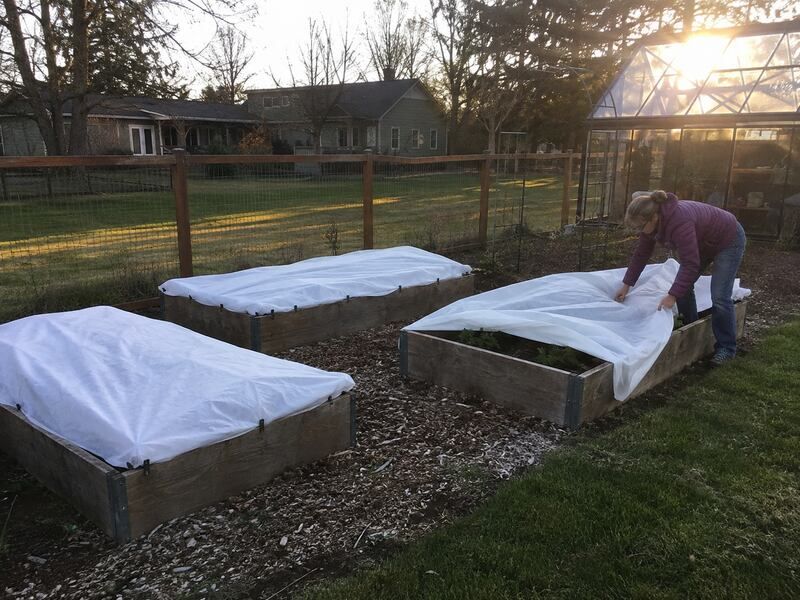
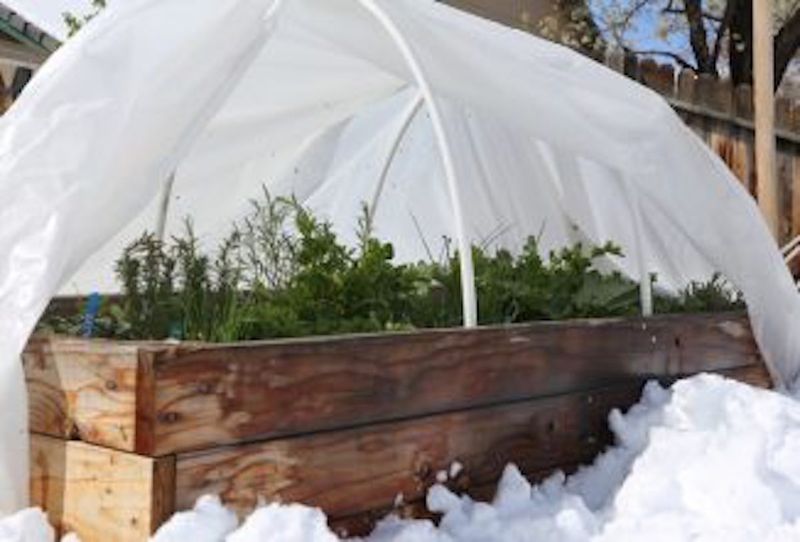
When a short frost or freeze is in the forecast, a cover can take the edge off. UC IPM advises covering sensitive plants overnight with cloth or similar material, not plastic.
Leave the bottom open so warmth from the soil can reach the plant. Drape the cloth loosely, using stakes if needed, so it does not crush the stems.
Then take it off during the day so the plant gets light and air.
Keep expectations realistic. Covering alone is of little help during an extended freeze, so do not count on it to carry rosemary through a hard or prolonged cold event.
It is best treated as a one-night tool.
Skip the heavy watering before a freeze and do not run sprinklers. Those are specialized methods, and flooding can hurt plants.
Move potted rosemary to a protected place
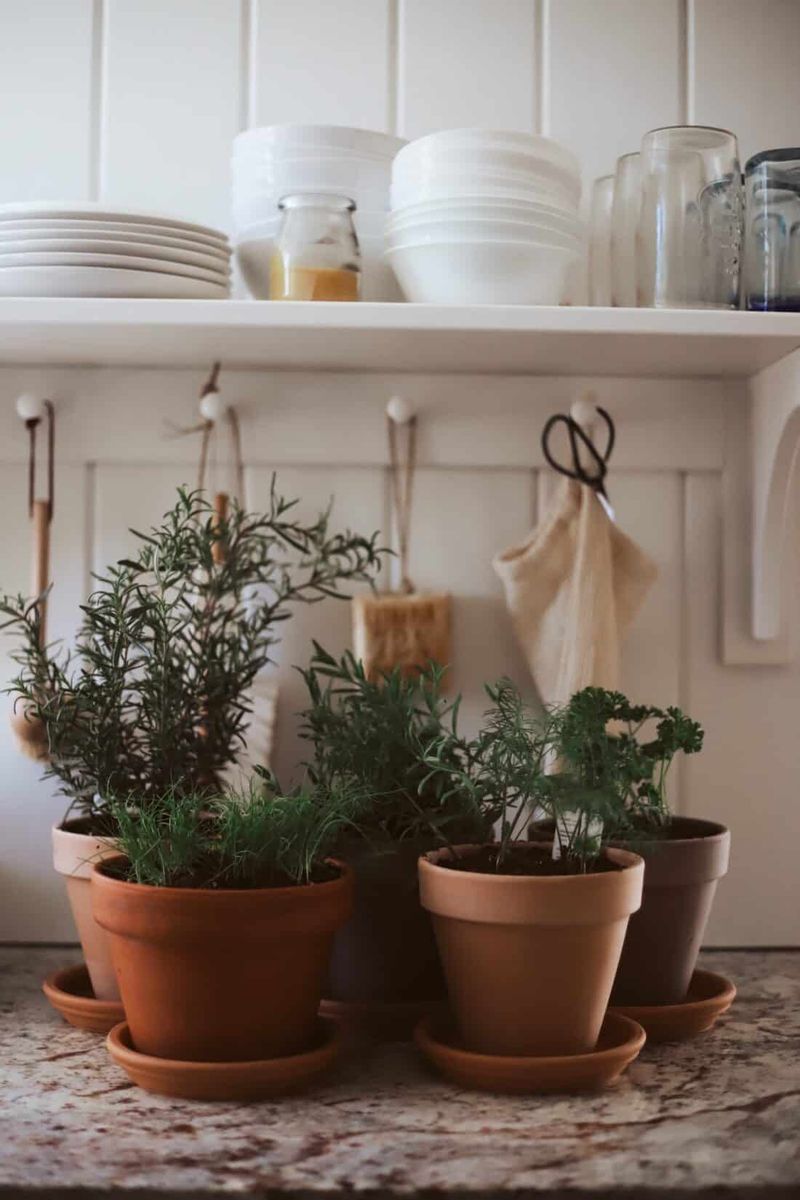
Containers have one big advantage: you can move them. UF/IFAS points to moving container-grown rosemary to a protected location when cold is coming.
A garage, covered porch, or spot against a warm wall can cut exposure.
Pots lose heat faster than ground soil, so a pot left in the open is often the more exposed plant. Moving it works better than relying only on a cover, though you can still use cloth as described by UC IPM for a short cold event.
Let the local forecast set your timing. Move the pot a day or so ahead of a freeze, not on a fixed date.
Moving a pot lowers risk but does not guarantee survival, especially if the cold is severe or long.
Give indoor rosemary bright light and careful watering
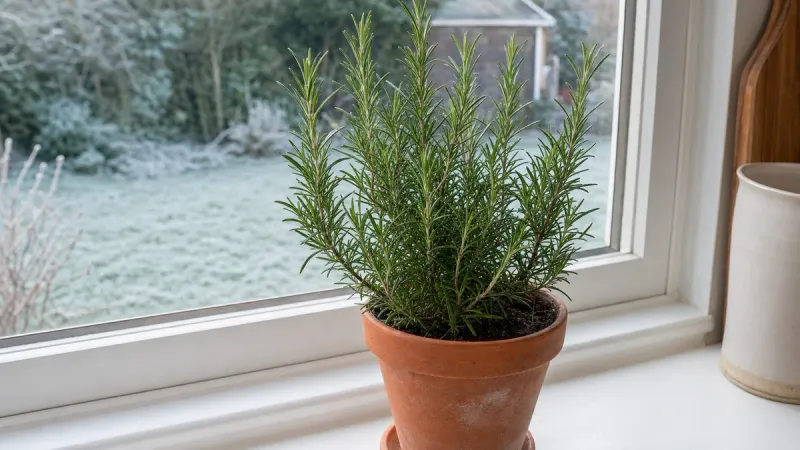
Indoors, rosemary wants light and cool air. Choose the brightest, coolest room you have, such as a sunny window in an unheated spare room.
Warm, dim spots tend to leave the plant weak.
Watering takes a light touch. UNH Extension recommends watering only when the potting mix is very dry, since both drought and too much moisture can cause problems.
Poke a finger deep into the mix before each watering.
Do not keep the mix constantly wet. UF/IFAS notes rosemary suffers when watered too frequently.
At the same time, avoid letting it dry out hard for weeks, because severe drought stress can harm it too.
Use a pot with drainage holes and empty the saucer after watering. Move the plant back outdoors only after the cold risk has passed.
Wait for new growth before pruning
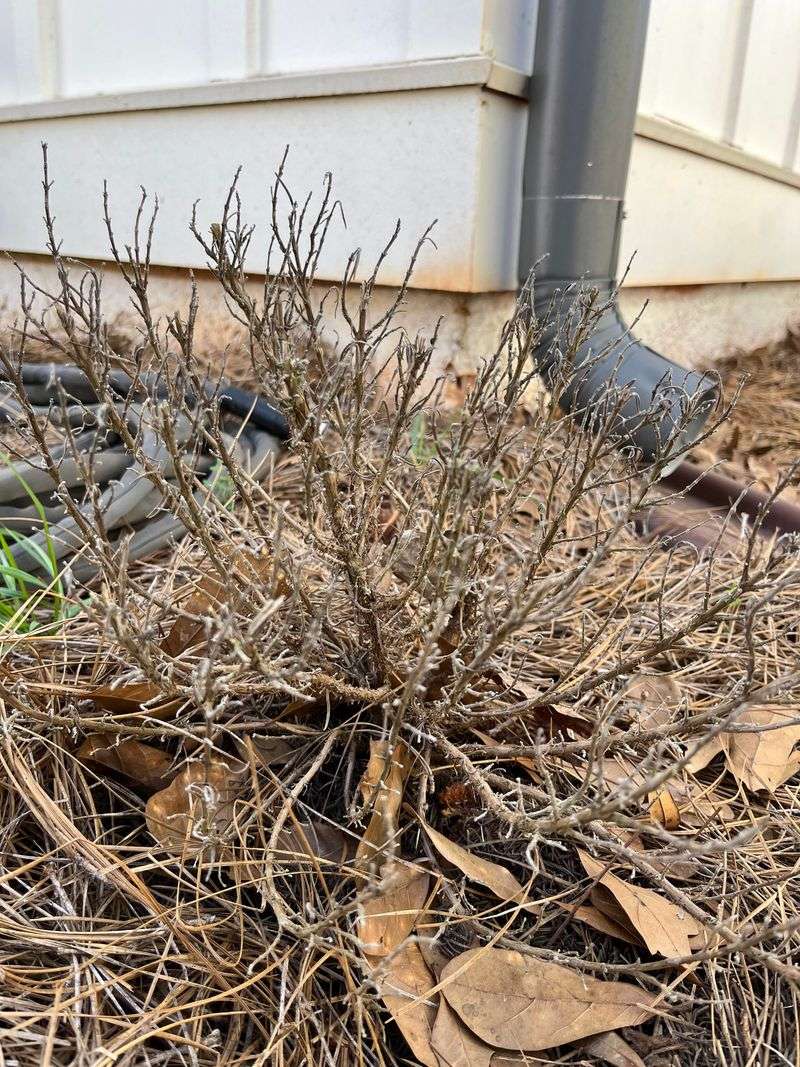
Brown, brittle stems are tempting to cut right away. Hold off.
UC IPM recommends delaying pruning until dead tissue is clear, preferably after growth resumes.
Brown foliage does not prove the whole plant is dead. As the Extension answer suggests, a rosemary can look damaged while some stems are still alive.
Watch for new green shoots, then trim back to just above them. A gentle scratch on a stem showing green beneath the bark is another clue.
Preparation lowers risk, but it cannot promise survival through severe cold. Patience gives a stressed plant the best chance to show you what it kept.