
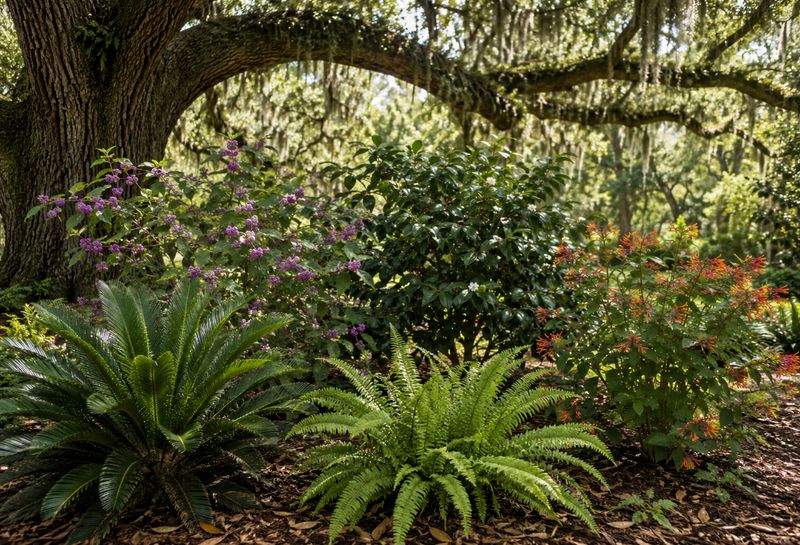
A flash of wings beside orange-red flowers can turn an ordinary Florida yard into a favorite place to watch wildlife. Firebush brings bright blooms and nectar, but where you plant it makes a big difference.
The right spot gives this native shrub room to grow and helps it produce more flowers. These eight planting locations can keep the color coming through the warm months, with a longer show in frost-free parts of Florida.
1. A Full-Sun Backyard Border
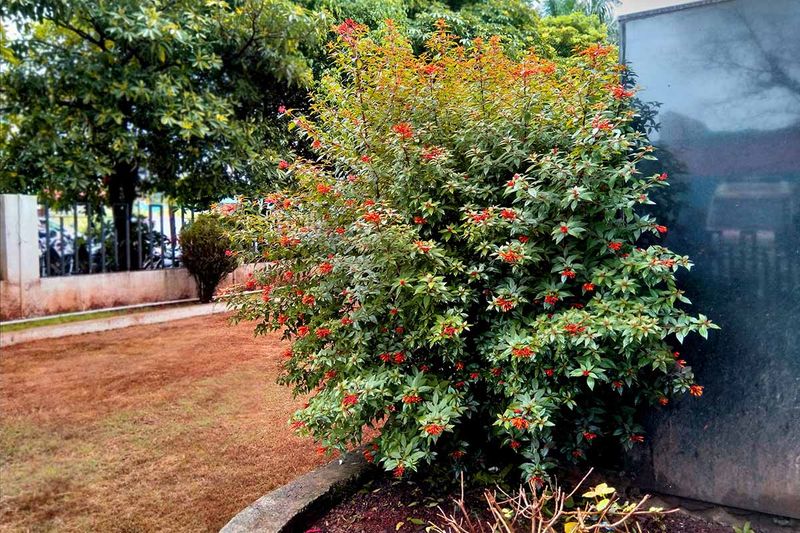
More sunshine usually means more flowers, making an open backyard border the strongest starting point for firebush. Choose a bed with at least six hours of direct sun, where the shrub can grow without crowding a walkway or blocking a window.
Look for Florida-native firebush, Hamelia patens, from a nursery that can confirm its origin. Some plants sold under the firebush name are nonnative forms or hybrids, so a label alone may not tell the whole story.
Native firebush commonly reaches 5 to 10 feet tall and may grow larger in frost-free South Florida. Place it far enough from neighboring plants to allow for its expected mature width rather than planning to keep it small with constant clipping.
Water the root ball regularly while the shrub becomes established, adjusting for rain and soil moisture. Once rooted, firebush handles Florida’s sandy soil and dry spells well, although severe drought can slow flowering.
Keep the outline loose and natural. Frequent shearing removes flowering tips and turns a generous nectar source into a shrub with far fewer blooms.
2. Outside a Screened Porch or Patio
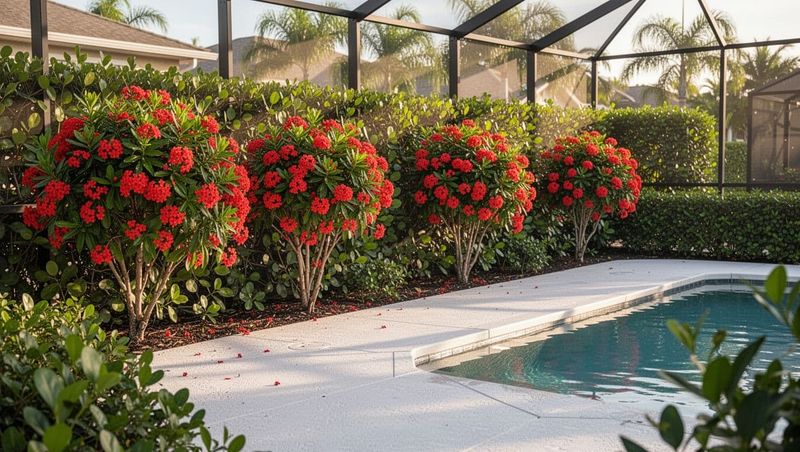
Your best hummingbird seat might already be on the porch. A firebush planted outside a screened sitting area brings flowers close enough to enjoy without putting a large shrub inside your outdoor living space.
Pick the sunny side of the enclosure and leave enough clearance for mature branches. The plant should not rub against screening, lean over furniture, or block the route used to clean and repair the lanai.
Before digging, watch the site during a summer rain. Roof runoff can turn a narrow bed into a temporary stream, and firebush is better suited to soil that drains than a spot that stays soggy.
Set the shrub where you can see its outer flowers from a chair, not just its leafy base. A position slightly to one side of the main view often works better than placing it directly in front of a doorway.
Let the blooms do the attracting, but keep expectations realistic. Hummingbird visits depend on season, local habitat, and migration, so even a well-placed firebush will not guarantee daily visitors.
3. Along a Sunny Fence With Room to Spread
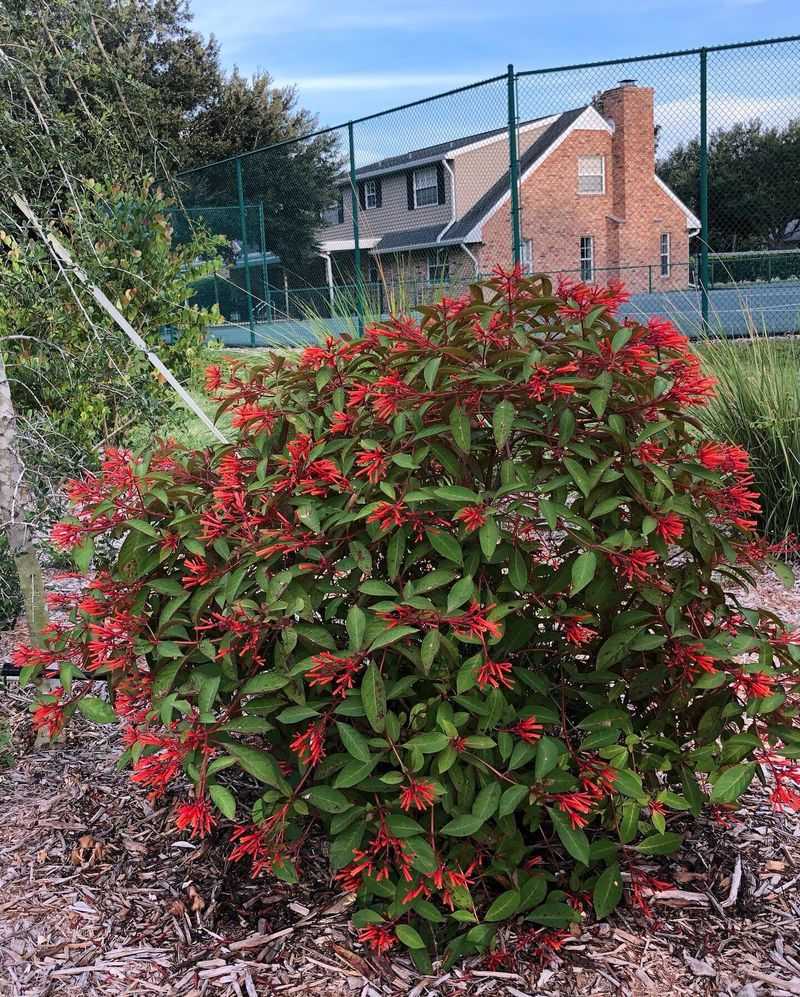
A bare fence can become a flowering backdrop instead of a wall you try to hide. Firebush works well along a sunny property edge when it has room to form a loose screen rather than a tightly clipped hedge.
Measure the planting strip before buying several shrubs. Allow for each plant’s mature spread and leave access to fence posts, gates, and any utility equipment that needs service.
Keep the plants far enough forward that branches can grow without pressing against the fence. A narrow gap between lawn and fence is usually better suited to smaller plants than full-size native firebush.
For a relaxed screen, space shrubs according to the mature width listed by the nursery. Wider spacing produces distinct flowering plants, while closer spacing fills the view sooner but can create more pruning work.
Hummingbirds sometimes defend a rich feeding patch, so a row does not mean many birds will feed together peacefully. If your yard allows it, add another nectar planting elsewhere, separated by distance or a visual barrier, rather than putting every flower in one line.
4. The Bright Edge of a Tree Canopy
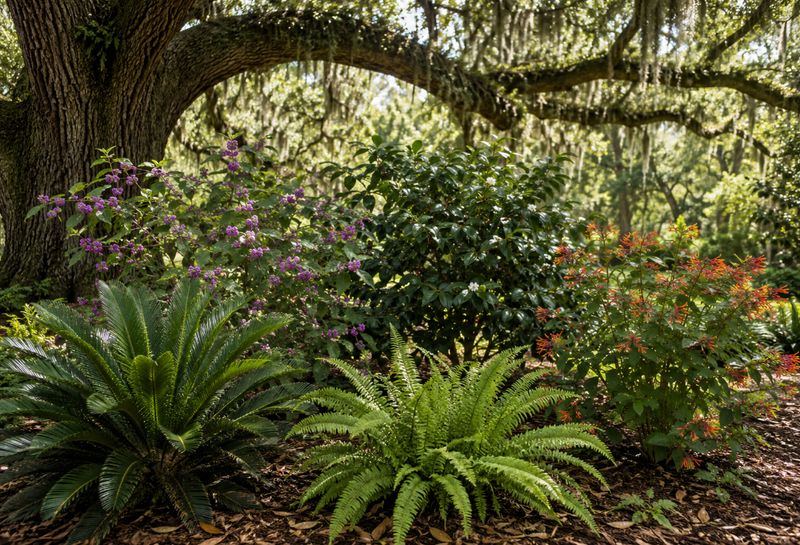
Not every good planting spot needs all-day sun. At the bright edge of a tree canopy, firebush can soften the change from open lawn to a shaded garden while still offering useful flowers.
The key is choosing the edge, not the dark space beside the trunk. Several hours of direct sunlight support better flowering, while deep shade usually produces a leggier shrub with fewer blooms.
Watch how shadows move before settling on a location. A bed that looks bright in winter may become heavily shaded when nearby trees fill out or the sun changes position.
Dig carefully around established trees and move the planting hole if you encounter major roots. Do not cut large roots or raise the soil level over them just to fit in another shrub.
Tree roots also compete for water, so check the firebush root ball during establishment rather than assuming nearby irrigation is enough. Keep mulch away from both the shrub’s stems and the tree trunk, and expect a more open shape than you would get in full sun.
5. The Back of a Native Pollinator Bed
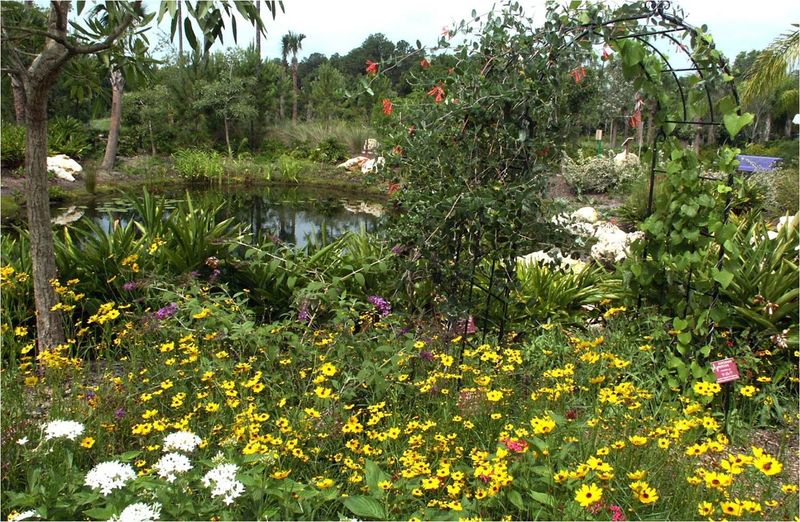
Think of firebush as the tall anchor in a garden built for small visitors. At the back of a sunny pollinator bed, its height adds structure while shorter flowers keep the front colorful and easy to see.
Pair it with Florida natives that suit your region and growing conditions. Scarlet sage can provide another tubular flower, while sunshine mimosa may suit a sunny, well-drained edge where its spreading habit is welcome.
Leave enough space between the firebush and its companions for each plant to reach its normal size. Tiny nursery pots can make a new bed look empty, but filling every gap at planting time often leads to crowding later.
Choose companions with different bloom periods rather than relying on one shrub for the entire show. Firebush flowers for a long warm season, but frost, drought, or pruning can interrupt its display.
Avoid routine broad-spectrum insecticide sprays around the bed. Hummingbirds eat small insects as well as nectar, and a healthy planting supports more wildlife when flowers, leaves, and nearby shelter are managed together.
6. A South-Facing Bed Sheltered From Cold Wind
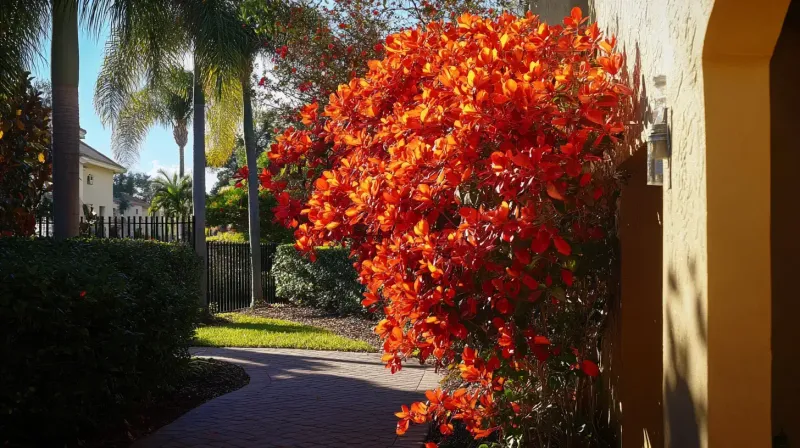
One cold night can end a flower show that seemed ready to last forever. In inland Central Florida and North Florida, a sunny, sheltered location can give firebush a better setting than an exposed corner swept by winter wind.
A south-facing bed near a building may offer a warmer microclimate, provided the plant gets enough light and has room to mature. Keep branches clear of siding, windows, air-conditioning equipment, and access routes.
Shelter does not make firebush frostproof. Freezing weather can damage the top growth or kill it back to the ground, and recovery depends on the severity of the cold and local growing conditions.
In colder parts of Florida, spring planting gives roots a longer warm period to establish before winter. Avoid pushing tender new growth with heavy fertilizer applications late in the season.
After freeze damage, wait until the risk of further cold has passed and new growth helps reveal what survived before making major cuts. Treat this location as a way to improve the odds of a longer display, not a promise of year-round flowers.
7. The Upper Edge of a Rain Garden
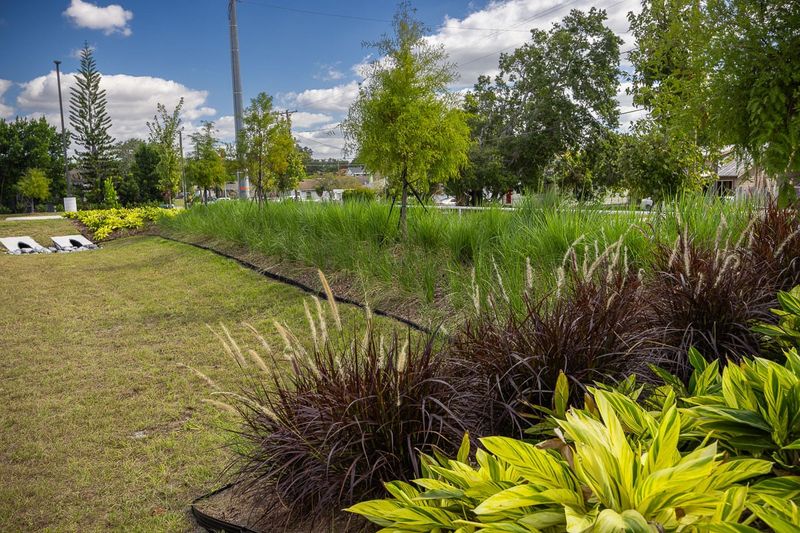
After a Florida downpour, a few feet of higher ground can make all the difference. Firebush belongs on the well-drained upper edge of a rain garden, not in the low basin where water collects longest.
That position lets it contribute height and color without asking its roots to tolerate prolonged saturation. Use plants suited to wetter conditions in the basin itself, matching each plant to how long that part of the garden stays wet.
Observe the site through several storms before planting. If the proposed firebush spot remains soggy or holds standing water, move it farther uphill or choose a different location.
Set the root ball at the proper depth, with its top level with or slightly above the surrounding soil. Do not bury the stem base or pile mulch against it, and avoid creating a planting hole that traps runoff.
Even beside a rain garden, a newly planted shrub may need watering between storms. Check moisture in the root ball rather than judging by the wet-looking surface nearby, especially in Florida’s fast-draining sandy soils.
8. A Sunny Island Bed Away From Busy Paths
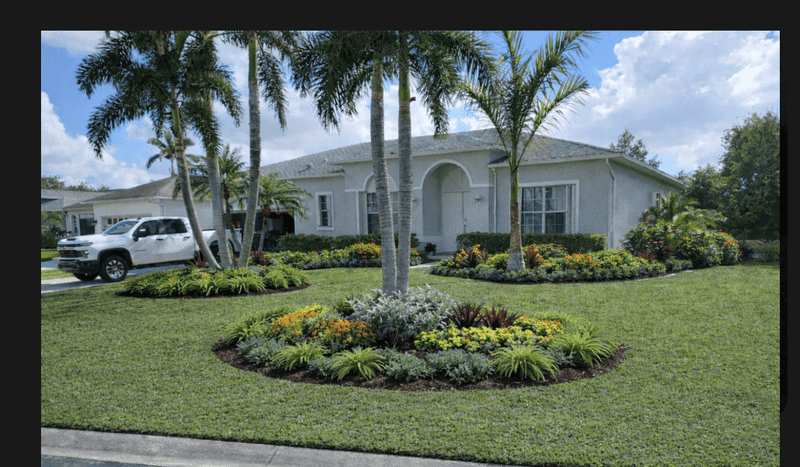
Give firebush its own stage, and its natural shape becomes part of the appeal. A broad island bed in an open lawn lets you enjoy the flowers from several directions without squeezing a large shrub beside the front steps.
Choose a sunny location well away from driveway exits, street corners, septic components, and underground utilities. Check utility locations before digging, and keep the plant’s eventual height out of required sightlines.
Make the bed large enough for mature branches to remain inside its edges. That simple step reduces mower damage, keeps flowers out of pedestrian space, and saves you from repeatedly cutting the shrub back.
A low border of region-appropriate native plants can help the island look finished while the firebush grows. Keep the trunk area open, and use a modest mulch layer to limit weeds without burying the stems.
An island bed also makes maintenance easy to judge: you can walk around the shrub, spot broken branches, and water the root zone directly. For homeowners with enough open space, it offers a bold focal point without sacrificing the plant’s loose, flower-filled form.