
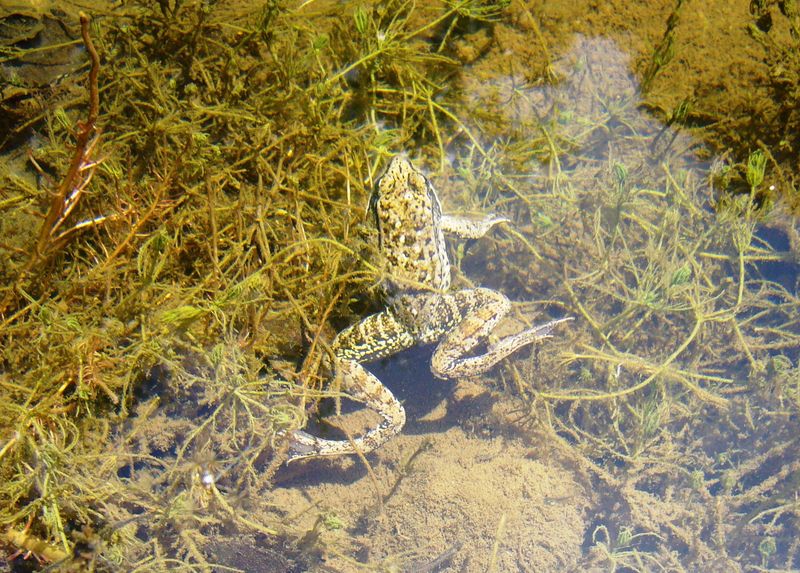
A toad hopping across your patio at dusk is a good sign that your yard has a bit of wild life in it. Many California gardeners want to help these small neighbors, but they worry about adding a ppool of water that mosquitoes might love.
The good news is that you can make simple choices that help toads already nearby. The trick is knowing what toads need, what they do not do, and how to handle any water you put out.
Toads can contribute to pest control, but they are not a plan
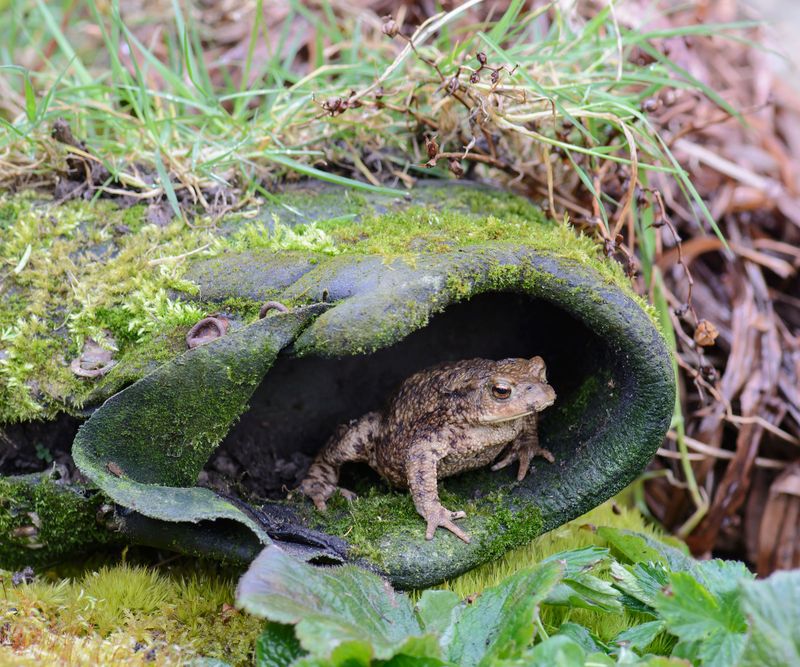
Spot a toad near your lettuce at night, and it is tempting to hire it as a full-time pest crew. Toads do have a place in the garden food web.
UC IPM lists toads among the natural enemies of garden snails and slugs, alongside predators such as birds, beetles, and snakes.
That list comes with a big caution. UC IPM says natural enemies are rarely enough on their own to give satisfactory control.
A toad eating a slug here and there does not mean one toad will shrink a heavy infestation. Seeing a toad in your yard is a nice bonus, not a pest management strategy.
Cutworms need a separate note. The sources reviewed for this article do not back up the idea that toads reliably control them.
UC IPM cutworm guidance points to other natural enemies and says biological control is typically not enough to prevent crop damage, so plan on direct steps for those pests.
A fair way to think about it: toads are part of the neighborhood, not the pest crew. If you keep that in mind, you can enjoy them and still protect your seedlings.
The rest of this article covers how to give toads a friendly yard without creating a new mosquito problem, and what to do when plants get chewed anyway.
A garden refuge is not toad breeding habitat

Providing a spot where a toad can rest is one job. Providing a place where toads can breed is a very different one.
California has several native toad species, and their needs are not the same.
The California toad, described by California Herps, ranges widely across the state. The arroyo toad is much pickier.
The U.S. Fish and Wildlife Service describes it as depending on specific stream and breeding-pool conditions.
What suits one species cannot be assumed for all of them.
That is why a small water dish should not be treated as a stand-in for the natural waters some toads need to reproduce. It is not a breeding pond, and it will not turn your yard into one.
Standing water in a dish also has a downside. UC IPM notes that mosquitoes lay eggs in water-holding containers, so a dish can become mosquito breeding habitat unless it is maintained.
Later sections cover how to handle that.
Keep your goal modest and clear: support the wildlife that already passes through. Do not collect, buy, or move toads to stock a garden.
If you have questions about a specific species near you, contact local wildlife authorities.
Ground-level cover gives a refuge somewhere to start
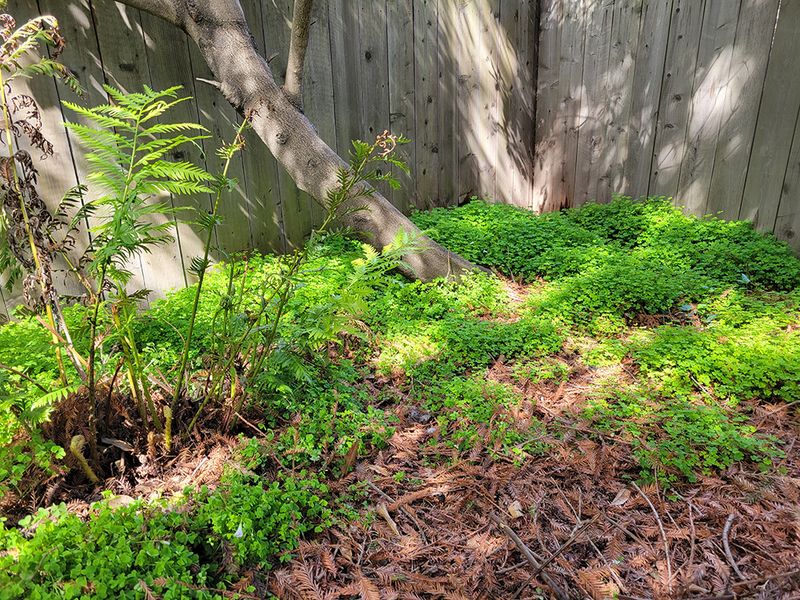
Toads spend much of their time on the ground, so think low. Extension guidance from Oklahoma’s wildlife department recommends native ground cover and leaf litter as habitat for amphibians and reptiles.
Both give cover from sun and from predators.
In a California yard, that could mean letting fallen leaves stay under shrubs and trees instead of bagging every one. It could also mean planting a low native ground cover along a shady border, where the soil stays a little cooler and damper.
Wildlife-friendly planting helps as well. UC ANR suggests wildlife-friendly plants and less manicured lawn as general habitat practices.
Choose plants suited to your area and water them sensibly, since California summers are long and dry.
A less tidy patch can be simple. Pick one back corner, skip the mowing and raking there, and let low plants and leaves build up.
Keep it away from structures if you live in a fire-prone area and follow local defensible-space rules.
None of this guarantees a toad will move in. These are supportive conditions that may make your yard more welcoming to wildlife passing through, and they cost very little.
The mosquito safeguard is an empty-and-scrub routine
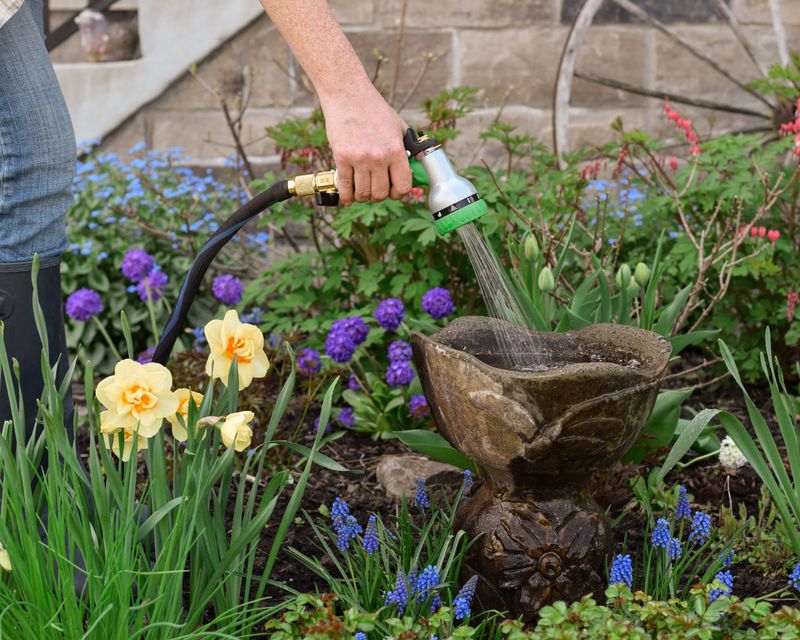
Here is the water detail that matters most: if you offer a small container of water, empty and scrub it twice a week. In warm weather, that works out to about every three to four days.
Put it on your calendar the way you would a watering day.
The timing matters because mosquitoes develop in water, and they can be quick about it. UC IPM says that in summer the mosquito life cycle can be completed in a week or less, depending on water temperature.
Some general advice says to change water weekly, but in warm California weather, a shorter interval is the more cautious choice.
Scrubbing is the other half. California mosquito guidance explains that eggs of some species stick to container walls above the waterline.
If you only top up the water or dump it, those eggs can stay behind and hatch when water returns. Los Angeles County Public Health offers similar advice on cleaning container walls.
So the routine is simple: dump the water, scrub the walls and rim with a brush, rinse, and refill. Do it where the rinse water will not pool.
Be clear-eyed about the limits. A dish can become mosquito breeding habitat, and cleaning it reduces the risk but does not guarantee a mosquito-free yard.
If you cannot keep up the routine, skip the dish. Do not count on shallow water or a certain type of container to be safe on its own.
Use direct measures when pests damage plants
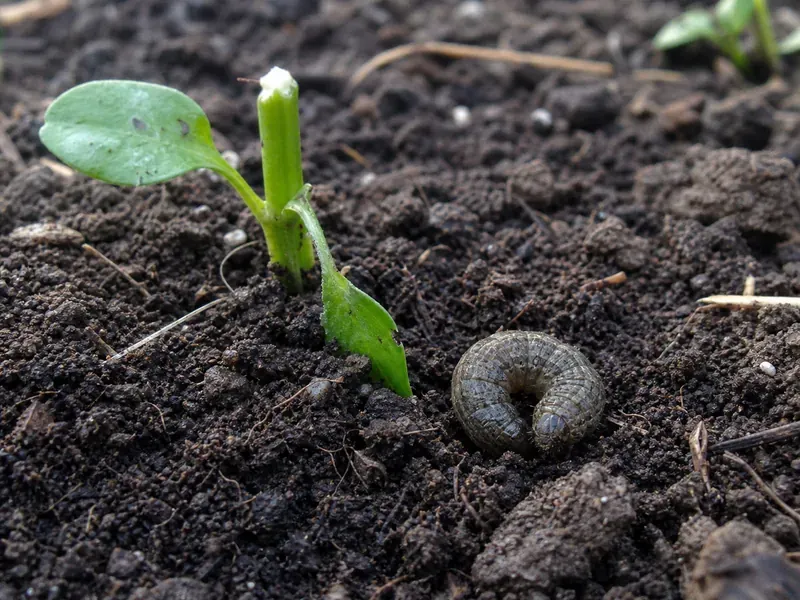
When leaves are shredded or seedlings are cut off at the soil line, act on the problem directly. Waiting for a toad to show up is a slow plan.
Treat toads as one small part of a broader approach.
For slugs and snails, UC IPM’s guidance frames control as a combination of methods, with natural enemies as only one piece. Hand-picking, reducing hiding places near vulnerable plants, and other steps can work together.
No single tactic will work in every garden.
Cutworms call for monitoring first. Check for cut seedlings and look in the top inch or two of soil near damaged plants.
UC IPM’s cutworm page recommends monitoring and gives crop-specific control guidance, so match the step to what you are growing.
At home, UC ANR garden guidance describes two practical steps: hand-picking at night with a flashlight, and protecting seedlings, for example with collars around the stems.
A toad that stops by is welcome to help. Just do not count on it to protect your tomato transplants.
Keep the refuge low-risk for wildlife
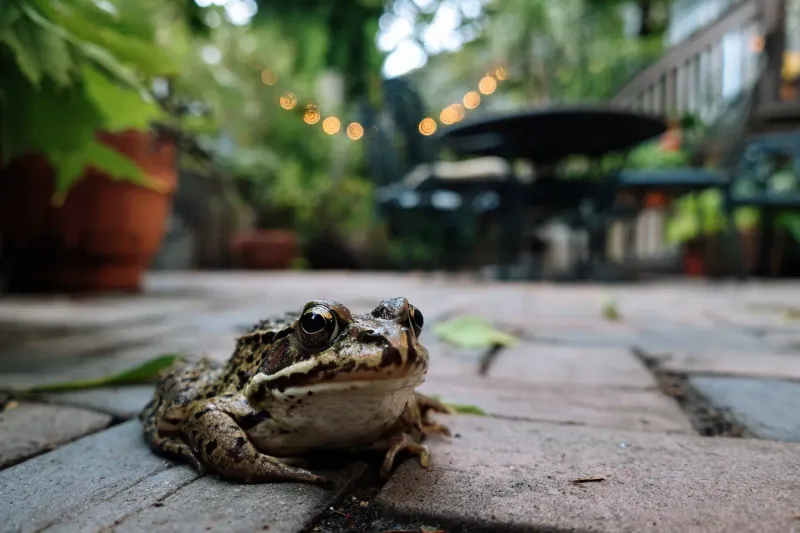
A toad’s skin is thin and permeable, which affects how it meets the world. USGS research on frogs describes skin as a potential route for contaminant exposure in amphibians.
That does not mean every pesticide product or use harms toads. The USGS work is not a trial in a California garden, so it cannot sort products into safe and unsafe.
It is a good reason for caution, not a reason to panic.
The practical step is to skip pesticides you do not need near the corner where you are encouraging wildlife. Try hand-picking or seedling protection first.
If you do use a product, read the label, follow it exactly, and avoid applying it where it could run into the leaf litter and cover you have set aside.
Please do not label any particular product as harmless to toads. Without product and species details, nobody can say that honestly.
A low-risk refuge is built from restraint, careful reading, and a bit of patience.
Support the toads already sharing your yard
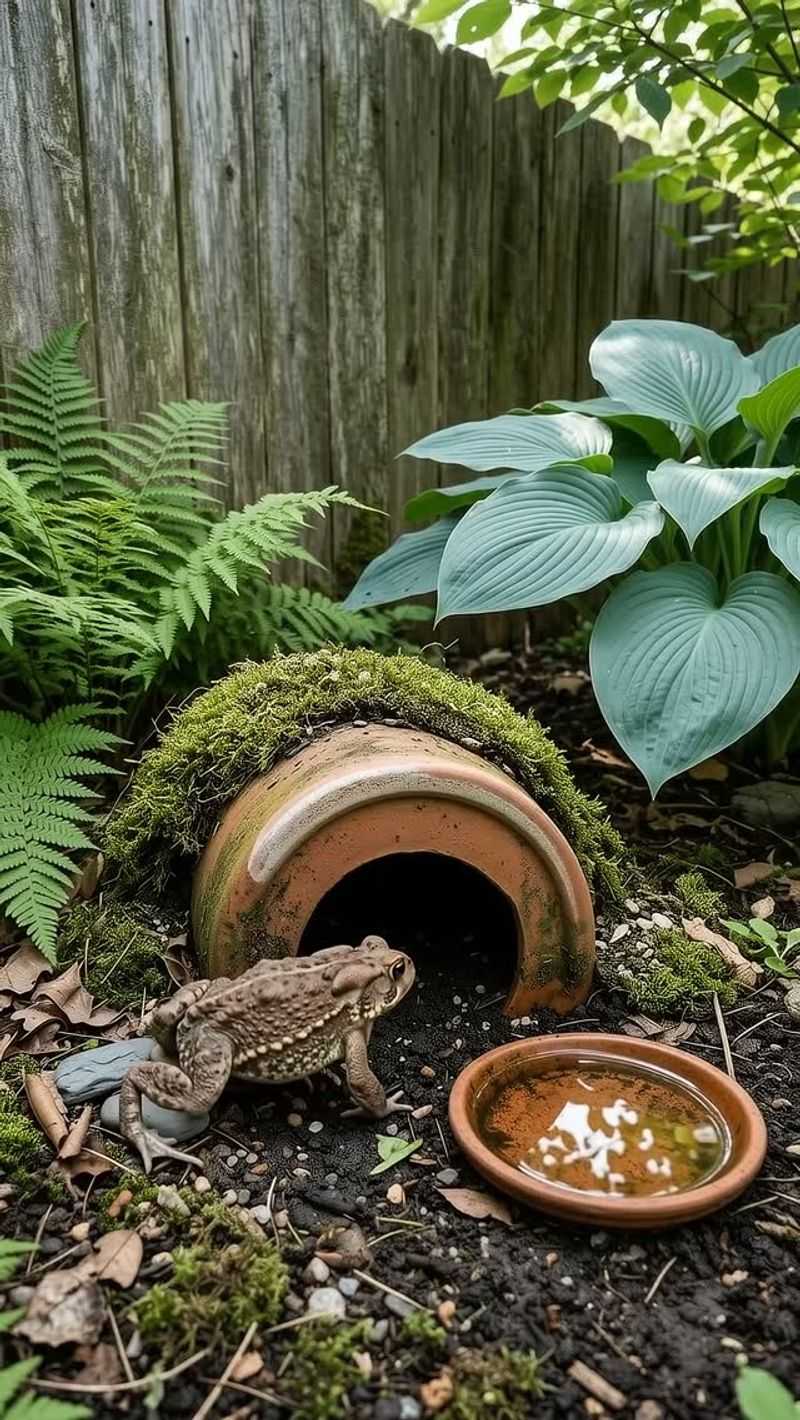
Start with low cover: native ground cover and leaf litter in one quiet corner. If you add water, empty and scrub it twice a week, or every three to four days in warm weather, as California mosquito guidance recommends.
A neglected dish can breed mosquitoes, and even a clean routine only lowers the risk.
When plants are chewed, manage the damage directly, because natural enemies alone are rarely enough. These steps support wildlife but do not promise a visit.
A good toad yard is mostly about what you leave alone.