
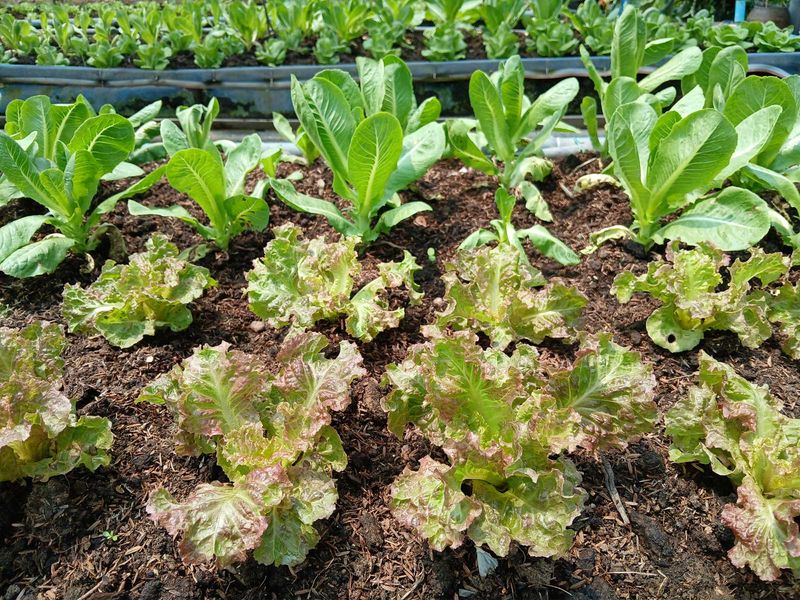
You walk out to the garden after a cold, rainy stretch and the lettuce edges are brown and slick. It looks like one problem, but several different things can cause it.
Knowing which one you have helps you decide what to eat, what to toss, and what to protect. Here is a quick way to sort it out this week.
Read the damaged leaf before naming the problem
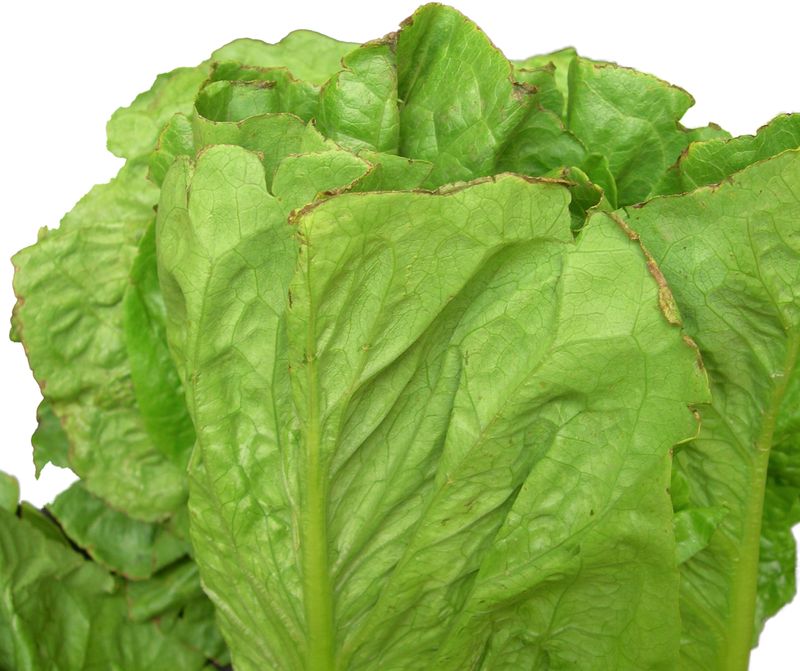
Grab a few damaged leaves and look closely before you decide anything. Note whether the browning stays along the margins or creeps into the leaf, whether the tissue feels dry and papery or wet and soft, and whether the symptoms showed up after a freeze.
Dry brown margins, especially on young leaves, fit UC IPM’s description of tipburn. Dark, translucent, water-soaked tissue that breaks down after thawing fits frost injury.
Wet, mushy decay that spreads past the edge, sometimes with a bad smell, points toward rot, as described in UC Davis lettuce guidance.
Treat these clues as a sorting tool for the bed, not a guaranteed diagnosis. Different problems can look alike, and more than one can show up on the same plant.
Tipburn is a calcium-delivery problem, not proof of poor soil

Classic tipburn shows up as dead brown tissue along leaf margins, often on young, fast-growing leaves. It happens when not enough calcium reaches that growing tissue.
That is a shortage inside the leaf, which is different from a shortage in your soil.
According to UC IPM, tipburn is rarely caused by low soil calcium. Water stress and slow water movement through the plant are common contributors.
Utah State Extension adds that swings in moisture, rough growing conditions, and rapid growth can play a part, and Texas A&M lists soil moisture changes and temperature shifts too.
So adding lime, gypsum, or calcium fertilizer is not a dependable quick fix, and dead tissue will not come back. If you suspect a soil issue, a soil test is a better guide than a brown leaf edge.
Wet decay and freeze injury call for a different response
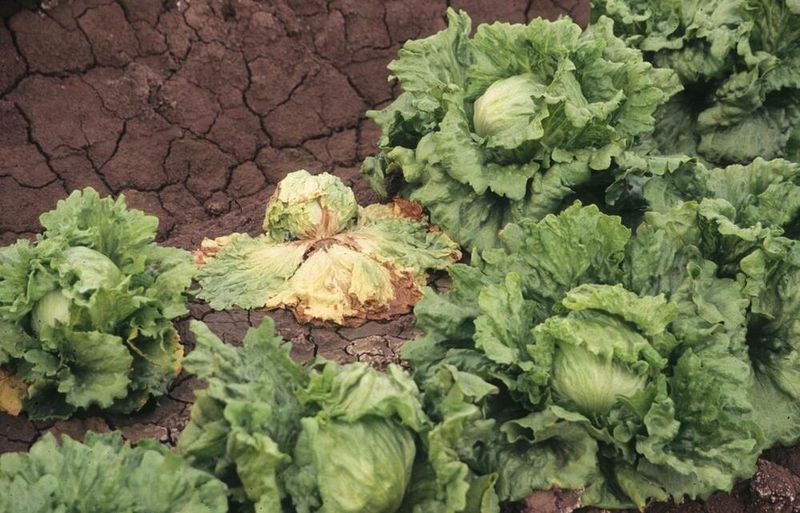
Frozen lettuce often turns dark, translucent, and water-soaked, then collapses into slime once it thaws, as UC IPM explains. There is no practical treatment after the damage appears.
Rot looks a bit different. UC Davis describes bacterial soft rot as wet, spreading decay, and it can smell unpleasant.
Some diseases deserve a closer look too. Cool, humid weather favors downy mildew, which Texas A&M links to angular yellow-to-brown spots with white growth under the leaves.
Collapsed lower leaves, sometimes with hard black structures, may point to Sclerotinia, also called lettuce drop, as shown in a University of Minnesota guide.
These signs are clues, not proof. If you are unsure, your local extension office can help you confirm.
Keep sound leaves and discard slimy lettuce
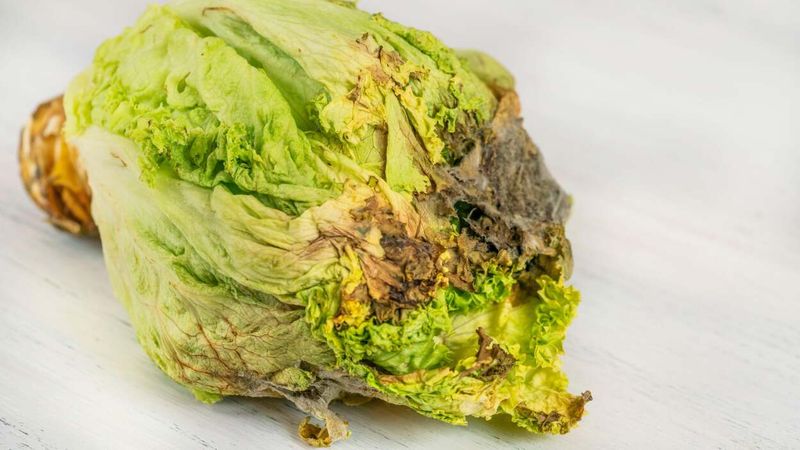
Here is the decision for this week. If you only have isolated dry tipburn, Illinois Extension says you can clip off the brown tissue and use the rest of the leaf.
Slimy lettuce is different. Toss any lettuce that is slimy or has black spots.
Trimming around the bad spot does not make that lettuce safe to eat.
Leaves that are clearly separate, firm, and unaffected can be kept. Pull badly rotted plants or tissue out of the bed so the decay is not sitting beside healthy plants.
Not every plant needs to go, so inspect them one at a time.
Restore steady moisture without waterlogging the bed
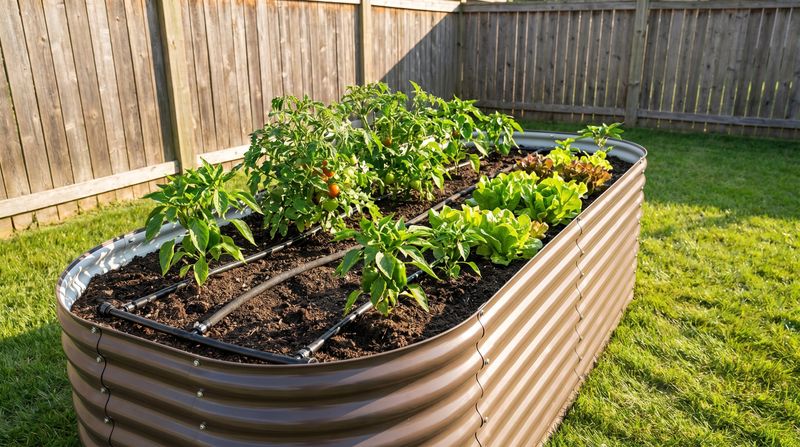
Push a finger a couple of inches into the soil before you reach for the hose. Lettuce wants adequate, fairly even moisture, but UGA Extension notes that soggy soil and poor drainage cause trouble.
If the bed is still saturated after rain, skip the watering.
A drip line or soaker hose waters the soil without routinely soaking the leaves. Stick with what the soil tells you instead of a fixed schedule.
Uneven moisture is one factor tied to tipburn, so steady care may help new growth. It will not reverse leaf tissue that has already died.
Prepare the bed for the next cold snap and planting
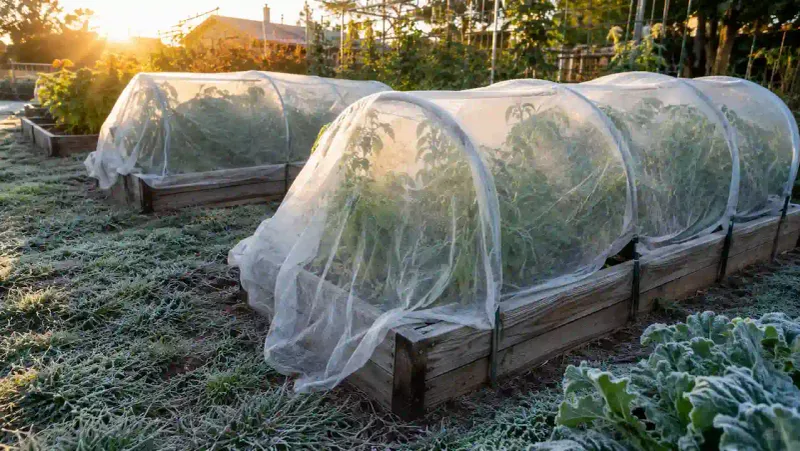
Lettuce handles some below-freezing weather, but sudden drops can hurt it. Lay floating row cover over the plants before a forecast freeze.
UC IPM says there is no practical control once frost symptoms appear, so the cover prevents injury and does not heal leaves already damaged.
For future plantings, choose a well-drained spot and give plants room, as UGA Extension suggests. Look for varieties with lower tipburn susceptibility, though cultivars differ and none are immune.
Timing varies across the South. UF/IFAS describes Florida lettuce as a cool-season crop, roughly October through April, with planting dates that differ by region.
Texas and Georgia gardeners should check local extension dates instead of borrowing someone else’s calendar.
Match the next step to the symptoms

Keep sound leaves when the damage is limited to dry tipburn, and toss anything slimy or black-spotted, following Illinois Extension. Cover healthy plants before a freeze, as UC IPM advises.
A brown edge is a question, and the bed will answer it if you look closely.