
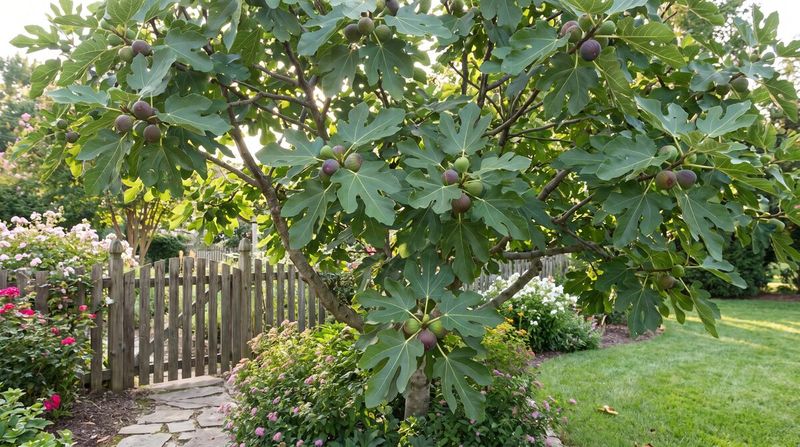
You trimmed a fig branch in October, and now every cold forecast makes you wonder if you doomed the plant. Figs in North Carolina do sometimes die back hard over winter, and the cause is easy to mix up.
Knowing what actually injures the wood, and what only adds a little risk, lets you act before the first freeze arrives. Here is a calm plan for pruning, protecting, and checking your fig through the cold months.
Severe cold—not an ordinary cut—is the documented cause of freeze-back
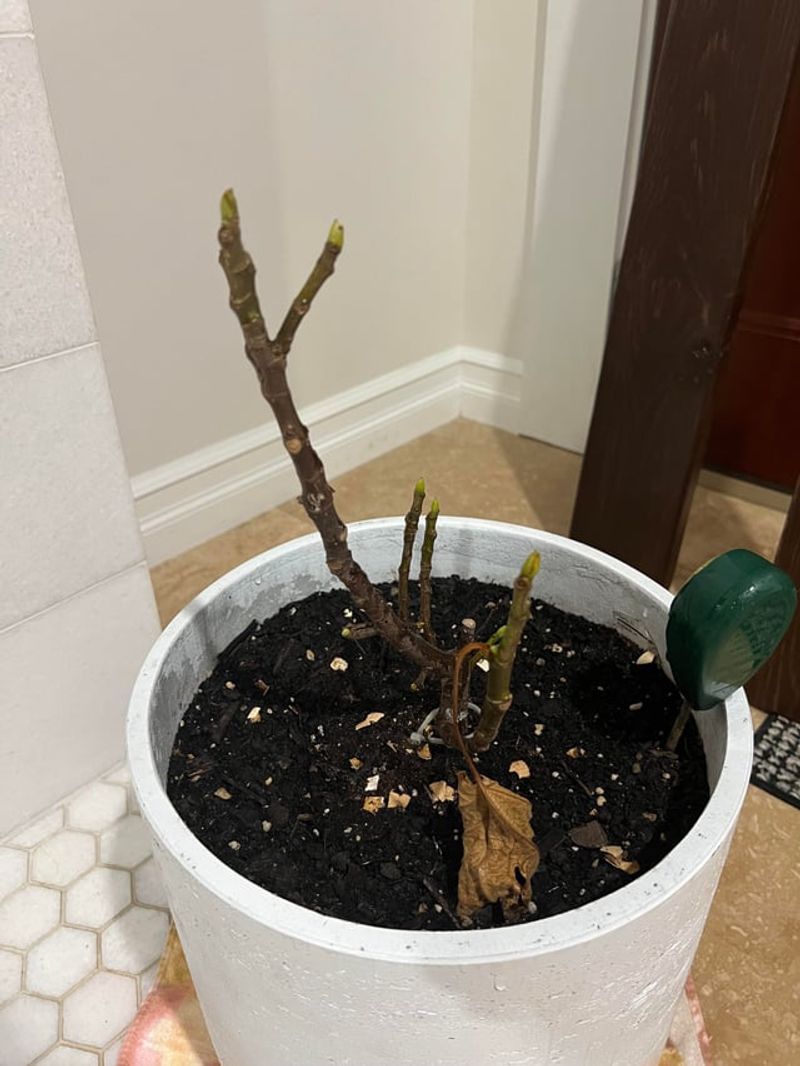
Here is the key point up front: a single fall cut is not what the guidance blames for figs dying back to the ground. NC State Extension’s fig guide points to severe cold as the cause of freeze-back, and it says injury may happen when temperatures drop to 20°F or below in North Carolina.
Treat that number as a warning sign, not a magic line. Cultivar, how fully the plant has gone dormant, how exposed the spot is, and how the weather unfolds all change the outcome.
A sheltered fig near a south-facing wall in the Coastal Plain faces different odds than one in an open Piedmont yard or a cold mountain valley.
Freeze-back also does not mean the plant is finished. NC State notes that figs can recover from above-ground injury, though fruiting may be delayed.
Some cultivars can even crop on suckers that sprout after a freeze.
So if you pruned this fall, take a breath. Your real job is lowering cold risk, and the next sections show how to do that without giving up on your tree.
How fall pruning and late-season growth can add risk
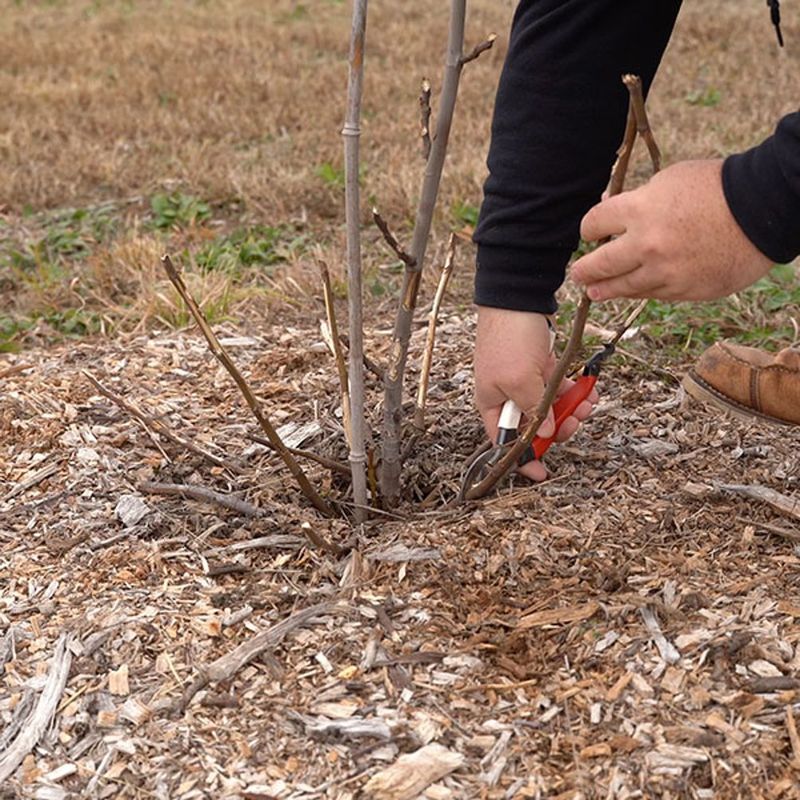
Fall pruning deserves caution for a narrower reason. Cutting in early fall may prompt a flush of tender new shoots, and soft growth like that is the tissue most likely to be hurt when cold arrives.
Fertilizer can do the same thing. NC State says excessive nitrogen can promote succulent late-season growth that is more susceptible to winter injury.
If you are tempted to feed a fig in September, skip it and let the plant slow down on its own schedule.
Notice what this does and does not say. It describes a way pruning and feeding may add vulnerable growth.
It does not show that one fall cut makes a fig die to the ground. Severe heavy cutting can also remove wood and stored crop potential, which is a separate cost.
Advice also changes by region. Florida guidance, for example, favors a different pruning window than North Carolina does, so a tip written for another state may not fit your yard.
A simple rule for now: hold off on new cuts and extra feeding while nights cool, and save shaping for later in winter.
Prune lightly in late winter in North Carolina
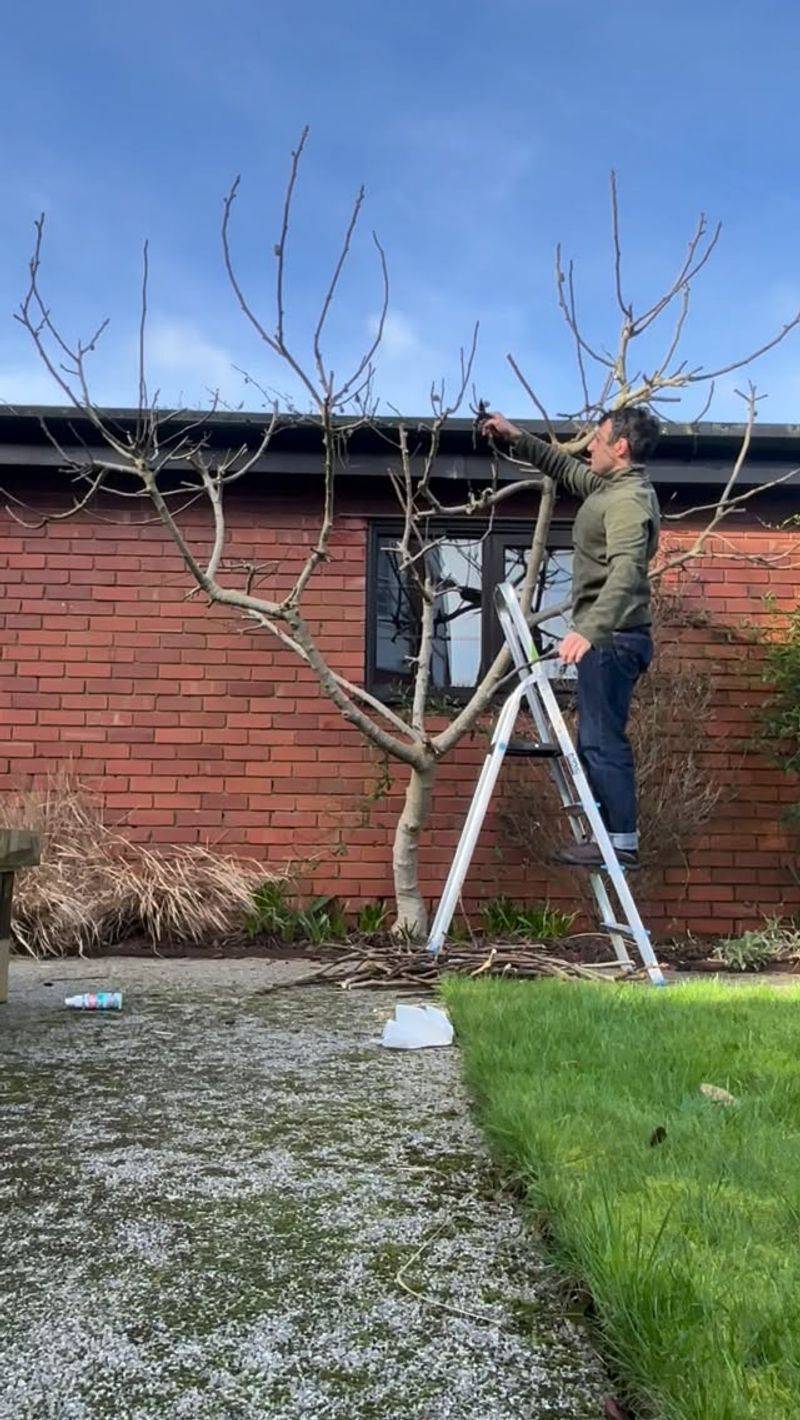
If you want a calendar to follow, NC State recommends routine fig pruning in late winter, just before growth begins. Pruning then lets you see what the cold did and cut with a clear head.
Figs need little pruning, so keep it modest. Good reasons to cut include removing dead wood and suckers, trimming drooping branches, holding down height, and opening up the bush so you can reach the fruit.
Make clean cuts close to a lateral branch and avoid leaving stubs.
Wear gloves if you are sensitive. UF/IFAS describes the milky latex from cut or damaged fig branches as a skin irritant, and it can sting on bare arms.
You may read advice to prune right after harvest in late summer. That comes from Florida guidance, where the goal is supporting next year’s flower buds.
It shows that timing varies by region and purpose, not that North Carolina gardeners should follow it.
Plan on one short session in February or early March for most of the state, a bit later in the mountains. Clip, step back, and stop when the shape looks open and balanced.
Protect the plant when severe weather threatens
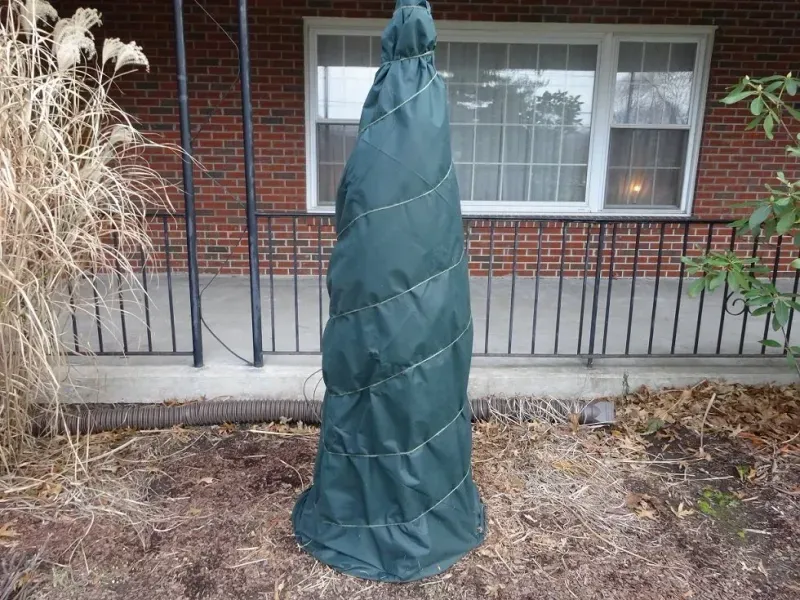
Late fall is the time for hands-on protection. For young plants, NC State advises piling loose soil or mulch 1 to 2 feet high around the base of the trunk.
The idea is to shield the part of the plant you most want to keep alive.
When a severe cold snap is in the forecast, add a cover. Straw, a tarpaulin, cornstalks, or other suitable material can be draped or stacked over the plant.
Check the forecast every few days once nights reach the 30s, and have materials ready so you are not scrambling after dark.
Keep expectations realistic. Mounding and covering can reduce freeze damage, but they are not a guarantee, and a very hard freeze may still injure stems above the mound.
Even then, a protected base gives the plant a better chance to resprout.
In spring, pull the soil mound away once frost is no longer a hazard. Leaving it too long can trap moisture against the trunk.
A weekend before the first freeze is a good moment to gather your materials, stack them near the plant, and mark your calendar for spring cleanup.
Wait for signs of life before removing winter-damaged stems
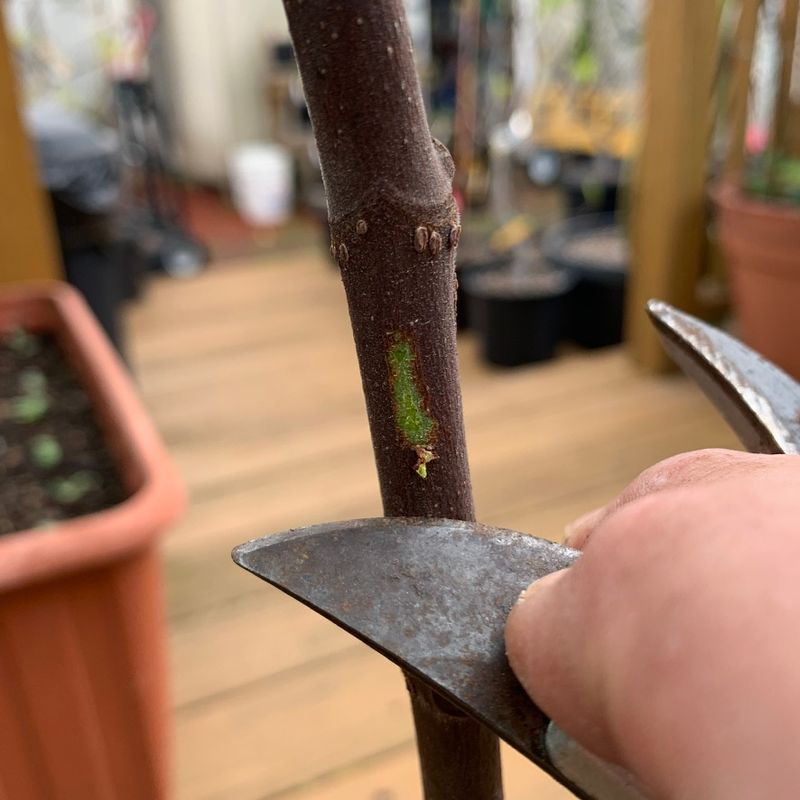
Bare branches in March look dead, but looks can fool you. University of Maryland Extension suggests checking for green tissue beneath the bark before deciding a stem is gone.
Use a fingernail or knife tip to scrape a tiny patch on a few stems. Green and moist means alive, while brown and dry points to damage.
Test several spots along the stem, since the top may be dead while the lower wood is fine.
Patience pays here. Waiting for new growth helps you tell living stems from winter-killed wood, because buds on live wood will swell and leaf out while dead stems stay silent.
Figs can be slow to wake up, sometimes well into spring.
Once the damage is clear, prune out the confirmed winter-killed wood in early spring. Keep that job separate from routine late-winter shaping, which is lighter and aimed at structure and size.
As NC State notes, plants can recover from above-ground injury, so new shoots from the base are worth keeping and training.
Pruning severity can affect the next fig crop
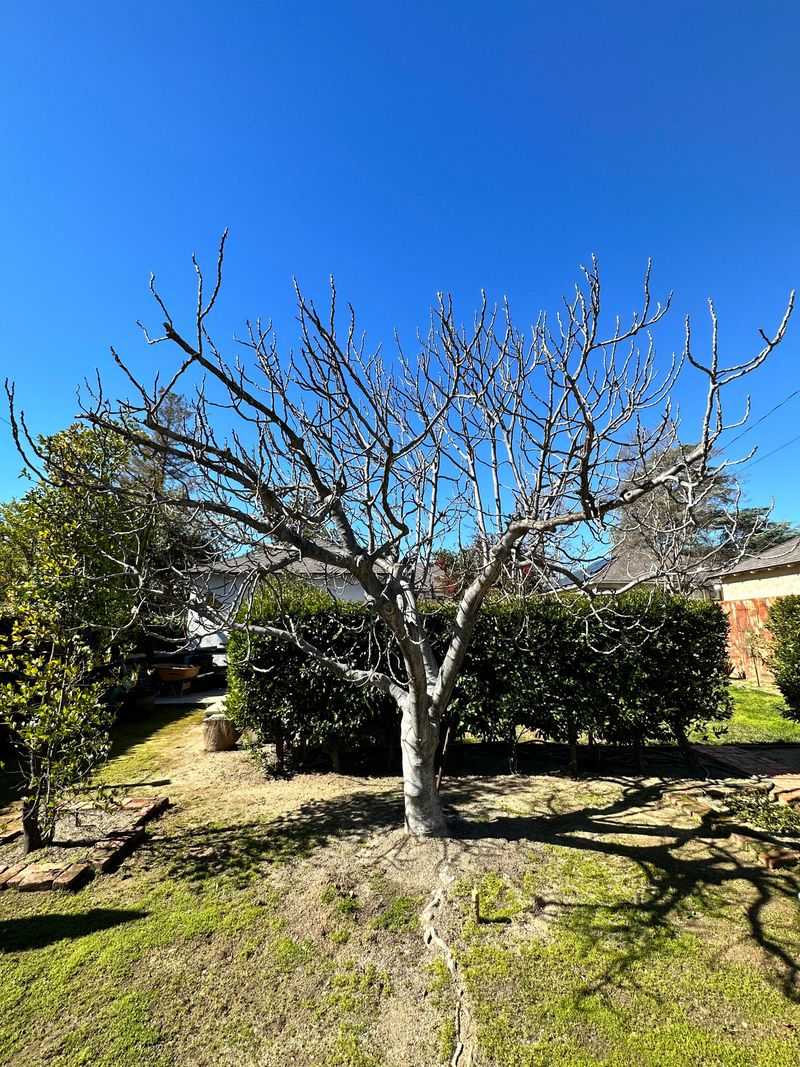
Pruning also shapes your harvest. The main fig crop forms on the current season’s growth, but some cultivars also bear an earlier breba crop on last year’s wood.
University of Maryland Extension notes that pruning severity affects that earlier crop.
Not every cultivar makes breba figs, and not every cut costs you fruit. But hard cutting of older wood can reduce or eliminate the early crop.
UF/IFAS warns that heavy winter pruning can wipe out the following year’s crop, so check what your own variety does before reaching for the loppers.
A single-trunk tree also has more to lose from a freeze than a multi-stem bush, because the bush can send up new stems from its base. That makes a bush form a forgiving choice in colder parts of the state.
Put it together as a short sequence: skip fall feeding and cutting that pushes soft growth, protect the plant before severe weather, wait for spring signs of life, and keep routine shaping for late winter.
A fig forgives a lot, but it remembers every cut.