
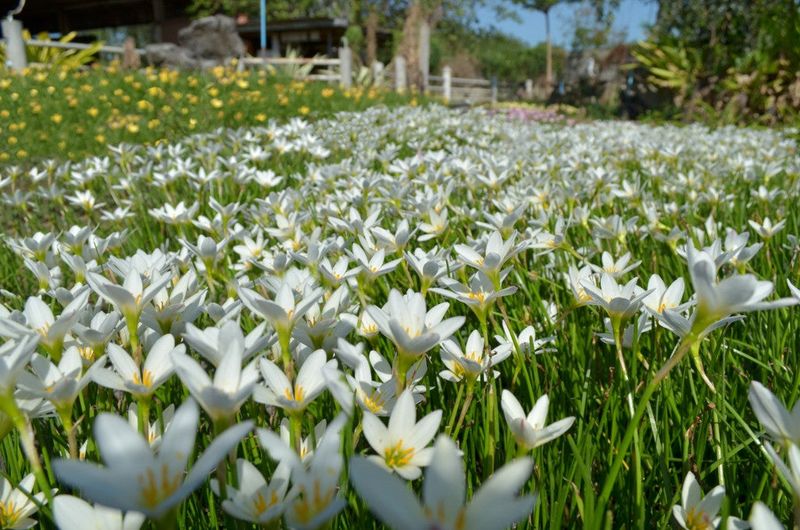
Most tulips sold in Texas stores bloom once and then quietly vanish, because our winters are too warm for them to reset. The good news is that a whole group of tough bulbs actually loves Texas heat, clay, and dry summers.
If you get them in the ground before Thanksgiving, they can come back year after year with almost no fuss. Here are ten that have earned their spot in Texas yards.
1. Paperwhite and Tazetta Narcissus
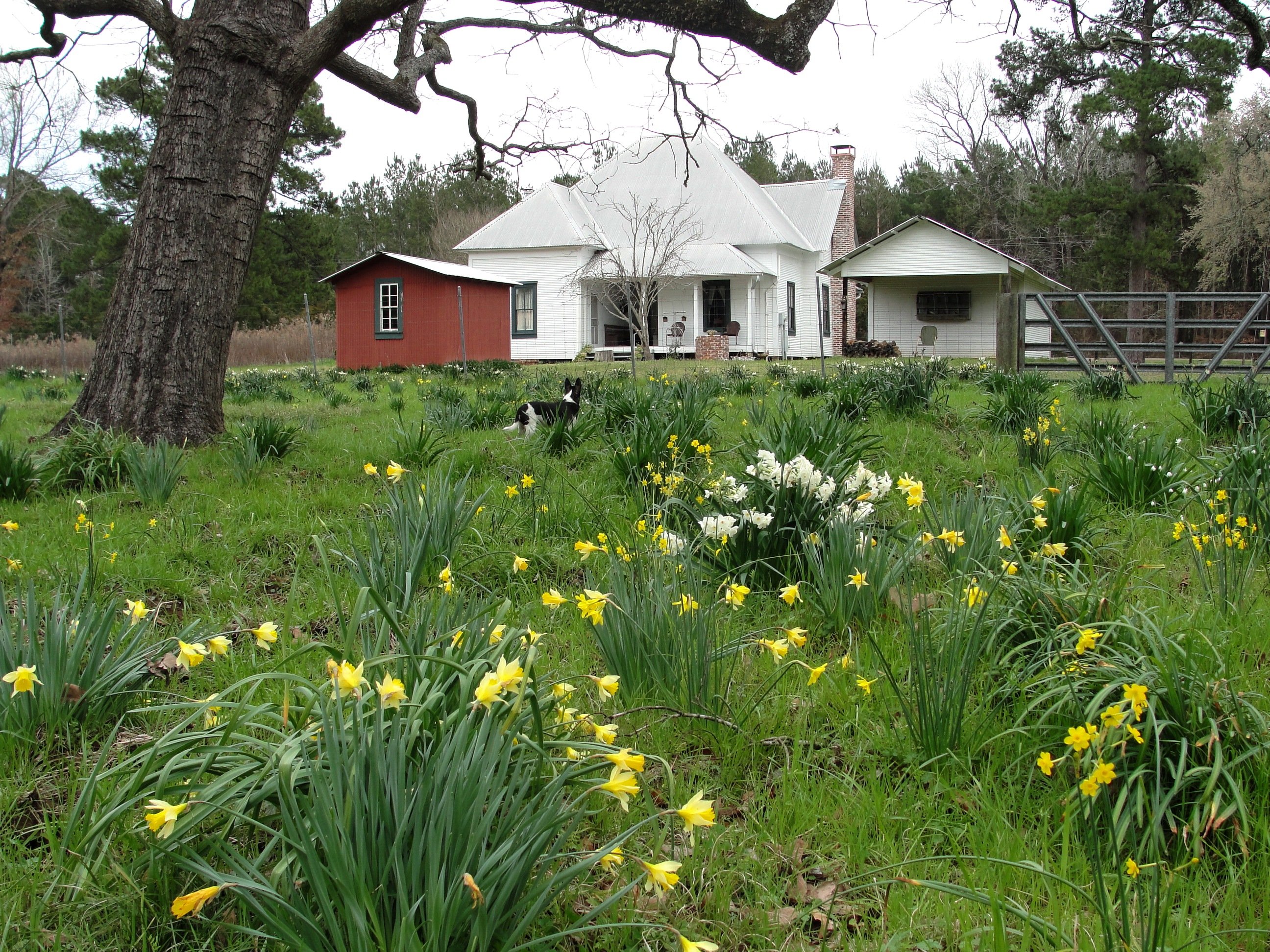
Walk through an old Texas neighborhood in January and you might smell them before you see them. Tazetta narcissus, including paperwhites and the cream-and-gold Grand Primo, are the backbone of heirloom Southern gardens.
Unlike the big trumpet daffodils bred for cold climates, tazettas need very little winter chill. That is why clumps planted by great-grandparents still pop up beside abandoned farmhouses across Central and East Texas.
Plant bulbs about 5 to 6 inches deep in a sunny spot with decent drainage. Let the leaves die back naturally in spring, since that foliage feeds next year’s flowers.
Within a few seasons, one bulb can turn into a fragrant clump you can divide and share.
2. Oxblood Lily
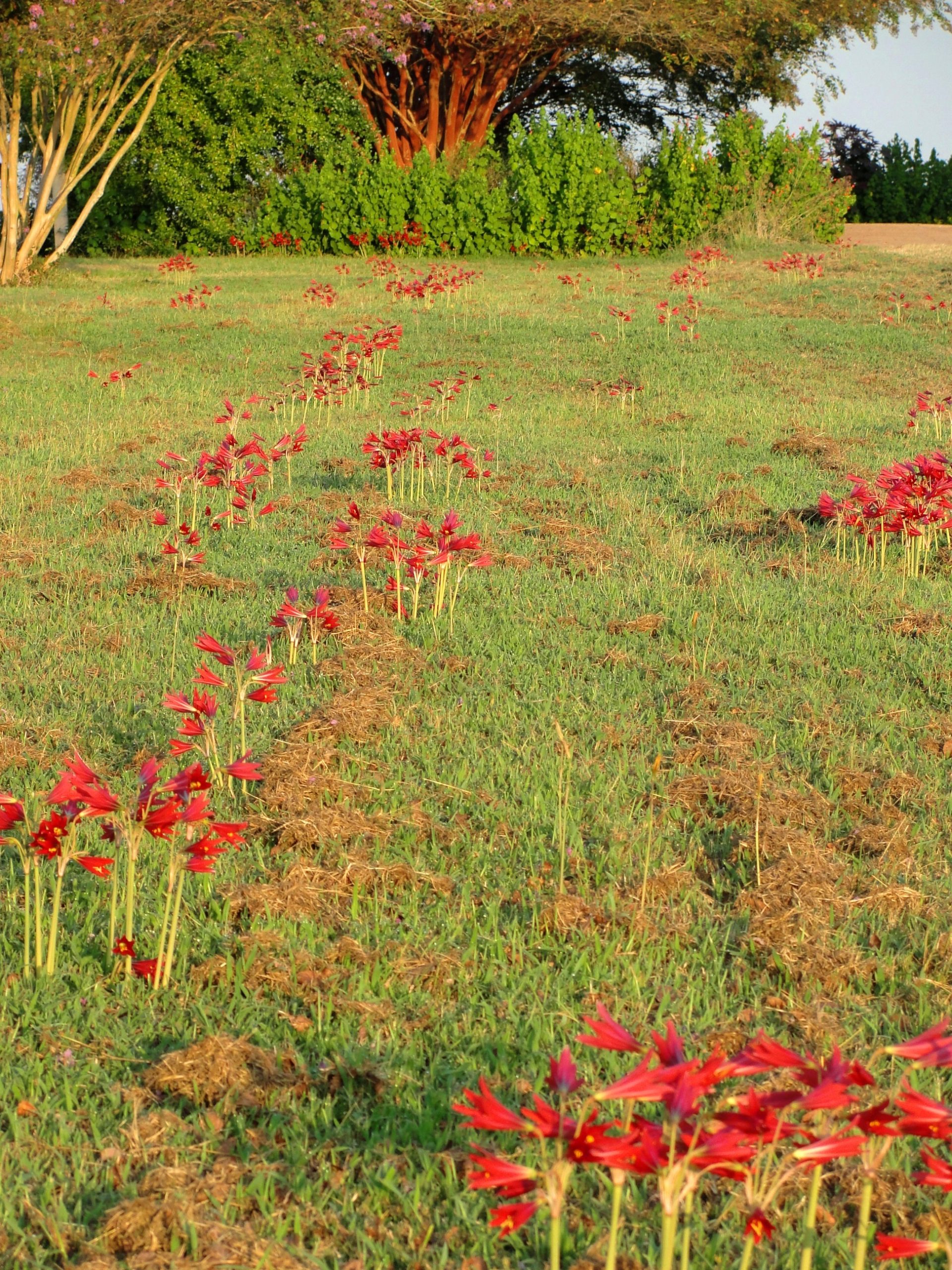
Technically, this one breaks the rules. Oxblood lilies bloom in late summer or early fall, often right after the first good rain, but fall is still the best time to plant or move them.
German settlers carried these bulbs into the Texas Hill Country in the 1800s, and they have been passed hand to hand ever since. They shrug off black clay, alkaline soil, and summer drought like it is nothing.
After blooming, they send up winter foliage that soaks up sun while other plants rest. Tuck them in about 6 inches deep along fences or under deciduous trees, then let them multiply.
They rarely show up at big box stores, so check local plant swaps and specialty bulb sellers.
3. Summer Snowflake
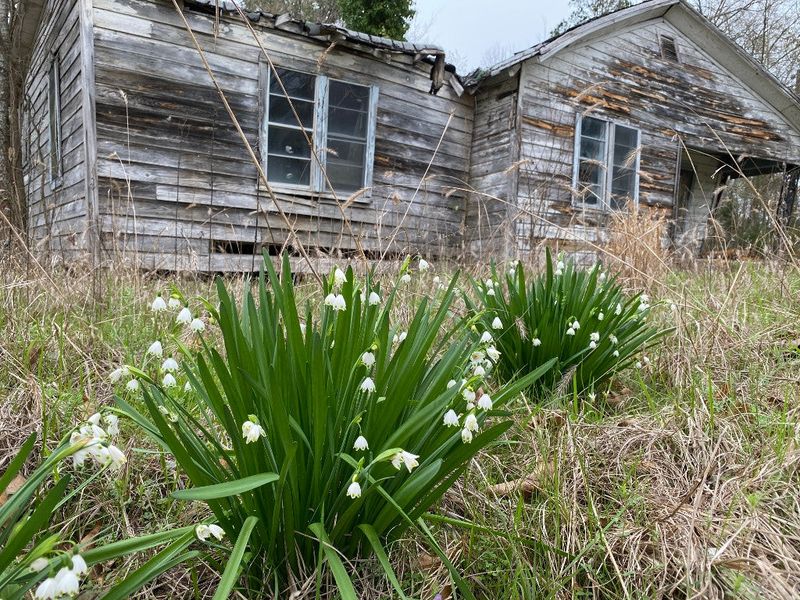
Tiny white bells with a green dot on each tip, like someone dabbed them with a paintbrush. Summer snowflake, or Leucojum, is one of the most forgiving bulbs a Texas gardener can grow.
Despite the name, it blooms in late winter to early spring here. It handles heavy clay, partial shade, and even soggy spots that would rot most bulbs, making it a smart pick for low corners of the yard.
Deer and rodents generally leave it alone. Plant groups of a dozen about 4 inches deep, then forget about them.
Each year the clumps tend to get a little fuller.
4. Byzantine Gladiolus
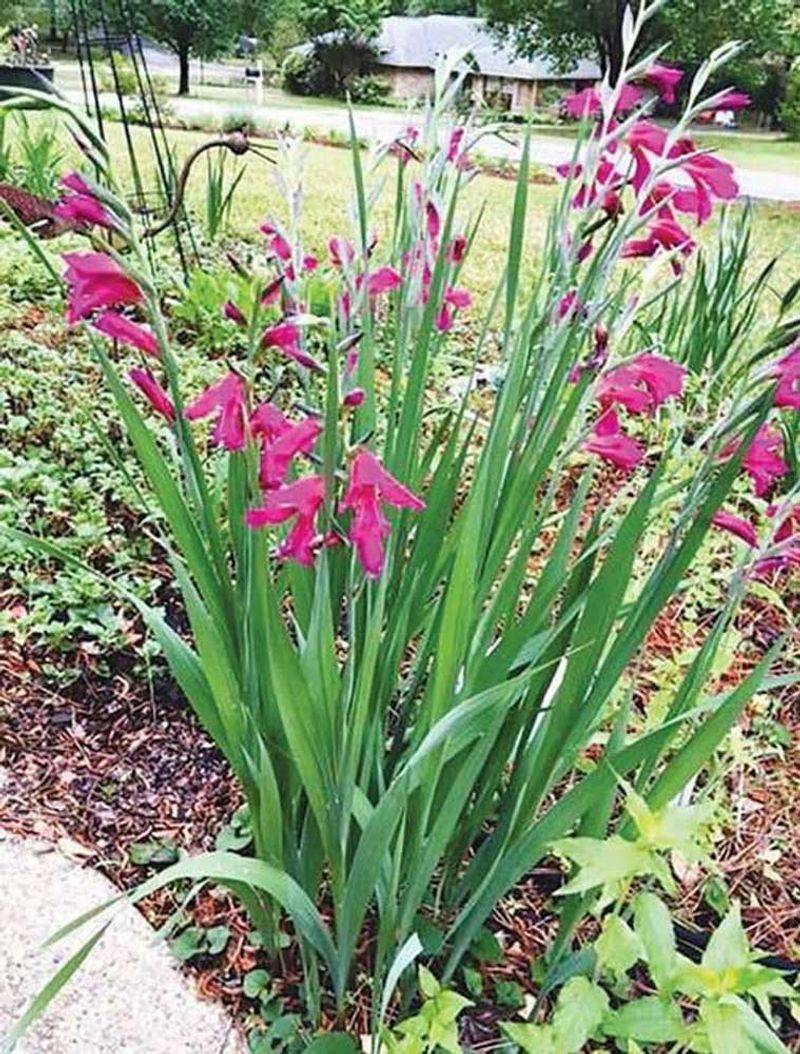
Forget the tall florist glads that flop over and need staking. Gladiolus byzantinus is the scrappy cousin, with slim stems of bright magenta flowers in mid-spring.
Old cemeteries and country roadsides in East Texas are full of it, a sign of just how well it can persist without care. It reaches about 2 feet tall and pairs nicely with bluebonnets and other spring wildflowers.
Plant the small corms 4 inches deep in full sun during fall. Many gardeners report clumps spreading steadily over the years.
5. Spanish Bluebell
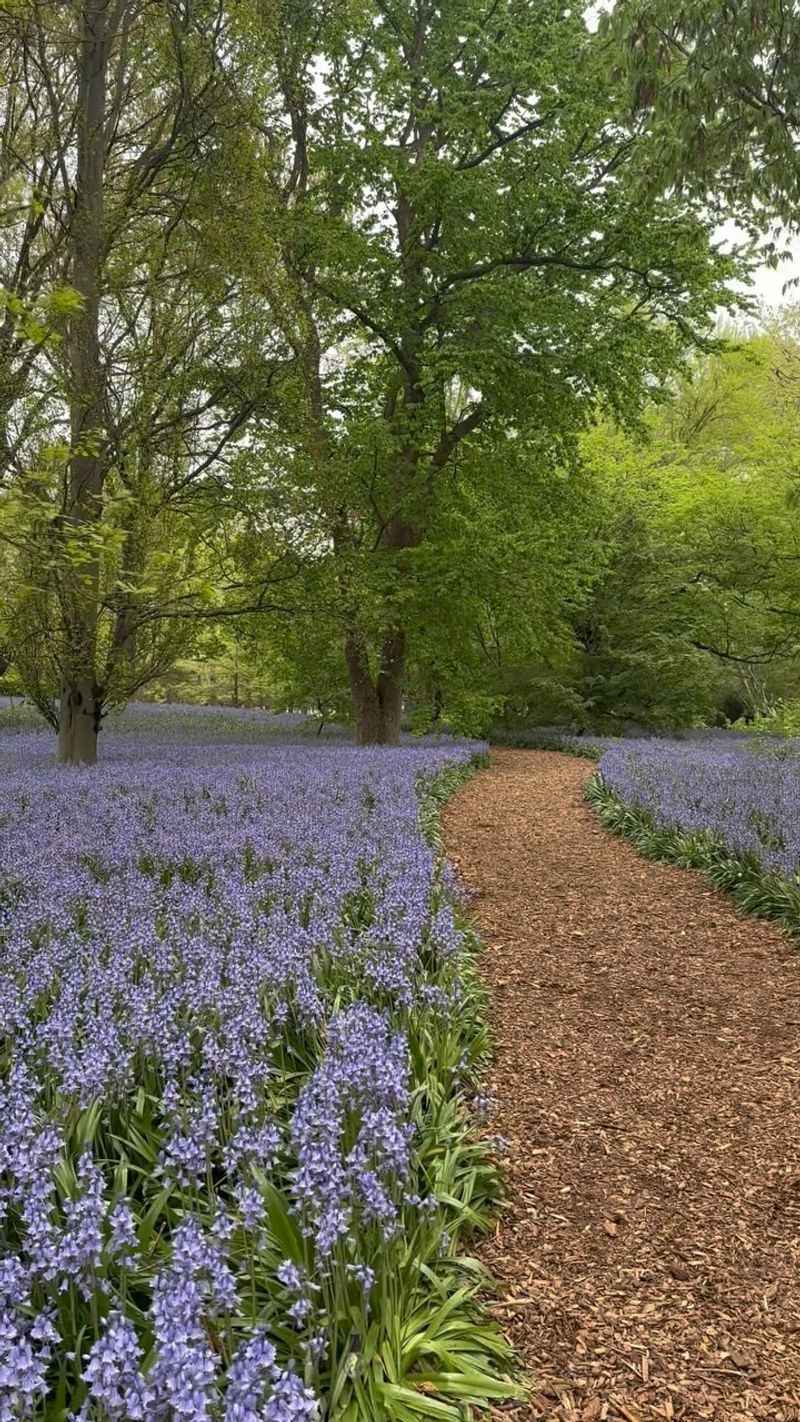
Shady yards often get left out of the spring flower party. Spanish bluebells change that by thriving under pecans, oaks, and other trees that leaf out late.
Their spikes of blue, pink, or white bells show up in March and April. They tend to do best in North and East Texas, where soil stays a bit moister, and they can struggle in the hottest, driest parts of South Texas.
Set bulbs about 4 inches deep in fall. Give them a few years and they may naturalize into a soft carpet beneath your trees.
6. Starflower (Ipheion)
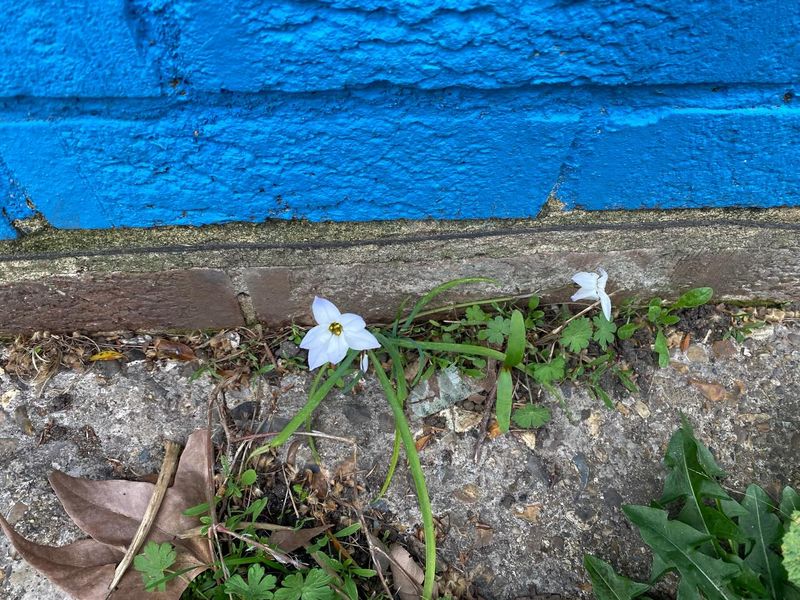
Picture a scattering of pale blue stars across your lawn edge in February. That is Ipheion, also called spring starflower, and it is one of the earliest bloomers you can plant.
The bulbs are tiny, so planting a hundred costs less than you might think. They work well along sidewalks, under shrubs, and in rock gardens.
Crush a leaf and you will notice a faint onion smell, which may help discourage critters. Plant about 3 inches deep in sun or light shade, and expect the patch to widen over time.
7. Rain Lily
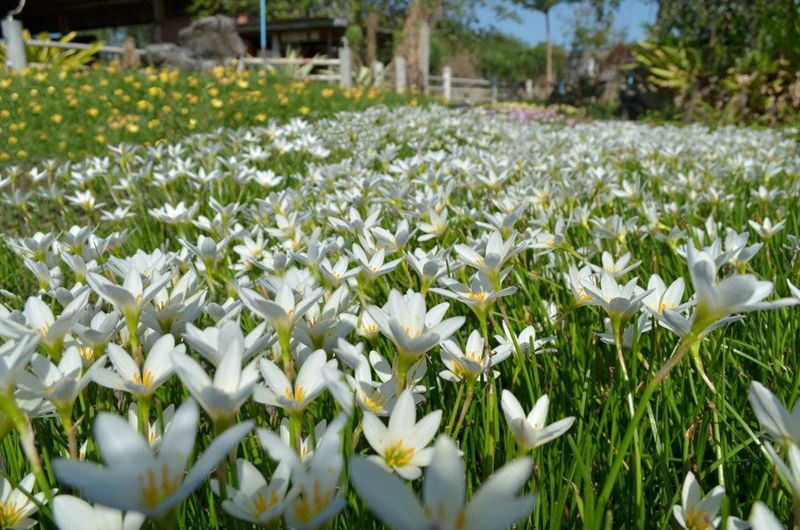
Texans who know rain lilies watch the sky a little differently. A few days after a good soaking storm, these little star-shaped flowers pop up as if by magic.
Several species are native to Texas, which makes them a strong pick for gardeners who want plants built for local soil and weather. Some bloom in spring, with repeat flushes through summer and fall after each rain.
Fall planting gives roots time to settle before spring. Plant bulbs 2 to 3 inches deep in full sun, and they can handle drought between storms.
Pollinators also visit the blooms.
8. Spring Star Grape Hyacinth
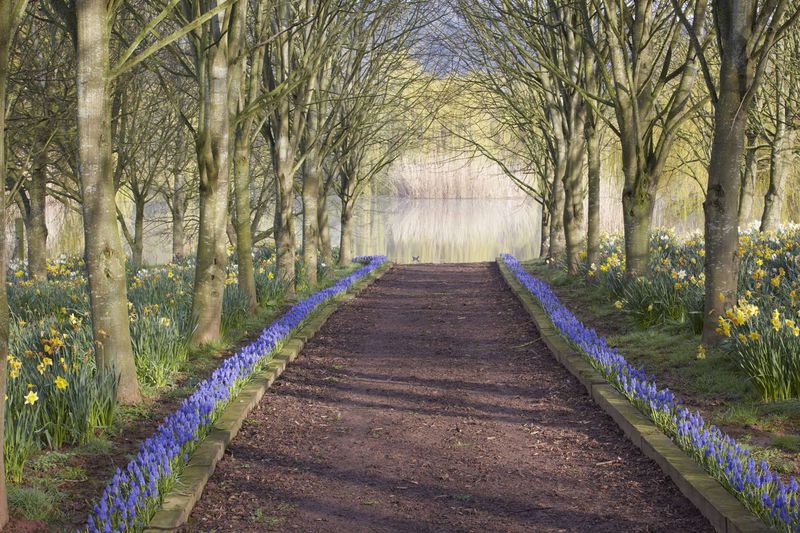
Cobalt blue in March is hard to beat. Grape hyacinths, or Muscari, are compact, cheerful, and sturdier in Texas than many people expect.
Muscari neglectum and Muscari armeniacum are good choices because they need less winter cold than some fancy varieties. They tend to perform best in North and Central Texas.
Plant them 3 inches deep in clusters for the best show. Their fall leaves look a little messy, but the spring color makes up for it.
Pair them with tazetta narcissus for a classic yellow-and-blue combo.
9. Species Tulips
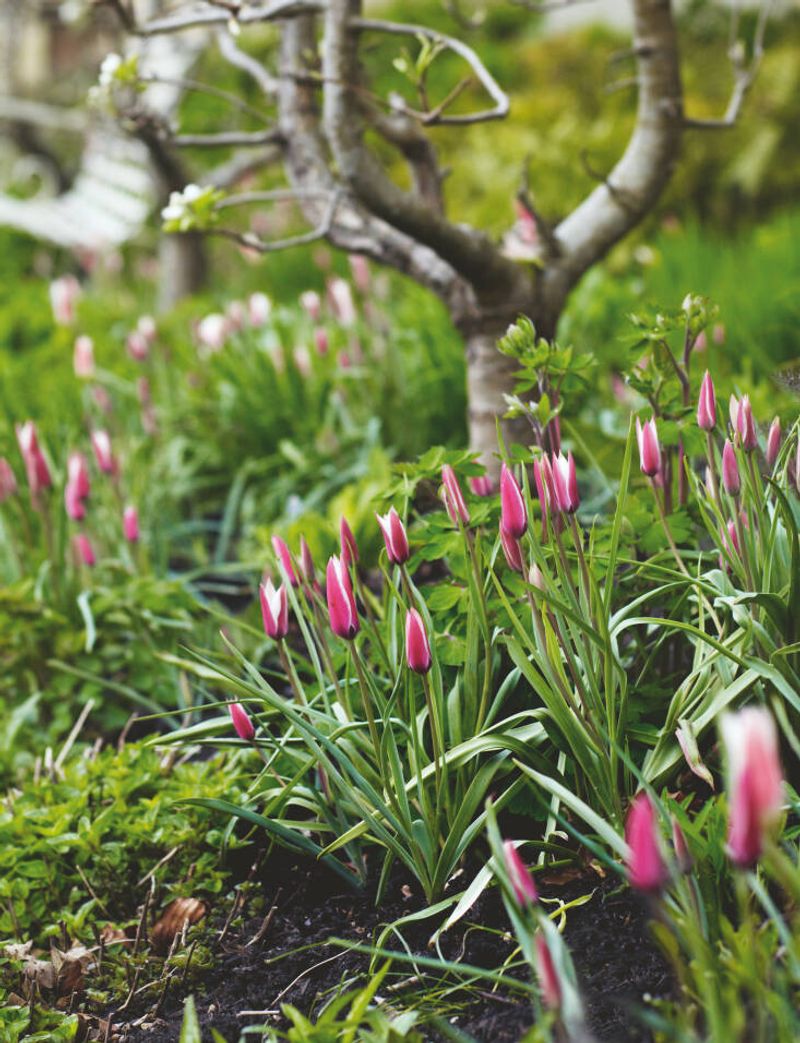
So you really want tulips. Here is the honest workaround: skip the big Dutch hybrids and look for species tulips like Tulipa clusiana, often called lady tulips.
These smaller, wilder tulips come from dry mountain regions with hot summers, a lot like parts of Texas. Varieties such as Lady Jane and Cynthia have a reputation for returning in well-drained Texas gardens.
Drainage is the key. Plant them in raised beds or gravelly spots about 5 inches deep, and avoid summer watering.
Results can vary by region, but many gardeners finally get tulips that stick around.
10. Amaryllis (Hippeastrum)
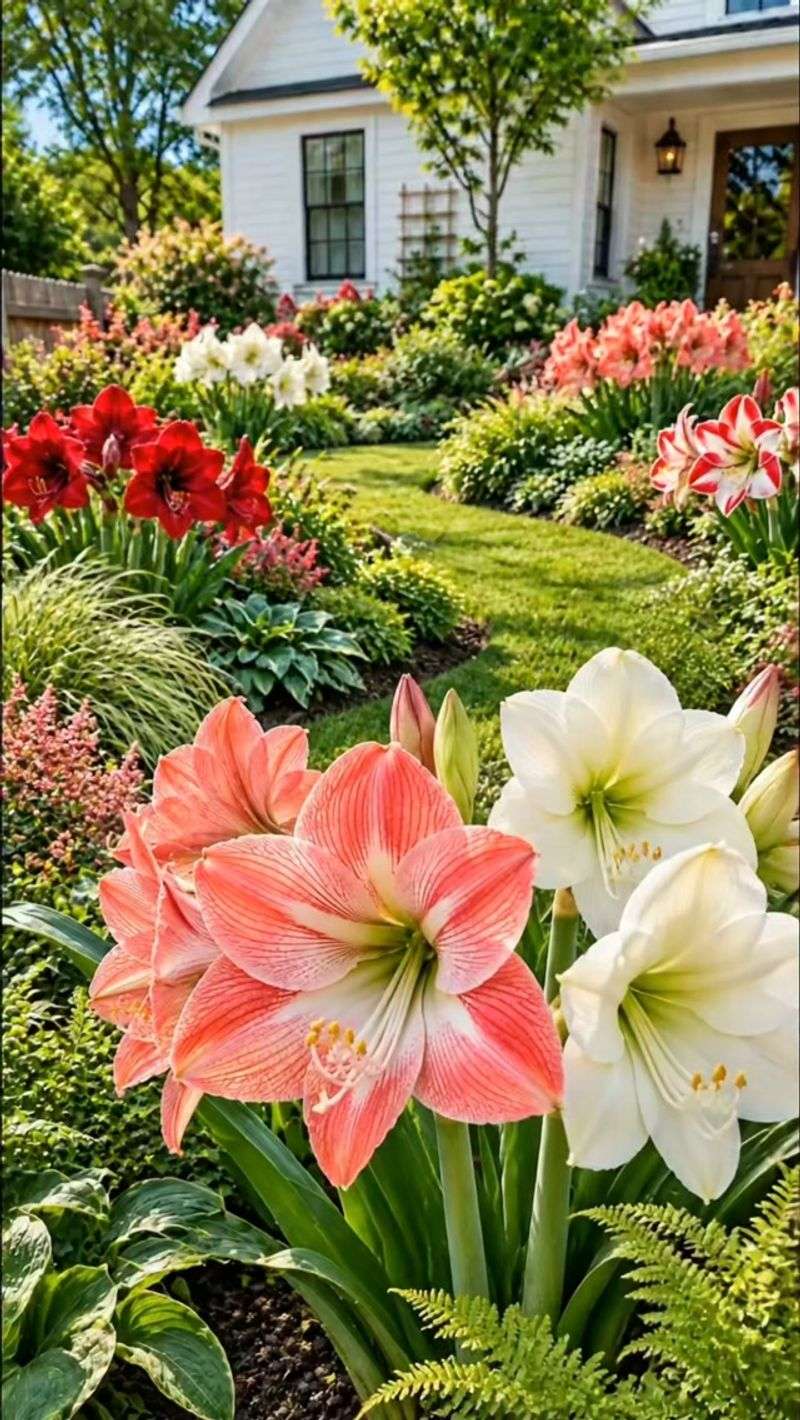
That holiday amaryllis on your table does not have to end up in the trash. In South Texas and along the Gulf Coast, Hippeastrum bulbs can live outdoors and bloom every spring.
Hardy types like St. Joseph’s lily (Hippeastrum x johnsonii) have survived in Texas gardens for generations, even in parts of Central Texas with a little winter mulch. Their huge red trumpets steal the show in April.
Plant with the bulb’s neck just above soil level in a spot with morning sun and afternoon shade. Cover with mulch during hard freezes.
Over time, clumps can grow large enough to divide.