
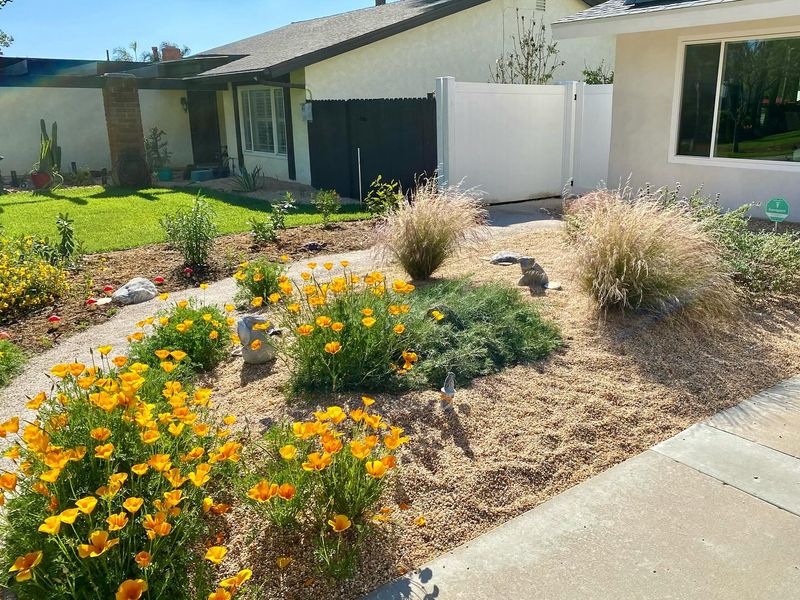
Walk into a native plant nursery in California this season and you may find empty tables where the best plants used to be. More homeowners are pulling out thirsty lawns and planting for bees, birds, and butterflies, and the most popular natives are going fast.
Missing them can mean waiting a whole year for the next good planting window. Here are the ten plants gardeners keep asking about, plus why each one earns a spot in a water-wise, wildlife-friendly yard.
1. Narrowleaf Milkweed
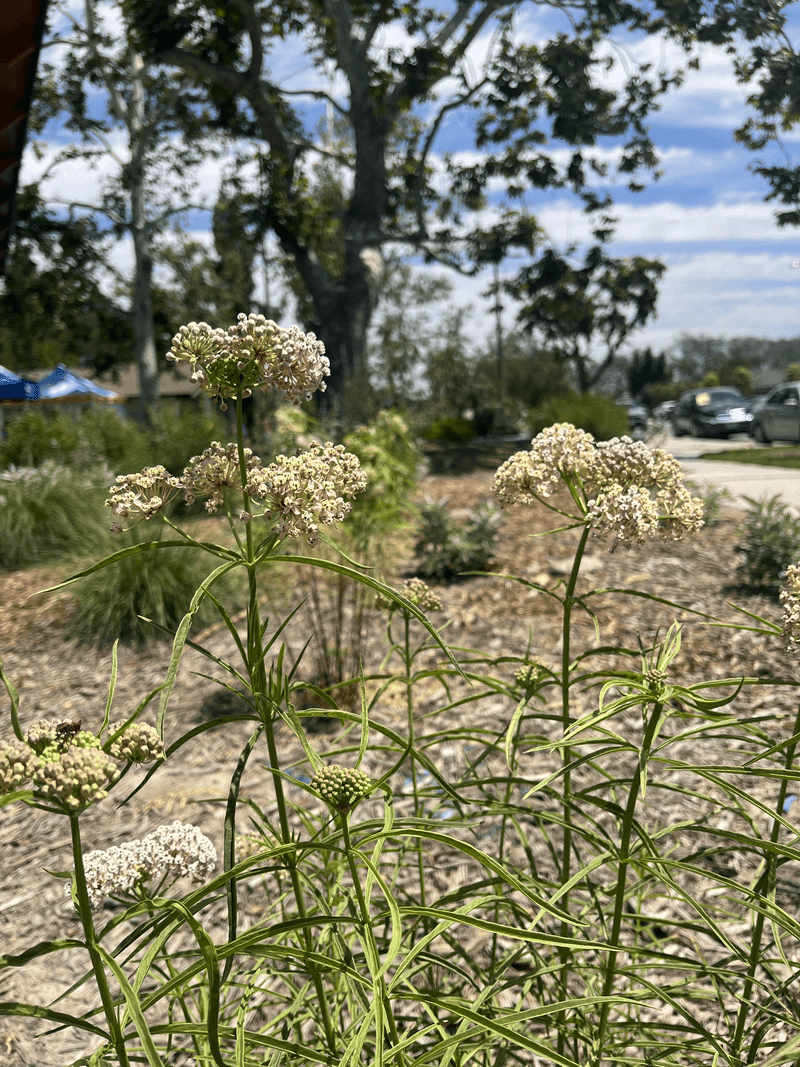
Ask any nursery worker which plant vanishes first in spring, and many will point to the milkweed table. Narrowleaf milkweed, Asclepias fascicularis, is the native host plant that western monarch caterpillars depend on to survive.
Many well-meaning gardeners bought tropical milkweed for years without knowing it can stay green through winter and may disrupt monarch migration timing. Swapping to a California native species is one of the simplest fixes a homeowner can make.
That shift is a big reason supplies run out.
Plant it in full sun with fast-draining soil, and water deeply only until it settles in. It dies back in winter, which is normal and actually helpful for monarchs.
Grab several plants at once, because hungry caterpillars can strip a single plant in days.
2. California Lilac (Ceanothus)
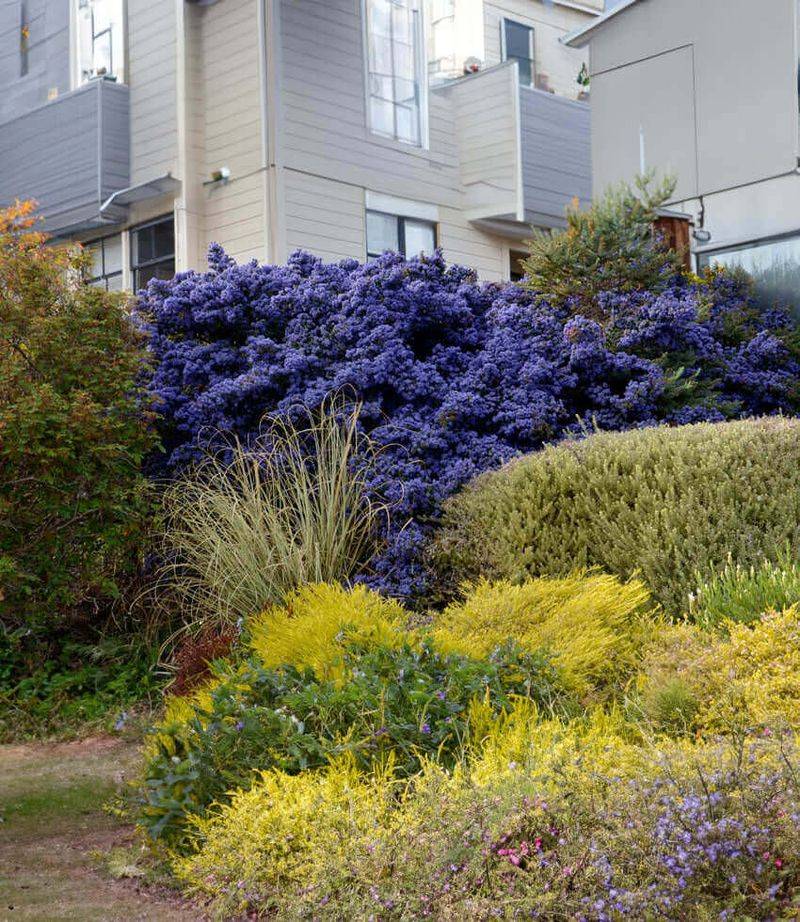
A blooming ceanothus in March looks almost unreal, like someone spilled blue paint across a hillside. Once neighbors see one in full flower, they often rush to the nursery, and that is exactly when stock disappears.
California lilac comes in many forms, from low groundcovers like ‘Yankee Point’ to tall shrubs like ‘Ray Hartman’. Native bees swarm the flowers, and established plants usually need little to no summer water.
In fact, too much summer irrigation is a common way people accidentally kill them.
Fall is the best time to plant, so shoppers who wait until the spring bloom often find bare shelves. Pick a sunny spot with good drainage and give it room to spread.
3. Manzanita
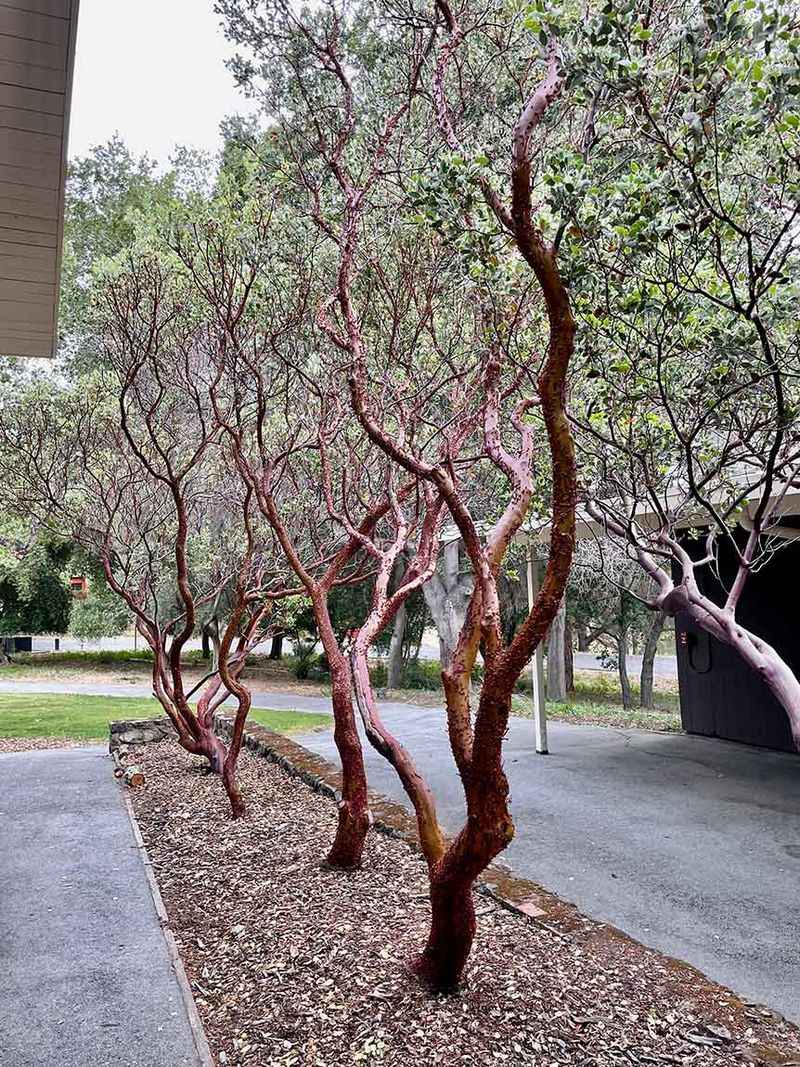
Smooth, twisting bark the color of red wine makes manzanita feel like living sculpture. Gardeners who covet that look often learn the hard way that good specimens are scarce and slow to grow back in stock.
Early winter flowers feed hummingbirds and queen bumblebees when little else is blooming. Varieties like ‘Howard McMinn’ and ‘Sunset’ are forgiving choices for suburban yards.
Many manzanitas can thrive on very little water once established.
Plant in fall and avoid heavy drip irrigation near the trunk during summer. Since nurseries may only get a few batches a year, it pays to reserve one early.
4. Toyon
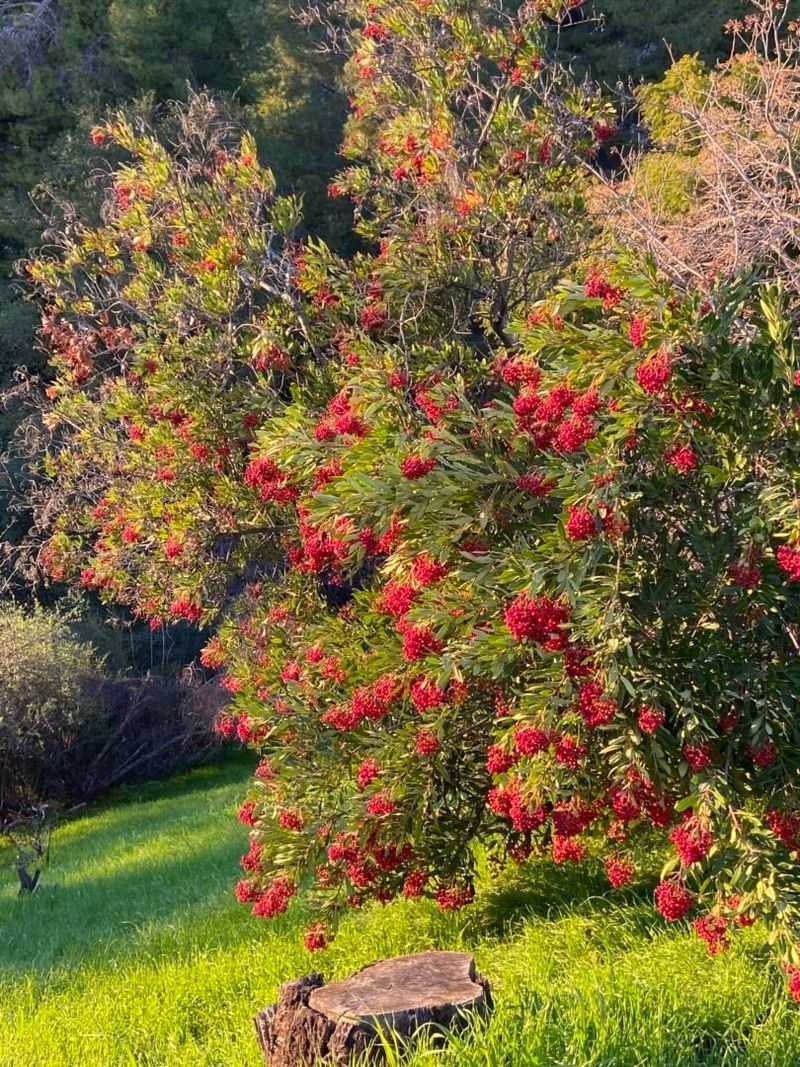
Hollywood was reportedly named for this shrub, sometimes called California holly. Toyon brings holiday-red berries right when birds need food the most.
Robins, cedar waxwings, and mockingbirds flock to the fruit in winter. Summer brings white flowers that pull in pollinators too.
It works well as a tall screen or informal hedge, replacing thirsty non-native shrubs along fences.
Toyon handles clay, sun, and partial shade, which makes it a flexible pick for many yards. Fire-zone homeowners should keep it well pruned and spaced from structures, as with any shrub.
Popular demand for privacy plants keeps it moving off nursery lots quickly.
5. Cleveland Sage
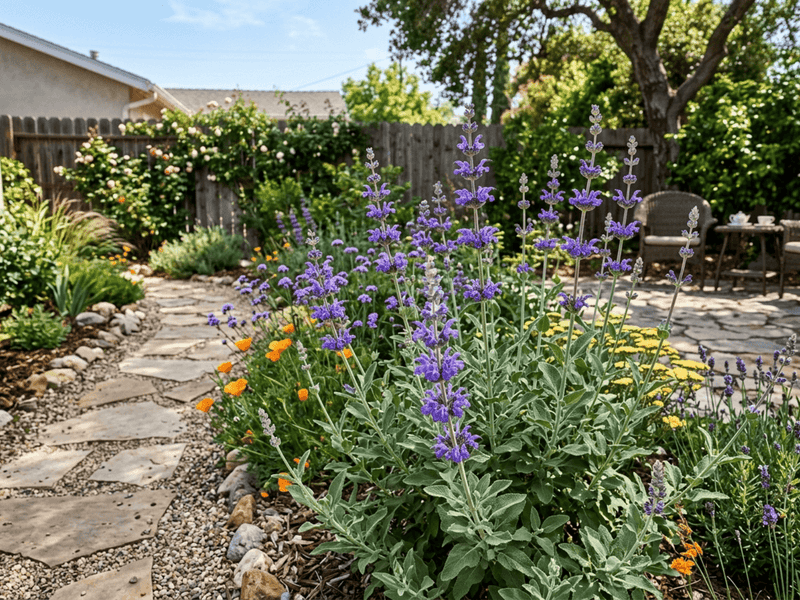
Brush past a Cleveland sage on a warm afternoon and the air fills with a scent many gardeners describe as pure California. That fragrance alone sells plenty of them.
Purple flower whorls bloom in late spring and summer, drawing hummingbirds, bees, and butterflies. The variety ‘Winnifred Gilman’ is a longtime favorite with deep blue-violet flowers.
It grows fast, so new gardens look full in a single season.
Give it full sun, lean soil, and almost no summer water after its first year. Light pruning after bloom keeps it tidy and less woody.
Fast growth and big fragrance make it one of the first natives to sell out each spring.
6. California Fuchsia
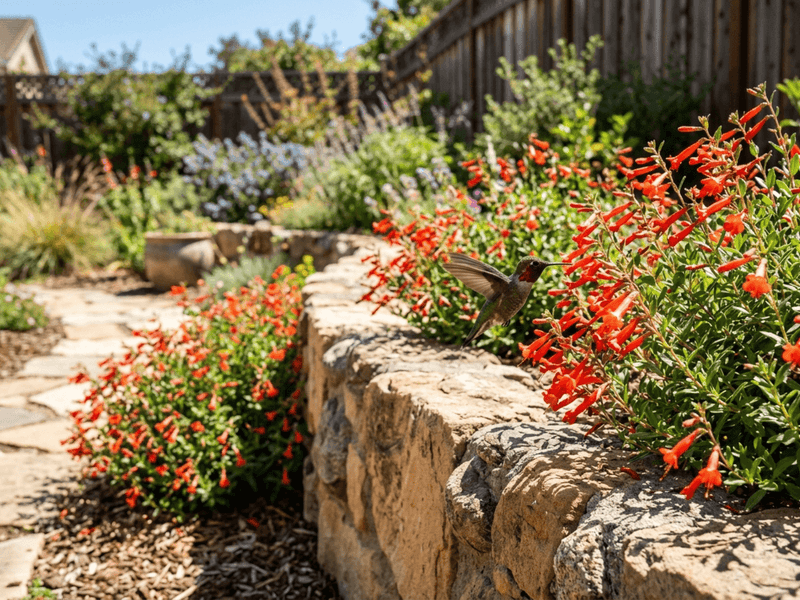
By August, most gardens look tired. California fuchsia saves the day with blazing orange-red trumpets just when hummingbirds are struggling to find nectar.
Epilobium canum spreads into low mounds that spill over walls and slopes. It thrives in heat and poor soil, and it needs very little water once rooted.
Cutting it back hard in winter helps it return fresh and full.
Late summer bloom is the catch. Shoppers notice it flowering in neighbors’ yards and head to the nursery, only to find it already sold out.
Buying it in spring sets you up for a fiery fall show.
7. Deer Grass
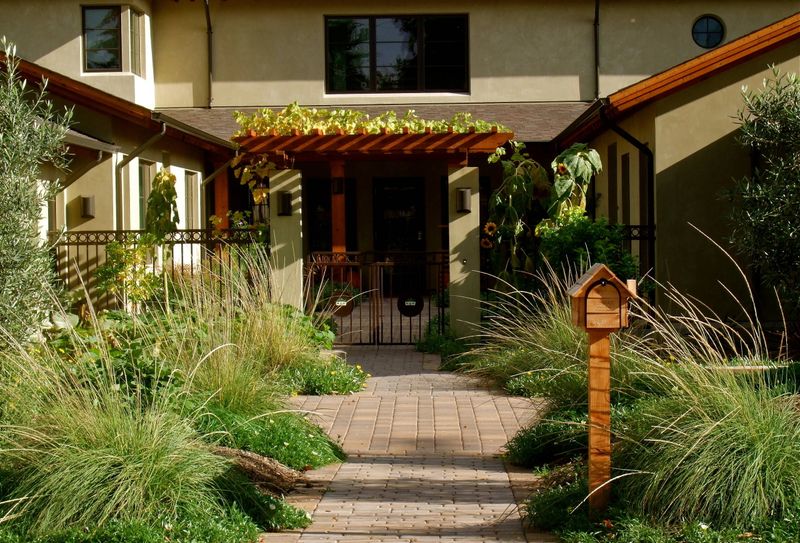
Ripping out a lawn leaves a big empty space, and deer grass has become a go-to filler for that exact moment. Its fountain-like clumps add structure without the water bill of turf.
Muhlenbergia rigens tolerates heat, clay, and drought once established. The dense clumps offer shelter for beneficial insects and small birds.
Many cities with turf-replacement rebates list it as an approved plant, which keeps demand high.
Plant in groups for a meadow look, spacing a few feet apart. Cut back old growth every couple of years in late winter.
Rebate season rushes can clear out local stock in weeks.
8. Hummingbird Sage
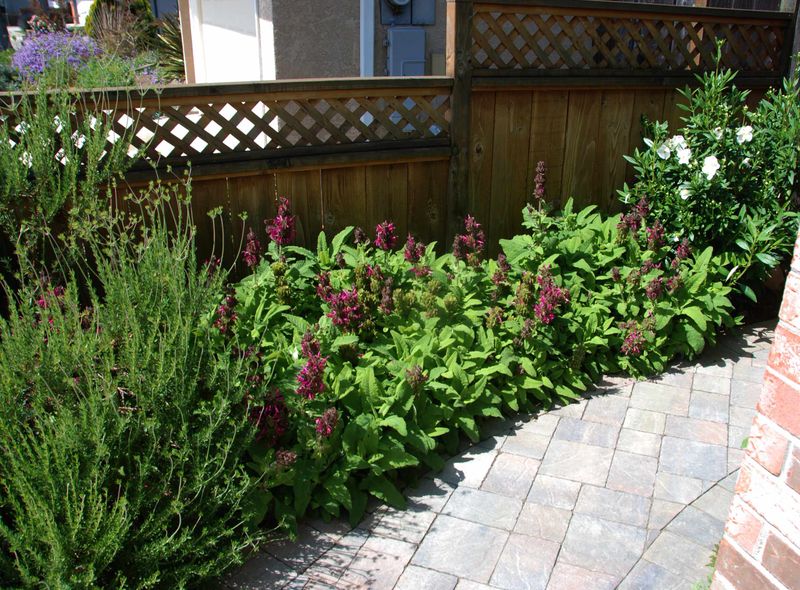
Shady spots under oaks frustrate a lot of homeowners. Hummingbird sage is one of the few natives that actually wants to grow there, which explains why savvy gardeners snap it up.
Magenta flower stalks rise in spring and attract, as the name promises, hummingbirds. The leaves smell fruity and sweet when touched.
It spreads slowly by underground stems to form a soft groundcover.
Bonus: it is generally considered safe under native oaks, where summer watering can harm the tree’s roots. Plant in fall or winter and let rain do most of the work.
9. Coffeeberry
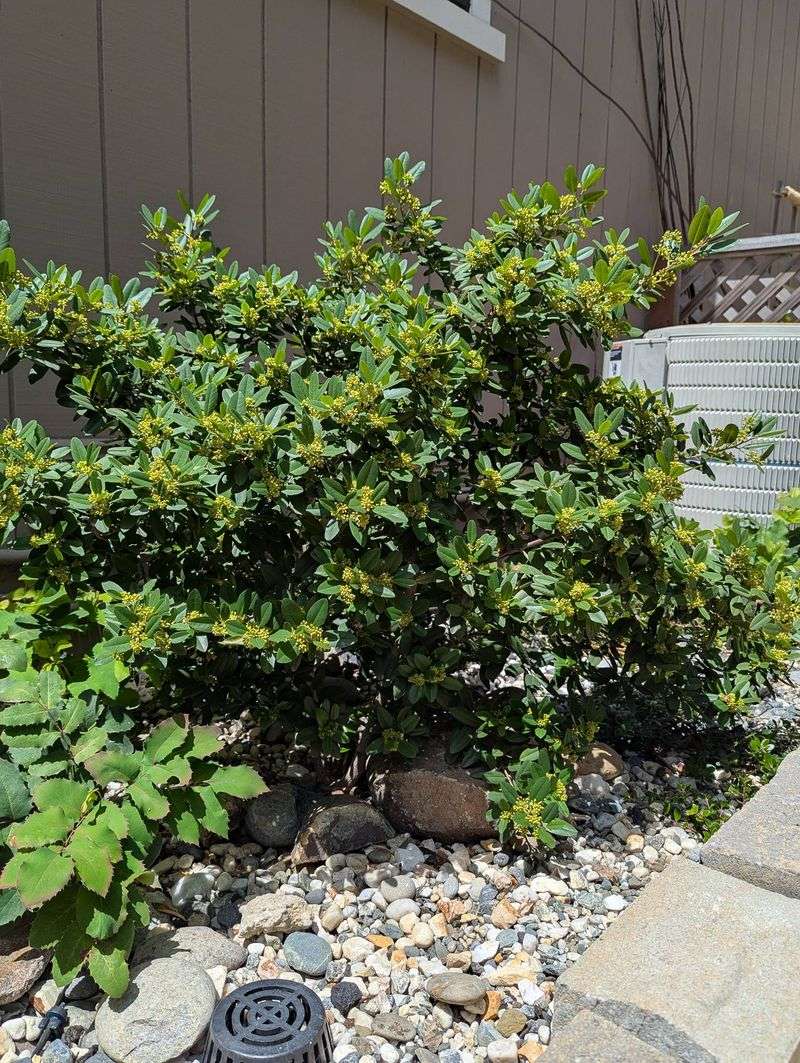
Not every best seller is flashy. Coffeeberry wins fans with tough, glossy leaves that stay handsome year-round, plus berries that turn from red to nearly black.
Birds eat the fruit, and the flowers feed native bees. Compact forms like ‘Mound San Bruno’ and ‘Eve Case’ fit neatly in suburban beds.
It handles sun or part shade and many soil types.
Because it keeps relatively moist foliage with modest watering, some fire-wise plant lists include it, though spacing and upkeep still matter most. That reputation draws hillside homeowners, so stock can tighten during fire season.
10. California Poppy Seed and Starts
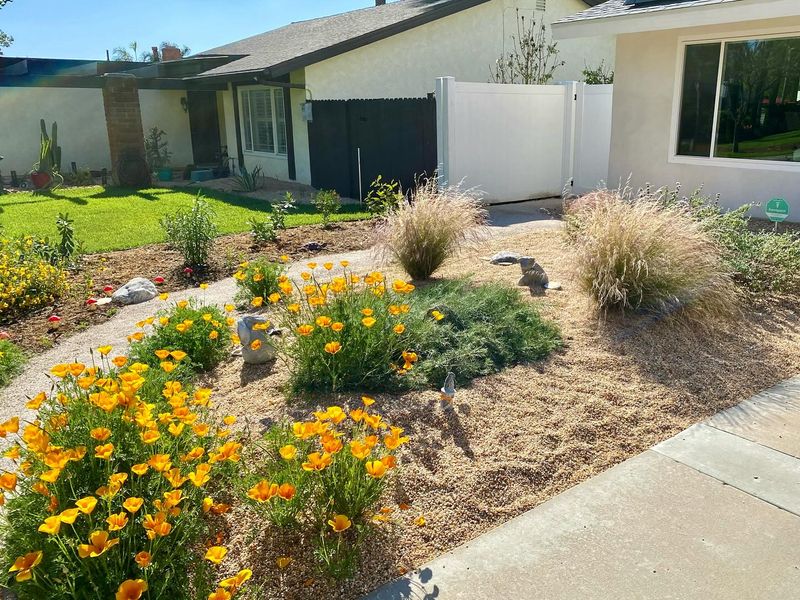
Funny enough, the state flower is one of the easiest plants to miss. Gardeners often think about poppies in spring, when it is already too late to sow them.
Seed should go down in fall so winter rains can sprout it. Bulk seed packs and potted starts tend to sell out once social media fills with superbloom photos.
The flowers support native bees and reseed for years.
Scatter seed on bare, sunny soil and press it in lightly. Skip fertilizer, which tends to favor weeds.
Plan ahead and you will have a golden yard next spring.