
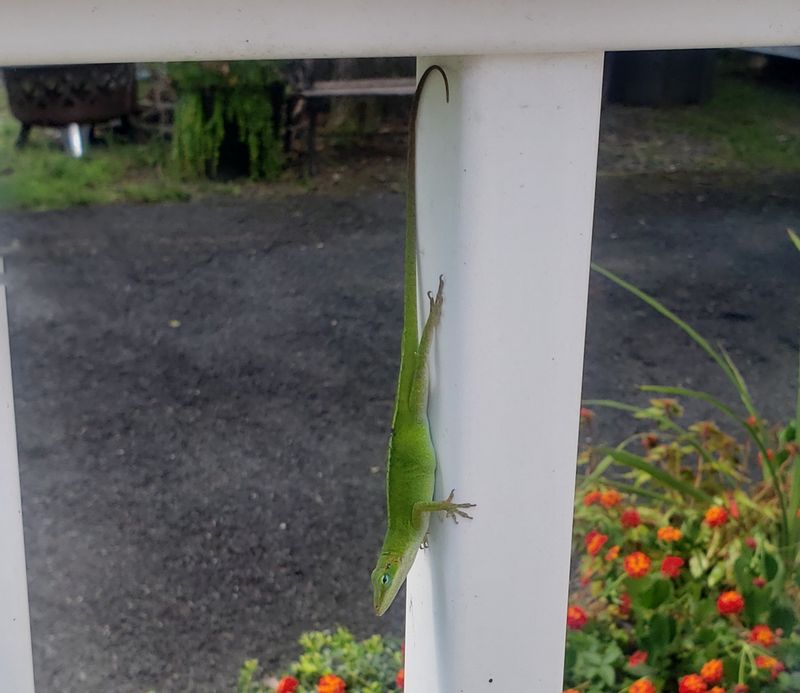
A tiny lizard on your hibiscus may be doing more than soaking up the sun. Anoles hunt small insects, and a Florida yard with good shelter gives them more places to feed.
They will not solve every pest problem, but a few simple habits can support these little hunters while helping protect your plants. Start with the anoles already living nearby, especially Florida’s native green anoles.
1. Plant Native Shrubs With Room to Hide
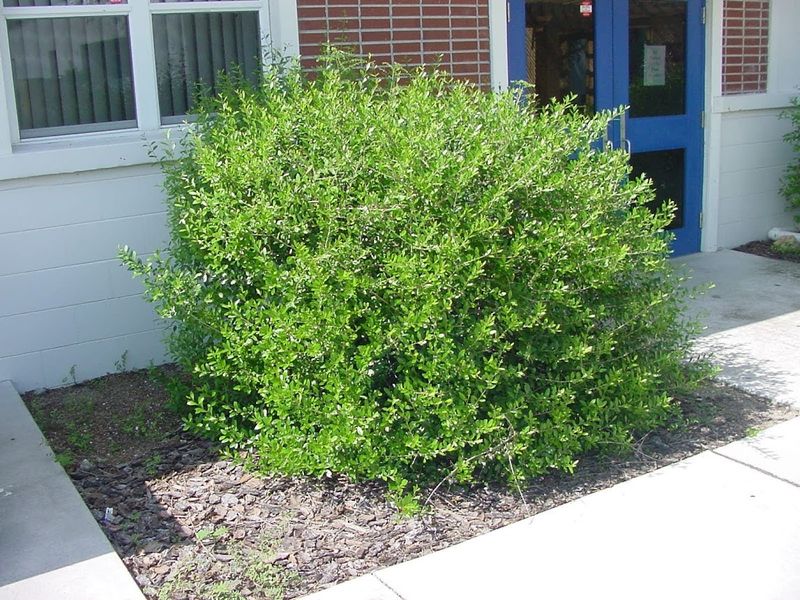
A leafy shrub can serve as a hunting stand, hiding place, and overnight shelter all at once. For an anole, that is much more useful than a wide stretch of closely cut lawn.
Add a Florida-native shrub suited to your region and planting spot. Simpson’s stopper works in many warmer locations, while beautyberry offers a loose, leafy shape where conditions suit it.
Check mature size, sunlight needs, and local suitability through your county UF/IFAS Extension office before buying.
Let the plant keep some of its natural branching instead of clipping it into a tight ball. Small gaps let lizards move through the foliage, while leaves give them cover from birds and other predators.
Place shrubs near existing beds rather than alone in the middle of the grass. Water new plants through establishment, especially in Florida’s fast-draining sand.
Once settled, a well-chosen shrub can provide lasting habitat with less fuss than a plant that needs constant trimming or extra irrigation.
2. Keep Tall Perches Above the Garden Beds
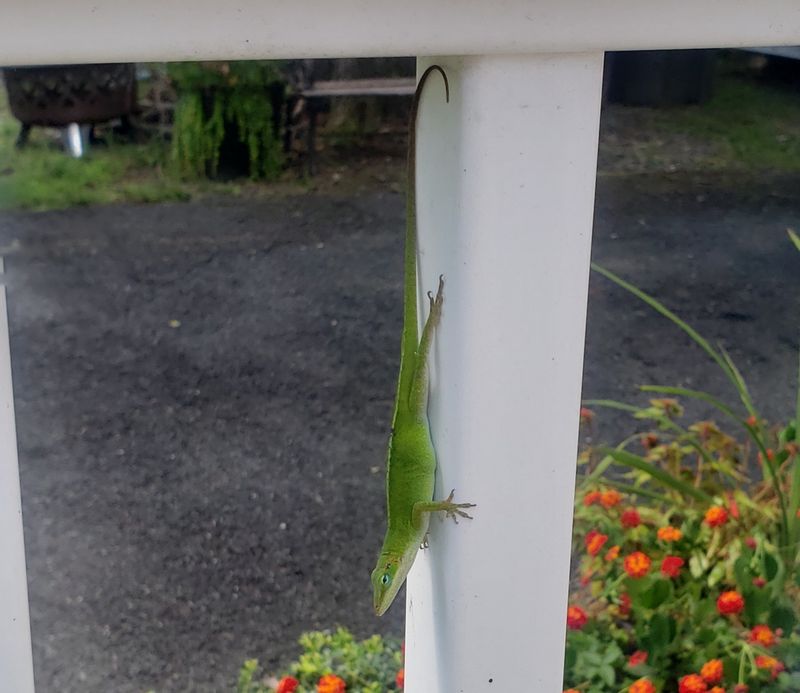
Look up before you decide your yard has no green anoles. These native lizards often use shrubs, trunks, and higher branches, especially where introduced brown anoles occupy lower spaces.
Keep a mix of sturdy stems and small branches above your garden beds. Existing small trees, tall shrubs, and a securely installed trellis with suitable plants can offer useful climbing routes.
Avoid adding loose poles or unsecured decorations that could become storm debris.
Height gives anoles places to watch for moving prey and escape trouble. A bed with several levels offers more choices than one made entirely of short flowers surrounded by bare ground.
There is no need to build a fancy lizard tower. Start by keeping a healthy, well-placed branch that you might otherwise remove just for neatness.
Leave overhead growth where it does not threaten your roof, block safe access, or interfere with utilities. Habitat works best when it fits safely into the yard you already maintain.
3. Replace Routine Bug Spraying With Targeted Care
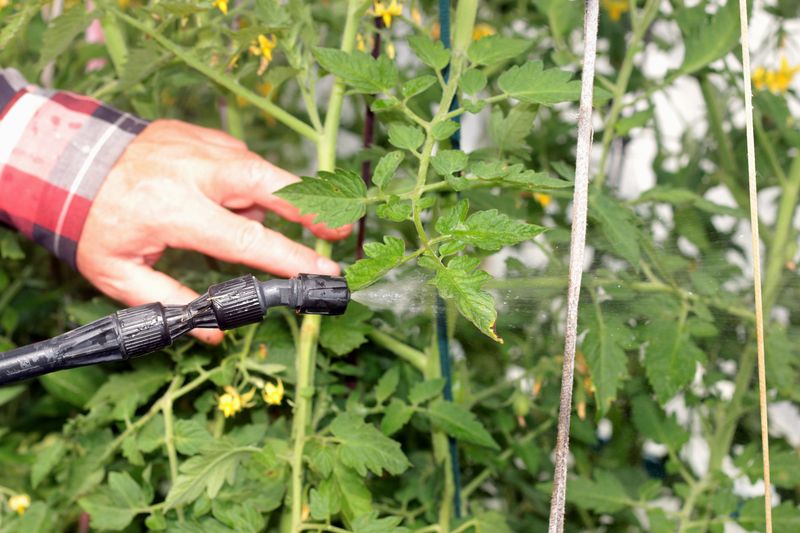
The fastest way to undo a wildlife-friendly bed is to spray every insect you see. Anoles need live prey, and broad insecticide treatments can also harm other useful garden hunters.
Before treating a plant, identify the pest and check whether the damage is actually getting worse. A few chewed leaves do not always call for action.
Look under leaves, inspect tender shoots, and ask your county Extension office for help when the culprit is unclear.
Try a focused response first, such as hand-removing a pest or pruning a heavily infested shoot when appropriate. If a pesticide is needed, choose a product labeled for that plant and pest, then follow every label direction.
Even soaps and oils can harm insects they contact and may damage plants under unsuitable conditions.
Anoles eat a range of small animals, including some helpful insects, so they are not precision pest-control tools. Still, cutting unnecessary spraying preserves the food web that lets lizards and other predators contribute to a healthier yard.
4. Leave a Light Layer of Leaf Litter
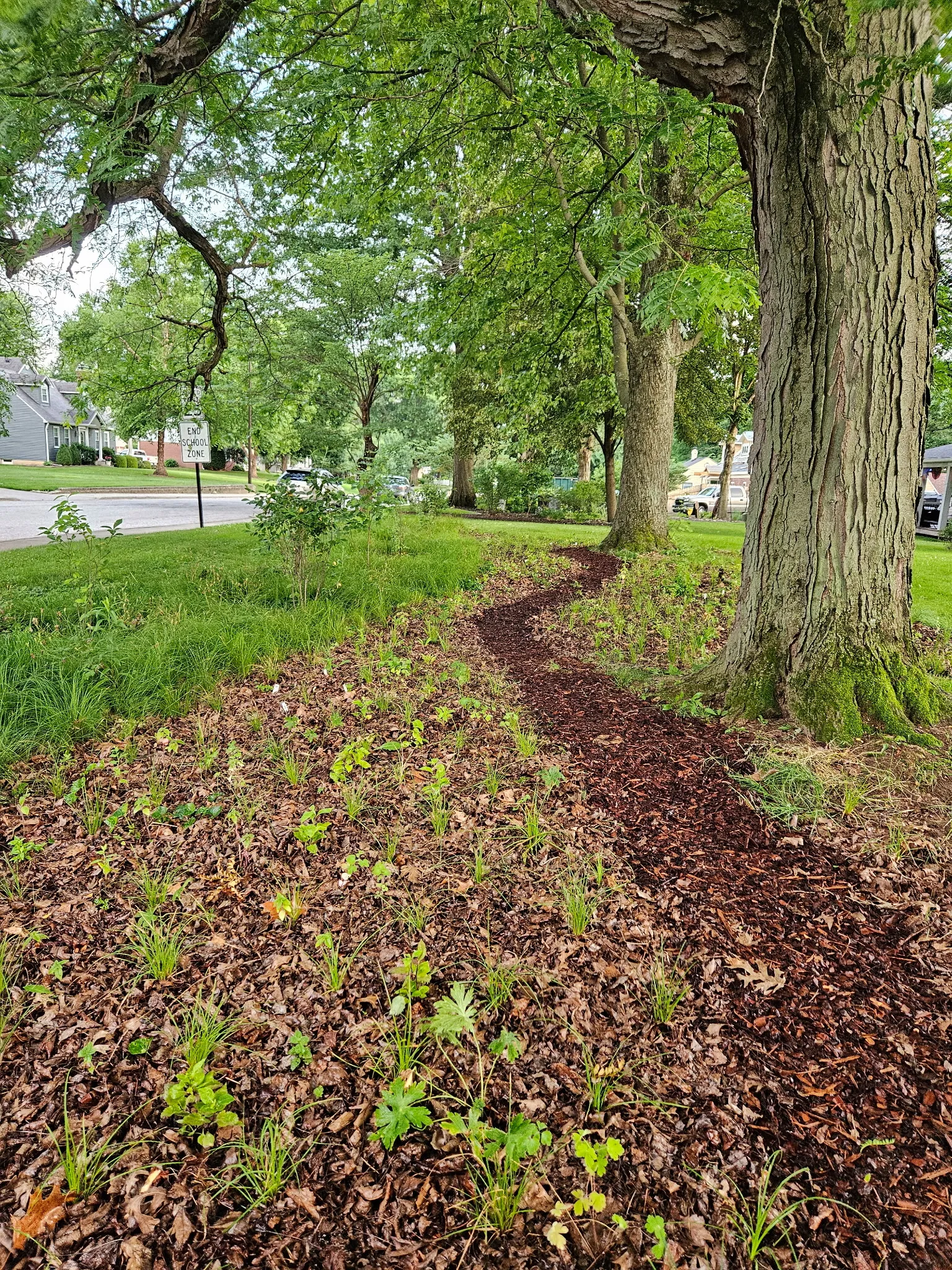
Not every fallen leaf needs a trip to the curb. Beneath shrubs, a modest layer of leaves creates a sheltered ground surface where small creatures can live.
That matters because anole habitat includes more than visible branches. Loose soil, protected crevices, and organic material can provide egg-laying sites, while the small animals around leaf litter help support the wider garden food web.
Rake leaves off sidewalks, drains, and lawn areas where thick piles would cause problems. Move a light layer into suitable beds instead, keeping plant crowns and tree trunks clear.
Avoid deep, soggy mats, especially in spots that flood after Florida downpours.
Where leaves are scarce, maintain a sensible layer of organic mulch rather than leaving every bed bare. Do not dig through sheltered patches just to check for eggs.
The goal is a tidy but living soil surface, not a neglected pile against the house. Keep litter away from foundations where needed for pest inspection and follow local fire-safety guidance.
5. Offer Moisture Without Creating Mosquito Nurseries
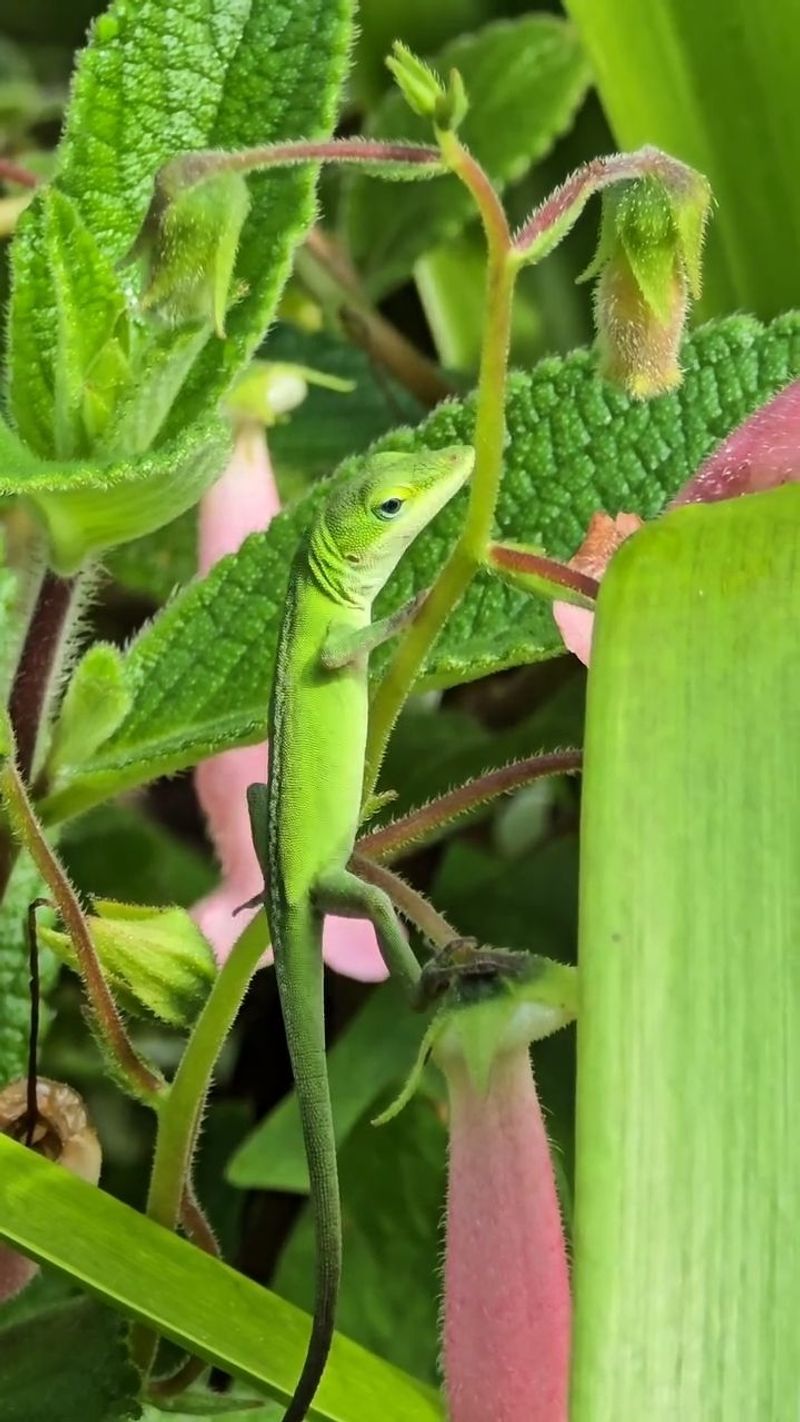
After a shower, watch the leaves rather than the birdbath. Anoles commonly drink droplets from plant surfaces, so moisture on foliage can be useful without adding another water-filled container.
Healthy, properly watered plants are the best starting point. Check soil moisture and follow local watering restrictions instead of running irrigation on a fixed daily schedule.
Established Florida-friendly plants often need less supplemental water than homeowners expect.
During a dry spell, an occasional light morning hand-mist on a small patch of foliage can provide droplets, but it is optional. Avoid soaking leaves every evening or keeping beds constantly damp, which can encourage plant disease and waste water.
Empty buckets, saucers, and other items that collect rain. If you maintain a birdbath for birds, scrub it and replace the water frequently, following mosquito-control guidance.
A yard does not need stagnant water to welcome lizards. Moisture should support healthy plants and wildlife without turning into a breeding site for another pest you are trying to reduce.
6. Balance Morning Sunshine With Nearby Shade
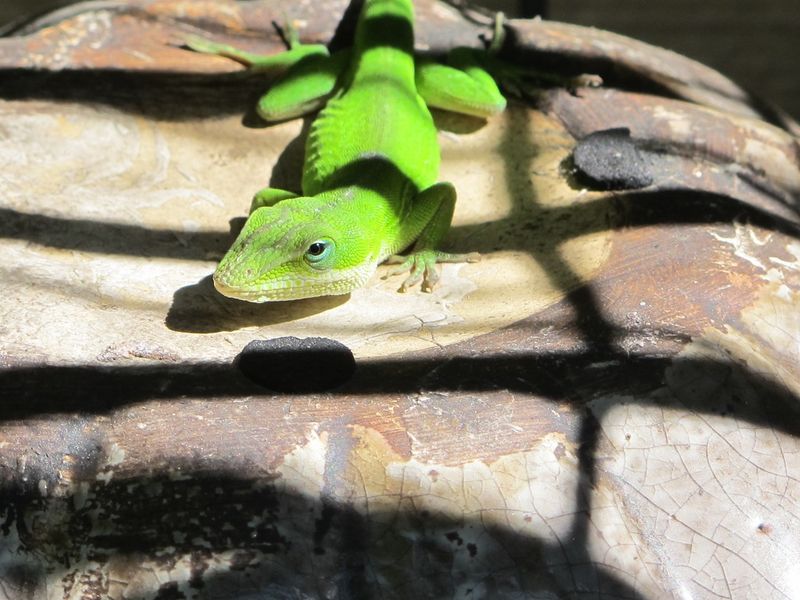
A sunny perch is useful only if a lizard can leave it when it gets too hot. Florida’s strong sun makes nearby shade just as valuable as a warm basking spot.
Arrange a habitat patch along a bed edge that receives morning light and has leafy shelter close by. An east-facing planting often offers this mix, though buildings, fences, and tree cover change conditions in each yard.
Anoles rely on their surroundings to manage body temperature. Moving between sun and shade helps them stay active without being trapped on an exposed surface.
A branch beside foliage offers more options than a bare stone surrounded by pavement.
Before changing the bed, watch where sunlight falls during the day. Keep established canopy where it is healthy and safe, and add appropriately sized shrubs if the area lacks cover.
Avoid clearing a whole border just to create basking space. You are aiming for a small patchwork of warm and cool places, not an outdoor heat trap.
7. Prune in Small Stages
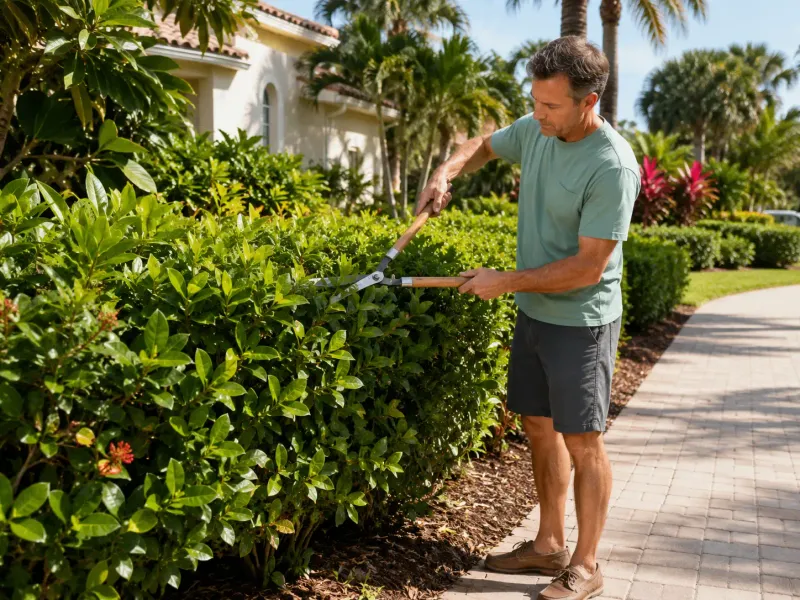
One afternoon with hedge trimmers can erase months of useful cover. When every shrub is cut back at once, resident anoles suddenly have fewer places to hide and hunt.
Work through the yard in stages instead. Prune one small area while leaving nearby vegetation intact, then allow recovery before tackling another section when practical.
Use selective cuts that preserve a plant’s natural form rather than repeatedly shearing every outer leaf.
Check stems before cutting, and pause if a lizard is in the work area. Never grab an anole by its tail to move it.
Give it space to retreat into nearby cover on its own.
Safety still comes first: remove hazardous growth and follow sound storm-preparation practices. For routine appearance work, though, a gentler schedule keeps habitat available throughout Florida’s long growing season.
It can also reduce the flush of tender growth caused by frequent heavy trimming, which may attract certain plant pests. Keep tools clean and match pruning timing to the plant.
8. Connect Beds With Planted Cover

Crossing a broad lawn is a very different trip from slipping through connected plants. Open ground leaves a small lizard exposed, even when good habitat waits on the other side.
Look for easy ways to link existing beds with planted cover. A narrow shrub border along a fence, a cluster of suitable groundcovers, or a widened bed around an existing tree can shorten exposed gaps.
Keep paths, sightlines, and access to utility equipment clear.
Choose plants for your actual conditions rather than buying whatever looks lush at the nursery. Florida’s dry sandy sites, coastal locations, and seasonally wet yards need different choices.
Your county Extension office can help you avoid invasive plants and poor matches.
Start with the shortest gap between two useful habitat patches. You do not need to remove the entire lawn or create a dense jungle.
A connected layout gives anoles more sheltered movement options and can make planting beds easier to mow around, especially when their edges have simple, gentle curves.
9. Keep Cats and Sticky Traps Away From Habitat
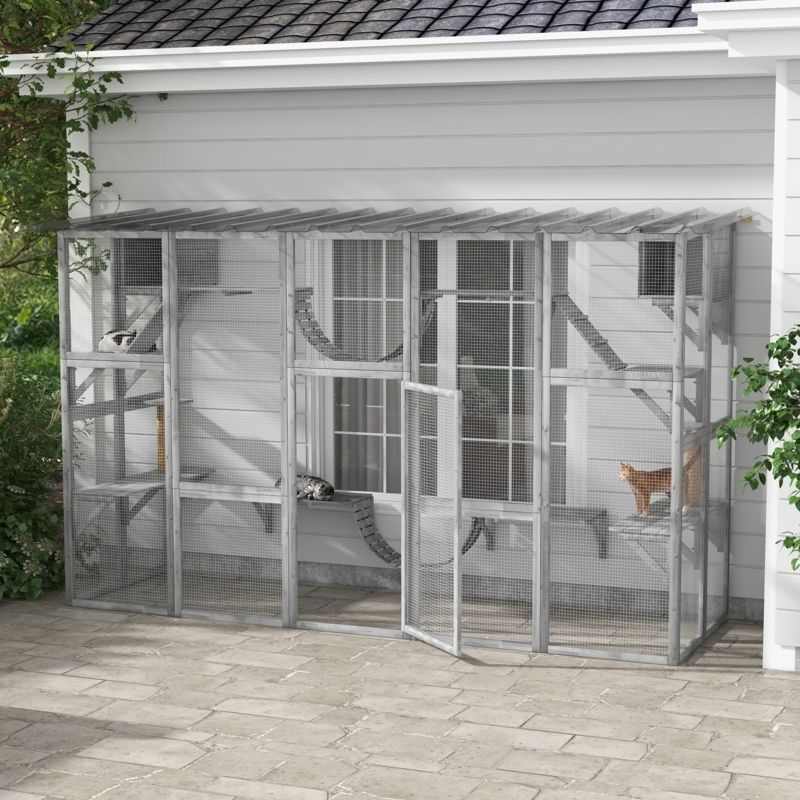
Good cover cannot do much if a cat patrols it every afternoon. Free-roaming cats hunt lizards, including well-fed pets that are not looking for a meal.
Keep pet cats indoors or provide a secure screened enclosure. Florida’s screened porches can offer outdoor sights and smells while keeping pets separated from wildlife.
Check screens and doors for gaps that could let small animals enter and become trapped.
Another hidden hazard is the outdoor glue board. Sticky traps intended for insects or rodents can catch anoles and other animals that wander across them.
Avoid placing exposed adhesive traps in garden beds, on porches, or beside the routes lizards use.
If an anole becomes stuck, contact a wildlife rehabilitator for advice rather than pulling it free. Preventing injuries is far easier than treating them.
You do not need to chase away native birds or snakes to make the yard welcoming; those animals belong to the same food web. Focus on reducing avoidable hazards created by household routines.
10. Welcome Resident Anoles Without Buying More
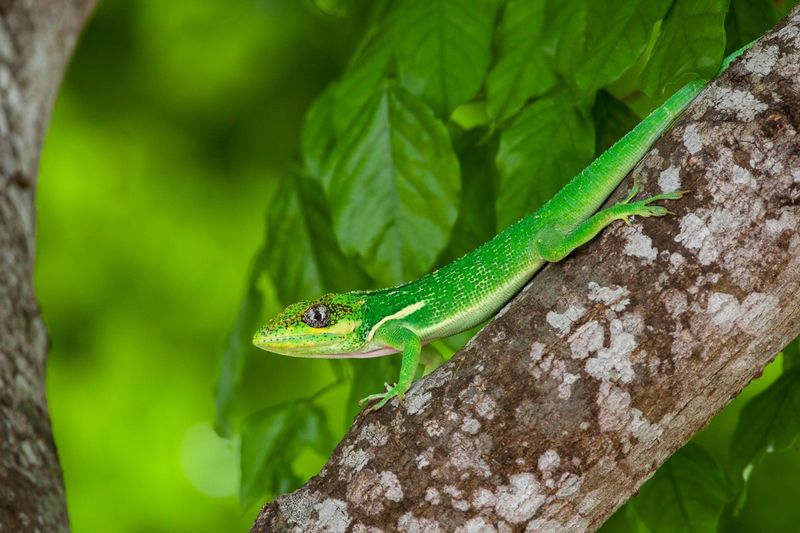
Skip the idea of ordering a box of lizards for pest control. Improving habitat for animals already nearby is a safer choice than buying, moving, or releasing anoles.
Florida has native green anoles and several introduced anole species, including the widespread brown anole. Green anoles can turn brown, so color alone is not enough for identification.
Use a reliable Florida wildlife guide or ask Extension for help if you want to learn which visitors you have.
Releasing purchased animals can spread unwanted species or disease, and it does not guarantee fewer pests. Avoid moving lizards between yards, too.
Let existing populations find suitable shelter on their own.
Spend a few quiet minutes watching the same bed each week. Notice where anoles perch, which plants show fresh damage, and whether a pest population is growing.
They may eat some plant pests, but they also take other small prey and cannot replace regular plant checks. The practical goal is a balanced, appealing yard where resident wildlife contributes, not a promise of bug-free leaves.