
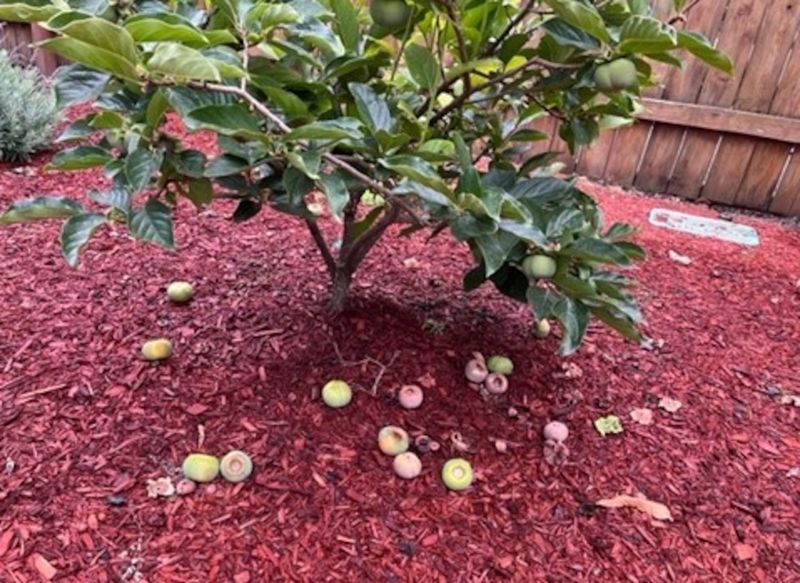
You walk out to your tree and find a few persimmons on the ground, still yellow-orange and not quite ready. It is easy to wonder what you did wrong.
Fruit drop is a clue, not a verdict, and the timing alone does not tell you the cause. A few careful checks can help you protect the fruit still hanging on your tree.
Fruit drop before full color does not identify one cause
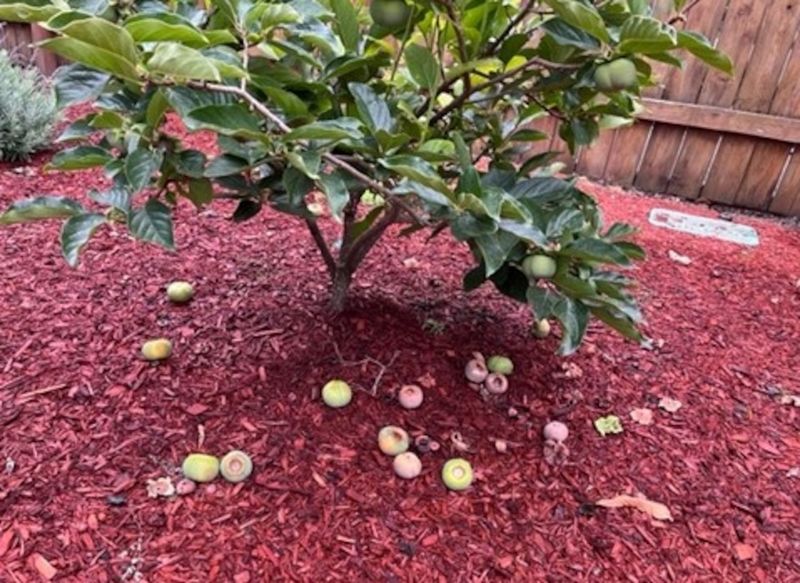
Persimmon trees often shed some young fruit on their own. The tree is adjusting its crop to what it can carry to maturity, much like a gardener thinning an apple branch.
University of Florida extension guidance describes the main drop as happening after petal fall, with later drops generally lighter.
Here is the catch for your yard. Extension sources mostly describe drop after flowering or while fruit is developing.
They do not describe a set event that happens just before fruit turns fully orange in California. So a fallen, almost-orange persimmon does not point to one cause by itself.
Heavier losses can have several possible contributors, including stress from water problems, hot weather, too much nitrogen, or poor light. UC ANR notes that premature fruit drop is common in many fruit tree species, so a little loss is not a sign of failure.
Think of the rest of this article as a short investigation. You will look at the cultivar, the fallen fruit, the soil, and the tree’s surroundings before changing anything.
A few drops may be perfectly normal, and a UC Master Gardener answer on fruit drop echoes that point.
Several growing conditions can contribute to fruit loss
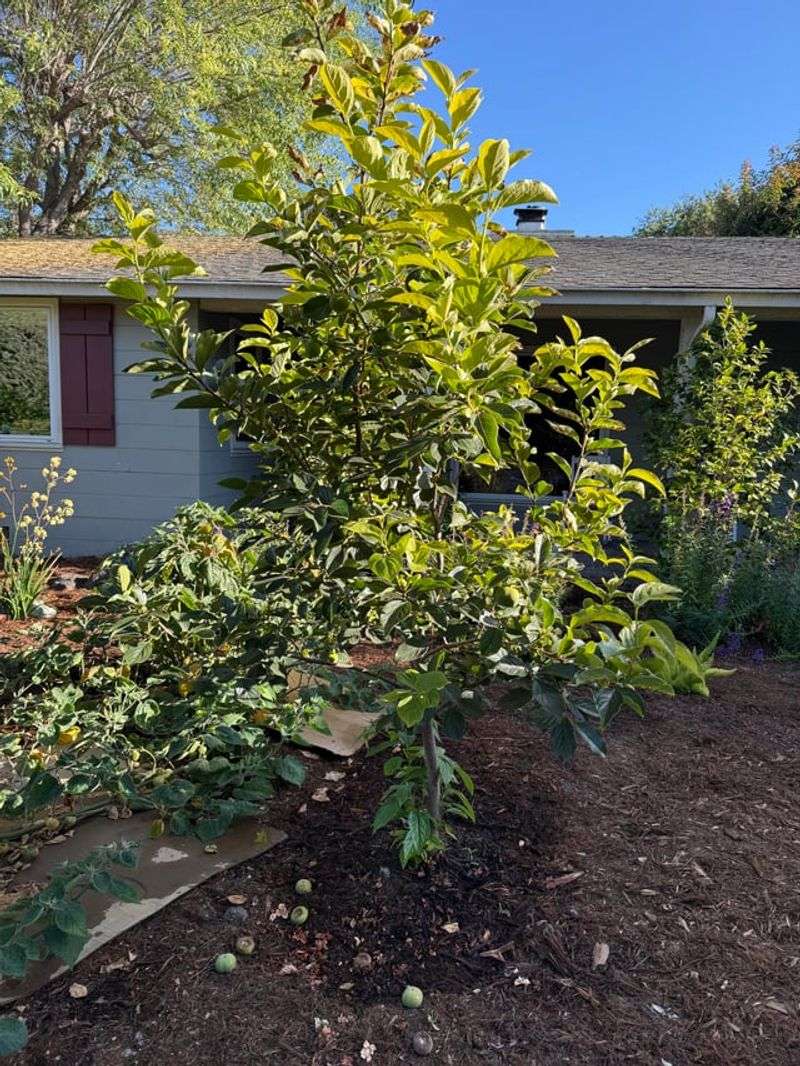
Heat, soil moisture, fertilizer, and light can each play a part in fruit loss. None of them is a confirmed explanation for nearly orange fruit falling.
They are possible contributors worth checking.
California guidance gives a clear example with heat. UC ANR explains that a sudden spring heat spell can trigger drop while small fruit is developing.
That is an early-season event, so it may not explain a fall in autumn.
Moisture matters too. A root zone that gets very dry or stays waterlogged can stress the tree.
Extra nitrogen is another suspect, since the UC Master Gardeners of Sonoma County advise against heavy nitrogen feeding, and UF/IFAS links excess nitrogen with fruit drop.
Light plays a role as well. A tree shaded by a fence, a taller neighbor, or its own dense canopy may carry less fruit well.
Look at these factors together. Ask whether your tree had a heat spike, an irrigation change, a recent fertilizer dose, or a shady, crowded canopy.
If several clues line up, you have a better lead. If none do, the drop may simply be normal thinning, and no fix is needed.
Pollination advice depends on the persimmon
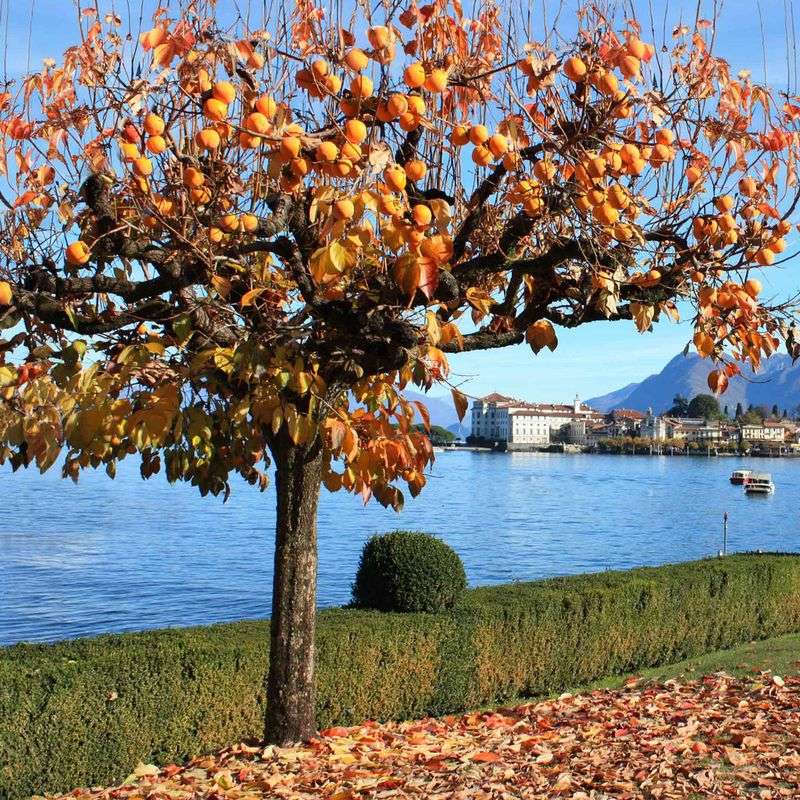
Persimmon pollination is not one-size-fits-all. American and Asian persimmons differ in their needs, so advice for one should not be copied onto the other.
University of Georgia Extension describes these differences, and needs can vary among Asian cultivars too.
Many Asian persimmons can set seedless fruit without pollination. Those seedless fruit may be more prone to drop, according to UF/IFAS.
If your tree is a seedless type, some drop may be part of its habit.
Pollination can reduce drop in some circumstances, but it is not a guaranteed cure. A pollinizer can also lead to seeded fruit and a bigger crop, which means more fruit for the tree to support and more to manage at harvest.
So skip the rush to plant a second tree. Start by finding out which kind of persimmon you have.
The UC IPM persimmon page is a good starting point for California growers. Your nursery tag, a photo of the fruit, or a cut fruit with or without seeds can help you identify the cultivar.
Check whether fallen fruit may be ready to harvest
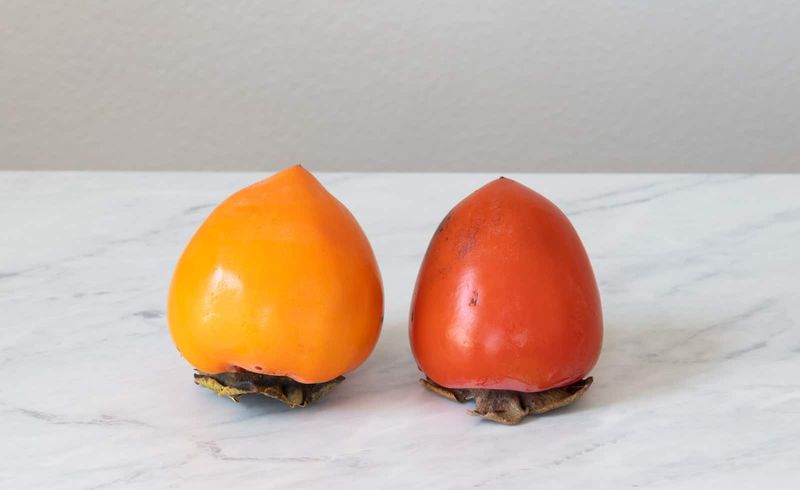
Before calling a fall premature, work out what you are growing. Color alone cannot tell you whether a persimmon is ready, because harvest timing varies by cultivar.
Firm, non-astringent types such as Fuyu can be harvested from yellow-orange onward, according to UF/IFAS. Astringent types should reach full color and be soft or nearly soft for eating.
A fruit that dropped from a Fuyu tree may be edible, while one from an astringent tree may need more time.
Look at the fallen fruit itself. Is it firm, bruised, split, or soft?
Is the skin unblemished? Taste a small piece only if you know your type is non-astringent.
Wildlife can confuse the picture. Texas A&M extension notes that animals may take fruit near maturity, which can look like unexplained loss.
When you pick, clip the fruit rather than twisting it. Frost is not required for persimmons to ripen or become edible, and it can damage immature fruit.
For California-specific timing, the Sonoma County Master Gardener guide is a helpful reference.
Adjust watering and fertilizer to the tree’s conditions
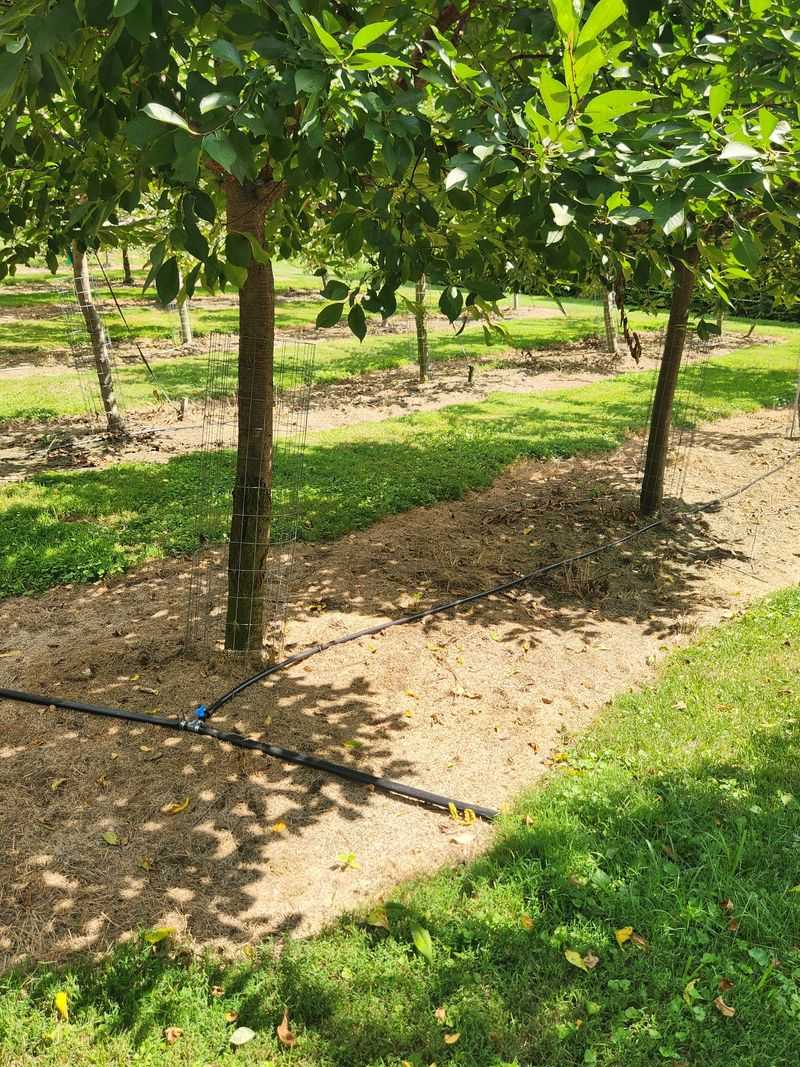
The best watering plan comes from your own yard, not a calendar. UC IPM explains that both too little and too much soil moisture can harm landscape plants, and that frequency should fit your soil and conditions.
Start by checking that water actually reaches the root zone. Dig a small hole with a trowel a day or two after irrigating and see how deep the moisture goes.
Soil type, drainage, tree age, weather, and your irrigation system all change what works. UC IPM’s fruit tree watering page offers more on this.
In California, the Sonoma County Master Gardeners suggest irrigating in spring when rain is short and in summer to maintain moisture. Established persimmons tolerate short dry periods but need regular water for a good crop.
Regular does not mean soggy, so let drainage guide you.
For fertilizer, hold back unless you have a reason. UF/IFAS links excess nitrogen with fruit drop.
Lots of fast, leafy shoot growth is a sign to skip the feeding. Steady moisture and mulch may reduce losses, but they will not stop all drop.
Track when and how the fruit falls
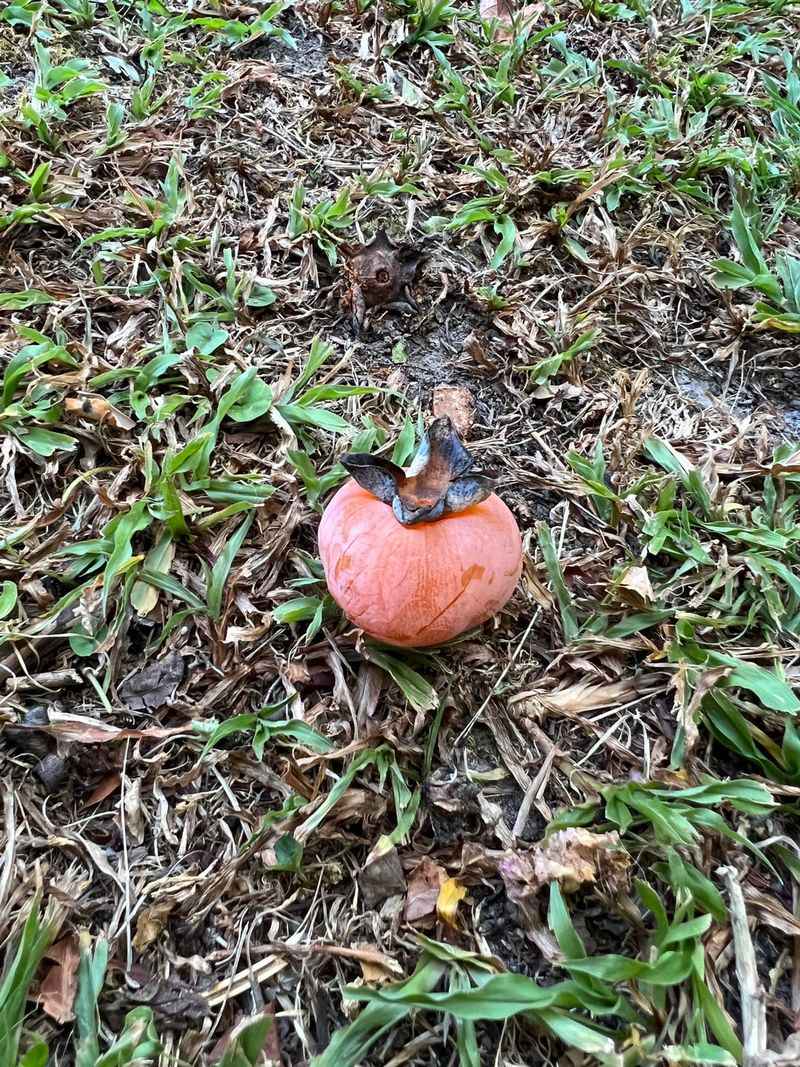
A simple notebook can solve more than guesswork. For a couple of weeks, jot down the date fruit falls and how much lands under the tree.
Take quick photos of the fallen fruit too.
Next, look closely at each one. Is the skin damaged, bitten, or split?
Is the fruit firm or soft? Then scan the tree for signs of drought, poor drainage, or very long, fast-growing shoots.
Texas A&M extension lists these as useful things to note.
These notes will not prove a cause by themselves. They point you toward what to check next.
Dry soil and wilting leaves suggest looking at irrigation. Lush shoots suggest reviewing fertilizer.
Clean, mature-looking fruit suggests a harvest check or your cultivar type.
Remember wildlife. Birds, squirrels, and other animals may take or knock down fruit near maturity.
Chewed skin or missing fruit with no clear stress signs can point that way. For California pests and persimmon issues, see the UC IPM persimmon page.
Reduce avoidable stress, not every drop
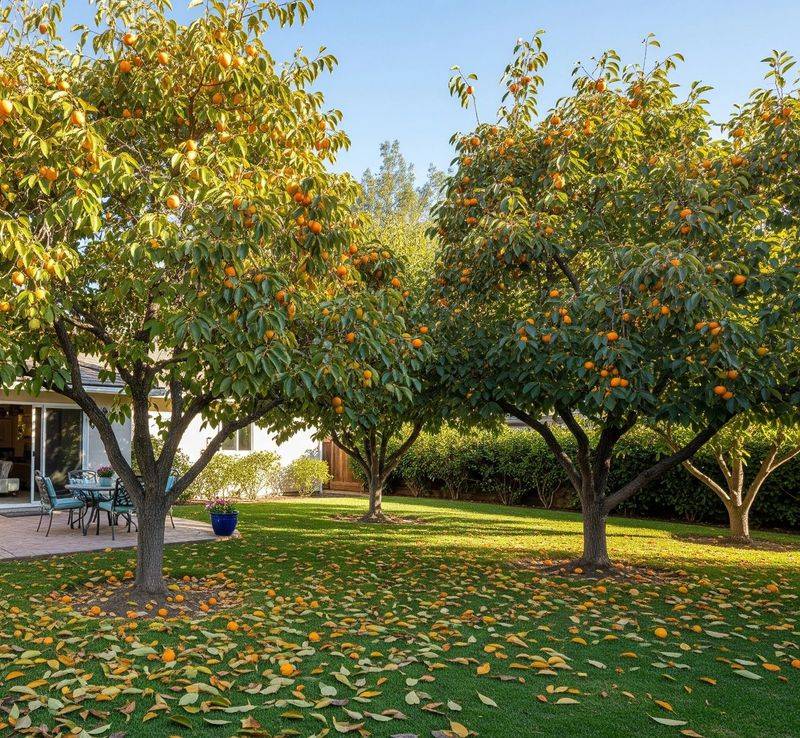
Start with the basics: identify your cultivar, check whether the fruit is ready, and fix only the clear problems in water or fertilizer. As Texas A&M notes, water and mulch may reduce losses but cannot eliminate them.
The Sonoma County Master Gardener guide can help you fine-tune care.
A persimmon tree will always let a few go. Care for the soil and the tree, and let it keep what it can.