

You walk outside with your coffee and find your lawn looking like someone attacked it with a spoon overnight. In Central Texas, that mess usually belongs to the nine-banded armadillo, and fall is when the digging often gets worse as they bulk up on grubs before winter.
The good news is that a few easy fall habits can make your yard far less tempting. Here are eight practical steps that may help keep those nightly excavations to a minimum.
1. Treat Grubs Before They Become a Buffet
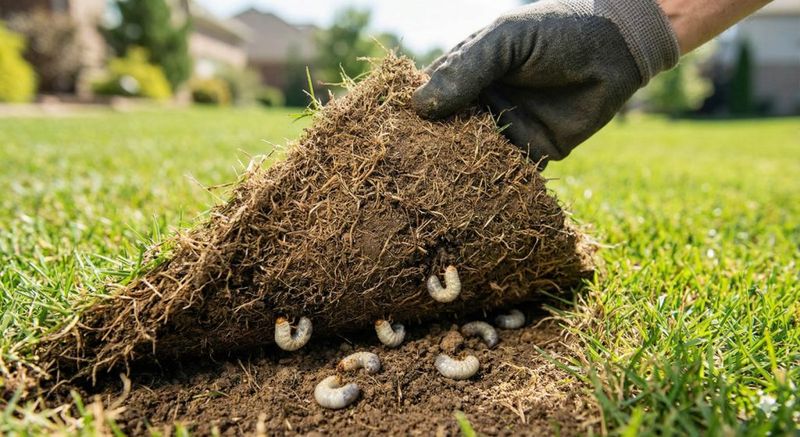
Armadillos are not digging for fun. They are hunting, and white grubs are one of their favorite snacks hiding just under your St. Augustine or Bermuda grass.
Early fall is a smart time to check. Cut a one-foot square of turf on three sides, peel it back, and count the grubs.
If you find more than five to ten, your lawn may be ringing the dinner bell every night.
Beneficial nematodes are a gentle option that can reduce grub numbers, especially when applied to moist soil in the evening. Some homeowners choose a labeled grub control product instead.
Either way, fewer grubs can mean fewer reasons for an armadillo to stop by, though they also eat earthworms and other insects, so expect improvement rather than perfection.
2. Water in the Morning, Not at Dusk

Picture soft, damp soil at 10 p.m. To an armadillo, that is an open invitation, because worms and grubs rise toward the surface and digging takes almost no effort.
Shifting your sprinkler schedule to early morning lets the top layer dry out by nightfall. Your grass still gets the moisture it needs, and you lose less water to evaporation than you would midday.
Most Central Texas cities already set watering days and hours, so check your local rules from Austin to Waco before adjusting the timer. A simple schedule change costs nothing and may help make your yard a tougher place to forage after dark.
3. Rake Up Leaf Piles and Mulch Hideouts
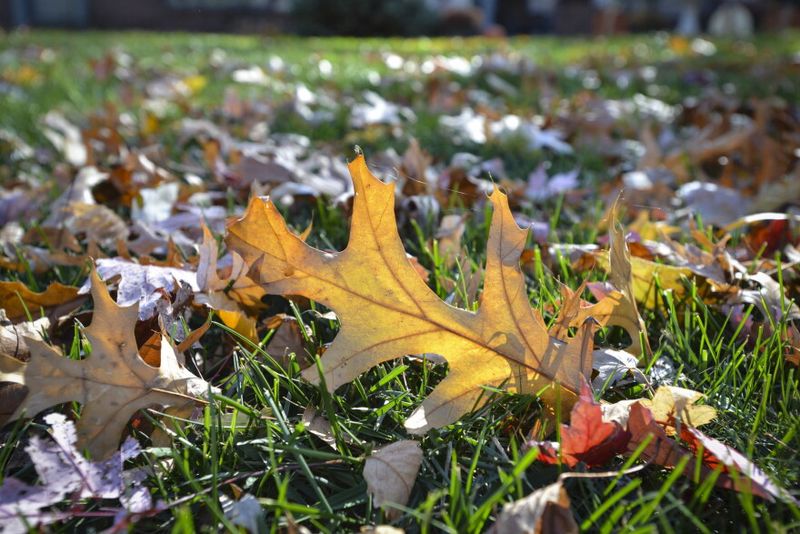
Live oak and pecan leaves start piling up in fall, and those cozy heaps are basically insect hotels. Beetles, crickets, and larvae gather underneath, and armadillos know exactly where to look.
Raking regularly removes that easy food source. If you love mulch in your beds, keep it at a reasonable depth, around two to three inches, and pull it back a little from the lawn edge.
Bagged leaves can go into a closed compost bin away from the house. Your yard looks tidier, and the late-night snack bar quietly closes for business.
4. Install a Buried Fence Along Problem Edges
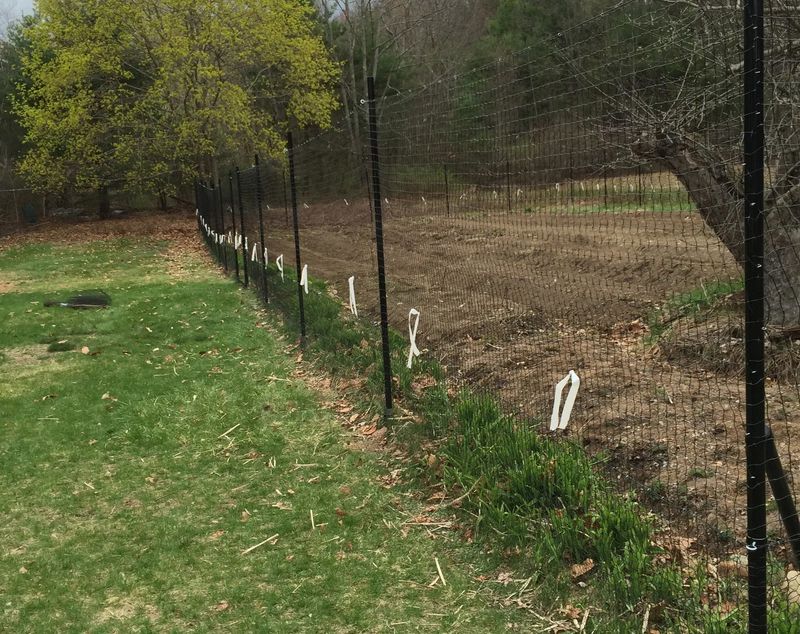
Fun fact: armadillos can hold their breath for about six minutes and walk across the bottom of a creek. Fences that stop at ground level do not impress them much.
A short fence works better when it goes underground too. Bury hardware cloth or welded wire about 12 to 18 inches deep, then bend the bottom outward in an L shape so a digger hits a wall.
Fencing a whole property is a big job, so start with garden beds or the side of the yard that backs onto woods or a creek. Cooler fall weather makes trenching far more pleasant than doing it in August.
5. Seal Off Burrow Spots Under Decks and Sheds
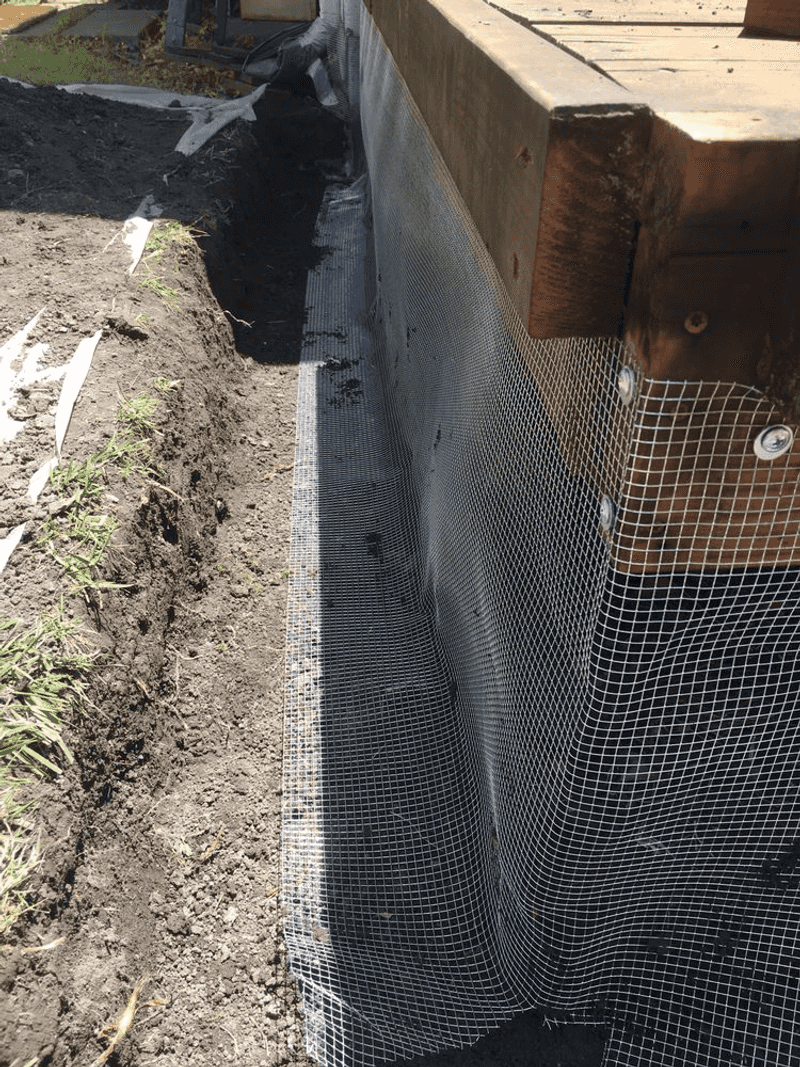
Nobody wants a roommate who tunnels under the shed. Yet that dark, dry gap beneath your deck is prime real estate for an armadillo looking for a winter den.
Walk your property in fall and look for burrow openings about seven or eight inches wide. Before sealing one, make sure it is empty.
Loosely stuff it with leaves or newspaper and see if it stays undisturbed for a few days.
Once clear, close the area with buried wire mesh skirting. Taking away shelter often pushes these animals to move on, since they prefer to live close to where they eat.
6. Add Motion-Activated Sprinklers or Lights
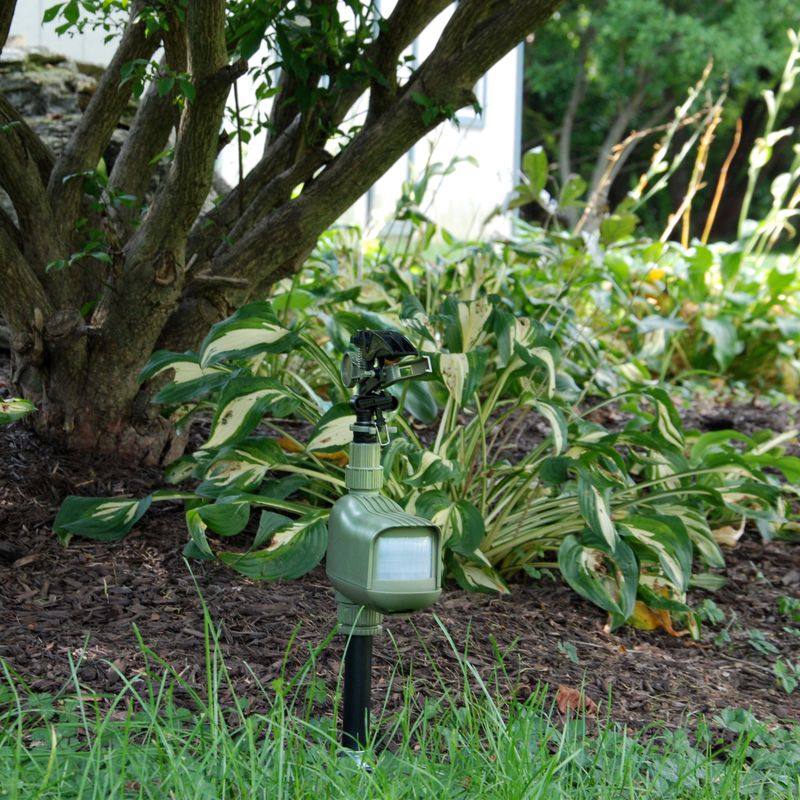
Armadillos have poor eyesight but plenty of nerve. A sudden blast of water, though, tends to startle almost anyone.
Motion sprinklers placed near the spots that get hit hardest can make nightly visits unpleasant. Some homeowners also try motion lights.
Results vary, and a determined animal may get used to them over time, so moving the devices every week or two helps keep the surprise fresh.
These gadgets work best paired with the other habits here. Think of them as a doorbell that says nobody is welcome after dark.
7. Repair Damage Fast So Soil Stays Firm
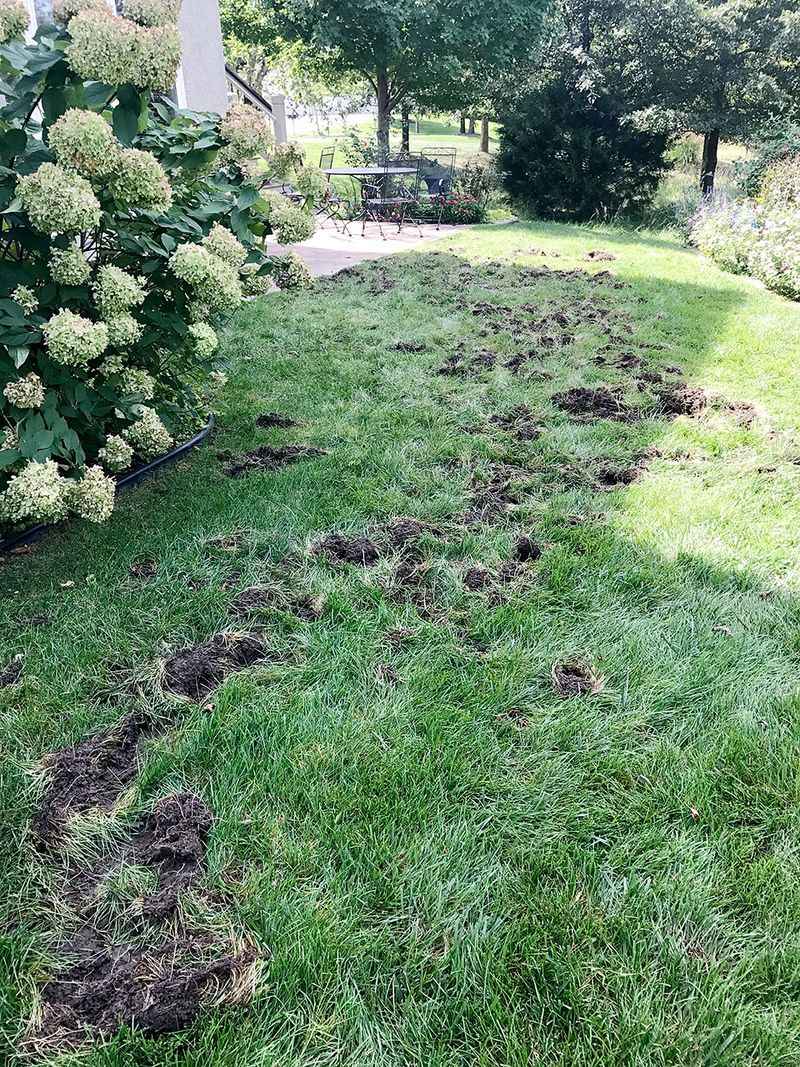
Here is a habit most folks skip. After a rough night, press those torn chunks of grass back into place right away and give them a quick drink of water.
Loose, churned soil is easy to dig again, and fresh holes can expose more insects for a return visit. Tamping the turf down firms up the surface and helps roots reconnect before the first cold snap.
Fall growth in warm-season grasses slows down, so quick repairs give your lawn its best shot at healing before dormancy. It is a five-minute chore with a real payoff.
8. Call a Licensed Trapper When Nothing Else Works
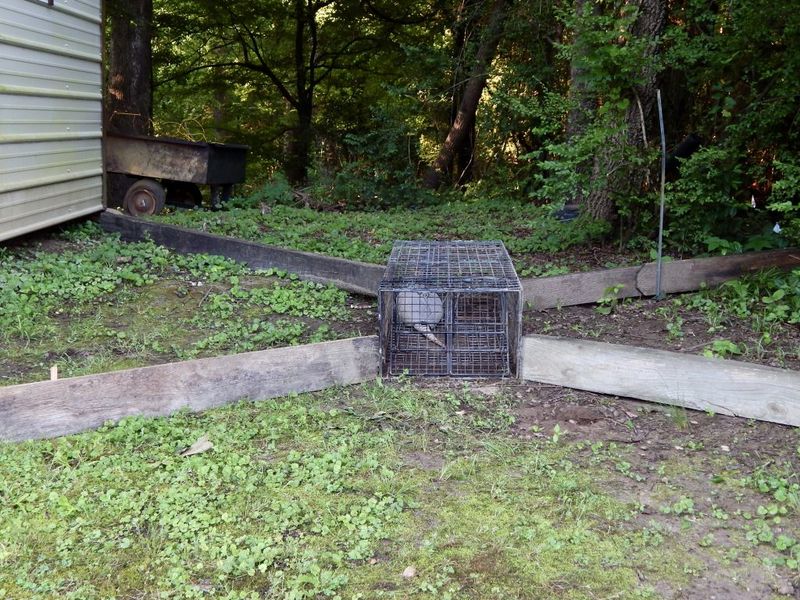
Sometimes one stubborn armadillo simply refuses to take the hint. When that happens, a licensed wildlife control operator can be your best next step.
Professionals know where to place traps along fences and travel paths, and they understand Texas rules on handling and relocating wildlife. They also take precautions, since armadillos can carry the bacteria that cause leprosy, even though the risk to people is low.
Removing one animal will not keep others away forever. That is why the fall habits above still matter, turning your yard from a midnight buffet into a place that just is not worth the trouble.