
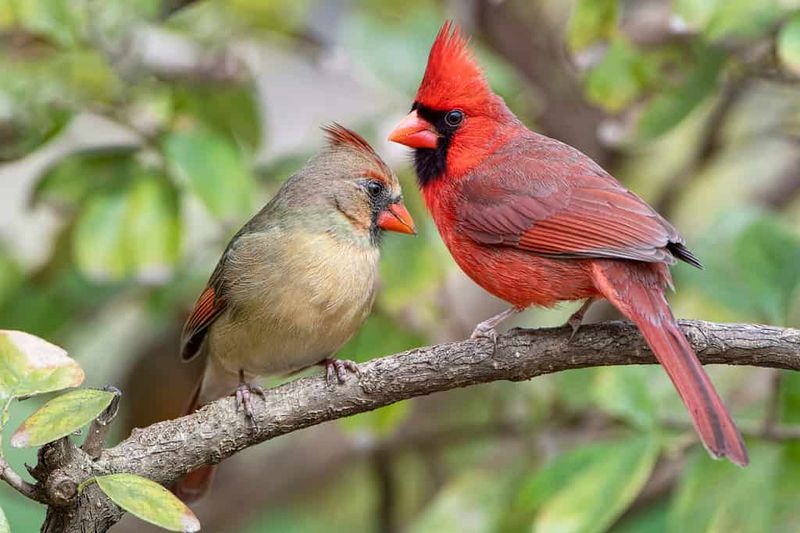
A bright red male and his softer tan and rust mate perched side by side on a winter branch is a sight many Florida homeowners love. Northern Cardinals live here all year, so those visits can feel like old friends stopping by.
But what is really going on between the pair, and what does your yard have to do with it? Here is what is known, what is not, and how to make your space safer and more useful for the birds that do drop in.
What seeing cardinals together in winter really means
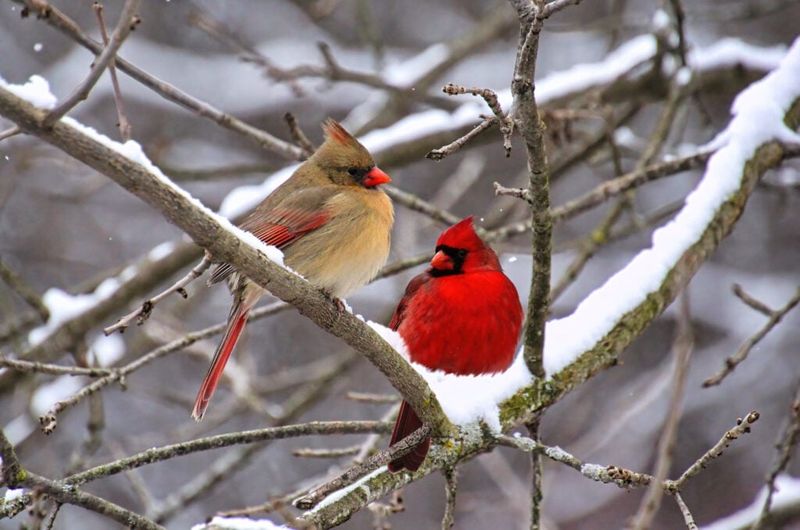
Northern Cardinals live in Florida all year, so you do not have to wait for a seasonal visit to spot one. Many mated pairs may stay together through winter, which is why a red male and a tan female often turn up near each other in cooler months.
According to Cornell’s life history notes, pairs may remain together through the colder season, but some split before the next breeding season.
Cornell also reports that up to 20 percent of pairs split by the following season. That is a general finding for the species, not a Florida-specific rate, so it should not be read as a count for your neighborhood.
It simply reminds us that a pair bond is not a promise of forever.
Winter can look different from a tidy couple on a branch. Cardinals may join flocks of a dozen or more, so a pair might use your yard without showing up together on every visit.
You may see the male alone at breakfast and the female at the bath that afternoon.
There is another catch. A male and female seen together on a given morning cannot be assumed to be the same two birds you saw last week.
Without marked birds, you are reading a pattern, not a confirmed partnership. Researchers have also studied extra-pair paternity in Northern Cardinals, so the term mated pair describes a social partnership, not strict exclusivity.
A useful yard does not hold a pair together
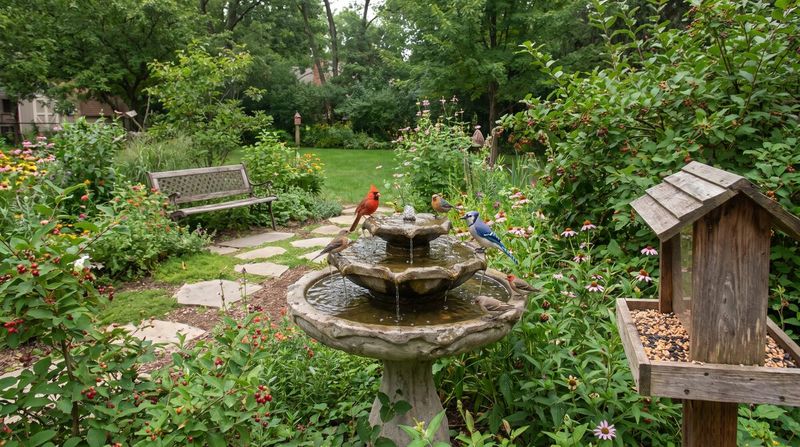
Here is the honest line between what you can do and what you cannot. A yard can give cardinals reasons to stop, forage, drink, and rest.
It cannot decide whether a particular pair stays bonded, and it cannot make birds loyal to one property.
UF/IFAS names food, fresh water, and safe cover as the basics for encouraging birds to visit. Notice the wording: encouraging visits.
Nothing in that guidance says a shrub, feeder, or bath will keep a specific pair around.
Think of your yard as a welcome mat, not a leash. Some days the pair may stop by together, some days one bird arrives alone, and some weeks you may see neither.
Those gaps do not mean you did something wrong.
That mindset makes the work more fun. You can plant, tidy, and set up for birds in general, then enjoy whoever turns up.
The next sections walk through plants, water, feeders, and safety, in that order of importance.
Native layers offer food and shelter
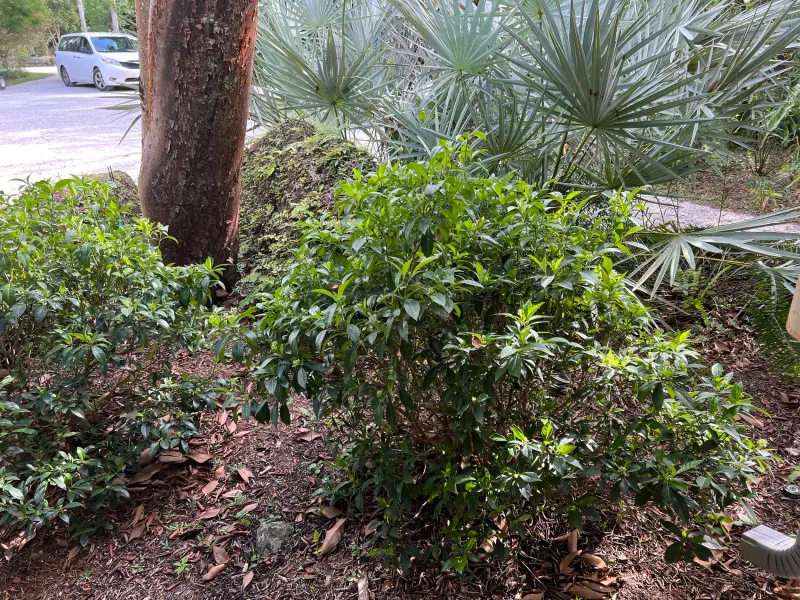
Cardinals eat mainly seeds and fruit, adding insects to the menu. Cornell notes they forage on or near the ground and favor dense, shrubby habitat.
So a yard with only lawn and a few tall palms leaves them little to work with, while layers of shrubs, small trees, and leaf litter give food and a place to duck out of sight.
For berry- and fruit-bearing choices, UF/IFAS lists Simpson’s stopper, native hollies, American beautyberry, wild coffee, wax myrtle, and red mulberry. These are general bird-friendly plants.
Match each one to your region, soil, light, and moisture, since a pick that thrives in a sandy North Florida yard may struggle elsewhere.
If you garden in South Florida, Fairchild Tropical Botanic Garden lists live oak, wild coffee, dahoon holly, saw palmetto, and some native vines as plants used by or attractive to cardinals. That list is for South Florida, not a statewide prescription, so treat it as a regional starting point.
Skip invasive plants, even when birds eat their fruit. UF/IFAS flags Brazilian pepper, nandina, coral ardisia, asparagus fern, and Surinam cherry as invasive berry plants for Florida landscapes.
A good practical step is to plant in layers: a tall canopy tree, a mid-height shrub screen, and low cover near the edge. Plantings support birds in general, and they cannot promise a particular pair will move in.
Water and feeders add resources—and upkeep
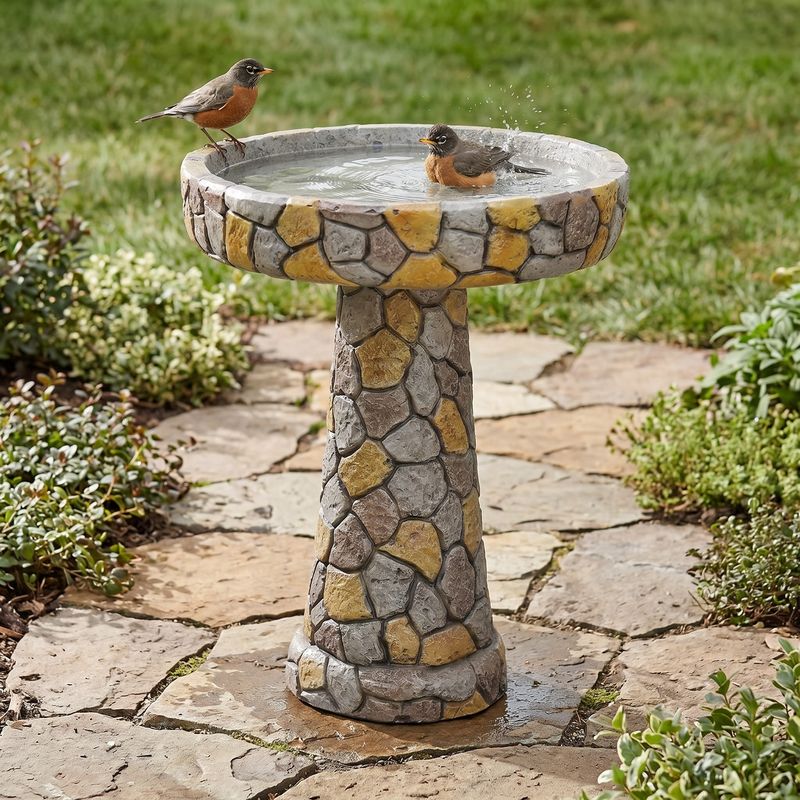
Water and feeders are extras, not replacements for good plantings. If you add a birdbath, keep it shallow.
UF/IFAS recommends water no deeper than 2 to 3 inches in the middle, regular washing, and water changes at least weekly in summer to prevent mosquito larvae. Neglected water can turn from a help into a hazard.
Feeders are optional too. Black-oil sunflower is a reasonable seed for cardinals, and UF/IFAS feeder guidance stresses cleaning feeders and avoiding spoiled food.
For certain feeder materials it gives a 10 percent bleach solution, so follow the full instructions and let the feeder dry completely before refilling.
Build a simple routine. Check seed for dampness or clumping, toss anything that smells off, and sweep up spilled hulls under the feeder.
Offer small amounts you can keep fresh rather than a large load that sits through a rainy week.
Neither a bath nor a feeder will hold a pair to your yard. They simply give visiting birds a drink or a snack, which is worth doing only if you can keep them clean.
Reduce hazards for visiting birds
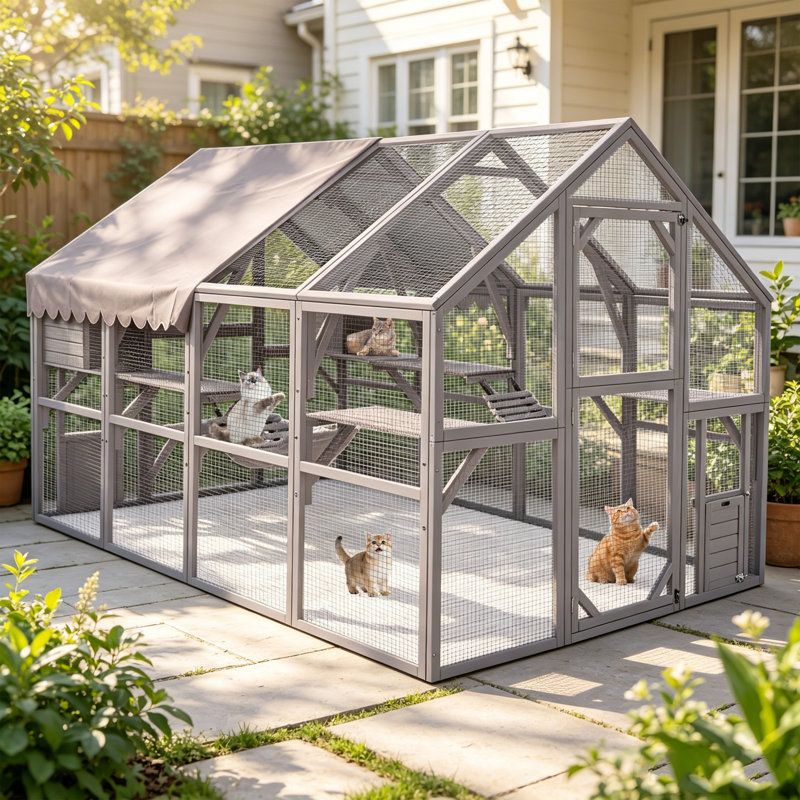
Cats are the biggest fix on the list. The Florida Fish and Wildlife Conservation Commission identifies free-ranging cats as a threat to native wildlife, including birds at feeders.
Keep pet cats indoors or otherwise prevent them from hunting, and avoid feeding outdoor cats near bird areas.
Placement matters too. Keep feeders and baths in spots open enough that nearby shrubs do not give a cat an ambush point, but close enough to usable perches that birds can dart to cover.
UF/IFAS makes the same point about baths and nearby shrubs.
Windows are another risk. UF/IFAS advises placing a feeder within about 3 feet of a window or farther away, not at an in-between distance, and making reflective glass more visible to birds.
Decals, screens, or exterior markings can help.
Finally, go easy on chemicals. The EPA suggests using pesticides only when necessary, treating only affected areas, and following label directions.
None of these steps guarantees a bird’s safety, but each one lowers the odds of a bad outcome.
Make the yard welcoming, without expecting a guarantee
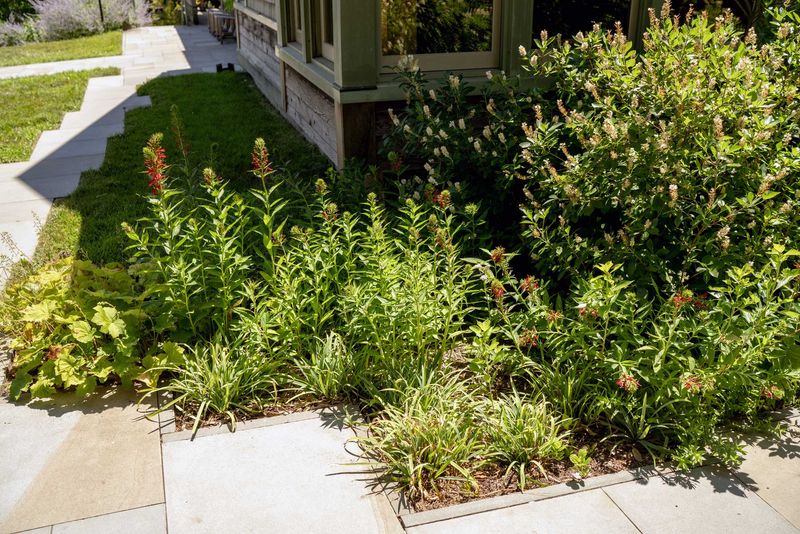
A Florida yard becomes more useful to cardinals when it offers native cover and food, clean water if you can manage it, and fewer hazards. Start with layered plantings, as outlined in the UF/IFAS bird-friendly plants guide, then add extras only if you will maintain them.
Those steps support visiting birds, but they cannot guarantee that a particular pair will stay together or return. Enjoy the red flash at the window whenever it comes, and let the shrubs do their quiet work.