
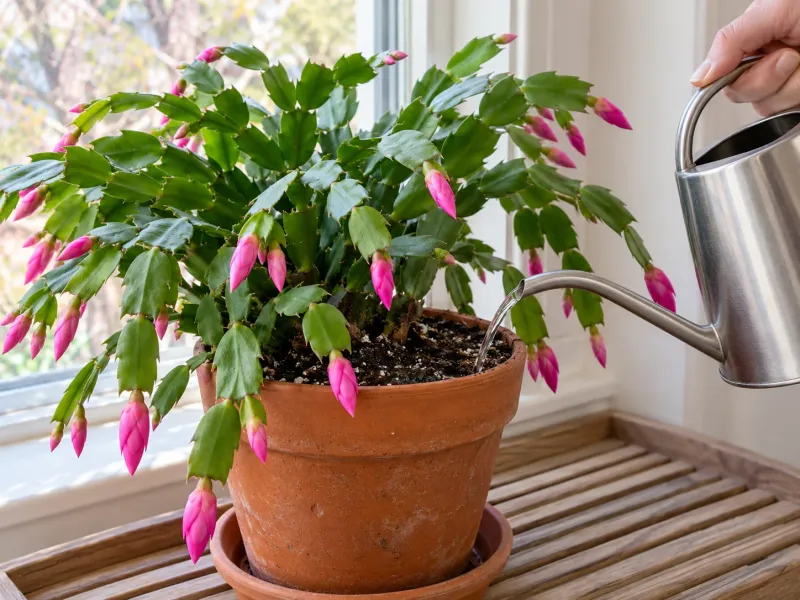
Many gardeners hear that November watering decides whether a Christmas cactus will be loaded with blooms by the holidays. The truth is a little less dramatic, and a lot more comforting.
Watering matters, but mostly for keeping the plant healthy and holding on to buds that are already there. Here is how to water smartly right now and what really shapes your holiday show.
November watering cannot create buds on demand
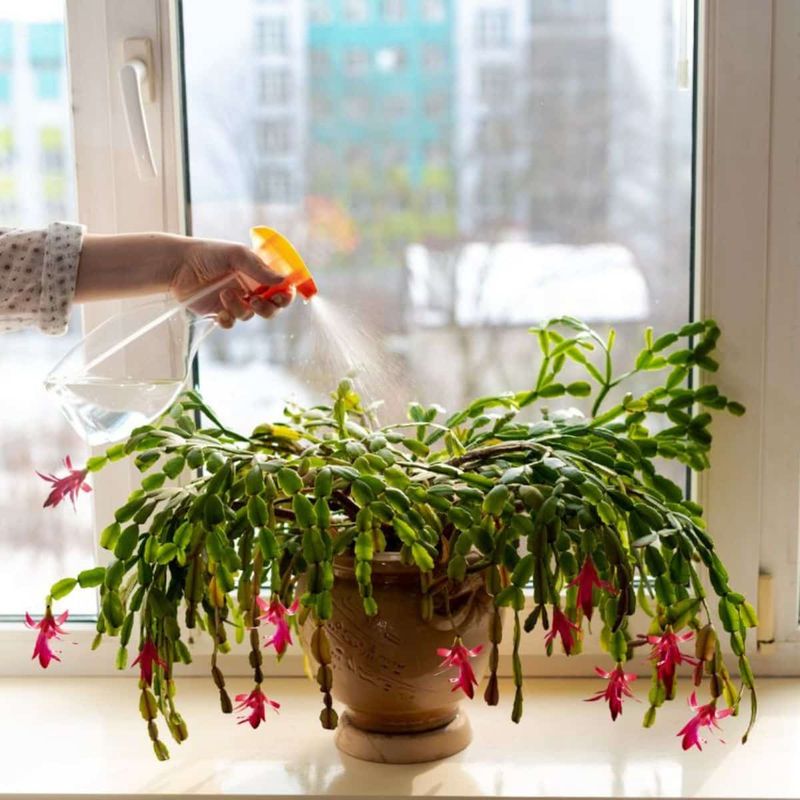
Plenty of people believe one change in November watering will switch on a flower display. It is a hopeful idea, but watering is not the button that starts buds.
UMass Extension production guidance points to day length and temperature as the main drivers of flower initiation.
Water still plays a supporting role. Steady, appropriate watering keeps the plant healthy and can help buds that already formed stay on the stems.
It cannot promise a big display on a set date, especially if the plant has not set buds yet.
You may also hear that holding back water will push a cactus to bloom. A 1981 HortScience study looked at Schlumbergera truncata under specific greenhouse treatments, including a 21-day no-water period, and found high water stress reduced bud formation.
That was a greenhouse test, not a trial of every home plant, but it is a good reason not to try drought as a trick.
How dry should the mix feel?
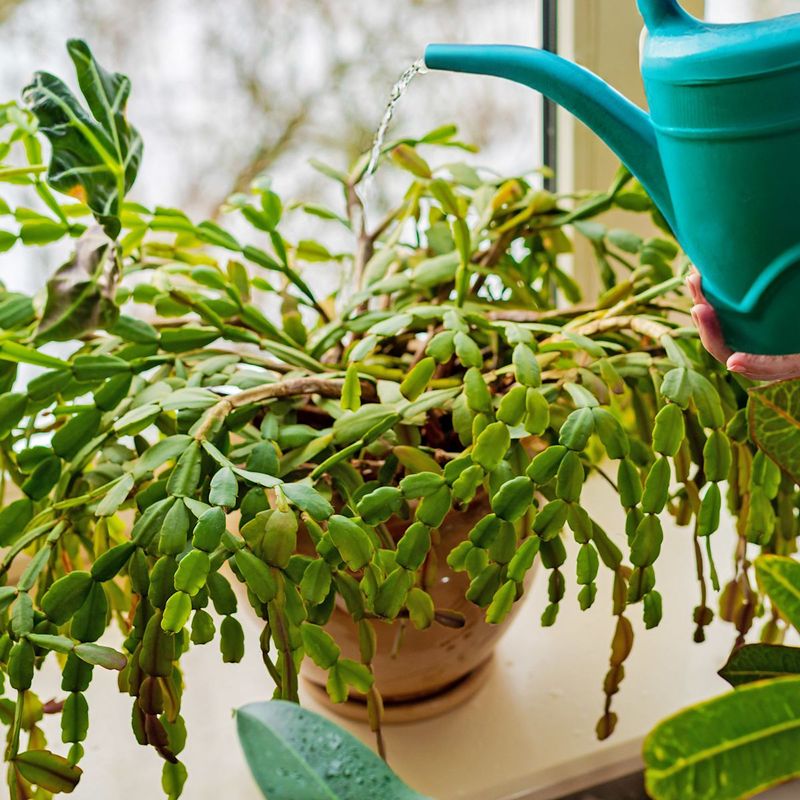
Forget the calendar and let your finger do the checking. Press it into the top inch of the potting mix.
If it feels dry, it is time to water, and if it still feels damp, wait and check again tomorrow.
A fixed schedule rarely fits every home. Pot size, mix, room temperature, and light all change how fast the mix dries, which is why UF/IFAS guidance points gardeners toward checking the soil instead.
When you do water, do it thoroughly. Let water run through the drainage holes, then let the extra drain away and empty the saucer so the roots are not sitting in a puddle.
NC Cooperative Extension also stresses avoiding both bone-dry and constantly soggy conditions.
Keep your expectations honest. This routine keeps the plant comfortable, but it will not add extra buds.
Avoid severe drying and soggy roots
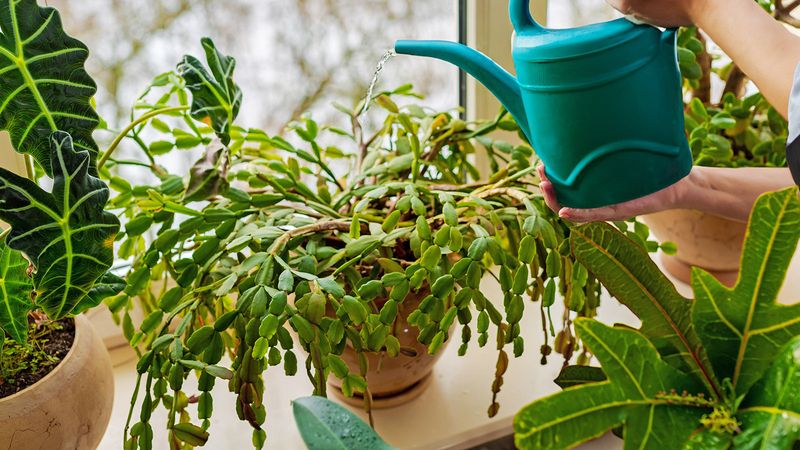
Two extremes cause most of the trouble. A pot that dries out completely can contribute to bud drop, and a pot that stays saturated can damage roots.
Roots that struggle cannot support the plant, buds included.
According to Iowa State Extension, buds may fall after too little water or too much, and sudden changes in care can add to the problem. Clemson Extension likewise notes that overly wet mix can invite root trouble.
Extension sources word the moisture advice a bit differently, but the shared point is simple: avoid long soggy spells and avoid severe drying. Tipping out standing water after each watering is one easy habit.
Choose a pot with drainage holes and a mix that drains freely. Skip the drought approach, too.
Because the 1981 greenhouse work on Schlumbergera truncata found that heavy water stress reduced bud formation, there is no reason to risk your buds.
Long nights support future blooms
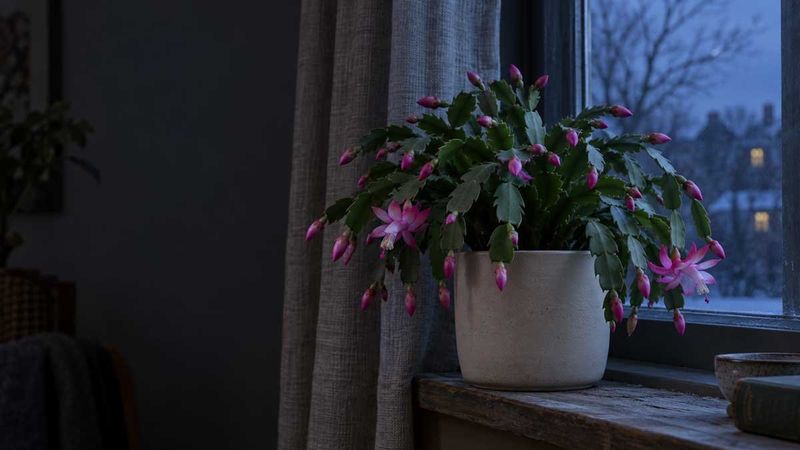
If you want flowers in future seasons, think about light and temperature. Bright daytime light, long uninterrupted nights, and cooler conditions all help support bud formation, as described by UF/IFAS.
Darkness needs to be truly uninterrupted. A lamp that clicks on in the evening or a streetlight shining through the glass can interfere with the long-night signal.
Exact numbers vary by cultivar and by source, so treat any single temperature or darkness schedule with caution. Iowa State Extension offers more detail if you want to dig deeper.
Keep the timing in mind, too. Buds form weeks before flowers open, so these conditions are planning for later blooms, not a quick fix for a plant that has not set buds yet.
A cooler spare room or a sheltered porch that stays gentle in the South may suit some homes.
If the cactus already has buds, keep conditions steady
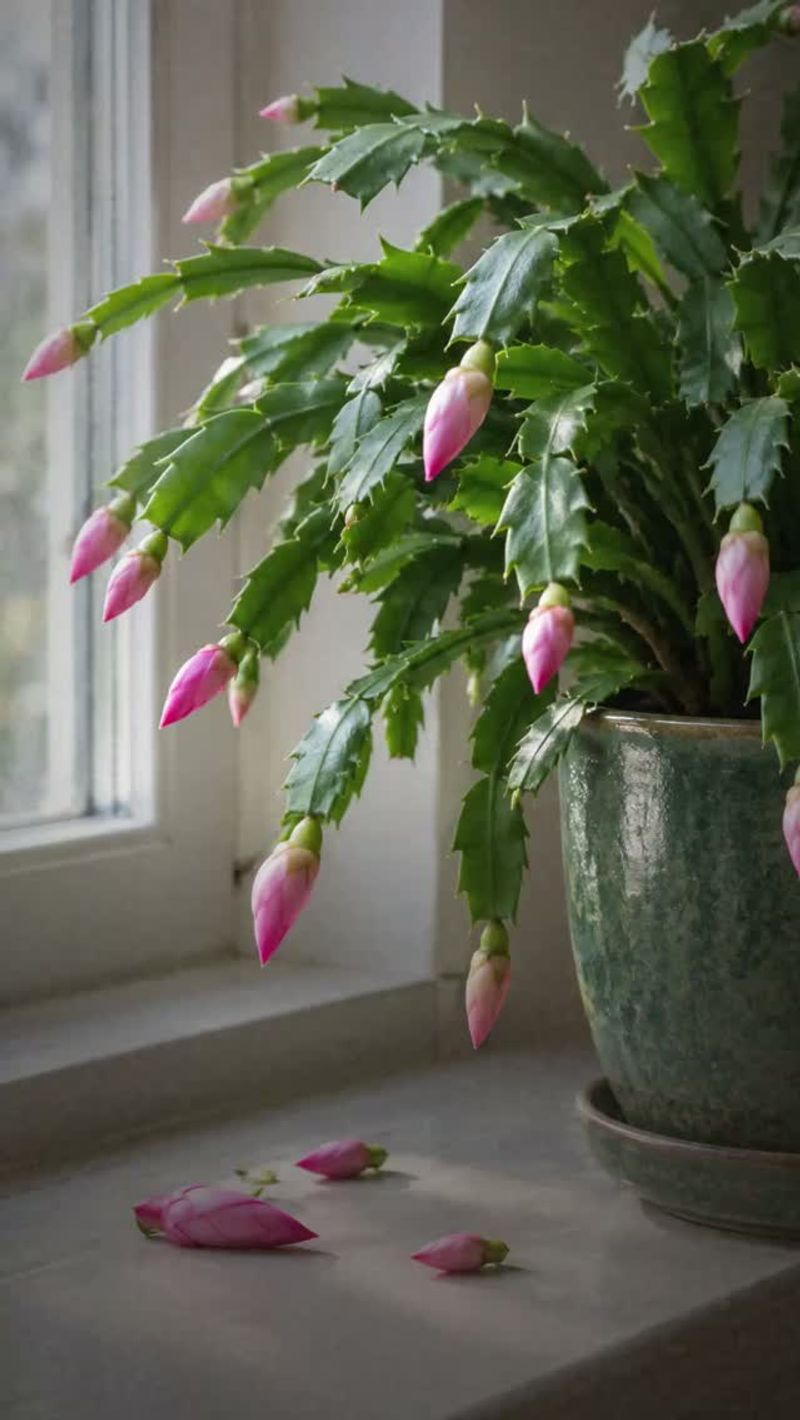
Spotted buds already? Now the job changes from encouraging buds to guarding them.
Steadiness is the theme, because abrupt shifts are a common reason buds fall.
Keep watering routine and location reasonably consistent. Skip moving the pot into a very different spot, such as from a cool porch to a warm kitchen, and keep it away from drafty doors and nearby heat sources like vents and fireplaces.
Both UF/IFAS and Iowa State Extension describe stable care as the way to help buds stay put.
Even then, expect a little loss now and then. Fewer sudden changes lower the odds of bud drop, but they cannot promise every bud will stay or that the plant will flower on one particular holiday.
If a few buds do fall, check the mix and the location before you worry. It is often a clue about what changed.
A “Christmas cactus” may not bloom at Christmas
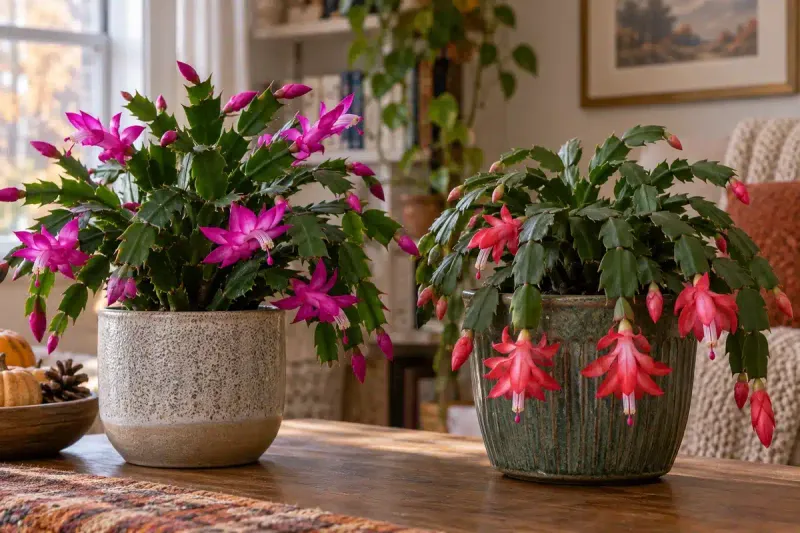
Here is a twist: the plant on your shelf may not be a true Christmas cactus at all. The name is used loosely, and many plants sold under it are Thanksgiving cactus or hybrids.
Clemson Extension covers the differences between the two.
Types can bloom at different times. Thanksgiving cactus and hybrids may open earlier, while true Christmas cactus commonly blooms later, as noted by UMass Extension.
Cultivar and growing conditions shift the timing further. Your plant might flower before the holidays, right on time, or a bit after.
Treat the bloom date as a window rather than a deadline. If flowers show up in early December or mid-November, that is a normal result, not a failure on your part.
Make bud care this November’s goal
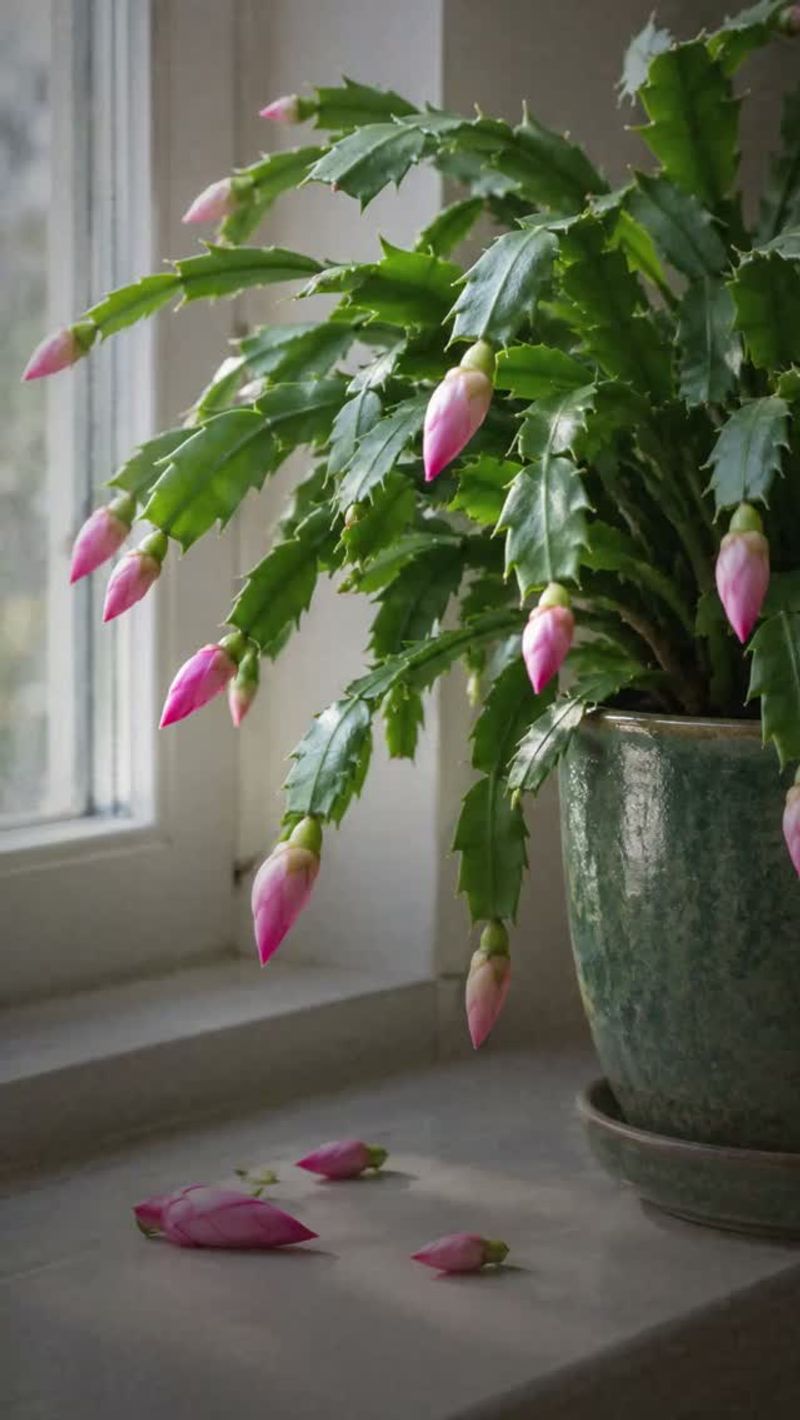
This month, check the mix instead of the calendar, water thoroughly when the top inch feels dry, and let the extra drain. Keep any buds in steady conditions, as UF/IFAS advises.
November care can support the plant, but it cannot guarantee a holiday display. Day length and temperature remain the big influences on future buds, as UMass Extension explains.
Care for the buds you have, and next year’s blooms will have a better start.