
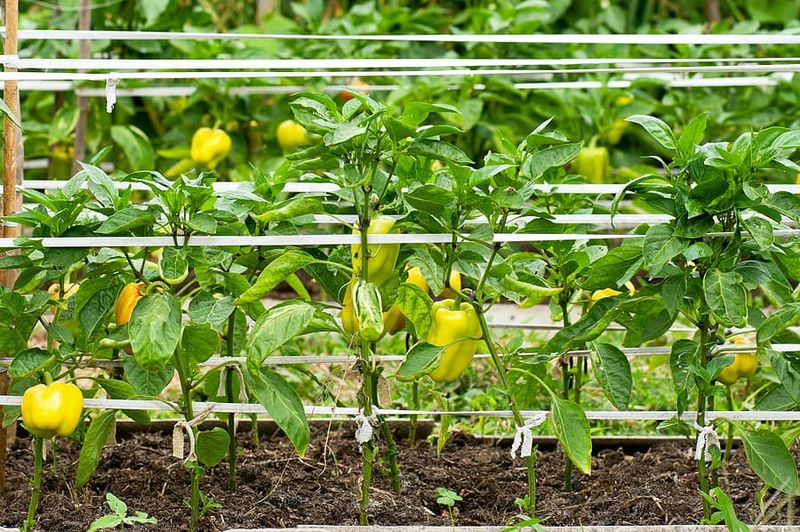
Those peppers hanging heavy on your plants took months to grow, so a chilly forecast can make your stomach drop. The good news is that a cool night and a frost are two very different things.
Knowing the difference, and knowing which fruit is ready, helps you save the last of your crop without panic picking. Here is how to read your forecast and your peppers.
A cool night is not automatically a fruit-softening frost
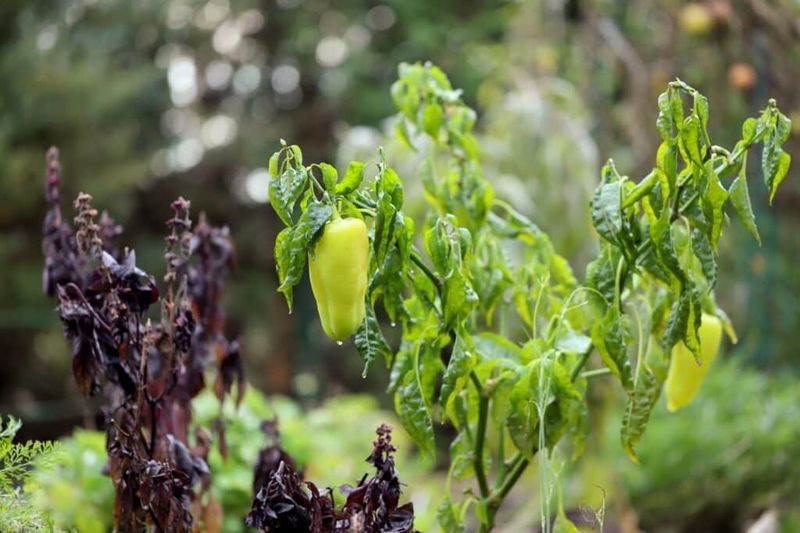
Worry about losing the last crop is fair, but a cool night alone does not turn peppers soft. Illinois Extension notes that nights below about 50 to 55°F can slow plant growth and affect leaves and flowers.
That is a slowdown, not a ruined harvest.
Frost and near-freezing weather are the real threat to tender pepper plants. USU Extension says warm-season vegetables, peppers included, can be damaged at 33°F.
Frost can also form on plant tissue even when the reported air temperature is above 32°F, and how long the cold lasts matters too.
Texas and Florida gardeners do not share one deadline. Texas A&M describes fall pepper harvest continuing until the first frost, and UF/IFAS notes cold injury in Florida pepper production near freezing.
Check your own local forecast, watch for frost or freeze warnings, and let that guide your timing instead of a calendar date.
Use size and firmness to judge what to harvest
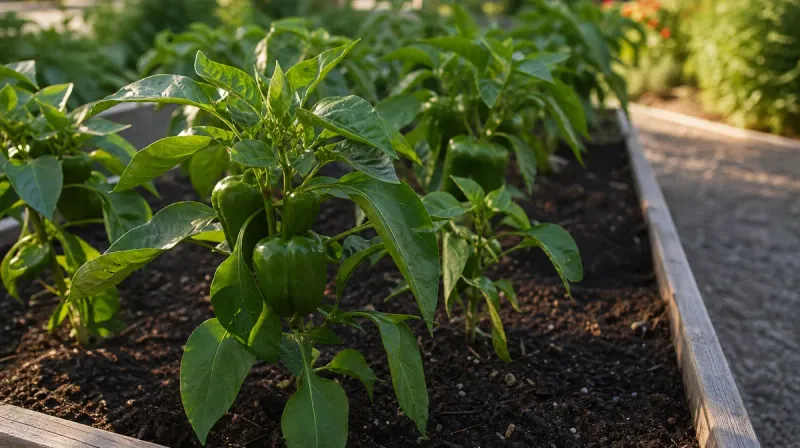
When frost is in the forecast, pick the peppers most likely to be worth eating. Look for fruit that is firm and has reached the typical full size for its variety.
That includes mature-green peppers and any that have started to show a little color.
Size varies by cultivar, so use your seed packet or plant tag as a guide. Illinois Extension gives 3 to 4 inches as typical for green bell varieties, but that is only an example.
A small pepper from a variety that grows large is probably not ready.
Timing matters for color, too. USU Extension reports that peppers take about 35 to 45 days from flowering to full color, depending on variety and temperature.
A flower that opened last week will not finish coloring before a frost, so late fruit may stay green and small.
Green peppers are still a useful harvest
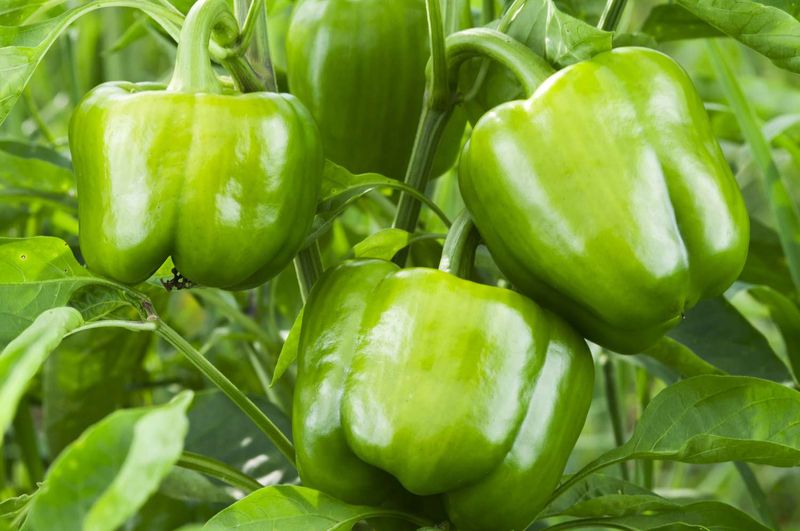
Nobody says you must wait for red, yellow, or orange. Peppers can be picked green or after they develop mature color, and a green pepper is perfectly good as a green pepper.
University of Minnesota Extension describes both options.
Varieties differ quite a bit. Some are meant to be eaten green, while others turn red, yellow, orange, purple, or other shades.
According to Illinois Extension, some pale or purple colors are actually immature stages for certain varieties.
So check what your plant is supposed to look like when ripe. That tells you whether a green fruit is ready to eat now or simply needs more time, which is a separate question from whether it will change color once picked.
Do picked green peppers ripen indoors?
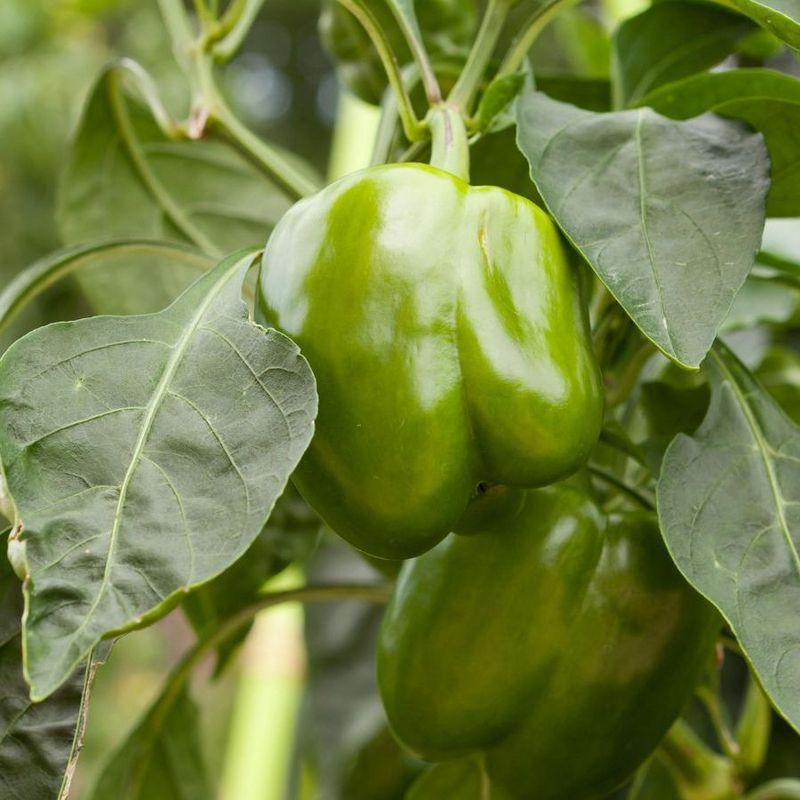
Tomatoes get all the credit for ripening on a counter, but peppers play by different rules. According to UC Davis postharvest research, bell peppers are nonclimacteric and produce very little ethylene.
Fully green fruit is not a dependable bet for turning into sweet, fully colored peppers after picking.
There is a small exception. Peppers that already show some color may keep changing under warm, humid conditions.
That outcome is not guaranteed, so treat it as a bonus.
Illinois Extension also reminds gardeners that mature color depends on the variety. Plan to use fully green peppers as green peppers, and set aside any blushing ones to see what they do.
Cut fruit cleanly and handle it gently
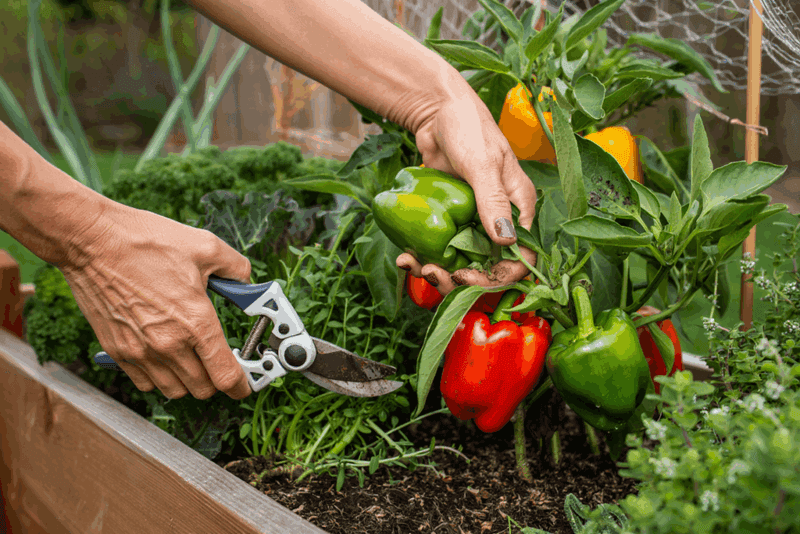
Grab clean, sharp shears or pruners before you head out. Cutting the stem leaves a tidy wound and avoids the cracked branches that often come from yanking fruit free.
Illinois Extension recommends this approach.
Peppers bruise more easily than they look, so place them in your basket instead of tossing them. A shallow container works better than a deep bucket where fruit piles up and gets squashed.
If you are picking hot peppers, gloves are a smart option. UGA Cooperative Extension notes they can help prevent skin or eye irritation.
Wash your hands before touching your face either way.
Keep harvested peppers shaded and use them promptly
Once peppers are off the plant, get them out of direct sun. A shaded spot or a cool kitchen counter keeps them from warming up while you finish picking.
Then plan to eat or preserve them soon.
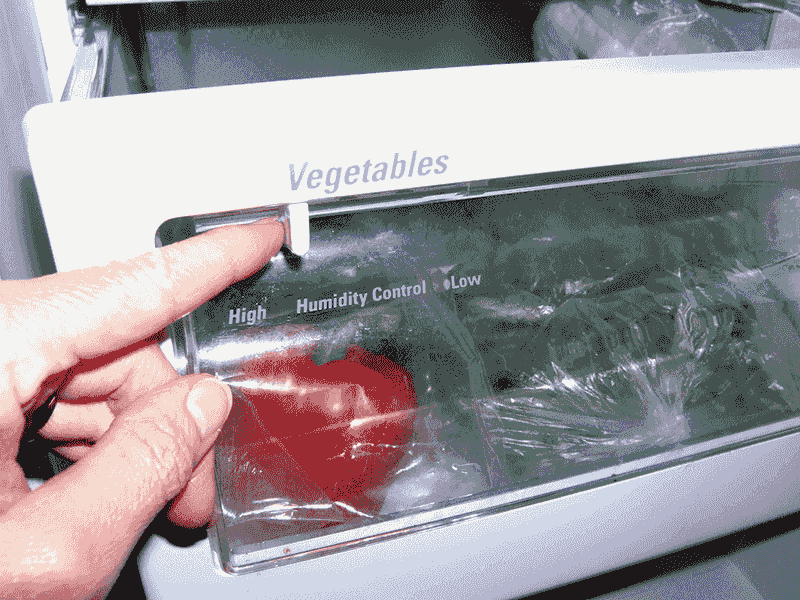
Storage advice differs by source, and none of it is a promise. Texas A&M AgriLife Extension suggests refrigerating peppers and using them within 3 to 5 days.
USU Extension mentions 50 to 55°F for 1 to 2 weeks, which is hard to match in most kitchens.
Commercial postharvest conditions, like those in UC Davis guidance, are not a household guarantee. That source also describes chilling injury, such as pitting and softening, after prolonged storage below 45°F.
It is a storage issue, not something a brief cool night outdoors causes.
Chop and freeze extras, or cook a big pan of stuffed peppers. Firm fruit used this week beats perfect fruit forgotten in the drawer.