
November in Texas feels like a reward after a long, brutal summer, and your roses know it. Cooler nights bring a second flush of blooms, but they also bring the first real chance of a freeze.
What you do this month can decide whether your bushes burst with flowers in March or limp into spring sick and tired. Here are the nine jobs smart Texas rose growers wrap up before Thanksgiving.
1. Clean Up Fallen Leaves and Spent Petals
Black spot is the uninvited guest that never really leaves a Texas rose bed. Its spores ride out the winter on fallen leaves, then splash back onto fresh growth with the first spring rain.
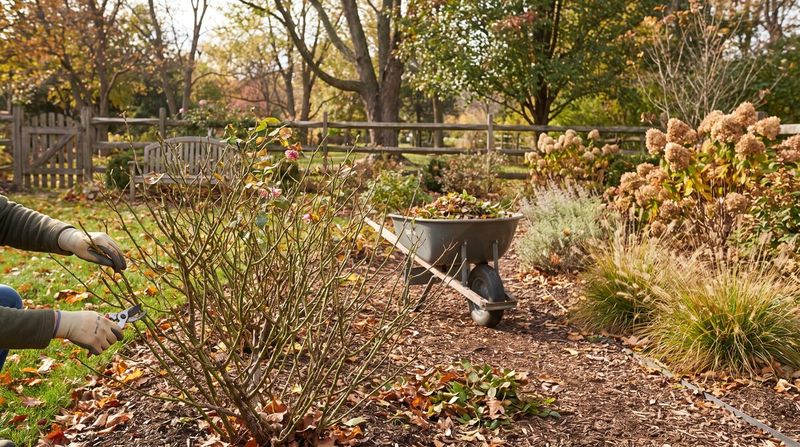
Rake up every dropped leaf and shattered petal under your bushes. Pick off any spotted leaves still clinging to the canes too.
Bag the debris and toss it in the trash instead of the compost pile, since many home piles never get hot enough to kill fungal spores.
A clean bed now can reduce disease pressure later, especially in humid areas like Houston and the Gulf Coast. It takes maybe twenty minutes per bed, and it pays you back all season.
2. Stop Fertilizing After Early Fall
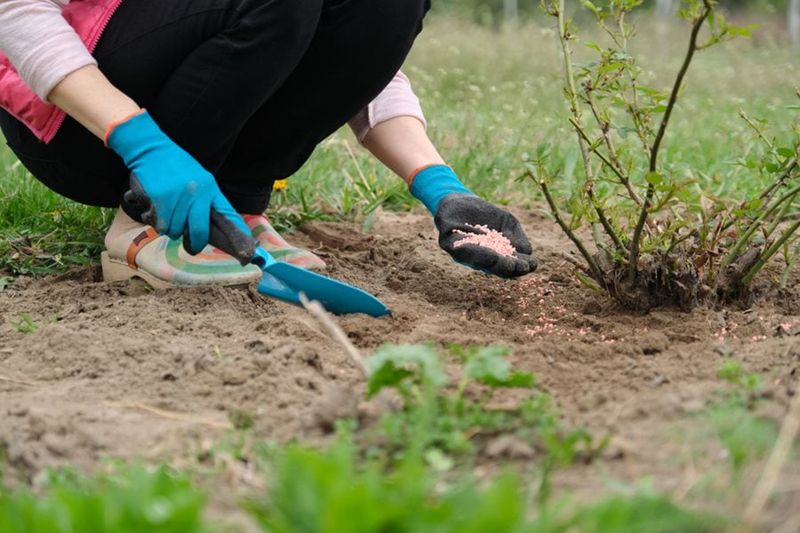
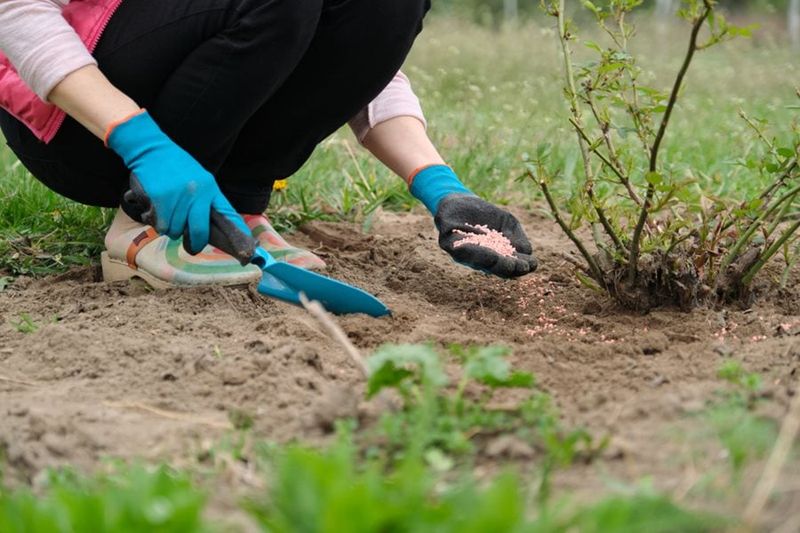
Here’s a habit worth breaking: feeding roses just because they look hungry in November. Fertilizer pushes tender new shoots, and those soft shoots are the first thing a blue norther turns to mush.
Most Texas rose growers make their last feeding around mid-September to early October. In North Texas and the Panhandle, lean earlier.
Along the coast and in the Rio Grande Valley, where freezes are rare, you have a little more wiggle room.
Let the plants slow down naturally. Hardened canes handle cold snaps far better, and you’ll resume feeding once new growth appears after spring pruning.
3. Refresh the Mulch Layer
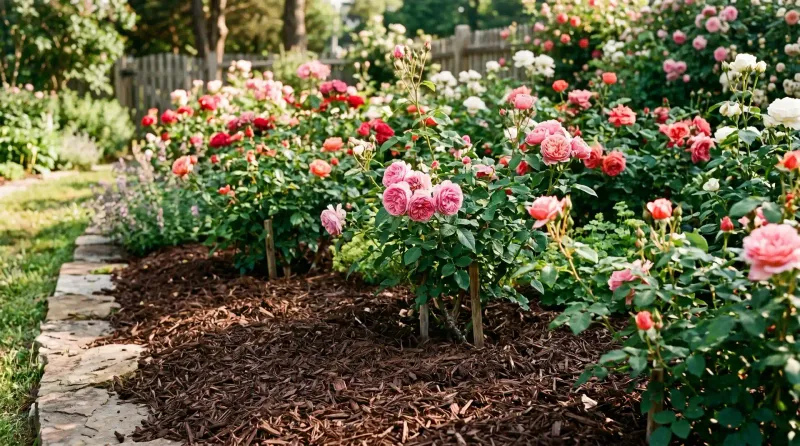
Think of mulch as a warm quilt your roses can’t buy for themselves. After a summer of heat and watering, last spring’s layer has probably thinned to almost nothing.
Spread two to four inches of shredded hardwood, pine bark, or native cedar mulch around each bush. Keep it a couple of inches away from the main canes so moisture doesn’t sit against the bark.
That buffer helps roots ride out sudden temperature swings, which Texas delivers generously.
Fresh mulch also smothers fungal spores on the soil surface and slows weeds. By spring, it starts breaking down into the soil, feeding the microbes your roses rely on.
4. Keep Watering Through Dry Spells
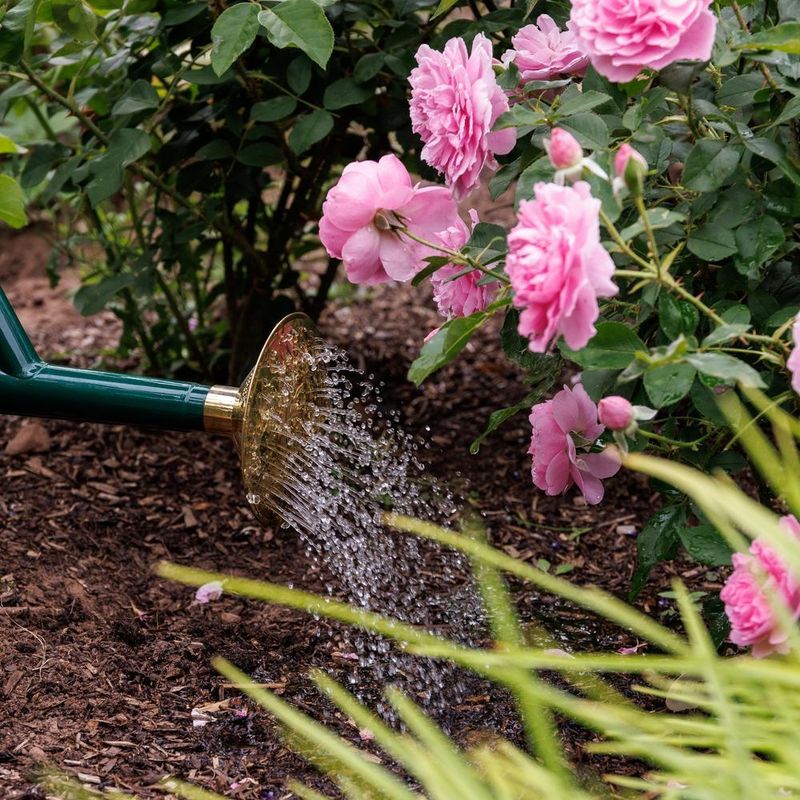
Plenty of folks coil up the hose once the heat breaks. Fall in Texas, though, can be bone dry for weeks, and thirsty roses go into a freeze already stressed.
Give your bushes a deep soaking about once a week when rain is scarce. Water at the base in the morning so foliage stays dry.
A well-hydrated plant may handle cold better than a parched one, because moist soil holds heat longer than dry soil.
Watch your city’s watering rules, since many Texas towns keep restrictions year-round. Drip lines and soaker hoses are often allowed on more days and waste far less water anyway.
5. Hold Off on Hard Pruning
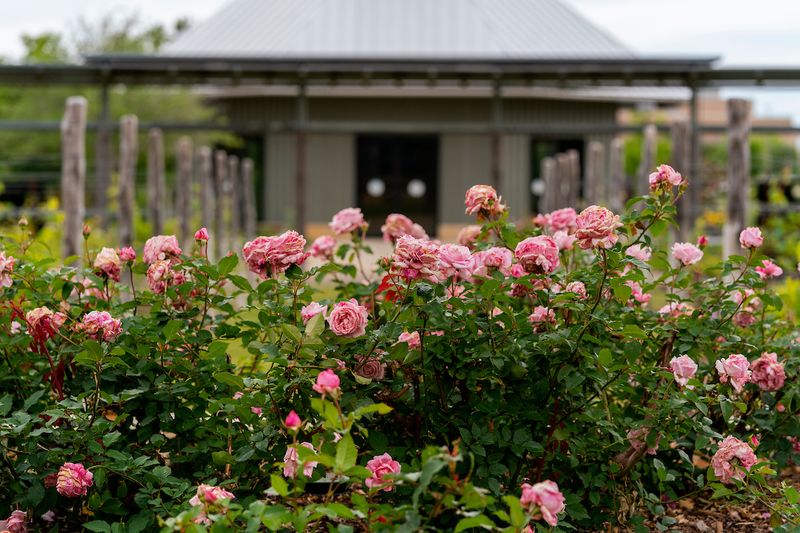
Put down those loppers. The big rose pruning in Texas happens around Valentine’s Day in most of the state, not before winter.
Cutting hard in November encourages new growth that a freeze will kill, and it can leave open wounds heading into cold, wet weather. Instead, do only light tidying.
Snip off dead or broken canes and trim extra-long climber or shrub canes that might whip around in winter wind.
Fun fact: many old garden roses that thrive in Texas, like the beloved Earth-Kind varieties, bloom on old wood. Hacking them back now could cost you a big chunk of spring flowers.
6. Watch for Rose Rosette Disease
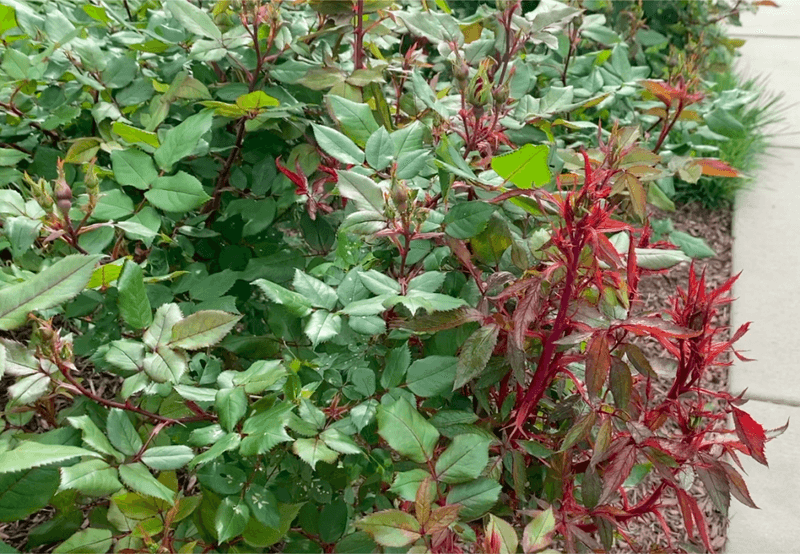
Few things make a Texas rose lover’s stomach drop like spotting a witches’ broom. Rose rosette disease has spread across Dallas-Fort Worth, Austin, and beyond, carried by tiny eriophyid mites.
Look for clusters of bright red, stretchy new shoots packed with unusually soft, dense thorns. Leaves may look crinkled or distorted.
November is a great time to scout because the summer chaos has calmed and odd growth stands out.
Sadly, there’s no cure. Infected plants should be dug out, roots and all, bagged, and removed so the mites don’t hitch a ride to healthy bushes nearby.
7. Plant New Roses While the Soil Is Warm
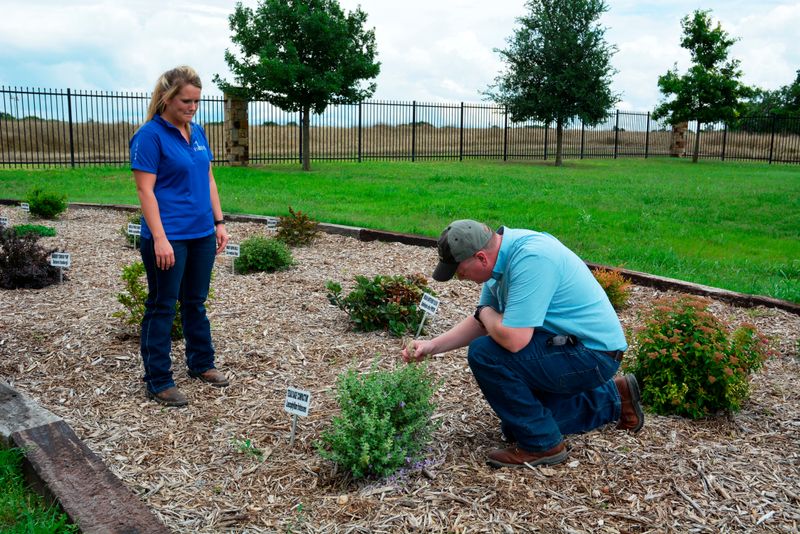
Spring gets all the glory, but fall is the sweet spot for planting roses across much of Texas. Warm soil and cool air let roots settle in without the shock of July heat.
Pick a spot with at least six hours of sun and good drainage. Heavy Blackland clay benefits from compost and raised planting.
Varieties like Belinda’s Dream, Mutabilis, and Old Blush have earned reputations for handling Texas heat and soil.
A rose planted now spends all winter building roots underground. By April, it is ready to put on a real show instead of just trying to survive.
8. Prepare Freeze Protection Supplies
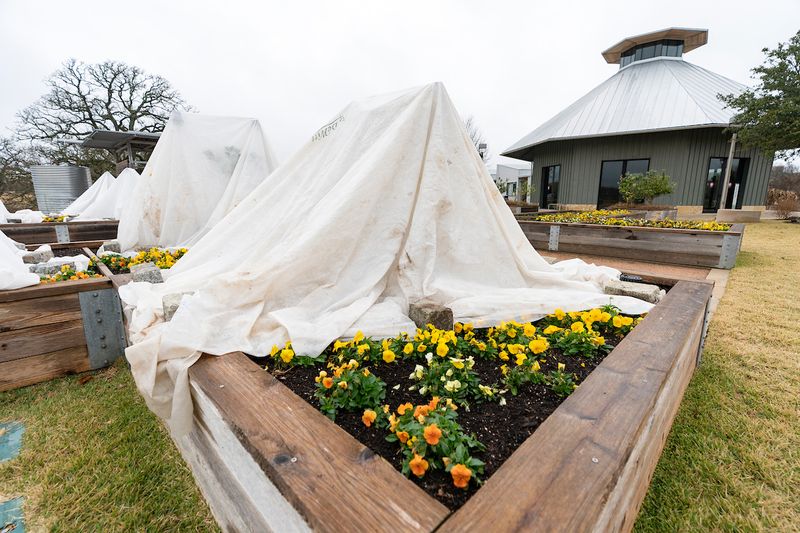
Anyone who lived through the February 2021 freeze remembers how fast things went sideways. Being ready before the forecast turns ugly is half the battle.
Stock frost cloth, old sheets, or burlap, plus clothespins or stakes to secure them. Cover plants to the ground so trapped soil heat stays inside, and remove covers once temperatures climb.
Potted roses are more vulnerable, so plan to move them into a garage or against a south-facing wall.
Most established landscape roses tolerate typical Texas cold just fine. Young plants, tender teas, and container roses are the ones worth babying.
9. Take Notes and Plan Next Spring

Grab a notebook or your phone while this year is fresh in your mind. Which roses sailed through the heat, and which ones sulked from June to September?
Jot down disease problems, bloom timing, and spots that got too much afternoon shade or scorching west sun. That list becomes your shopping guide when nurseries stock new roses in late winter.
It sounds simple, yet this habit separates frustrated growers from proud ones. Next spring, you’ll be working from real Texas experience instead of guesswork.