
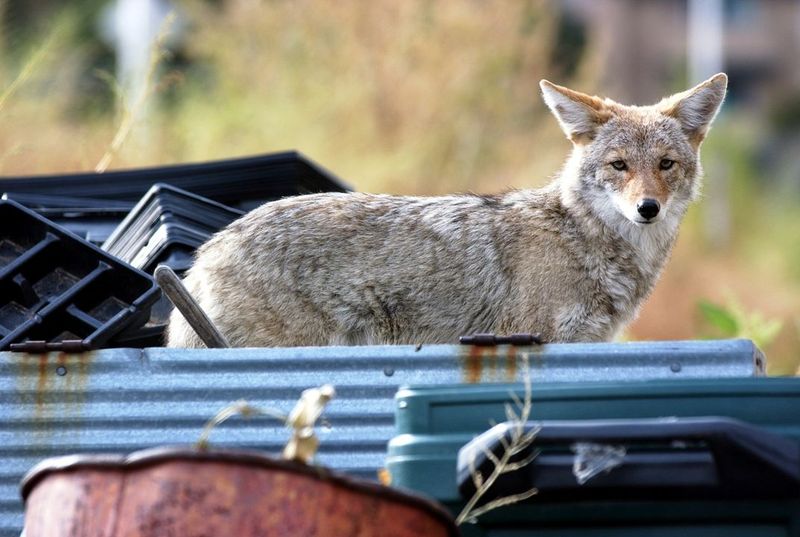
When the first cool front rolls through Central Texas, coyotes start moving more, and their noses lead the way. Young pups are leaving their families, food gets harder to find, and a coyote can smell your yard from a surprising distance.
Many of the scents that draw them in are things homeowners never think twice about. Knowing which smells matter can help keep pets safer and your yard a lot less interesting to a hungry visitor.
1. Fallen Fruit and Pecans
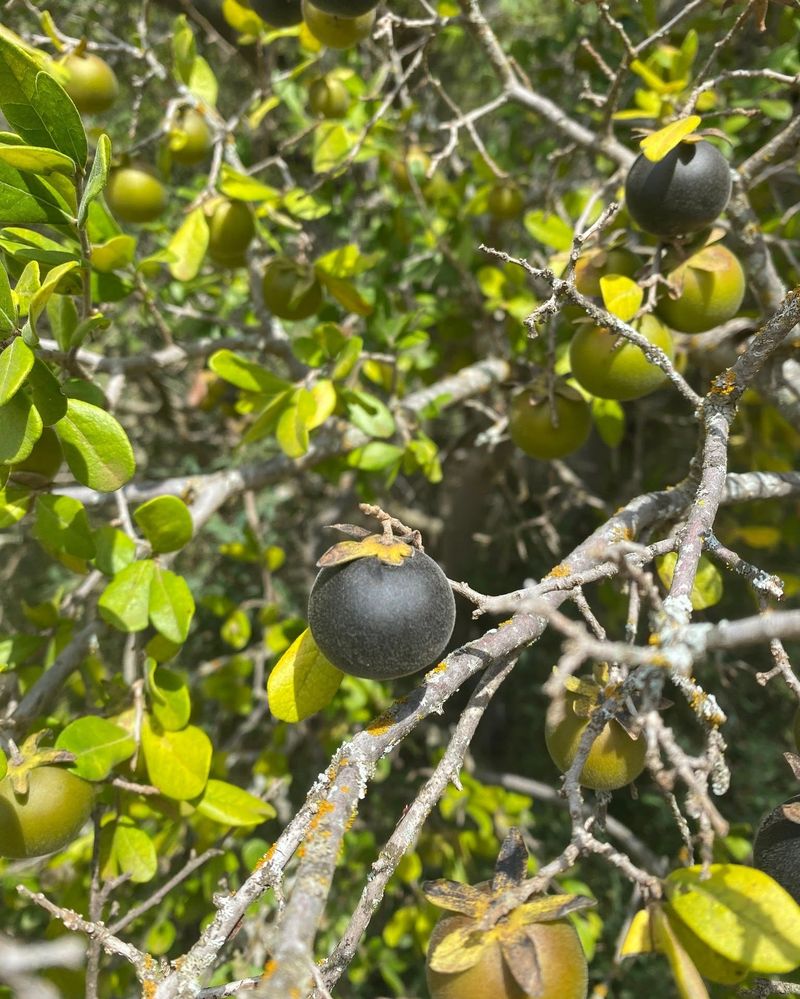
Ask any Hill Country homeowner with a pecan or persimmon tree what disappears overnight in October, and you will hear the same story. Coyotes are not strict meat eaters.
They happily snack on sweet, fermenting fruit and oily nuts, especially in fall when they are fattening up for winter.
Overripe fruit gives off a strong, sugary smell that travels well on cool evening air. Texas persimmons, figs, peaches left on the ground, and cracked pecans all add to that scent trail.
Once a coyote finds an easy buffet, it often comes back night after night.
Pick up fallen fruit every day or two during peak drop. A leaf rake or a rolling nut gatherer makes the job faster.
Toss spoiled fruit in a sealed bin instead of an open compost pile.
2. Pet Food Left on the Porch
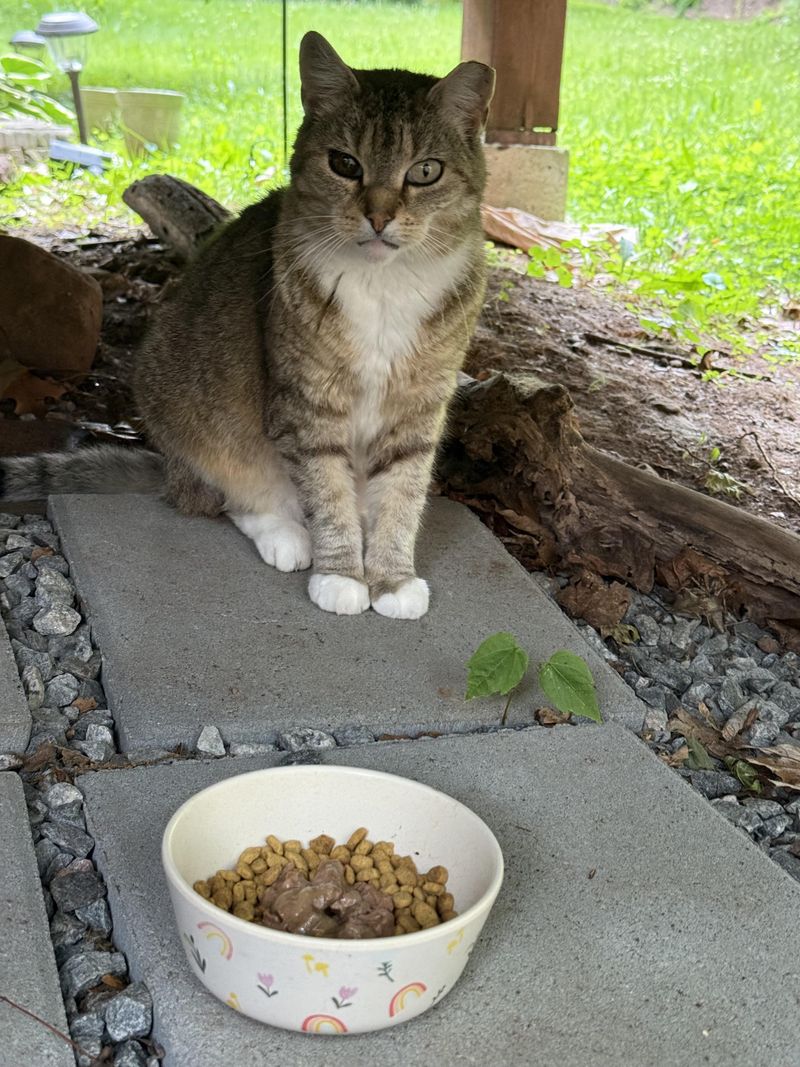
A bowl of kibble on the back step might look harmless, but to a coyote it smells like a free dinner reservation. Dry pet food is rich in fat and meat proteins, and its scent clings to bowls even after they look empty.
Fall makes this worse. Young coyotes are out on their own for the first time, and they are not picky.
An outdoor food bowl teaches them that your porch equals food, and that lesson can put your cats and small dogs at risk too.
Feed pets indoors when you can. If you must feed outside, pick up bowls right after meals and rinse them.
Store bags of food in a garage or sealed container rather than on a patio shelf.
3. Bird Seed Spills Under Feeders
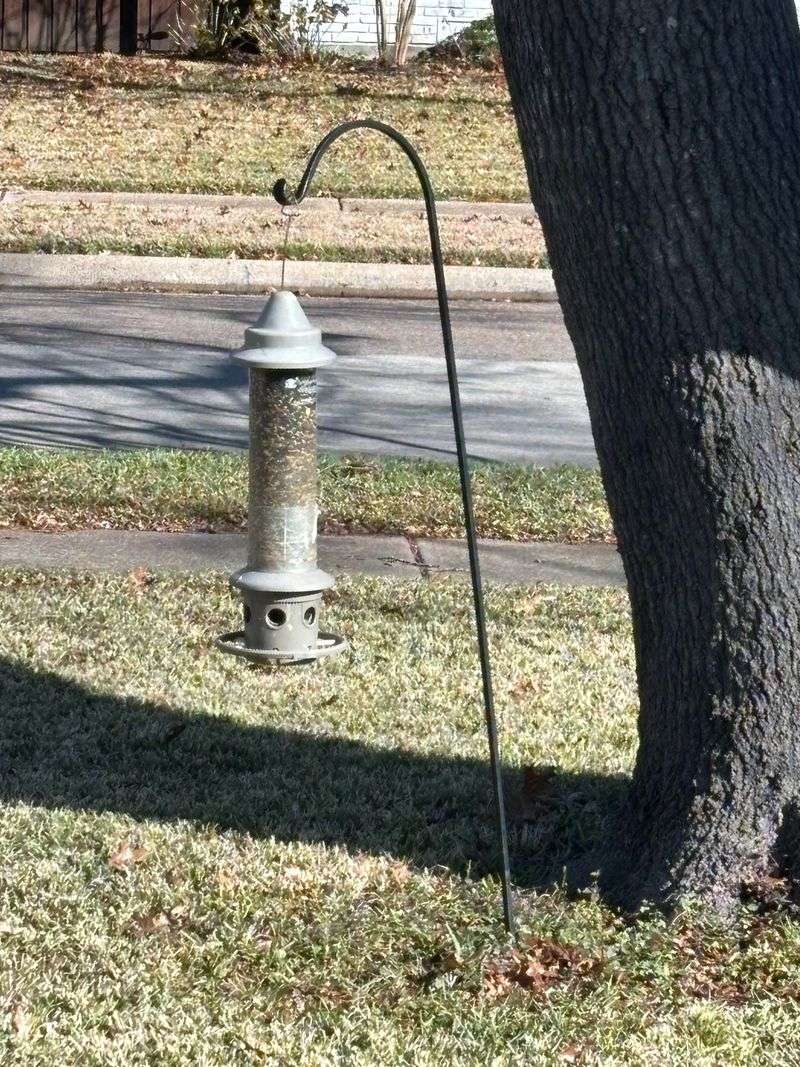
Here is a sneaky one. Coyotes rarely eat the seed itself, but they love what the seed brings in.
Spilled sunflower and millet pull in doves, rabbits, squirrels, rats, and mice, and all of those animals carry scents a coyote can follow.
Fall migration fills Central Texas feeders with sparrows and other visitors, so seed piles grow fast. The ground beneath a busy feeder can turn into a small wildlife magnet after dark.
Use a seed tray or catcher under feeders, or switch to no-mess hulled blends. Rake up spills a couple of times a week.
You still get the birds without setting a table for everything that hunts them.
4. Open Compost Piles
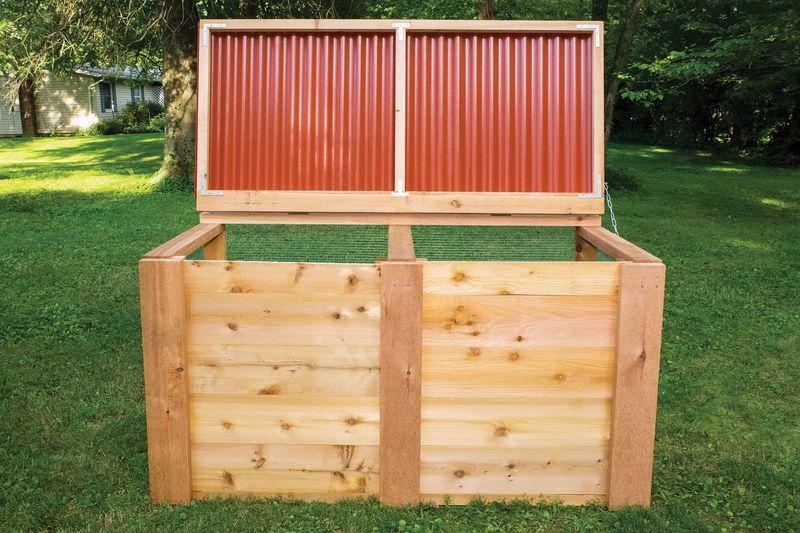
Composting is one of the best things you can do for tough Texas soil. The catch?
An open heap with kitchen scraps smells like a buffet line to a coyote with a good nose.
Meat, dairy, bread, and greasy leftovers are the biggest problems. Even fruit peels and coffee grounds can add to the aroma, and rodents that move into a warm compost pile only sweeten the deal.
Keep meat and dairy out completely. Bury fresh scraps under a thick layer of dry leaves, which Central Texas has plenty of in late fall.
A closed bin or tumbler may help cut down on visits even more.
5. Grill Grease and Barbecue Drippings

Fall in Texas means football, cooler evenings, and fired-up smokers. Brisket night is great for the family, but that rich smoky grease lingers long after the last plate is cleared.
A full drip tray or grease trap can send scent across several backyards. Coyotes have been known to lick grills, knock over smokers, and dig where grease was dumped on the ground.
Empty drip pans once the grill cools, and wrap the grease in foil or a can before tossing it in a closed trash bin. Never pour it on the lawn or in a flower bed.
A quick scrape of the grates also helps.
6. Unsecured Trash and Recycling
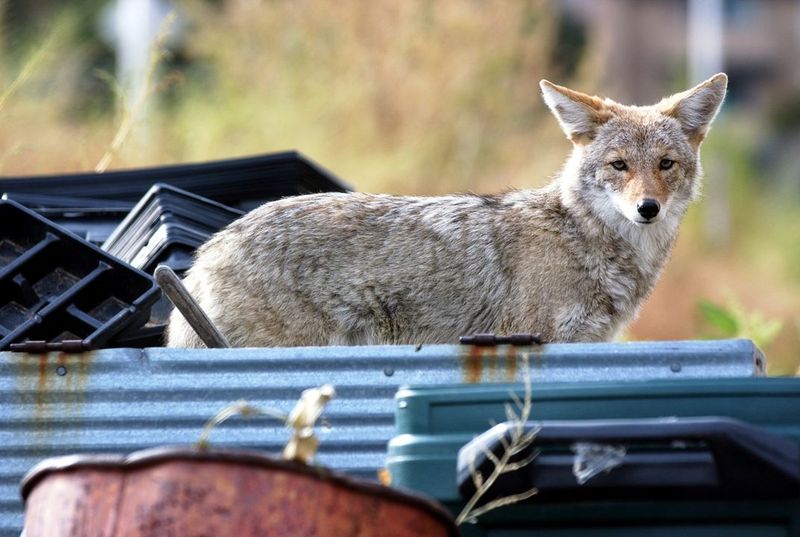
Picture this: trash day is tomorrow, so the bins go out the night before. By sunrise, one is tipped over and food wrappers are scattered down the street.
That mess often has four legs behind it.
Garbage holds a mix of meat, fat, and sweet smells that build up as bags sit. Even recycling, like unrinsed pet food cans and pizza boxes, carries plenty of odor.
Wait until morning to roll bins out if your schedule allows. Use cans with tight lids or bungee straps, and rinse food containers before recycling them.
A splash of diluted vinegar in empty bins can reduce lingering smells.
7. Backyard Chicken Coops
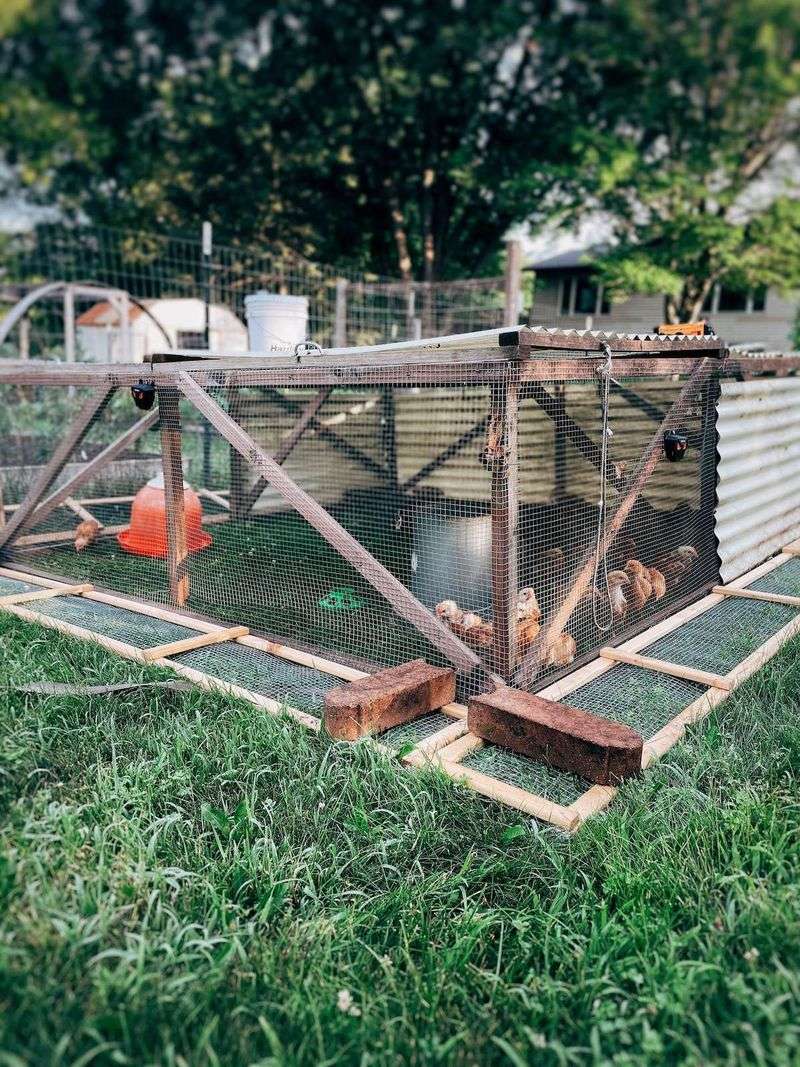
Few things smell more inviting to a coyote than a coop full of hens. Feathers, feed, droppings, and the birds themselves create a scent that a hungry predator can pick up from far away.
Backyard flocks keep growing in towns around Austin, San Marcos, and Waco. As coyotes roam wider in fall, coops that were safe in summer can suddenly get tested.
Close birds in every evening before dusk. Use hardware cloth instead of chicken wire, and bury it at least a foot deep or add an apron to stop diggers.
Clean out bedding often and store feed in metal cans to keep the smell down.
8. Unspayed Pets and Their Scent Marks
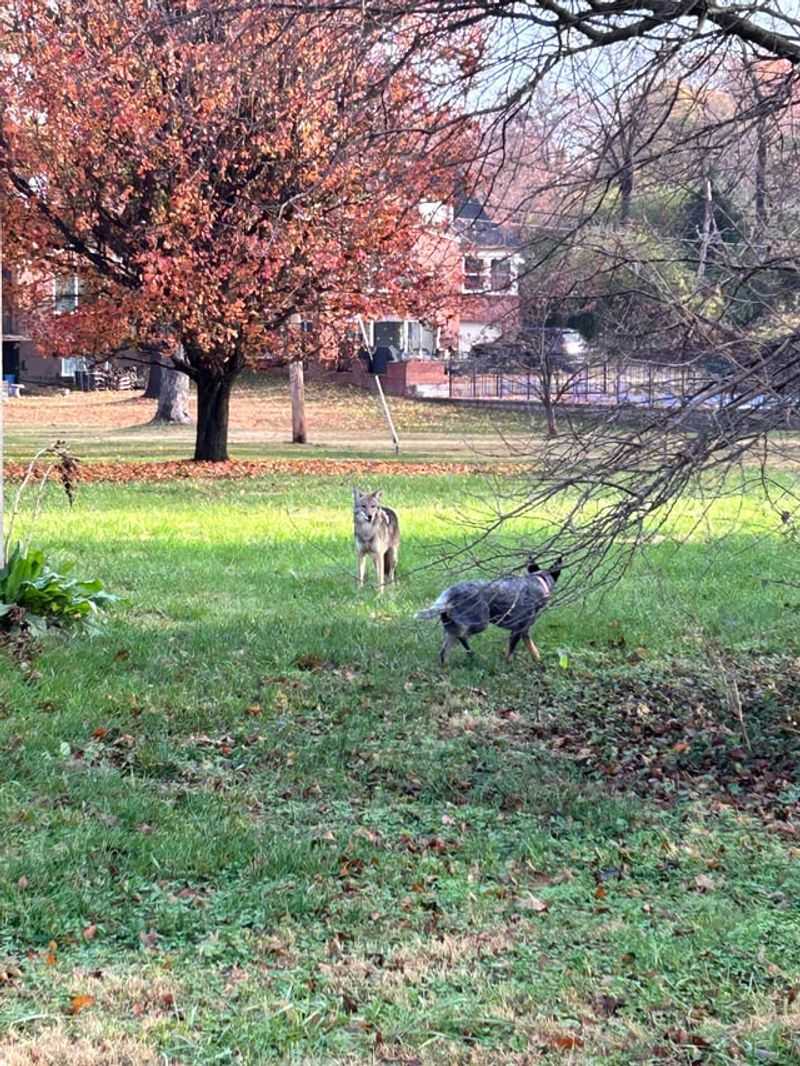
Not every attractant is food. Coyotes are social and territorial, and the scent of a dog in heat or a dog marking the fence line can catch their attention, especially as breeding season approaches in winter.
Some experts believe coyotes may see small dogs as either competition or prey. That is one reason late fall and winter bring more reports of coyotes lingering near fences where pets go potty.
Spaying and neutering can reduce these scent signals. Walk small pets on a leash at dawn and dusk, and pick up waste promptly.
A motion light near the fence may also help discourage curious visitors.
Clean up these eight smells, and your yard becomes a lot less tempting this fall. Coyotes will still pass through Central Texas, but they are far more likely to keep on walking.