
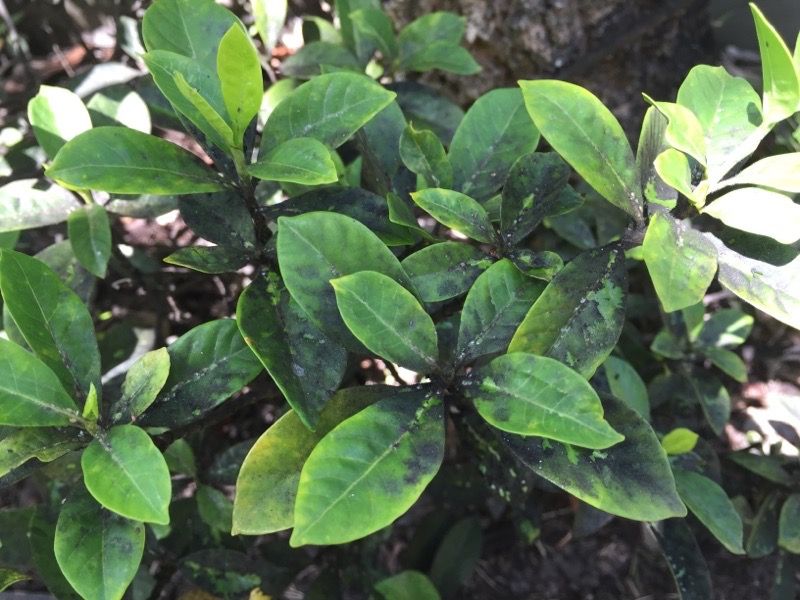
The black, sooty film on your orange leaves usually starts with a tiny insect that is sipping sap somewhere on the tree. These pests leave behind a sugary liquid, and a dark mold grows on it.
The mold looks scary, but it is really a clue pointing to the insect source. Once you know where to look, you can decide how much action your tree actually needs.
The black coating grows on honeydew, not on the tree
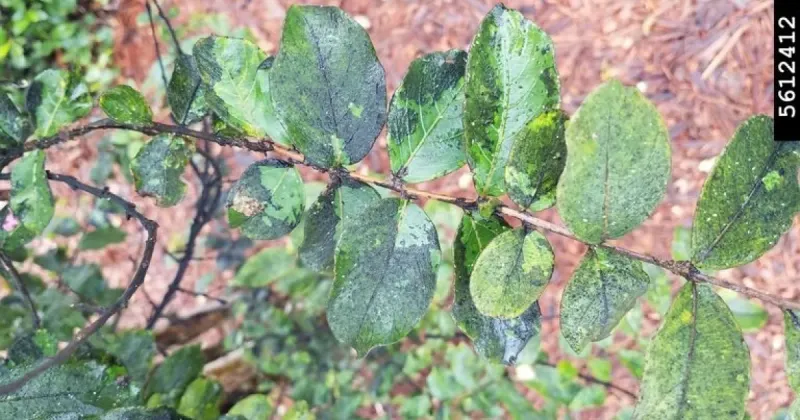
Picture a sugary syrup drizzled over a leaf and then left in the sun. That is close to what happens on a citrus tree.
Sap-feeding insects pull juice from the plant, and they pass out the extra sugar as a sticky liquid called honeydew.
The black film is sooty mold, a fungus that grows on that honeydew. According to UC IPM guidance on sooty mold, the mold does not infect the plant.
It sits on the surface and feeds on the residue the insects leave behind.
So why does it matter? When the coating gets thick and covers a lot of leaf surface, it can block light.
That can indirectly cut down on photosynthesis, the process leaves use to make food for the tree.
A light dusting of mold is a different story. On a tree that is otherwise growing well, a thin film may not call for any urgent action at all.
It tells you something is going on, not that the tree is doomed.
That is the key shift in thinking. The mold is a symptom, and the real question is what is making the honeydew.
Treating the black coating as the diagnosis sends you after the wrong target. Treating it as a clue sends you out to inspect the tree.
Pay attention to how sticky the leaves feel, how much of the canopy is affected, and whether the coating shows up on lower branches or all over. Those details will help you in the next steps, when you start hunting for the source.
Where should you look for the source?
Flipping a leaf is a smart first move, but it should not be your only one. Aphids often gather on the undersides of leaves and on soft, tender new growth, according to UC IPM’s aphid page.
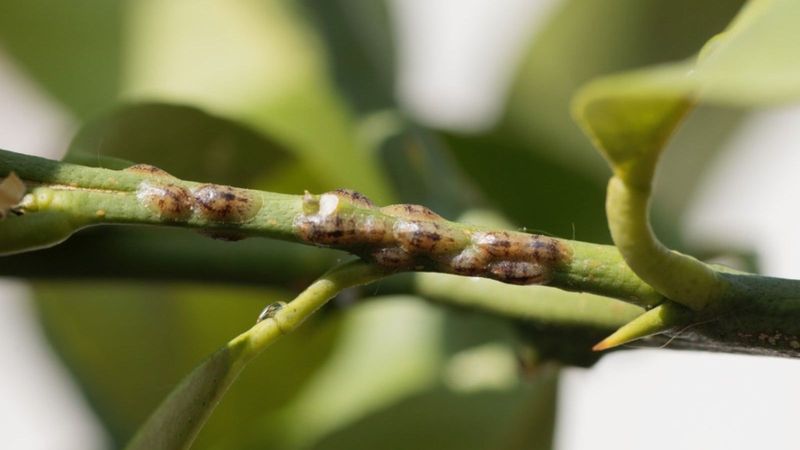
Scales are a different matter, since they can sit on leaves, twigs, or branches, as described in UC IPM’s scale guide.
Plan a slow walk around the whole tree. Check new shoots, the undersides of leaves, the bark of twigs, and the joints where branches meet.
A hand lens helps a lot, because many of these insects are tiny.
Look for clues along the way. Sticky leaves, dark residue, and ants climbing the trunk all suggest honeydew-makers are nearby, because ants often feed on honeydew.
UC’s citrus leaf damage guide can help you compare what you see on leaves with common insect problems.
Also watch for helpers. Lady beetles, lacewing larvae, and other natural enemies are a good sign, since they feed on many of these pests.
No single clue gives you a final answer. Ants might be there for several different insects, and a bump on a twig could be a scale that does not make honeydew at all.
Think of each clue as one piece of a puzzle, and write down or photograph what you find so you can compare it with reliable guides.
Several small pests can leave the same black symptom
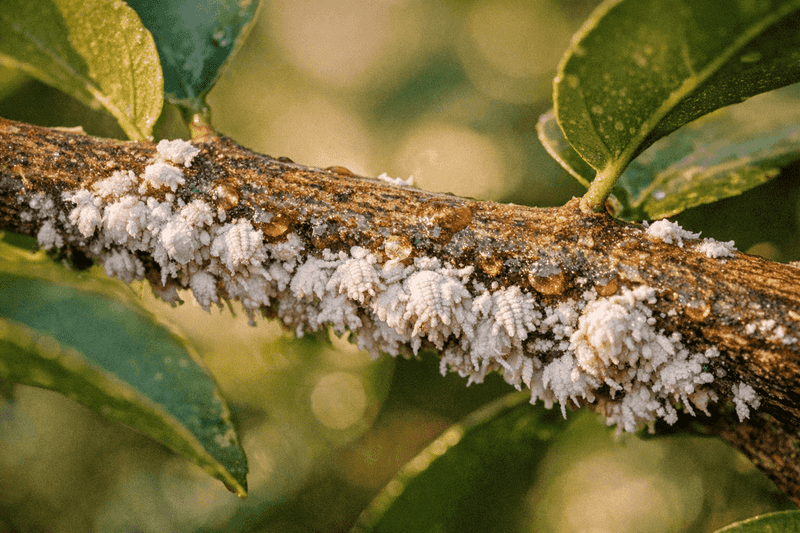
Many different insects can set off the same black coating, which is why the mold cannot name its own cause. As UC IPM notes on sooty mold, aphids, soft scales, mealybugs, and whiteflies can all produce honeydew.
Aphids are small, soft-bodied insects that often bunch together on fresh growth. Mealybugs look like tiny bits of white cotton.
Whiteflies are small and powdery and flutter up when you disturb a branch.
Scales are trickier. They often look like little bumps stuck to a twig or leaf, and they barely seem like insects at all.
The UC IPM scale page separates them into two groups. Soft scales can produce honeydew, while armored scales do not.
That means a scale on your tree does not automatically explain the sticky mess. An armored scale may be present, yet the honeydew could be coming from aphids or something else entirely.
You can still learn a lot from a quick look. Note whether the pests are soft and clustered, cottony, flying, or fixed in place like bumps.
The aphid guidance from UC can help you recognize them.
Still, a fast glance rarely tells you the exact species. If you are unsure, take clear close-up photos and ask your local UC Master Gardener program or county Cooperative Extension office for help.
A little residue does not always call for spraying
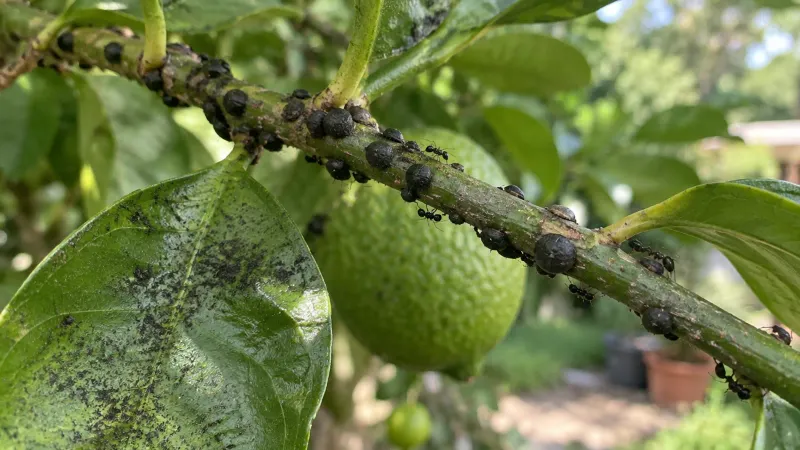
Spotting a few black patches does not mean you need to reach for a sprayer. A tree with light mold and only a small number of pests can often carry on just fine.
UC guidance on sooty mold points out that trouble comes mostly when coverage gets extensive and leaves are shaded.
Here is a simple test. If most leaves are clean, new growth looks healthy, and you only see a few insects, keep watching.
If whole branches are coated and the tree looks weak or slow, the problem deserves more attention.
Nature often lends a hand. Lady beetles, lacewings, and parasitic wasps feed on or attack many of these pests.
For citrus aphids in particular, UC IPM explains that natural enemies normally bring them under control within a few weeks.
Scales can also be held in check by parasites. The UC scale guide suggests checking whether scales are alive or have been parasitized before deciding on any treatment.
Tiny round exit holes in a scale cover, for example, show that a parasite has already emerged.
A good habit is to check the same few branches every week or two. Take photos, note any changes, and look for helpful insects.
That routine keeps you from spraying when nature is already doing the job, and it protects those helpful insects too.
Watching is not ignoring. It is gathering the information you need to act only when action makes sense.
Wash the residue and reduce the honeydew source
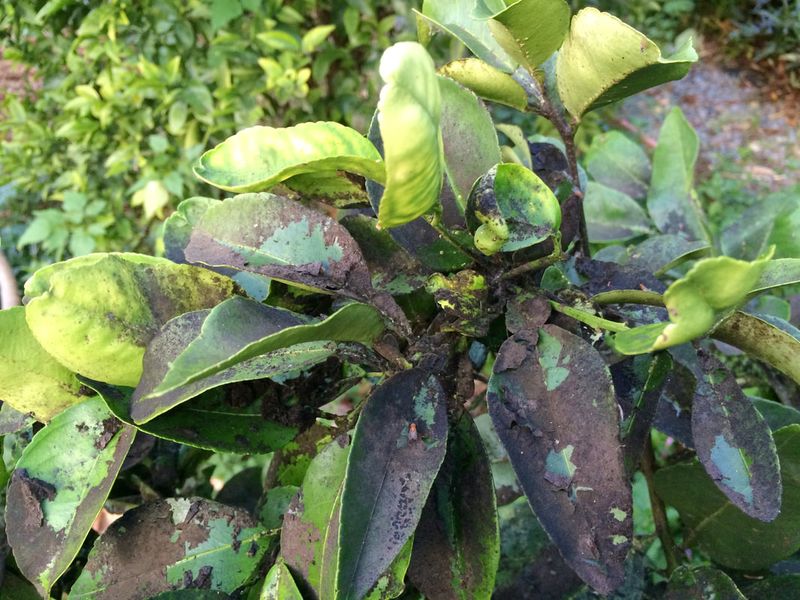
Cleaning is the easiest place to start. For sooty mold, UC suggests washing affected surfaces with plain water or soap and water, as described on the UC IPM sooty mold page.
Rinsing leaves frees them to take in more light and makes the tree look better.
If aphids are the problem, a strong stream of water from the hose can knock them off the plant and rinse away honeydew at the same time. This is explained in the UC aphid guidance.
Aim at new shoots and leaf undersides, where they like to gather.
Keep in mind that washing is a cleanup, not a cure. If the insects remain, they keep making honeydew, and the mold comes right back.
Reducing the source is what slows the cycle over time.
Ants deserve a look here. They feed on honeydew and can guard the insects that make it, which keeps predators and parasites away.
The UC scale page mentions that controlling ants can help natural enemies do their work.
Sticky barriers or ant baits can help, but use them carefully. Keep any sticky barrier from touching the bark directly, since it can harm the tree.
Follow all product directions for baits and barriers, and keep them away from children and pets.
Scale treatment depends on timing, weather, and tree health
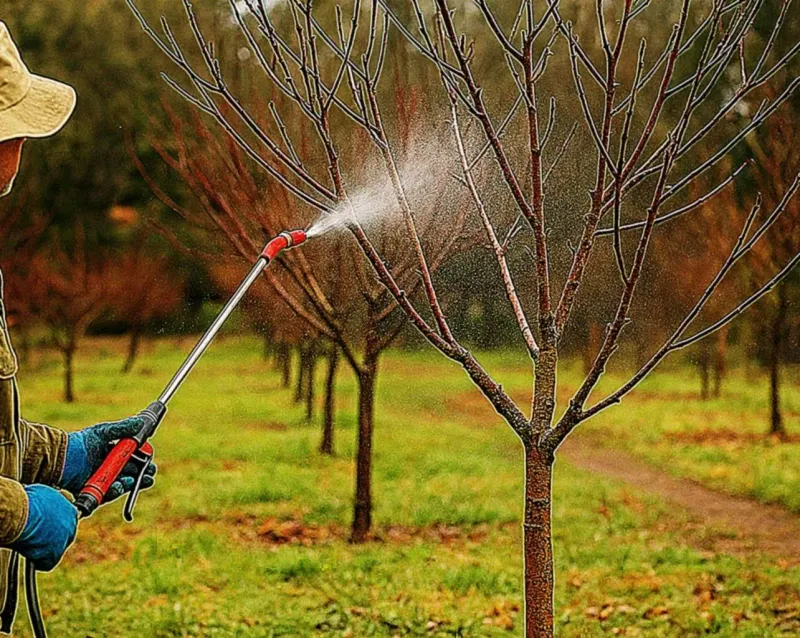
If you find soft scales and decide treatment is warranted, a thorough horticultural oil spray is one option. UC says the spray can be applied during dormancy or when crawlers, the tiny young scales, are active, as laid out on the UC IPM scale page.
First check whether the scales are alive or parasitized, since dead or parasitized ones do not need a spray.
Timing depends on the scale species, when crawlers are active, and your local conditions. It is not a single winter deadline for the whole state.
One UC Cooperative Extension calendar for Marin and Sonoma County recommends February oil treatment when scale is present. That advice is for those counties, not every California yard or every citrus pest.
Even black scale varies by place. UC citrus guidelines describe it as a significant pest in parts of Southern California but only an occasional one in the San Joaquin Valley.
Oil needs care. Avoid spraying water-stressed trees, and skip days when temperatures are above 90°F or below 30°F, as noted in UC guidance on using oils safely.
Oil can also reduce a citrus tree’s frost resistance, so think about your local cold snaps.
Read the product label closely. It tells you how much coverage is needed, which plants it can be used on, and any restrictions on harvesting fruit after spraying.
For small infestations, the UC aphid page is a reminder that water sprays and natural enemies may be enough.
Identify first, then choose the least disruptive response
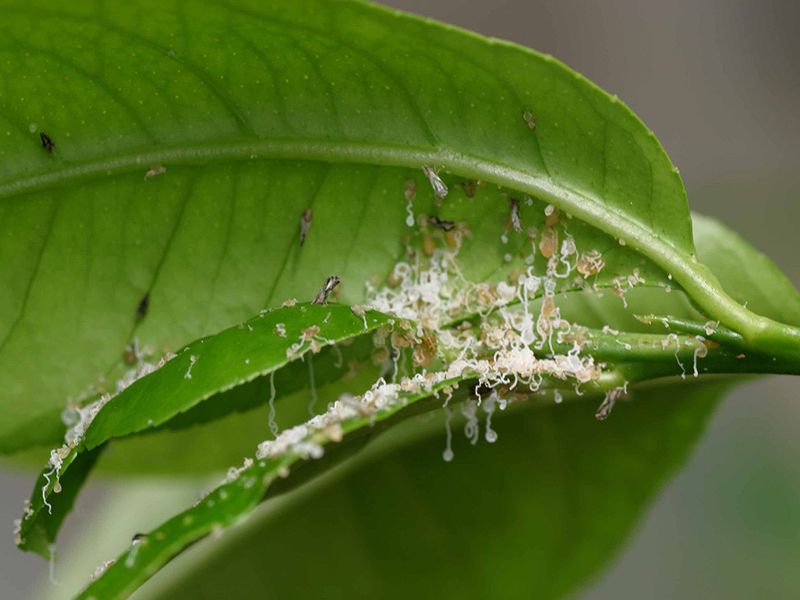
Start by walking the whole tree, not just flipping leaves. Look for honeydew and the insects behind it, then judge how much mold and how many pests you really have.
From there, pick the gentlest option that fits: a rinse for light cases, or targeted action when the problem is clearly growing. The UC sooty mold page and the UC scale guide are good places to confirm what you find.
The black film is only a clue, and the pest behind it sets the timing. Your tree is telling you a story, so read it before you reach for a spray.