
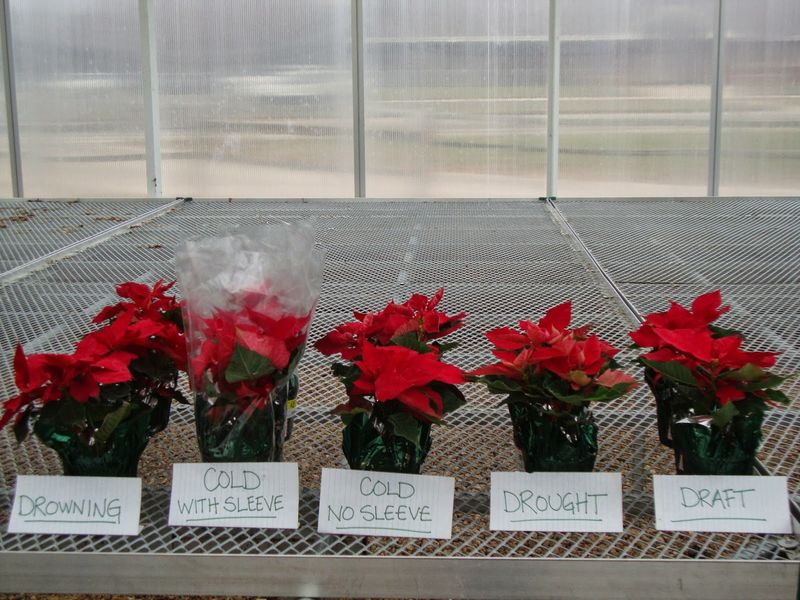
You pick out a poinsettia with deep red bracts, load it in the car, and hope it looks great all season. Poinsettias do not like the cold, and the short walk from the store to your car can be a chilly moment for them.
A little wrapping can lower the risk. Here is how to protect your plant on the way home and keep it happy once it is inside.
Cold exposure can stress a poinsettia, but it does not guarantee leaf loss
Poinsettias come from warm places, and they react badly to chill. Michigan State Extension describes chilling injury in cold-sensitive plants at temperatures above freezing, and its examples include a poinsettia kept at 40°F for several nights.
That does not mean one cold walk across a parking lot will ruin your plant. Cold exposure can contribute to leaf or bract drop, but a single ride home is not a sure cause, and nobody can say when or if loss would show up.
NC State Extension treats cold as a real risk worth guarding against, which is why a little protection makes sense.
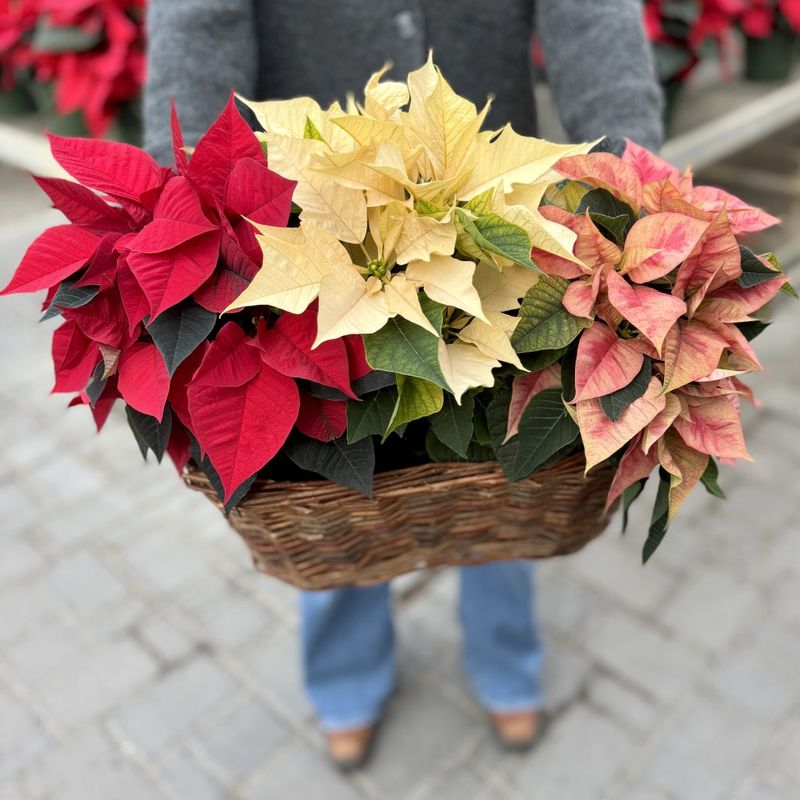
It also helps to know what you are protecting. The bright red, pink, or white parts are bracts, which are modified leaves.
The true flowers are the tiny yellow clusters in the center. Cold can discolor bracts and lead to leaf drop, so those colorful parts are what you are shielding.
Sleeve the plant before carrying it through the cold
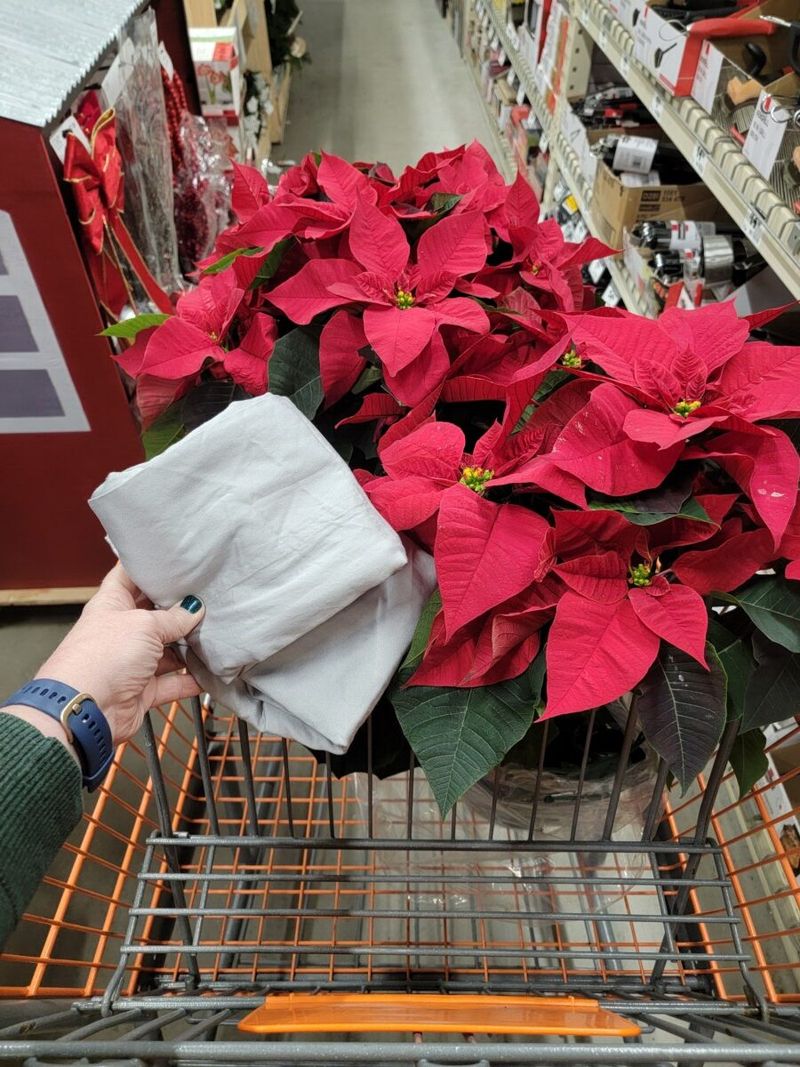
Start at the checkout line. When outdoor temperatures are below 50°F, ask for a paper or plastic sleeve and cover the poinsettia before you carry it outside.
Oklahoma State Extension gives that 50°F mark as the point to cover the plant.
Next, head straight to your car and set the poinsettia in the warm passenger area. NC State Extension says to keep it out of the trunk, where it can get much colder than the cabin.
Turn on the heat if the car is chilly, and avoid leaving the plant sitting while you run other errands.
Think of 50°F as a precaution, not a cliff. Dropping below it does not mean damage is certain, and staying above it does not promise safety.
No one has published a universally safe mix of temperature and travel time, so sleeving and a quick, warm trip are the sensible choices on cool days in the South, even when it feels mild to you.
Unwrap it at home and choose a steady indoor spot
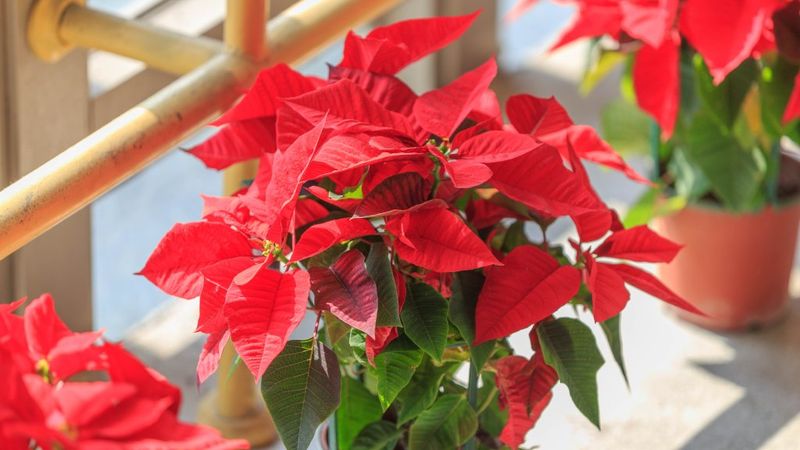
Once you are through the door, slip the sleeve off. Wrapping is meant for the trip only, and Iowa State Extension advises unwrapping the plant at home so it can get light and air.
Choose a spot with plenty of bright light, such as near a sunny window with a sheer curtain. Keep the pot away from cold drafts from doors and cold window glass, since leaves touching chilly glass can suffer.
Aim for a fairly steady room temperature. Oklahoma State Extension lists 60 to 70°F as desirable for holding bract color.
Southern homes can run warmer, so skip spots beside heating vents or fireplaces. A good location helps, but temperature alone cannot guarantee the plant keeps every leaf.
Check the soil before watering
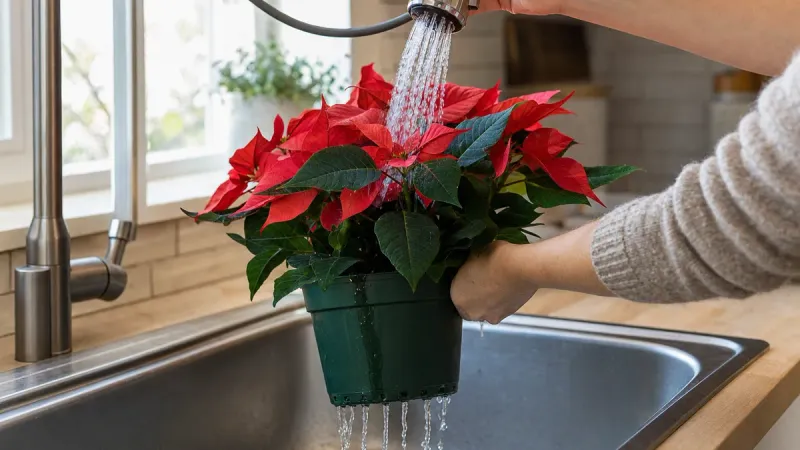
Let your finger do the work. Press it into the soil surface, and if it feels dry, it is time to water.
If it still feels damp, wait a day and check again.
When you water, give the pot a good drink and let the extra drain out. Then empty the saucer or decorative cover so the roots do not sit in standing water.
Foil wraps and pretty cachepots hold water more often than people expect.
Both extremes can cause trouble. Oklahoma State Extension notes that overwatering and letting the plant dry out can each contribute to leaf drop.
Watering is only one possible factor, though, so a fallen leaf does not always point to a watering mistake.
Treat falling leaves as a symptom, not a diagnosis
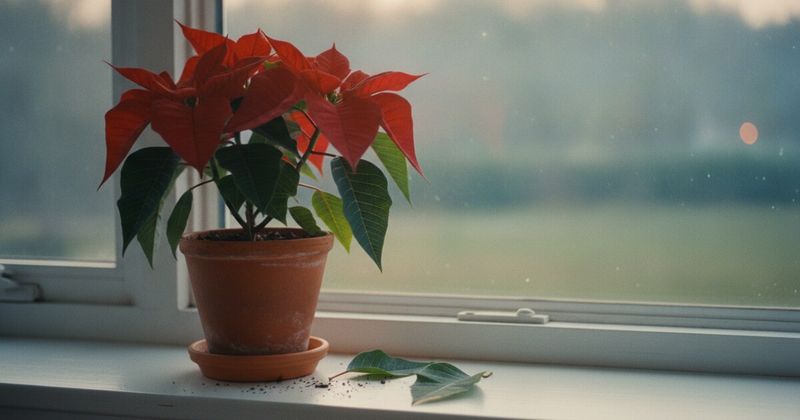
A few dropped leaves can make you suspect the car ride, but the trip may not be the culprit. Leaf drop is a symptom, and plants lose leaves for several reasons.
Iowa State Extension lists overwatering, underwatering, cold drafts, heat sources, and rapid temperature changes as possible causes. Walk through your last week: how often you watered, whether the pot sat in a draining saucer, and whether it stands near a door, vent, or heater.
You may come across a note from New Mexico State University mentioning leaf drop several days to a week after a problem. That delay refers to drying stress, not to cold injury.
No reliable timeline exists for when cold-related loss would appear, so look at the whole picture before blaming one cause.
Protect the plant on the trip, then keep its care consistent
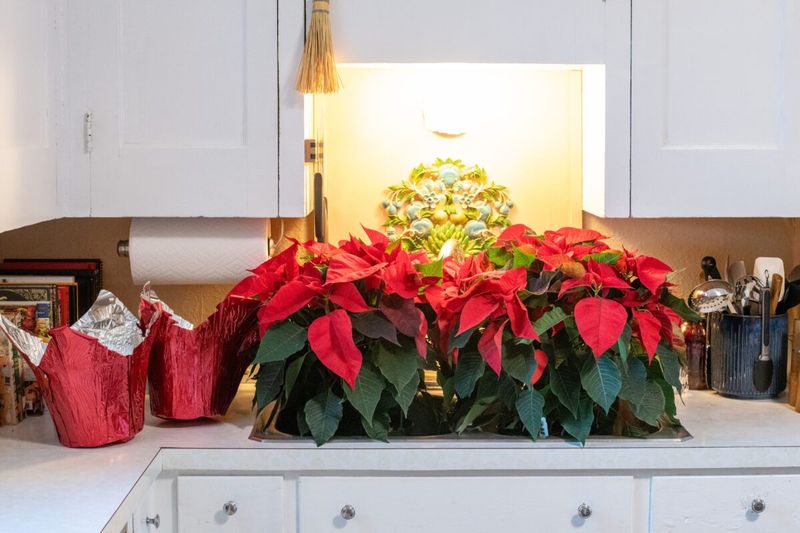
The routine is short. On a cold day, sleeve the plant, get it into a warm vehicle right away, and skip the trunk, as NC State Extension advises.
At home, unwrap it, as Iowa State Extension recommends, and give it bright light. Keep the room steady and comfortable, and water only when the soil surface feels dry, following Oklahoma State Extension guidance.
These steps lower risk and support the plant, though no routine prevents every dropped leaf. A poinsettia is happiest when its first hour and its next month are both gentle.