
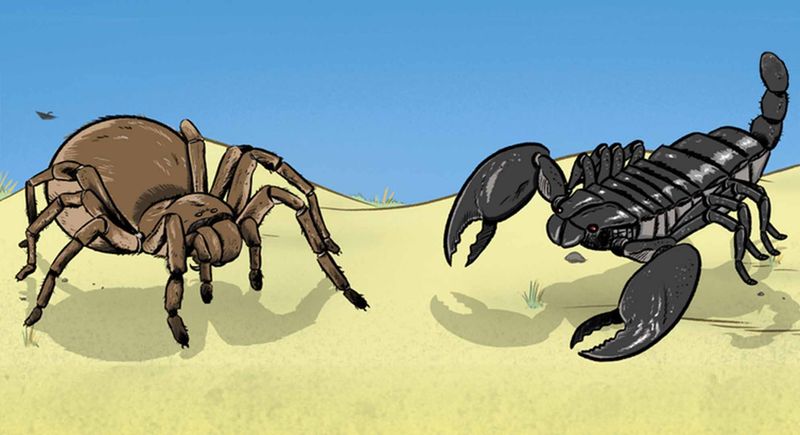
Tarantulas and scorpions both make Texas homeowners nervous, so it is natural to wonder if one keeps the other in check. A study from southern Mexico shows that some tarantulas can catch some scorpions.
That finding is interesting, but it does not tell us what happens in a Central Texas yard. Here is what the research shows, what it leaves out, and what actually helps reduce scorpion run-ins at home.
A southern Mexico study documented tarantulas capturing scorpions
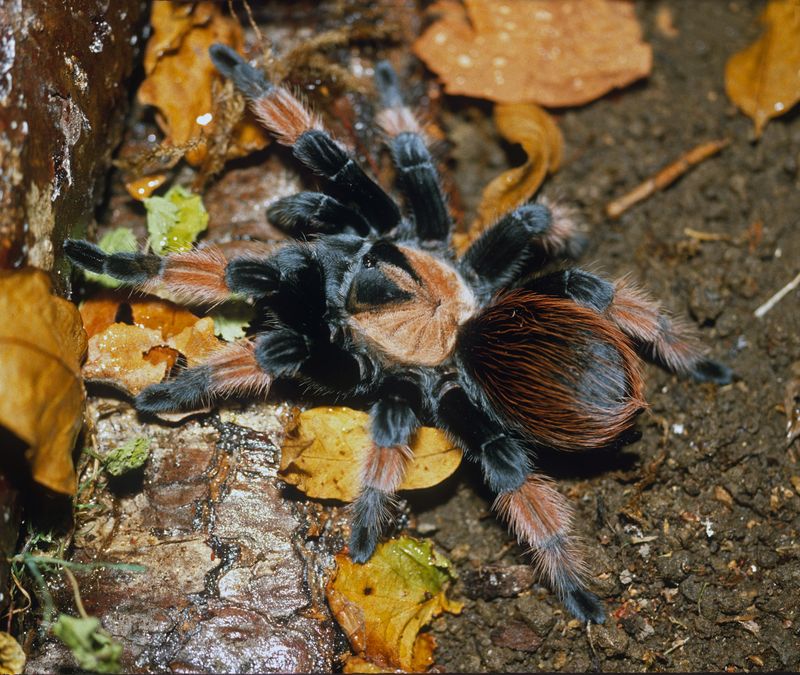
Researchers in southern Mexico put a tarantula and a scorpion in the same space and watched what happened. In a 2011 Journal of Arachnology study, the tarantula was Brachypelma vagans, and the scorpions were two local species in the genus Centruroides.
The tarantulas attacked and captured the scorpions, so the idea of a tarantula as a scorpion predator is biologically plausible.
The study had two parts, and they carry different weight. The laboratory trials used 11 pre-adult tarantulas paired with scorpions in controlled arenas.
Those trials show that the attack and capture can happen when the two animals meet.
The field observations were looser. The researchers searched sites and collected local reports, and they noticed that scorpions seemed to be missing from some places where tarantulas lived in burrows.
Those observations were not statistically analyzed, so they are not solid proof of anything. The researchers described fewer scorpions near tarantulas as a hypothesis, meaning an idea worth testing rather than a result.
Size also matters in these encounters. Scorpions have been reported preying on spiders in other situations, and the authors discussed body size as one factor in which animal comes out on top.
So the relationship is not one-way or guaranteed. In short, the study shows that something can happen in a lab, and it raises a question about the field that still needs an answer.
The evidence does not establish scorpion control in Texas yards
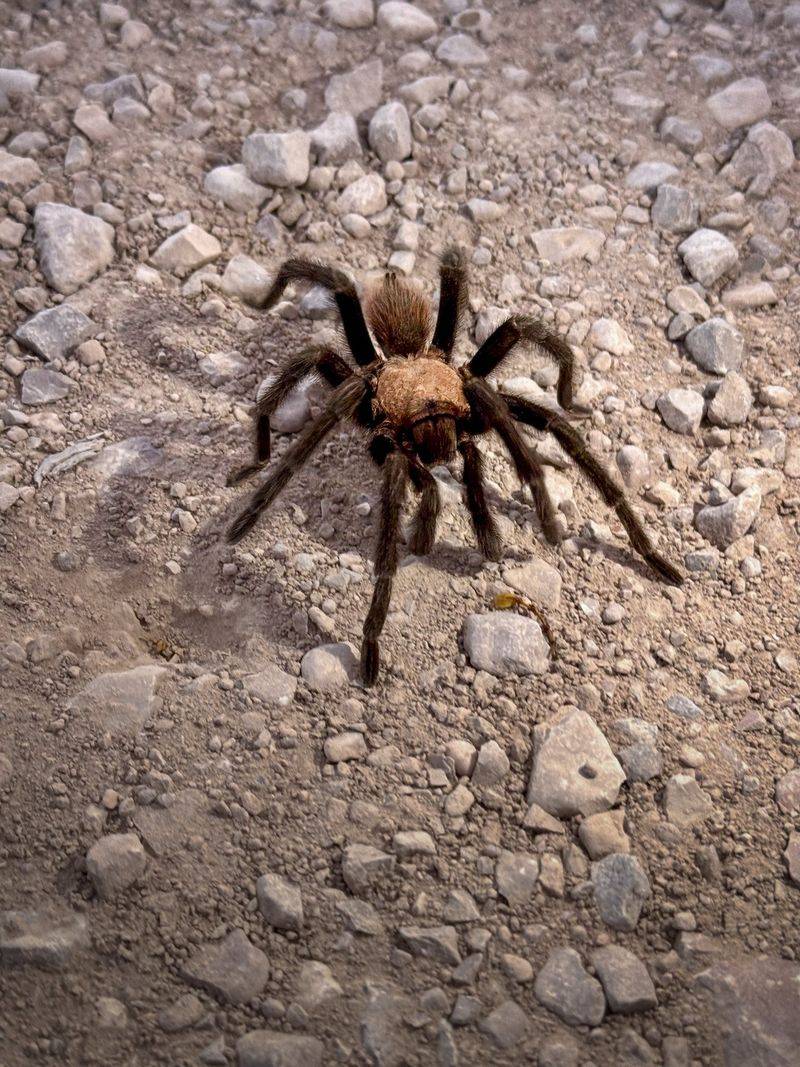
Nobody in that Mexican study looked at Texas animals. The tarantula was a different species from the ones found here, and the scorpions were not the ones living in Central Texas.
Results from one place and one pair of species do not automatically carry over to a backyard in Austin, San Antonio, or the Hill Country.
The field side of the work adds another limit. As the published paper explains, those observations had no statistical analysis, and the authors called fewer scorpions near tarantulas a hypothesis.
That is a good clue to treat the idea as unproven.
Texas tarantulas belong to the genus Aphonopelma, and Texas A&M’s field guide lists their usual meals as insects such as crickets, beetles, grasshoppers, cicadas, and caterpillars. Scorpions are not on that list of typical prey.
So a fair reading is simple. Some tarantulas can catch some scorpions.
That does not mean the tarantulas in your yard commonly hunt scorpions, remove them, or protect your home. If scorpions are a concern, a tarantula sighting should not change your plan.
A wandering tarantula may be looking for a mate
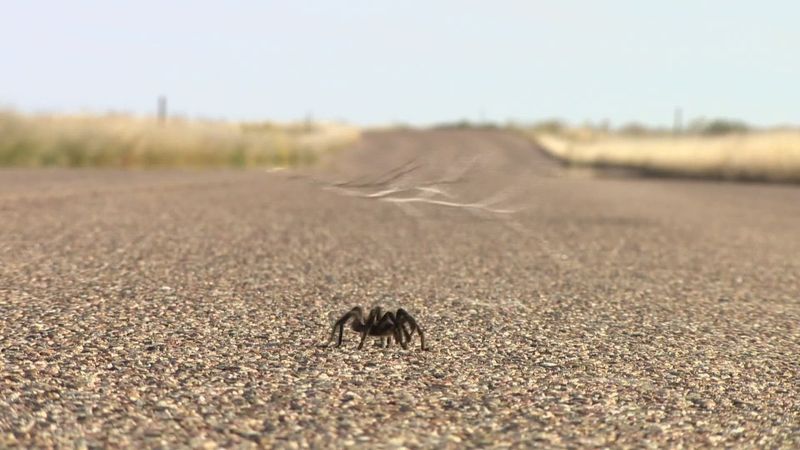
Spot a tarantula crossing your driveway on a warm evening, and the likely explanation is romance. According to Texas A&M AgriLife, male tarantulas wander during the warmer part of the year while looking for females.
The exact timing shifts with local conditions, so there is no single date to mark on the calendar.
That makes a moving tarantula a sign of mating season, not a sign of anything else. It does not show that scorpions are close by, and it does not mean the spider is out hunting them.
A walking male is simply covering ground to find a mate.
Identifying the animal can be tricky too. Texas has 14 Aphonopelma species listed in the A&M field guide, and telling them apart is difficult even for experts.
You do not need an exact species name to enjoy the sighting.
The best response is to watch from a few feet away and let it move on. Most wanderers keep going and disappear into brush or a burrow before long.
Treat it as a neat bit of Texas wildlife and nothing more.
Scorpions can shelter close to homes
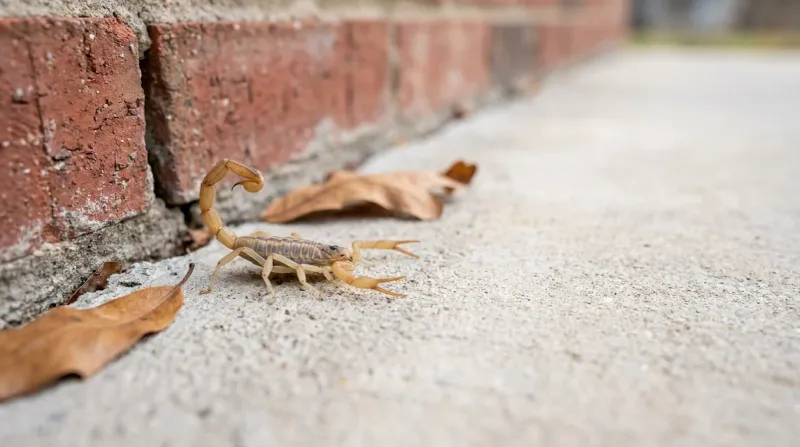
Scorpions in Texas are mainly active at night, which is why most people rarely see them. They hunt small prey, including insects and spiders, according to Texas A&M’s Urban and Structural Entomology Program.
During the day they tuck into cool, dark hiding places.
The striped bark scorpion is a useful Texas example because it occurs statewide. Texas A&M AgriLife says it is often found under rocks, boards, and debris.
It can also get indoors through cracks and crevices around a building.
Think about what sits along your foundation. A stack of firewood, a pile of bricks, old lumber, or leaf litter can all serve as daytime shelter.
Gaps around doors and utility lines can serve as the way inside.
None of this means every Central Texas yard has scorpions, and one tarantula sighting says nothing about whether they are present. The point is that the places scorpions like to hide are often spots homeowners can change.
Home exclusion and yard cleanup can reduce encounters
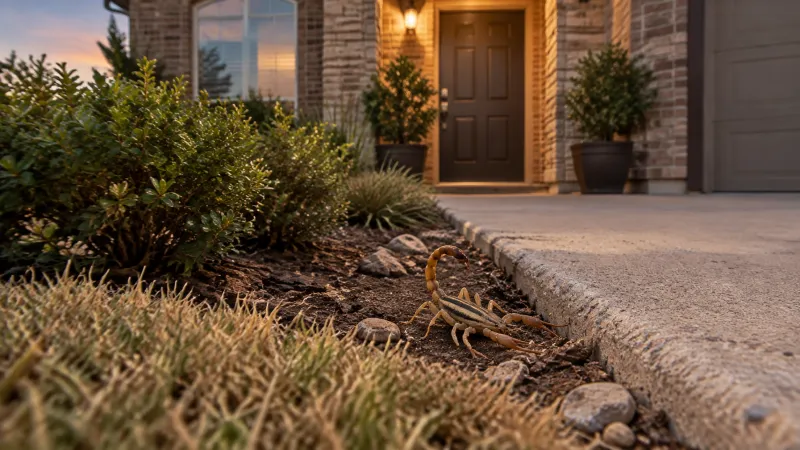
Cleaning up around the house is the most useful thing you can do. Texas A&M AgriLife recommends removing logs, boards, stones, bricks, and trash near the structure, since these give scorpions places to hide.
Keep nearby grass short, and prune branches and bushes so they do not touch the walls or roof.
Next, close the doors to the indoors. According to the AgriLife scorpion fact sheet, good weather-stripping on doors and windows helps, as do screens in good repair.
Seal cracks and the openings where pipes, wires, and cables enter the house.
A simple weekend routine works well. Walk the foundation, move stored wood and bricks away from the wall, and check the bottom edge of each door for light showing through.
Then caulk or seal gaps you find.
Spraying alone is not a reliable fix. The agency notes that scorpions are difficult to control with insecticides alone.
If you choose to use a product, follow the label and ask a qualified local professional for advice. These steps can reduce encounters, though they cannot guarantee you will never see a scorpion.
Leave tarantulas alone and take scorpion stings seriously
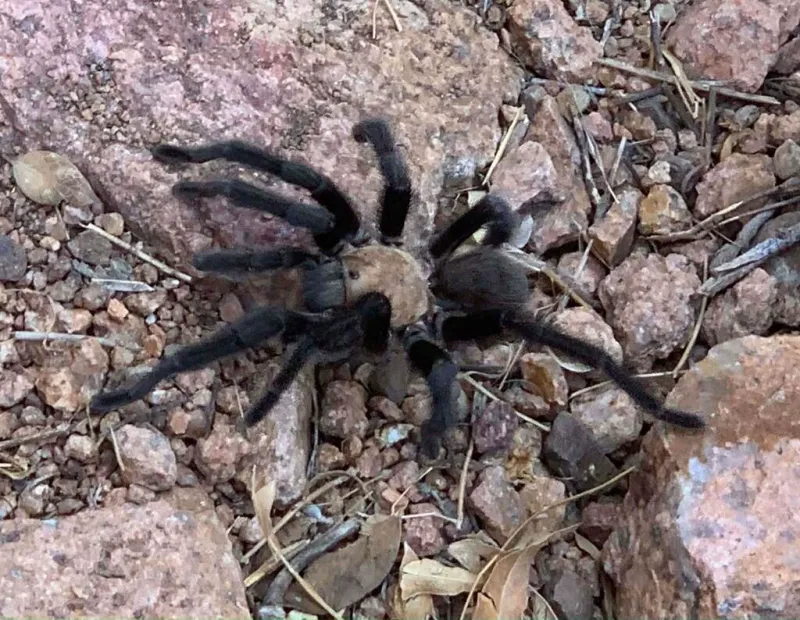
Wild tarantulas are best left untouched. Texas A&M advises that they can bite if provoked.
They can also flick tiny hairs from their abdomen, and the Texas insect field guide notes those hairs can irritate skin or eyes. Keep kids and pets back and give the spider room.
Scorpions deserve the same hands-off respect, and a sting should not be brushed off. Reactions vary from person to person, and allergic reactions are possible.
Wear gloves when moving yard debris, and shake out shoes that were left outside.
If someone is stung, watch them for adverse reactions. Texas A&M guidance says to seek immediate medical attention if pain or swelling persists or if breathing difficulties occur.
Seeing a tarantula never means you can skip these precautions. Keep up your home sealing and yard cleanup either way.
A tarantula is a wildlife neighbor, not a scorpion-control plan
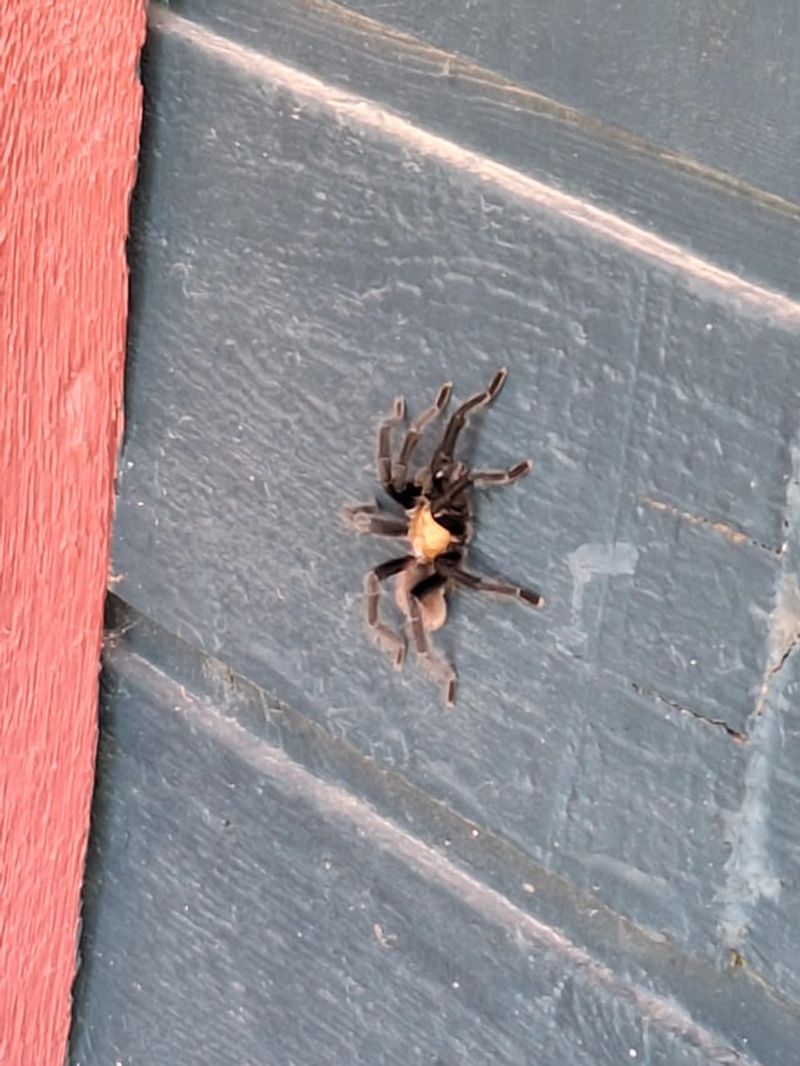
Some tarantulas can prey on some scorpions, but the Mexico study does not show that Central Texas yards are protected. Watch tarantulas from a safe distance, and put your effort into yard cleanup and sealing the house.
A passing tarantula is a good story to tell at dinner, but your weather-stripping does the real work.