
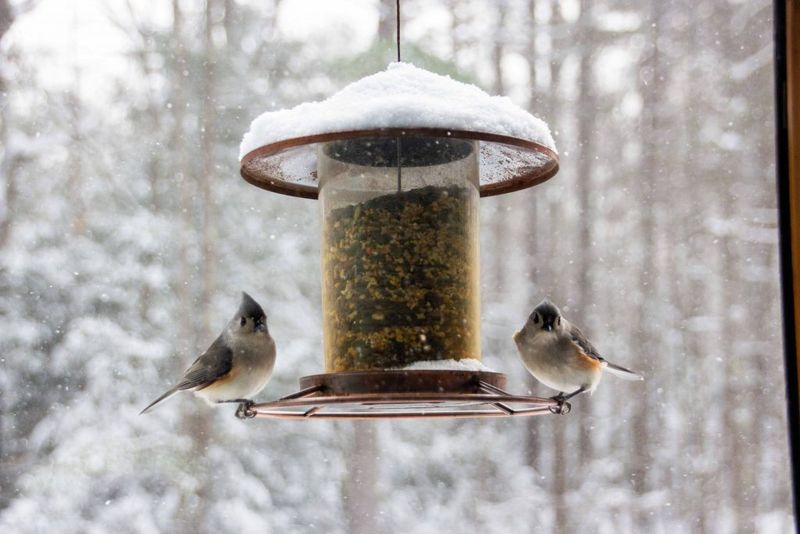
Leaves are turning, migrants are passing through, and many North Carolina yards are asking the same question: when do the feeders go out? There is no magic date, but there is a smart way to get ready.
A little fall prep can make winter feeding easier and safer for you and the birds. Here is how to decide what works for your yard.
North Carolina has no single feeder date
Plenty of gardeners wonder if there is a calendar day when every feeder must be full. There is not one.
Audubon’s bird FAQ says seed-eating birds use many food sources and can be fed year-round or just in certain seasons, and that starting or stopping at a particular time generally has little impact.
That means a date like October 15 or November 1 is a personal choice, not a biological deadline. Birds in the mountains, the Piedmont, and the coastal plain all find food in different ways, and your yard may offer more or less than your neighbor’s.
Nobody can honestly say birds will go hungry if your feeder is empty on a certain day.
What you can do is prepare. Fall is a good time to pull out the feeder, scrub it, let it dry, and decide where it will hang.
Once it is clean and ready, you can fill it when it suits you, whether that is early fall, the first cold snap, or later in winter.
The U.S. Fish and Wildlife Service also treats feeding as an optional extra rather than a requirement.
Think of the feeder as a bonus for you and the birds, not a duty with a due date.
An early setup gives birds time to find a feeder
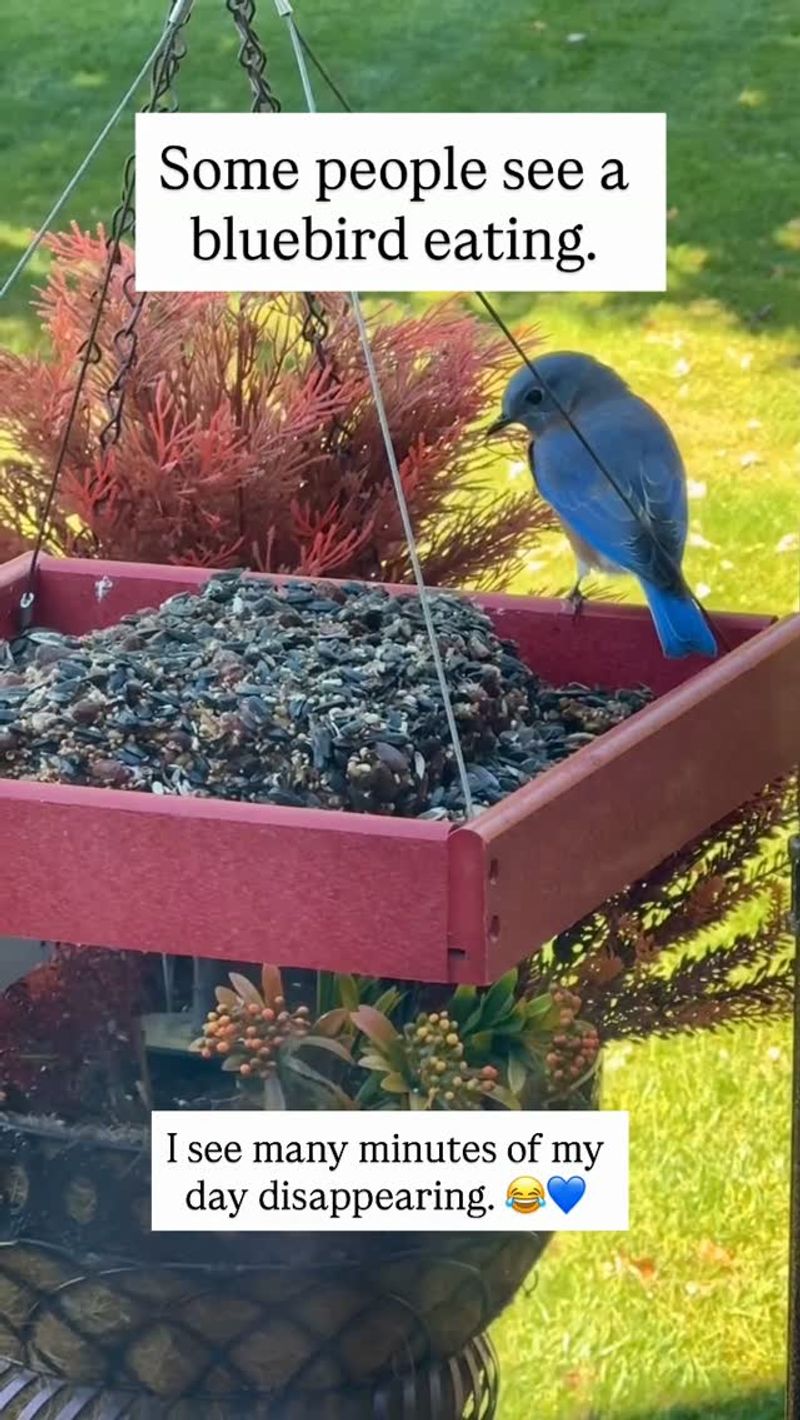
Here is the honest case for starting early: a brand-new feeder is a new object in a bird’s world. Birds may need days or even weeks to notice it and trust it.
If you put it out in October, regulars may already be visiting by the time the weather turns rough.
A feeder that is already clean, hung, and known to the neighborhood birds is also ready to go if a storm hits. You will not be hunting for the scrub brush while sleet falls.
That head start is the real payoff of early setup.
It helps to keep the claim small. Guidance from Audubon says that when you start or stop feeding generally has little effect, so an early start is not proven to boost winter survival in ordinary North Carolina weather.
Birds do not need your feeder to get through a normal winter.
Federal wildlife guidance from the U.S. Fish and Wildlife Service backs up the idea that feeding is a supplement.
So think of early setup as a convenience. You get a feeder that birds know about and that you can fill quickly when you want to.
Migration and natural food follow their own schedules
Seeing warblers and thrushes pass through can make it feel like the pantry is closing. It is not.
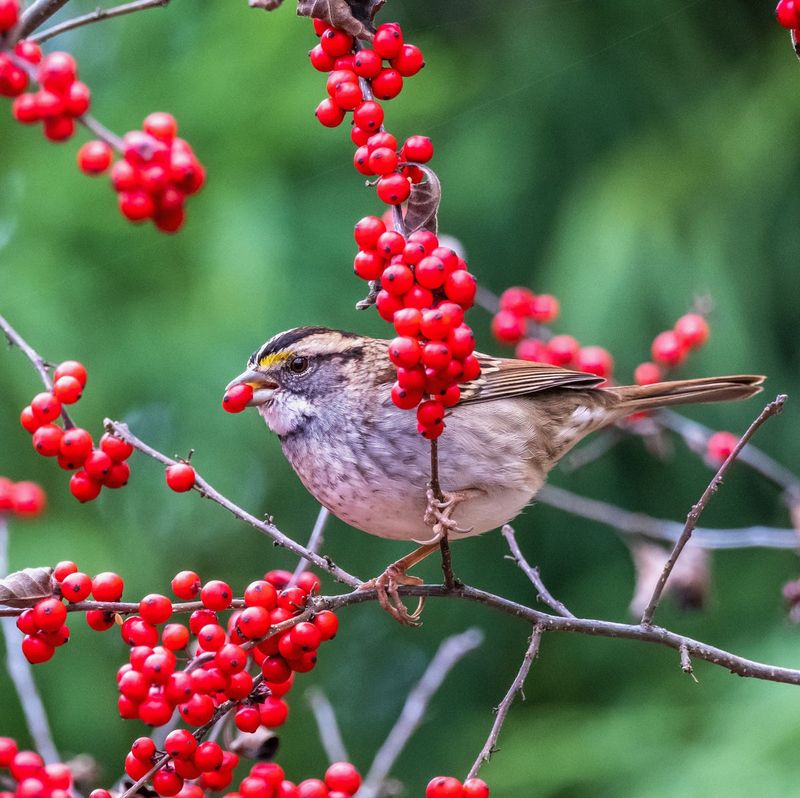
NC State Extension notes that migrating birds rely on energy-rich fruits in fall, and winter residents eat fruits and seeds that stay on plants or drop to the ground.
That means plenty of natural food can still be out there in October and November. How much depends on your yard.
A property with dogwood, native hollies, and seed heads left standing will offer more than a tidy lawn with few plants.
Feeders add to that supply, but they do not replace it. Birds also leave on their own schedules, and Audubon says food availability does not hold migrants back.
A full feeder will not keep a warbler from heading south.
Hummingbirds are a separate story. The NC Wildlife Resources Commission highlights birdwatching across the state, and Audubon’s North Carolina guidance says Ruby-throated Hummingbirds can linger into November.
Keep nectar fresh and feeders clean, and treat that routine as separate from seed-feeder timing.
Severe snow or ice can change the calculation
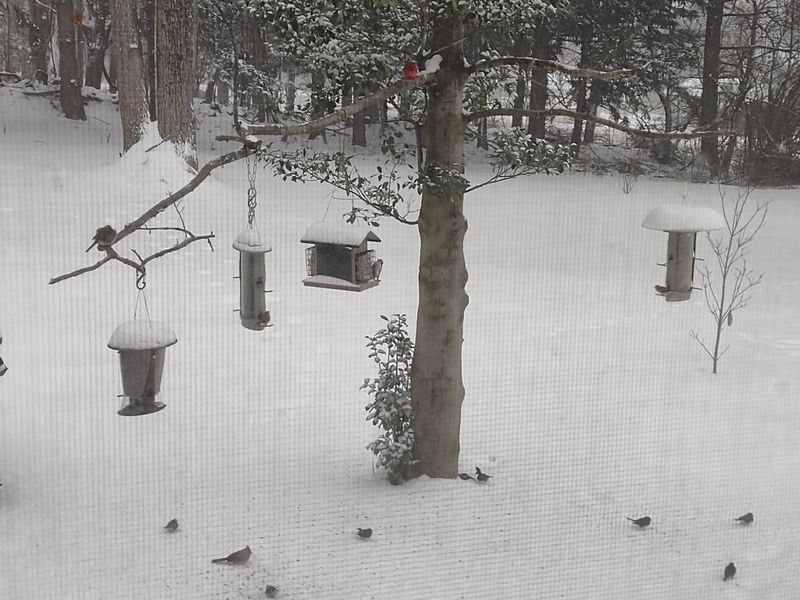
Ordinary cold is not the issue. Birds are built for chilly nights, and a frosty morning does not lock up their natural food.
A cold snap alone is no reason to rush out with seed.
The exception is severe snow or ice. When a heavy layer buries seeds or glazes over berries and weeds, birds can have trouble reaching what they normally eat.
Audubon notes that during a severe snow or ice storm, feeder food may help when natural food is buried.
This is where a ready feeder pays off. If a storm is forecast for the foothills or the Piedmont, you can fill a clean feeder and keep it stocked while the ground is covered.
Clearing snow from a spot under the feeder or knocking ice off the perches can also make things easier for birds.
Once the weather clears and natural food is reachable again, you can ease off if you like. The U.S.
Fish and Wildlife Service frames feeding as a supplement, so there is no need to feel locked into a daily routine.
Choose fresh seed birds are likely to eat
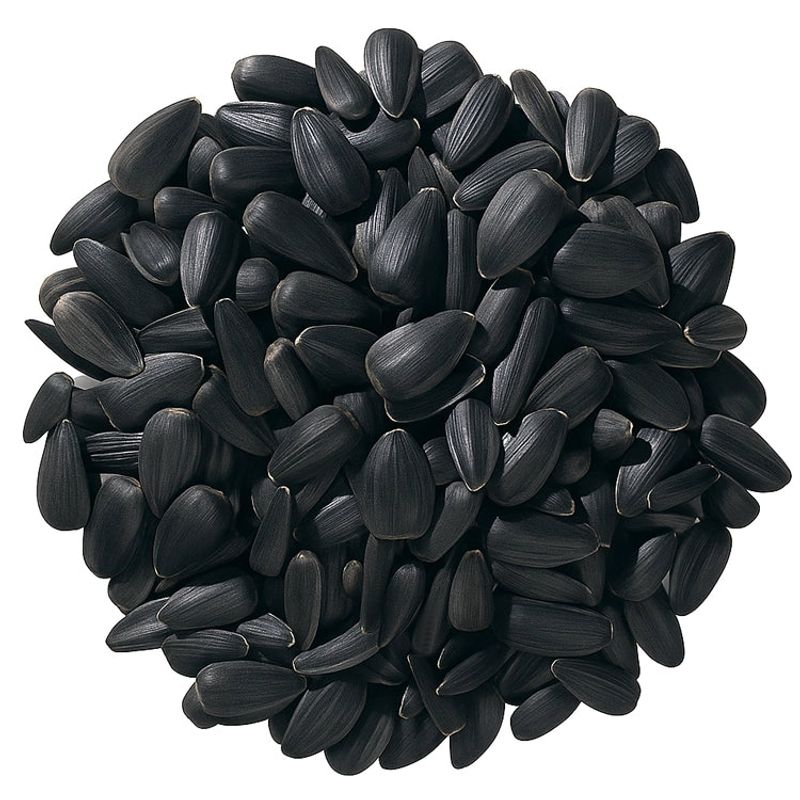
If you are going to fill a feeder, make the seed count. Black-oil sunflower is a good choice.
Cornell Lab of Ornithology describes it as a high-fat food that attracts many seed-eating species, from chickadees and titmice to cardinals and finches.
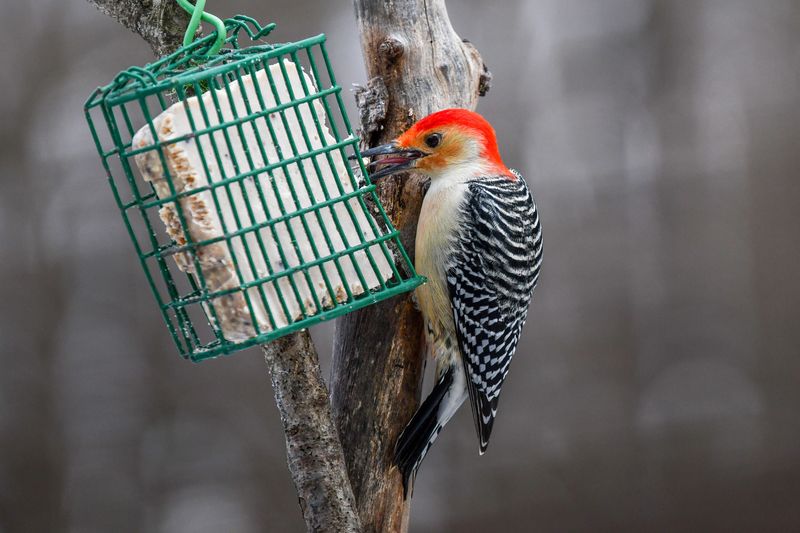
It is not the only option. Other seeds and suet can work well too, depending on which birds visit your yard.
Black-oil sunflower is simply an easy, dependable place to start.
Be careful with bargain mixes. Many contain filler seeds that birds are less likely to eat, and you will often see them kicked onto the ground.
That leftover seed is wasted, and uneaten seed can spoil, especially when it gets damp.
A smart habit is to buy smaller bags and put out only what birds will finish in a few days. Store the rest in a sealed container somewhere cool and dry.
Fresh seed in a modest amount beats a feeder piled with stale food.
Clean feeders regularly and pause when birds look sick
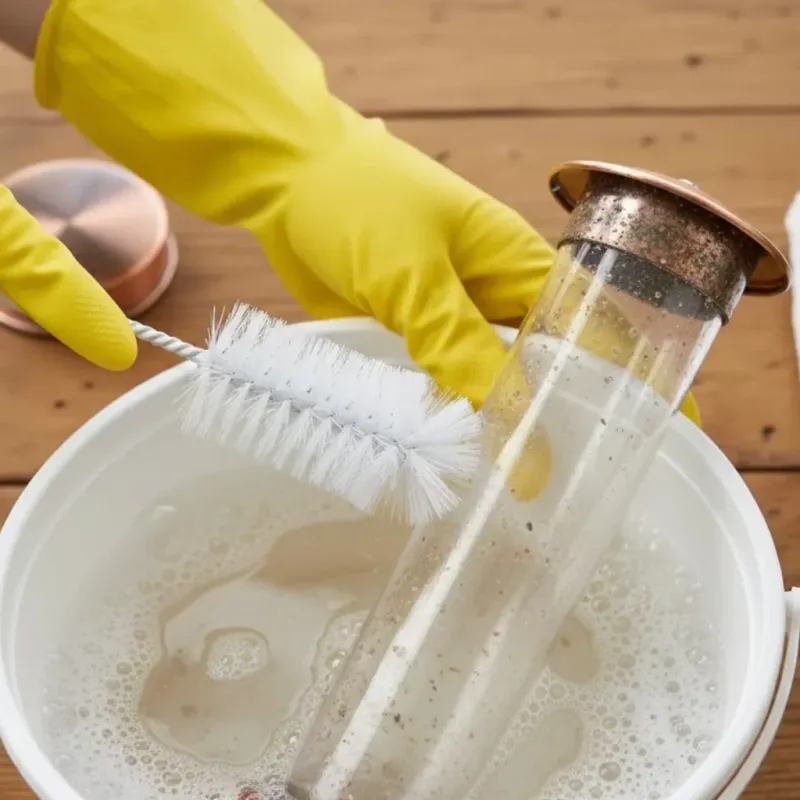
A dirty feeder can do more harm than good. Cornell Lab of Ornithology recommends cleaning seed or suet feeders about every week or two, and more often in wet weather or when many birds are visiting.
Take the feeder apart, scrub it, and rinse it well. Then let it dry completely before refilling, since damp seed can grow mold.
Do not forget the ground below, where spilled seed and droppings pile up. Rake or sweep that debris away.
Watch the birds too. Fluffed-up feathers, lethargy, or swollen or crusty eyes can be warning signs.
If birds look sick, Project FeederWatch recommends taking down the feeder they have been using for a couple of weeks, and cleaning both the feeder and the area around it.
Pausing makes birds spread out, which can slow the passing of germs from one visitor to the next. When you put the feeder back up, start with a freshly cleaned one and a small amount of seed.
A simple weekly reminder on your phone can keep this routine from slipping.
Bears and poultry concerns can change the plan
Sometimes the best feeder plan is no feeder. If bears are in your area, take your bird and hummingbird feeders down.
If a bear has already visited, remove them right away. The NC Wildlife Resources Commission warns that feeding can draw bears into residential areas, and seed is an easy meal for them.
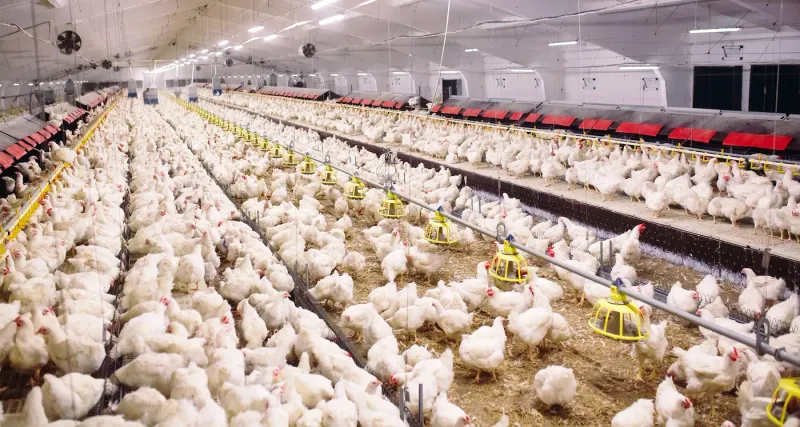
Disease is the other concern, and it needs a local check. For avian influenza, the NC Department of Agriculture and Consumer Services says households without poultry may use feeders with regular cleaning, but it advises against feeders and baths where poultry are present.
So there is no single rule for every household. If you keep chickens or live next to a farm that does, skip the feeders.
If you do not, regular cleaning remains your best habit.
If you see sick or dead wild birds, check the current guidance from the agency before handling them or putting out more food. Advice can change, so look at the latest posting rather than relying on what you heard last year.
Treat feeders as one part of a winter food plan

A feeder is a supplement, and your plants do the long-term work. NC State Extension recommends a variety of native food-producing plants, including species with fruits or seeds that ripen at different times, and leaving some seed- and fruit-bearing vegetation standing.
These plants also give birds shelter.
The takeaway is simple. Clean a feeder in fall, then fill it when it fits your preferences and conditions.
Use fresh seed, keep things tidy, and pull it down if bears show up or birds look sick.
Plant a native shrub this fall, and your yard may feed birds long after the seed runs out.